
Atlantis Diving Center
Google 4.9/5 (694 reviews)
less than 1 km away as the crow flies
Gozo · Malta · Mediterranean
Max. depth · 11 mA shallow, sheltered bay featuring expansive Posidonia oceanica meadows and sandy patches.
For subtitles in English: start the video firstthen click the gearat the top right of the video, select “Subtitles/CC”, then “Auto-translate” and choose “English”.
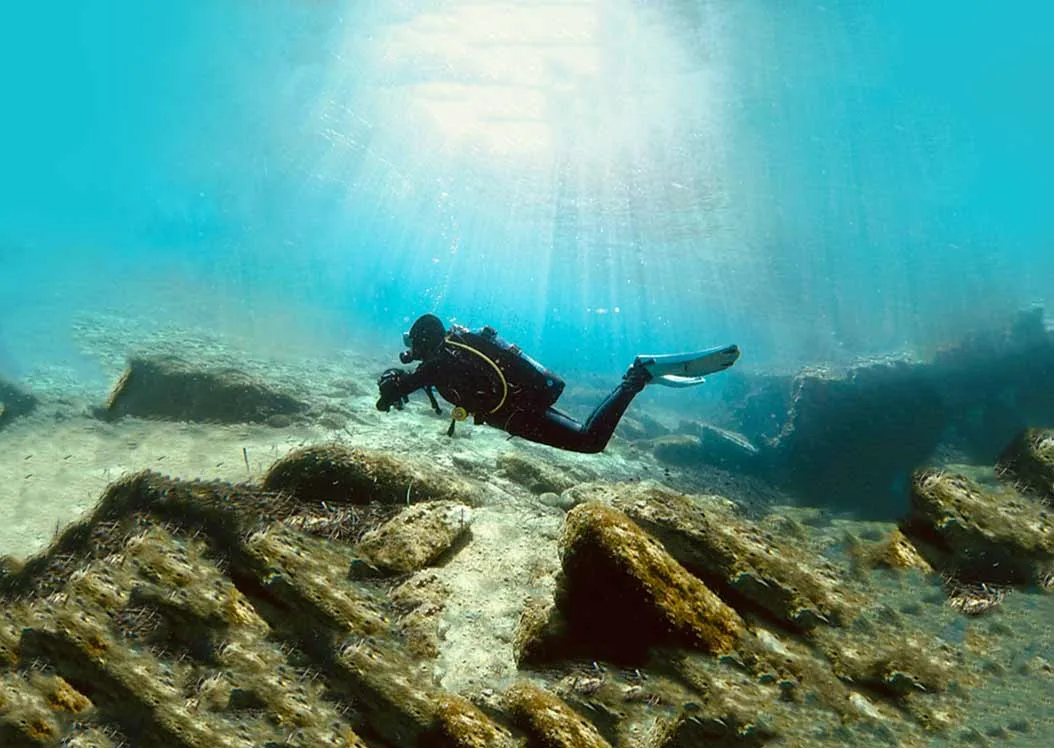
Marsalforn Bay offers a very shallow and protected environment, making it one of the most accessible sites in the Gozo area. The topography is characterized by a gentle, sloping seabed that transitions from the shoreline into expansive meadows of Posidonia oceanica. These seagrass beds cover much of the bottom, interspersed with patches of sand that provide a clear view of the substrate. Because the terrain is relatively flat and lacks extreme verticality, it serves as an excellent location for those refining buoyancy or practicing basic skills.
The depth profile is quite consistent, with the maximum depth reaching approximately 11 metres. This limited depth range makes the site particularly suitable for training scenarios, such as Discover Scuba Diving or Open Water courses. You will find that the shallow water allows for plenty of natural light to reach the bottom, which is especially useful during the daytime. The lack of significant vertical features like large arches or deep caves means the focus remains on the details of the seabed and the life within the vegetation.
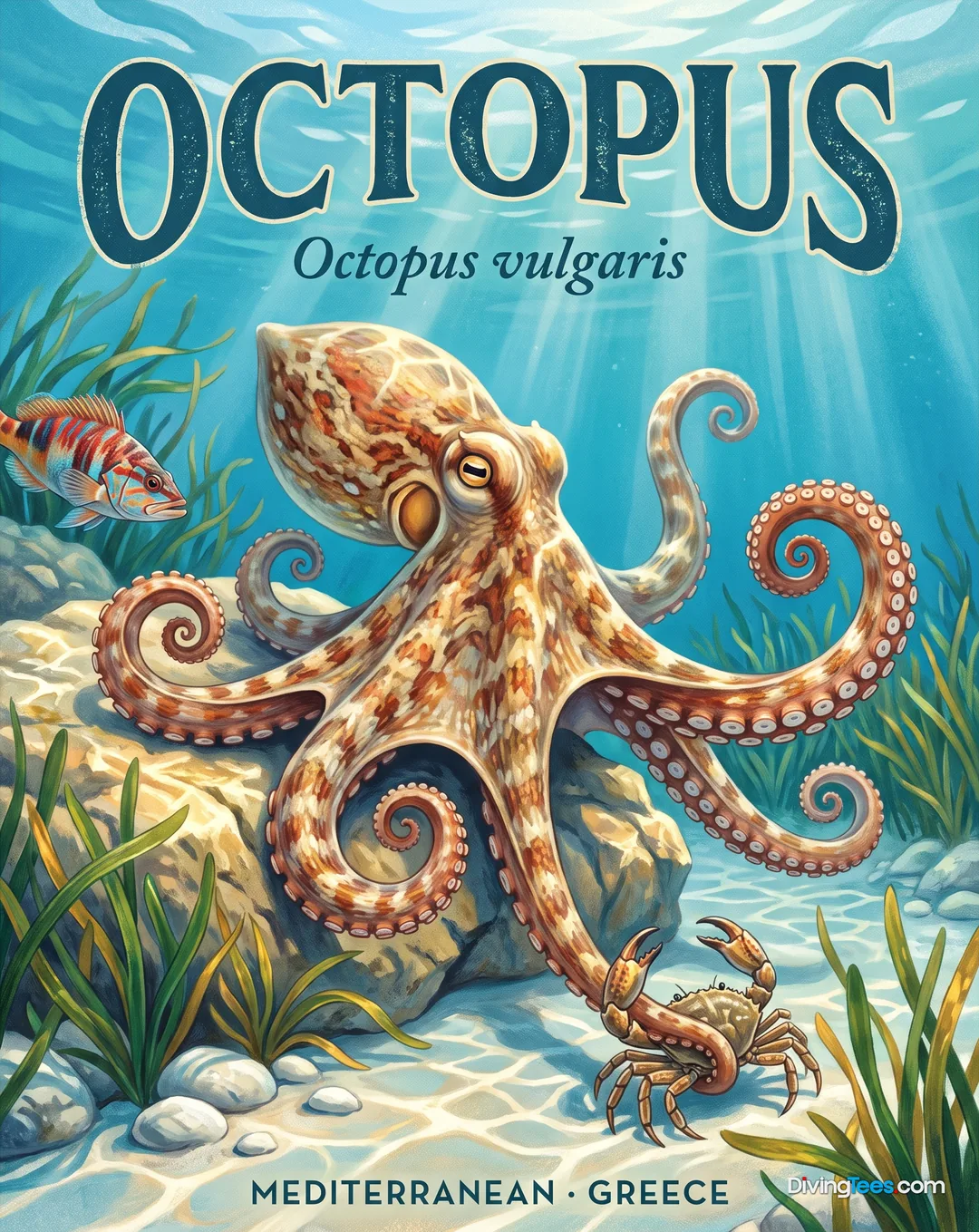
Marine life here is centered around the residents of the seagrass meadows and the rocky patches near the breakwaters. You can frequently encounter the common octopus (Octopus vulgaris) as it navigates the crevices of the rocks or hides within the vegetation. Moray eels (Muraena helena) are also common residents, often found tucked into the rocky areas surrounding the bay. These species benefit from the sheltered nature of the bay, which provides a stable habitat compared to more exposed offshore sites.
The accessibility of the site is a major practical advantage for divers. It is easily reached by shore diving directly from the bay or by boat through local operators. This accessibility, combined with the shallow depth, makes it a preferred choice for night diving. The protection offered by the bay's geography minimizes the impact of heavy swell, providing a calm environment for night excursions where maintaining orientation and managing light is essential.
Environmental conditions can vary depending on the sea state and swell. While the bay is generally sheltered, you may notice some movement in the water column when there is significant swell or when waves are breaking near the shore. This movement is most noticeable during your entry or exit from the water. However, for most of the diving season, the conditions remain stable enough for easy navigation and a relaxed descent.
Maximum depth is 11 metres. The site is accessible from Open Water Diver level, making it suitable for introductory dives and night diving. While generally calm, currents can vary depending on the swell and sea state. The best time to dive here is from June through October.
You can dive Marsalforn Bay from June through October. The site is accessible to Open Water Diver level and suits introductory dives, including Discover Scuba Diving and Open Water courses. Its sheltered, shallow setting also supports night diving, with shore or boat access available through local operators.
Marsalforn Bay reaches a maximum depth of 11 metres. You will descend over a gentle, sloping seabed covered largely by Posidonia oceanica seagrass meadows, with patches of sand and rocky areas near the breakwaters. The relatively flat terrain provides natural light and space for buoyancy practice.
Marsalforn Bay is generally calm and sheltered, but currents and water movement can vary with the swell and sea state. Movement is most noticeable during entry or exit, especially when waves break near shore. For most of the diving season, conditions remain stable for easy navigation and a relaxed descent.
At Marsalforn Bay, you can look for common octopus moving through rocky crevices or hiding among the vegetation. Moray eels are also common, often tucked into rocky areas around the bay. The Posidonia oceanica meadows, sandy patches, and sheltered rocky habitats keep the focus on seabed life.