
Deepist Kaş Dalış Merkezi / Dive Center
Google 5/5 (707 reviews)
4.6 km away as the crow flies
Kas · Türkiye · Mediterranean
Max. depth · 22 mDescend into Buyuk Magara's interconnected limestone caverns, where light shafts illuminate a world of goliath groupers and giant moray eels.
Buyuk Magara, also known as Büyük Mağara Cave, is not a typical reef dive; it's an exploration of a substantial limestone cave system. The main cave mouth sits around 18 metres, leading into a series of interconnected caverns and large, cathedral-like chambers. The dive begins along a steep cliff face, guiding you towards the primary entrance, where the transition from open water to the overhead environment becomes clear.
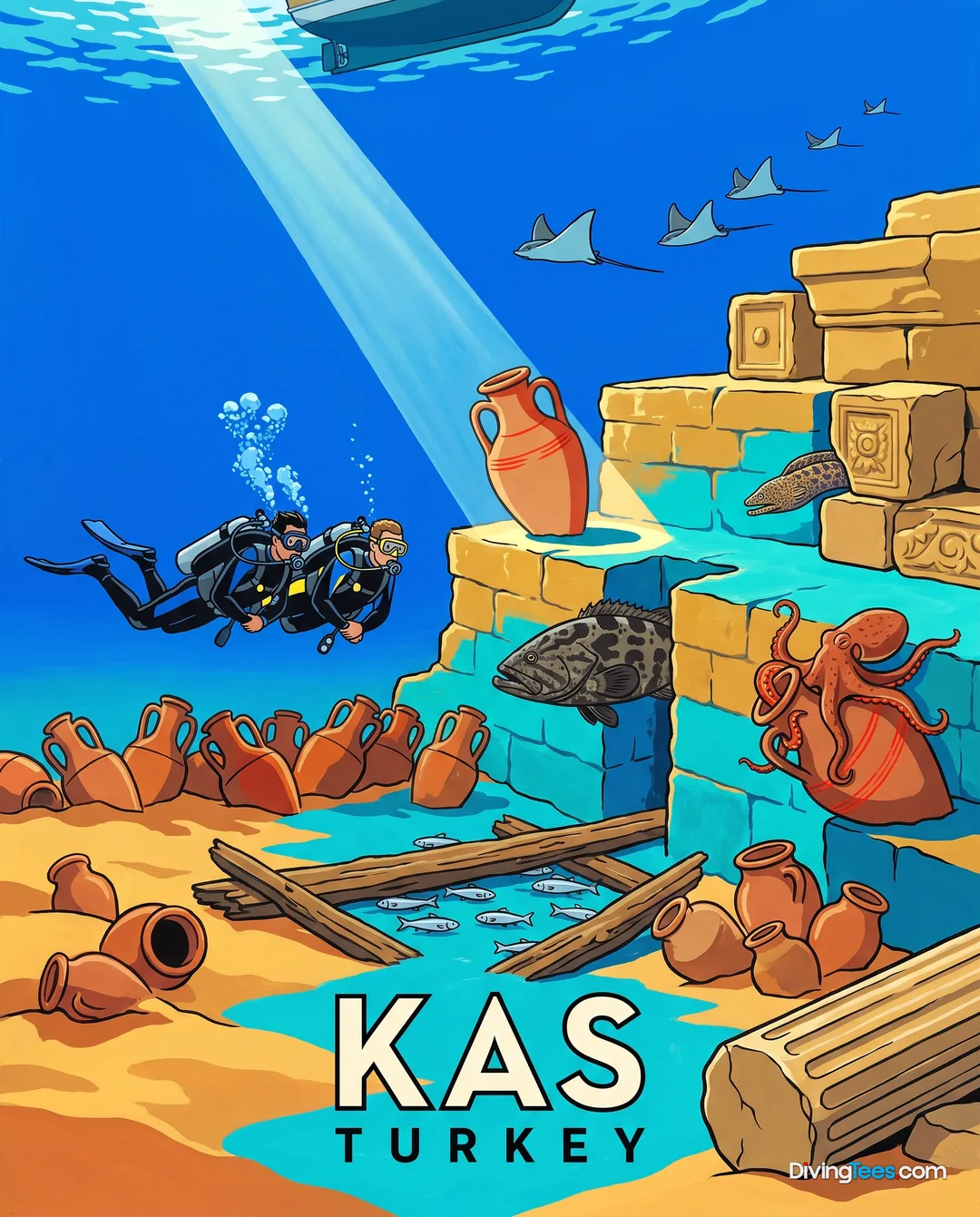
Once inside, the topography shifts dramatically. You'll navigate through swim-throughs and wider chambers, experiencing the unique light effects created by cracks and openings in the ceiling above. These natural skylights pierce through the water, creating columns of light that illuminate sections of the cave. Deeper inside, beyond the initial entrance areas, the chambers become darker, demanding careful attention to gas management and the effective use of your torch.
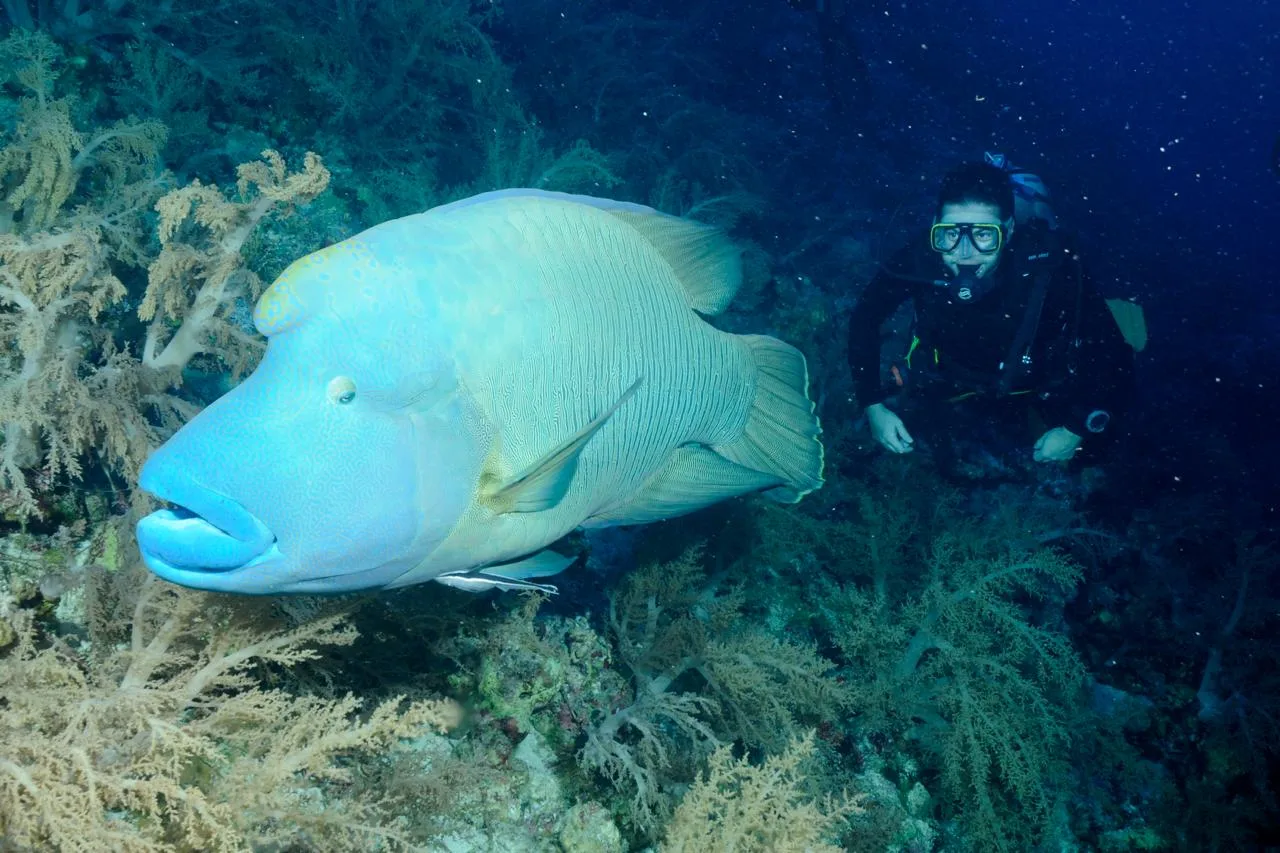
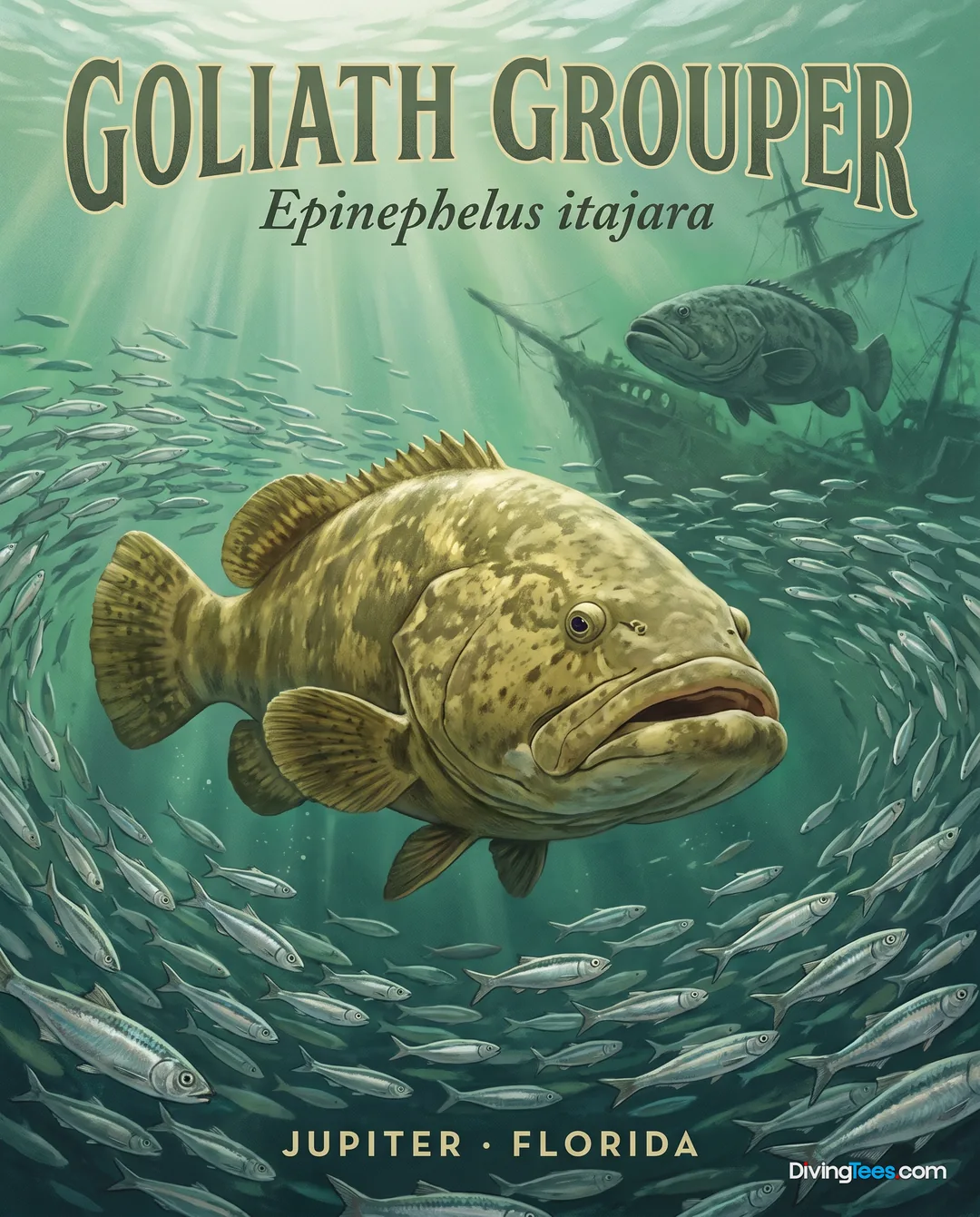
The resident marine life at Buyuk Magara is well-adapted to this sheltered, cavernous environment. Keep an eye out for giant moray eels, often found tucked into crevices or peering from hidden corners within the rock formations. Goliath groupers are also present, often holding their ground in the larger chambers, adding to the sense of scale within these underwater spaces. In the more secluded areas, you might spot coconut octopuses, camouflaged against the cave floor.
Current conditions at Buyuk Magara are typically moderate but can strengthen, particularly around the cave mouth during entry and exit. It is practical to plan your dive to counter the prevailing current on the way in, ensuring an easier return to the exit point. This approach conserves gas and reduces effort when moving out of the overhead environment. Visibility within the cave generally ranges from 25 to 35 metres, which is ample for navigating the chambers, although light diminishes in the deeper, inner sections.
The most striking characteristic of Buyuk Magara is the transition from the sunlit outer cliff to the deep-lying, darker chambers. This site requires a different approach than open-water diving, focusing on navigation skills, buoyancy control, and understanding the overhead environment. The interaction of light and shadow, combined with the scale of the chambers, makes this a distinctive experience for those comfortable with cavern and cave diving protocols.
This dive site is accessible from a minimum Advanced Open Water certification, with a recommended depth range of 12 to 22 metres. Current is moderate to strong, particularly near the cave mouth; planning your dive against the current on entry will simplify your exit. Visibility generally holds between 25 and 35 metres. The optimal season for diving Buyuk Magara is between April and June.
The optimal season for diving Buyuk Magara is between April and June. During this period, visibility generally holds between 25 and 35 metres. The site combines an open-water approach with a limestone cave system, so seasonal planning should also account for the moderate to strong current near the cave mouth.
Buyuk Magara is accessible from a minimum Advanced Open Water certification. The recommended depth range is 12 to 22 metres, while the main cave mouth sits around 18 metres. Because the dive enters an overhead environment with swim-throughs and interconnected chambers, you should be comfortable with navigation, buoyancy control, and cavern and cave diving protocols.
Buyuk Magara typically has moderate currents that can become strong, particularly near the cave mouth during entry and exit. Planning your dive against the prevailing current on the way in can make the return easier, conserve gas, and reduce effort when moving out of the overhead environment.
At Buyuk Magara, you can explore a large limestone cave system with interconnected chambers, swim-throughs, and cathedral-like spaces. Cracks and ceiling openings create columns of light, while deeper areas become darker. Giant moray eels, Goliath groupers, and coconut octopuses may be found among the caverns and sheltered areas.