Deepist Kaş Dalış Merkezi / Dive Center
Google 5/5 (707 reviews)
3.2 km away as the crow flies
Kas · Türkiye · Mediterranean
Max. depth · 33 mExplore a diverse maritime landscape featuring an ancient amphora field and the TCSG-119 patrol boat wreck.
For subtitles in English: start the video firstthen click the gearat the top right of the video, select “Subtitles/CC”, then “Auto-translate” and choose “English”.
The Neptun site, also known locally as Neptün–Üçkaya, is structured around a prominent rocky reef located off the coast of Cape Çondur. The topography begins with a shallow plateau that rises to approximately 8 metres, providing a relatively easy entry point for the upper section of the dive. As you move away from the crest, the reef structure transitions into a descent that covers several distinct ecological and historical zones. This underwater landscape is shaped by the geological features of the cape, creating a site that offers different experiences depending on your chosen depth.
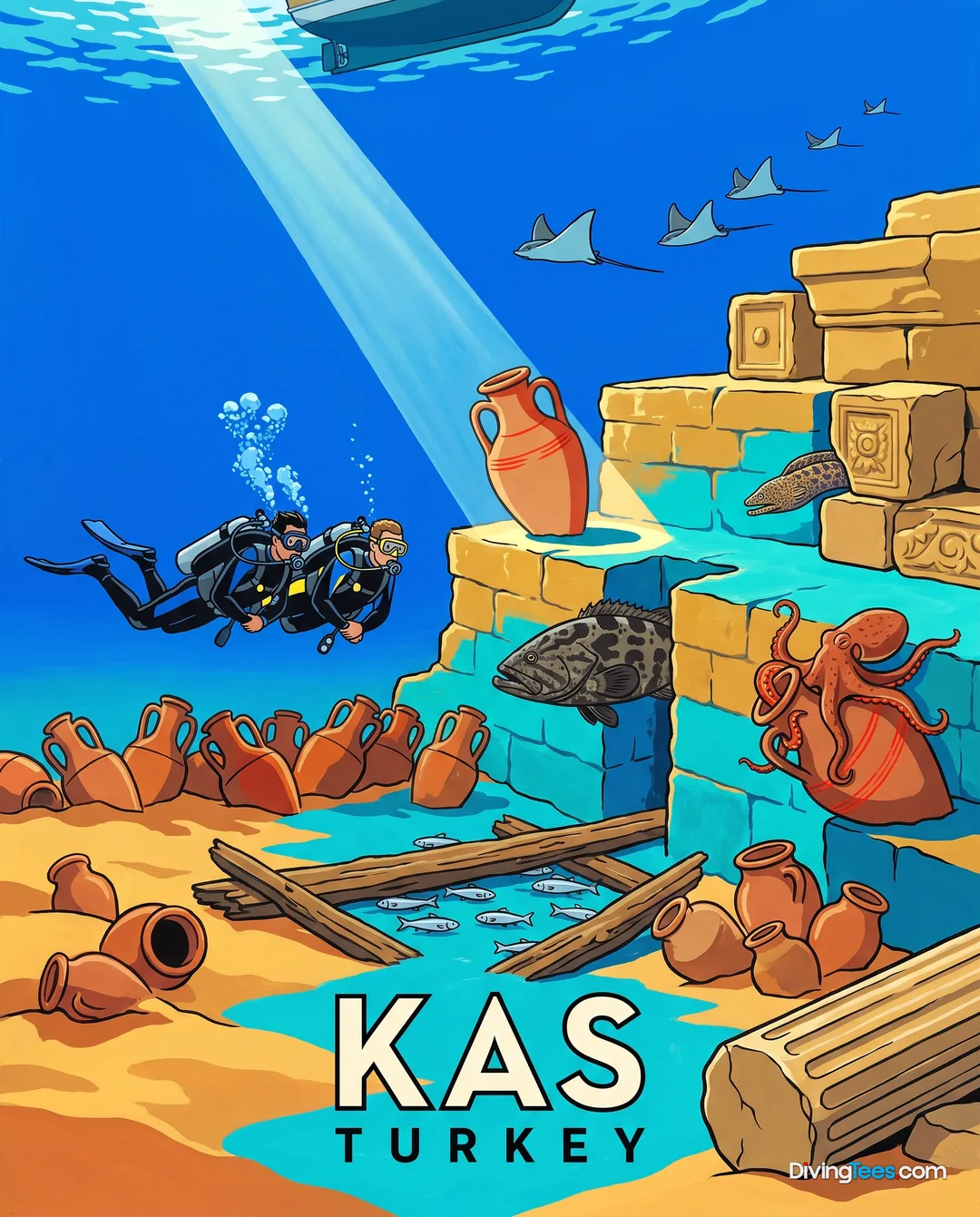
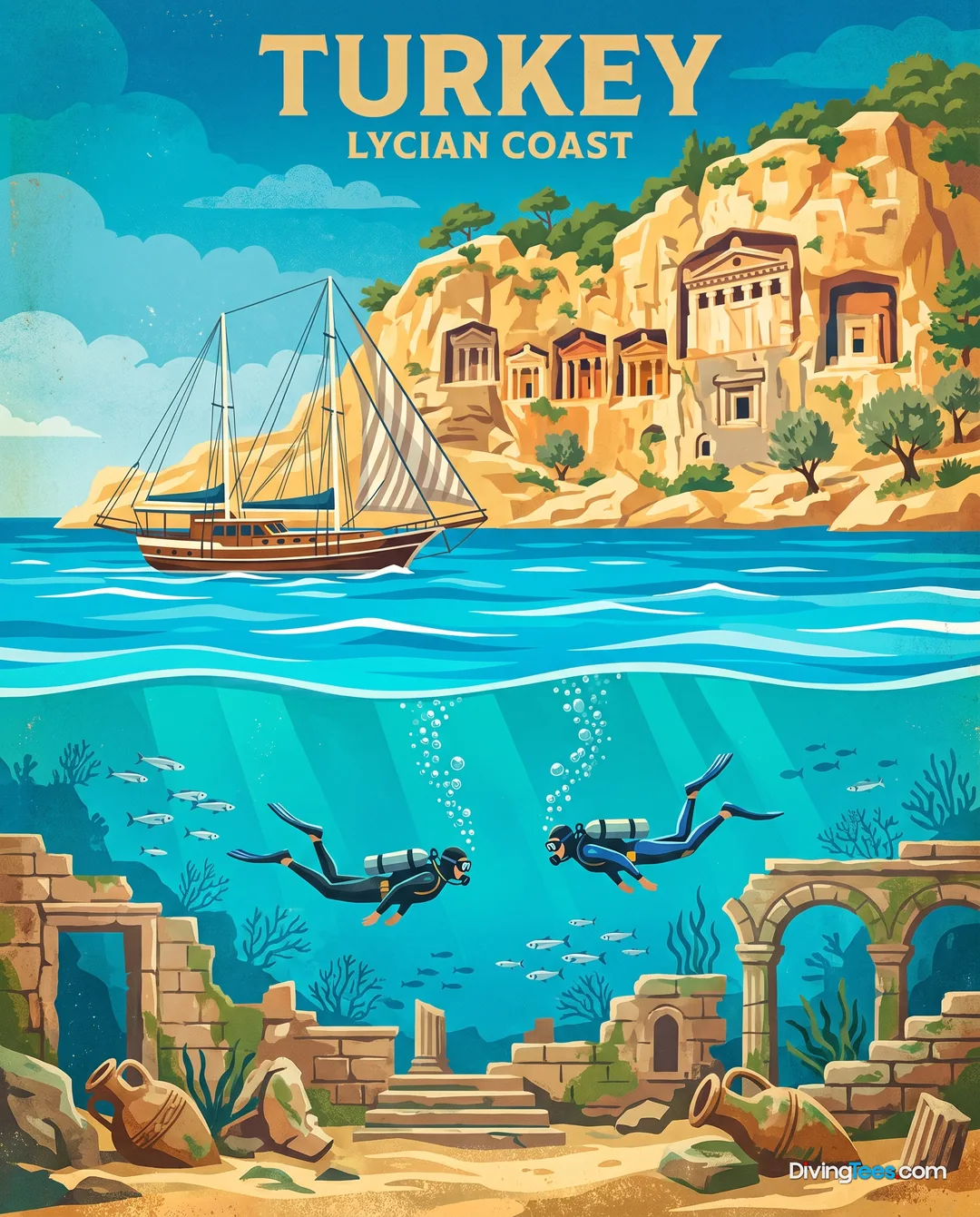
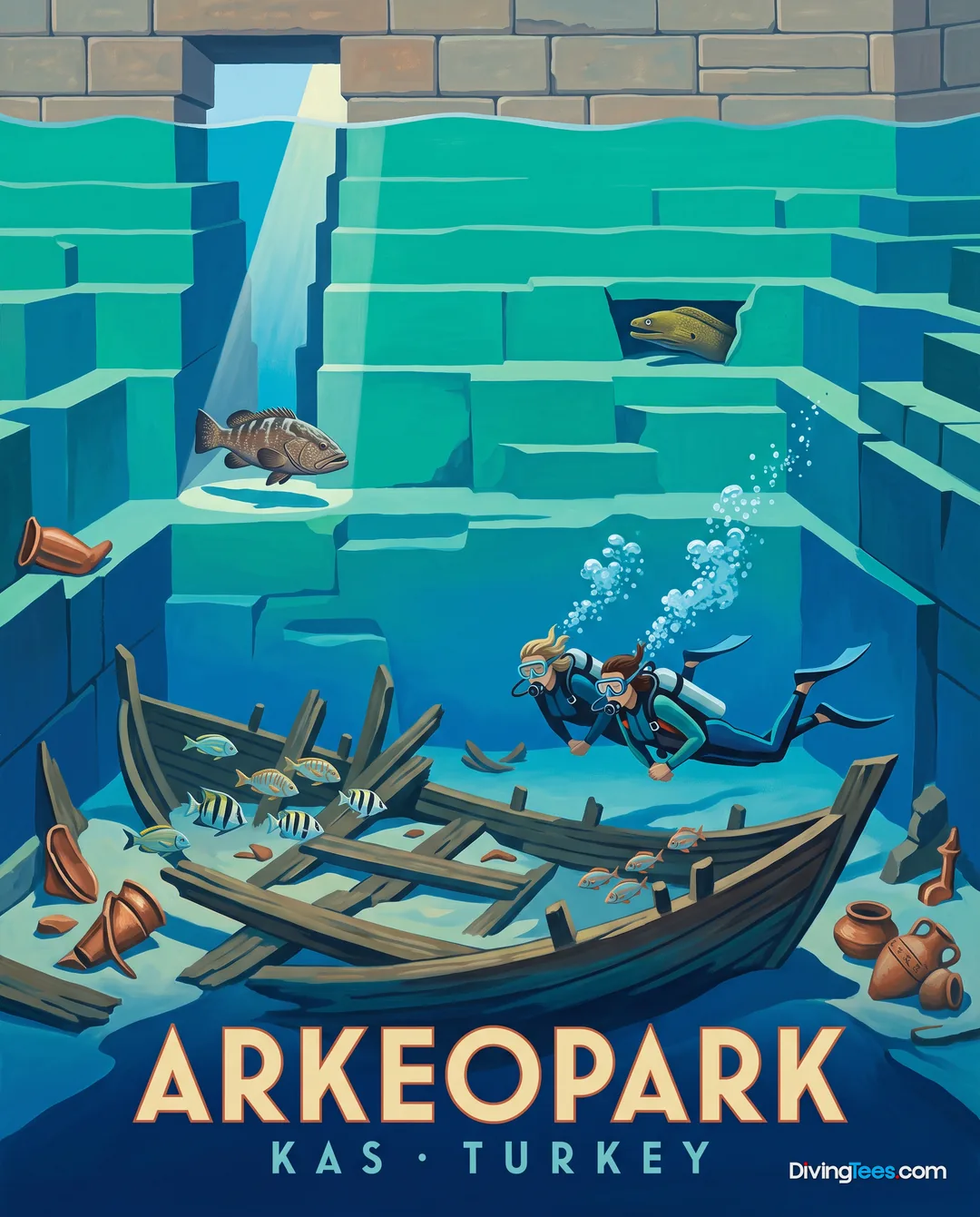
As you descend past the initial plateau, the southern slope of the reef begins to drop away more steeply. At approximately 20 metres, the terrain changes significantly as you enter a zone characterized by the presence of antique amphorae. This area provides a different kind of interest compared to the rocky upper reef, as the placement of these historical artifacts integrates into the natural seabed. Navigating this section requires careful buoyancy control to avoid contact with the archaeology while observing how the current interacts with the slope of the reef.
The deepest part of the site is defined by the presence of the TCSG-119, a Turkish patrol boat that lies on the seabed at around 33 metres. This wreck is situated on the coastal side of the reef, marking the deepest limit of the dive area. Reaching the wreck requires a controlled descent and a clear understanding of your gas management, as it sits well below the shallower reef sections. There is no fixed mooring line or permanent descent line at the wreck, meaning you must rely on your navigation skills and your buddy to maintain your position.
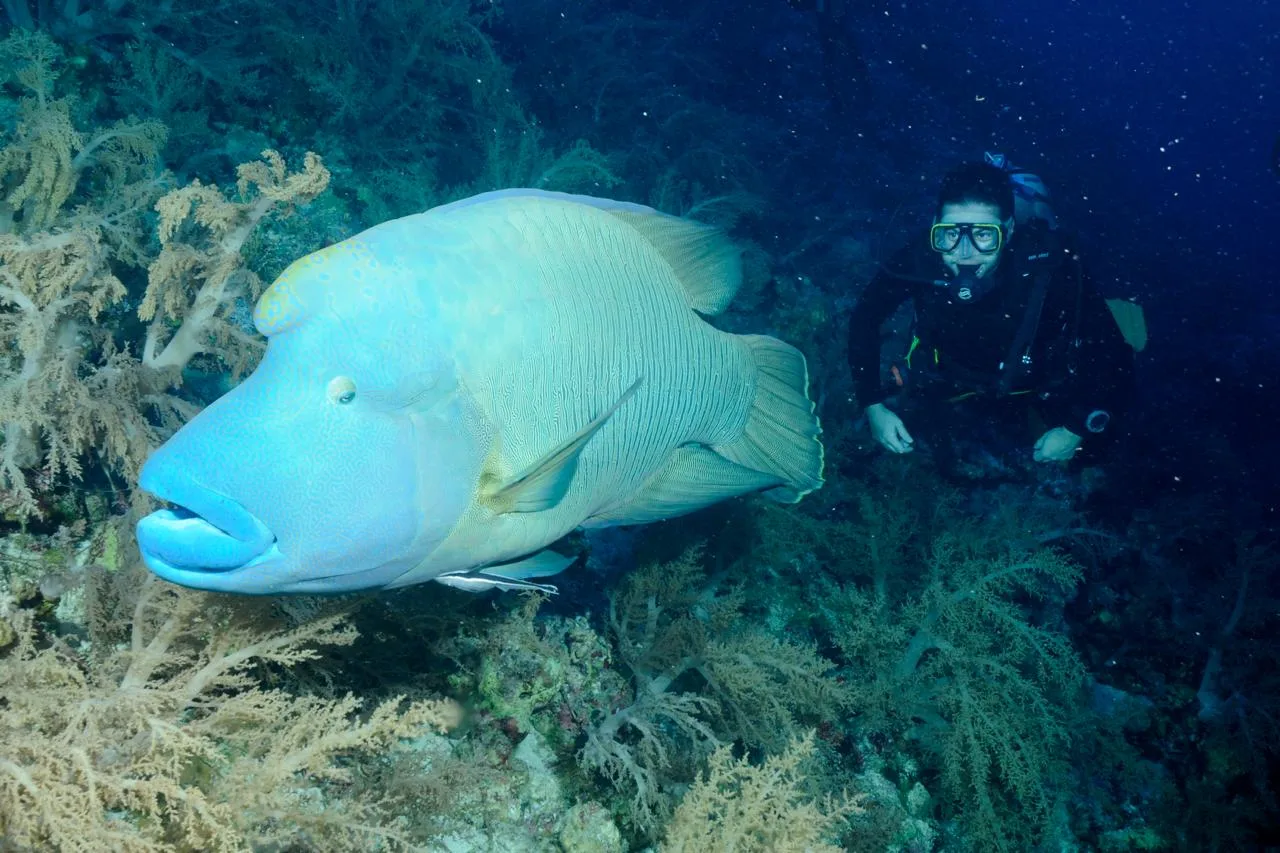
The marine life at Neptun is widely distributed across the different depth zones. In the shallower sections and around the rocky overhangs, you will frequently encounter wrasse, bream, and various damselfish. These species are highly active and often inhabit the immediate vicinity of the reef structure. Moving deeper or into more sheltered crevices, you can find larger grouper and moray eels patrolling the boundaries of the reef. The structural complexity of the rocks provides ideal habitats for these resident predators, making the reef a constant point of interest throughout the dive.
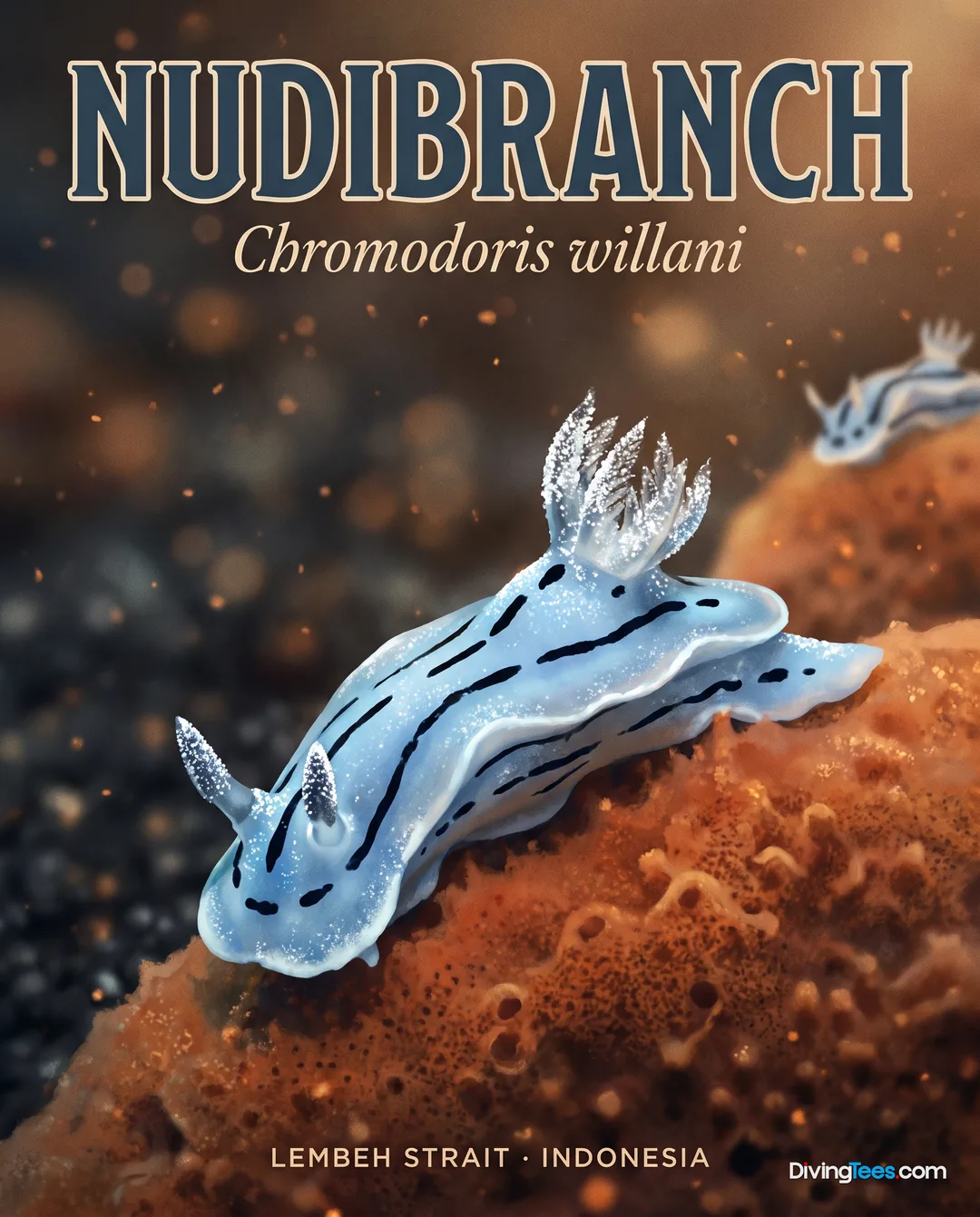
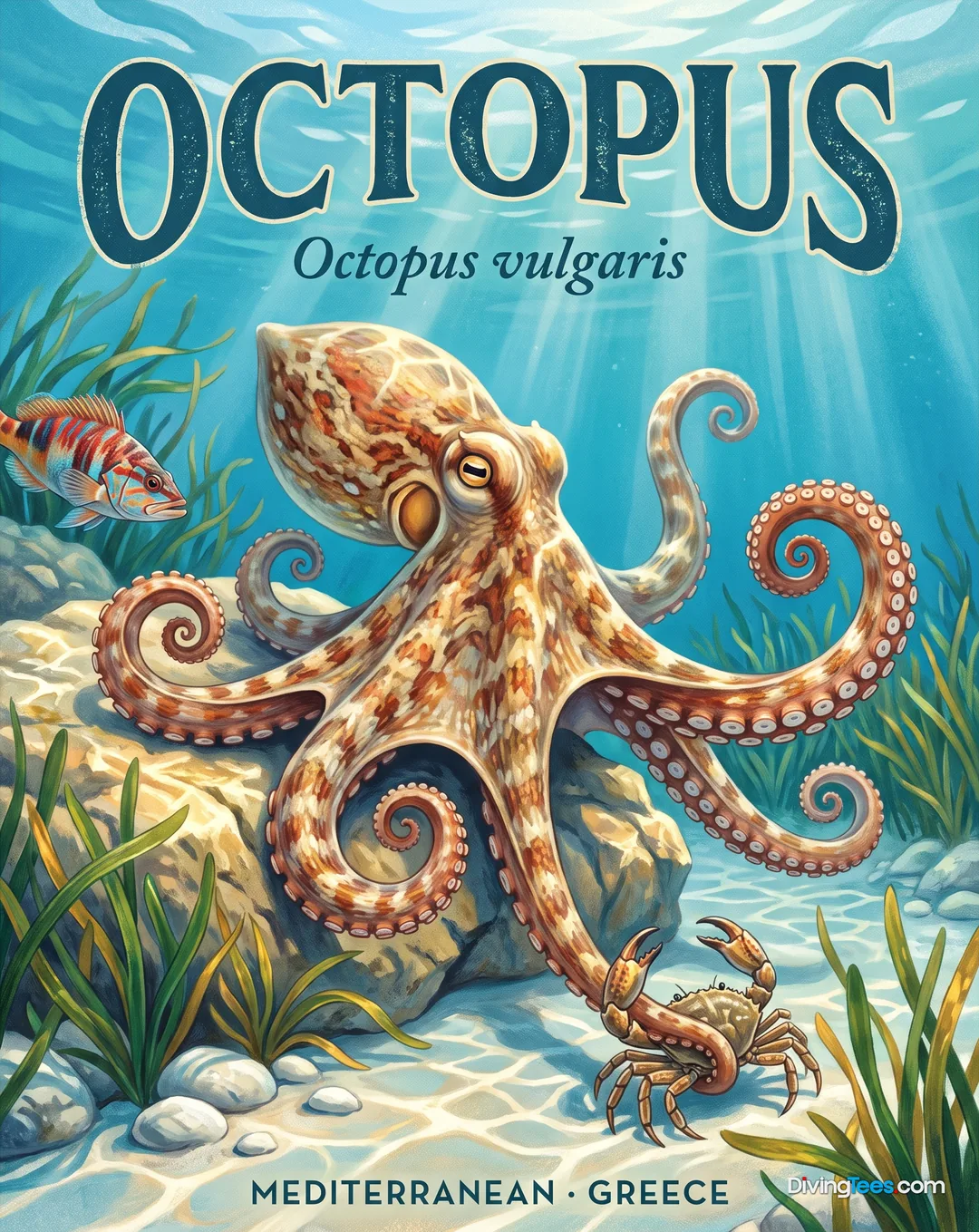
For those focusing on the smaller details of the reef, the site offers significant macro interest. Nudibranchs and various small crustaceans are common among the sponges and rocky textures of the plateau and the wall. These organisms require a slower pace and closer observation to spot. If you find yourself hovering near the reef edges or exploring the crevices of the southern wall, you are likely to encounter an octopus or other cephalopods blending into their surroundings. The variety of textures provided by the sponges makes this an excellent site for observing benthic life.
The environmental conditions at Neptun are heavily influenced by the position of the site near Cape Çondur. While the underwater currents are not always aggressive, the swell and wave action around the cape can affect the surface conditions and the ease of entry. The visibility is generally reliable, typically ranging between 20 and 30 metres, which allows for clear sightlines when moving between the shallow reef and the deeper wreck. Maintaining good visibility is key to navigating the transition from the amphorae zone down to the TCSG-119.
Planning a dive at Neptun requires a focus on the verticality of the site. You can choose to stay within the shallower, more biologically dense reef zones or commit to the deeper technical aspect of the patrol boat wreck. Because the site lacks a single, unified feature, the profile of your dive will depend on your objectives. Whether you are exploring the historical elements at 20 metres or the mechanical structure of the wreck at 33 metres, the site demands a methodical approach to depth and time management.
The site has a depth range of 8 to 33 metres. An Advanced level of certification is required, and deep diving experience is highly recommended for those intending to visit the TCSG-119 wreck at 33 metres. Visibility is typically between 20 and 30 metres. Current and surface conditions can vary based on the sea state around Cape Çondur. The best season for diving here is from May to November.
You can dive Neptun from May to November. Visibility is typically 20 to 30 metres. Because the site lies near Cape Çondur, current and surface conditions can vary with the sea state. Swell and wave action may also affect surface conditions and the ease of entry.
Neptun requires Advanced certification. Deep diving experience is highly recommended if you intend to visit the TCSG-119 wreck at 33 metres. The shallow plateau provides an easier entry to the upper section, but reaching the wreck requires controlled descent, gas management, navigation, and buddy awareness.
Neptun ranges from an upper rocky reef plateau at 8 metres to the TCSG-119 Turkish patrol boat wreck at 33 metres. An archaeological zone with antique amphorae lies at 20 metres. Your profile can remain on the reef, visit the amphorae, or continue to the wreck.
At Neptun, you can see resident grouper and moray eels among the rocky reef and crevices, along with wrasse, bream, and damselfish. Macro life includes nudibranchs and small crustaceans around sponges and rocky textures. With careful observation, you may also find an octopus or other cephalopods.