
Pleasure Divers Magnetic Island
Google 4.8/5 (293 reviews)
Australia · Pacific
Shallow wrecks, fringing coral reefs and sheltered bays make Magnetic Island a practical base for exploring the coast and the wider Great Barrier Reef.
For subtitles in English: start the video firstthen click the gearat the top right of the video, select “Subtitles/CC”, then “Auto-translate” and choose “English”.
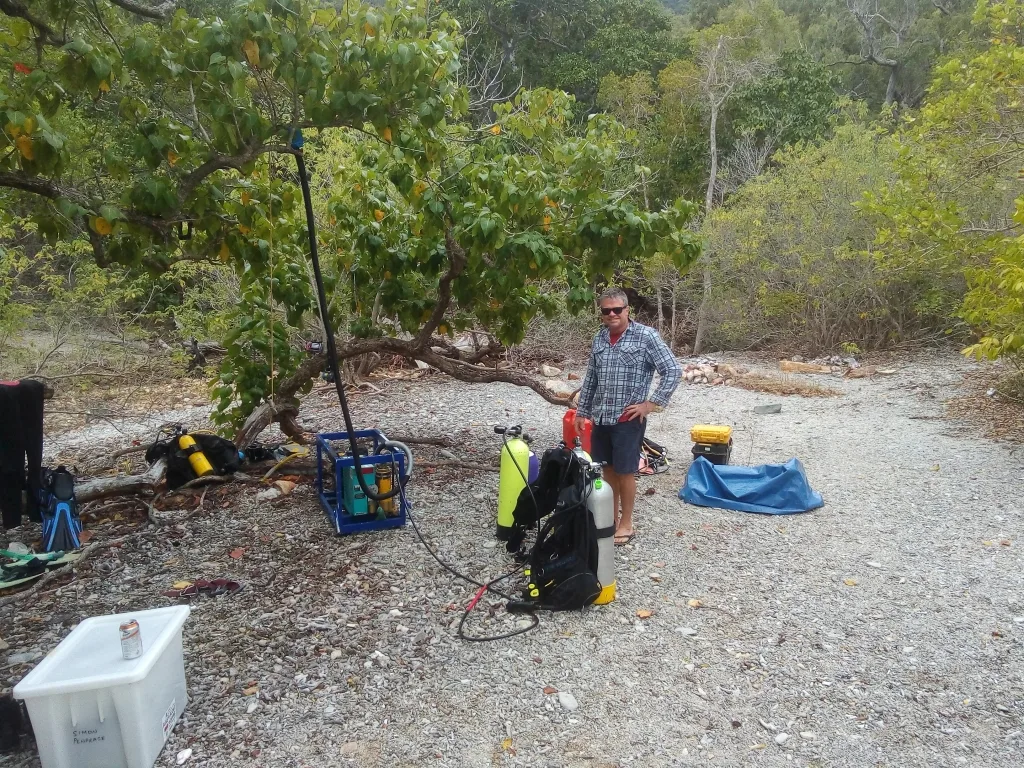
At Magnetic Island, a shallow wreck or maritime structure lies within reach of the shore, with a maximum depth of about six metres. Around it, fringing reefs run into the sheltered curves of Nelly, Geoffrey, Picnic, Florence and Arthur bays. This is a place for building a flexible land-based holiday rather than chasing one long offshore day after another. Shore dives, local boat trips and possible outings to the wider Great Barrier Reef fit naturally alongside walking, snorkelling and time in Magnetic Island National Park.
The diving is mostly shallow and coastal, with fringing reef rather than deep walls or dramatic offshore relief. Florence, Arthur, Nelly, Geoffrey and Picnic bays each respond differently to wind, tide and recent rain, so the usable site can change with the day. A shore dive on the wreck or structure is a navigation exercise as much as a sightseeing dive. With visibility often around five to fifteen metres, a diver can drift away from the feature without immediately realising it, particularly when returning to the surface is not the plan. Boat trips add access to local reefs and, from the Townsville region, to more distant Great Barrier Reef sites. Expect variable current rather than a guaranteed drift dive, and treat a safety stop as part of a planned return route.
What you meet underwater is the reef itself: shallow coral growth around the island’s bays, broken coastal structure and the compact wreck or maritime feature that can be reached from shore. The low depth leaves plenty of time to examine the terrain, but it also makes tide and wave action important, especially where coral becomes exposed near low water. Visibility can change quickly after rain or with wind-driven movement, turning a familiar-looking bay into a place where navigation matters. Magnetic Island is therefore more about close observation of fringing reef and coastal features than a promised wildlife calendar. Snorkellers can share the same bays when conditions are calm, while divers have the advantage of lingering over the shallow structure without committing to a full offshore itinerary.
May to November is the simplest window for combining diving, the ferry crossing and time ashore. The dry season generally brings fewer complications from rain, runoff, wind and swell, although conditions still vary between bays. During the rainy season and monsoon period, recent rainfall can reduce visibility and runoff can affect coastal sites, while tropical weather may disrupt boats and crossings. There is no need to rule out every other month, but a wet-weather plan matters more then. Leave room in the itinerary rather than treating a booked shore or boat dive as immovable.
Magnetic Island suits beginners on suitable shallow fringing reefs, as well as experienced divers who enjoy shore access and changing local conditions. An entry-level qualification from BSAC, PADI or SSI is appropriate for straightforward guided dives, provided the day’s wind, tide and visibility are acceptable. More experienced divers will get most from managing navigation around the shallow wreck or structure and adapting the choice of bay. The modest depth does not remove the need for good positioning, especially when visibility is poor and the site is easy to lose.
From London or Manchester, the journey involves reaching Townsville first, then taking a passenger ferry or vehicle ferry to Nelly Bay. The crossing takes roughly twenty to thirty minutes and is not optional, so allow a proper margin between flights, the harbour departure and any planned diving. Ferry times and the type of service should be checked before fixing the rest of the itinerary. Once on Magnetic Island, buses and taxis connect Nelly Bay with the other parts of the island, while a hire vehicle can make equipment and bay-hopping simpler. The useful question is not only where the accommodation is, but which bay and diving departure it serves.
Treat visibility as a daily decision, not a fixed feature of Magnetic Island. Check wind, tide and recent rain before choosing between Florence, Arthur, Nelly, Geoffrey and Picnic bays. Do not enter a fringing reef at low tide without checking the approach, because exposed coral makes access awkward and increases the chance of contact. For the shallow wreck or structure, take a clear surface reference and plan the return before leaving the entry point. Reduced visibility can let a diver drift off the feature unnoticed. Keep ferry timings separate from the dive plan, with a spare day when a boat trip or flight connection matters. Do not assume that being in the Great Barrier Reef region means clear offshore-style water here. Finally, distinguish local Magnetic Island outings from trips to distant reefs or the Yongala wreck, which involve different departures and a different kind of day.
A four- to seven-day stay gives enough flexibility for a ferry crossing, a wind-affected boat trip and a change of plan when visibility disappoints. Base yourself around Nelly Bay or another suitable part of the island, then use buses, taxis or a vehicle to reach the chosen bay. Keep at least one day for walking in Magnetic Island National Park, coastal viewpoints, snorkelling or a boat outing. The island works best when diving shares the itinerary with its beaches, bays and inland tracks.
Hello, I'm Marina, DivingDeal.com's AI assistant. I guide you through destinations, areas and countries.
Thinking about the whole trip and the flights? Talk it over with Edith →
Marina is an AI. Some links are affiliate links: DivingDeal may earn a commission, at no extra cost to you. Bookings are made with the partner.
May through November is the simplest window for combining diving, ferry travel and time ashore. The dry season generally brings fewer complications from rain, runoff, wind and swell, although conditions still vary between bays. During wetter periods, recent rainfall may reduce visibility, affect coastal sites and disrupt boats or crossings, so keep your itinerary flexible.
Magnetic Island suits beginners on suitable shallow fringing reefs and experienced divers who enjoy shore access and changing local conditions. An entry-level BSAC, PADI or SSI qualification is appropriate for straightforward guided dives when wind, tide and visibility are acceptable. Experienced divers can focus on navigation around the shallow wreck or structure and choosing the right bay.
You can explore shallow coral growth around sheltered bays, broken coastal structure and a compact wreck or maritime feature reachable from shore. Fringing reefs occur around Florence, Arthur, Nelly, Geoffrey and Picnic bays. Visibility is often limited, so the experience centres on close observation, navigation and examining coastal terrain rather than a promised wildlife calendar.
Reach Townsville first, then take a passenger or vehicle ferry to Nelly Bay, allowing a proper margin before diving. Check wind, tide and recent rain daily, and keep plans flexible. Buses, taxis or a hire vehicle help with bay access. A four- to seven-day stay allows room for changing conditions, walking, snorkelling and boat outings.