
Abyss Scuba Diving
Google 4.9/5 (1,379 reviews)
Australia · Pacific
Kelp reefs, sponge gardens, Port Jackson sharks and harbour wrecks sit alongside shore dives and exposed boat sites around a working Australian city.
For subtitles in English: start the video firstthen click the gearat the top right of the video, select “Subtitles/CC”, then “Auto-translate” and choose “English”.
Sydney puts temperate diving within reach of an active city. A morning can mean a sheltered shore entry in the harbour, followed by a boat trip to kelp, sponge gardens, a drop-off or a wreck outside it. Port Jackson sharks, cuttlefish and nudibranchs provide the close-up interest, while the coastline and harbour give non-divers plenty to do. It is a shore-based holiday rather than a liveaboard destination, with enough variety to justify staying for a full week or more.
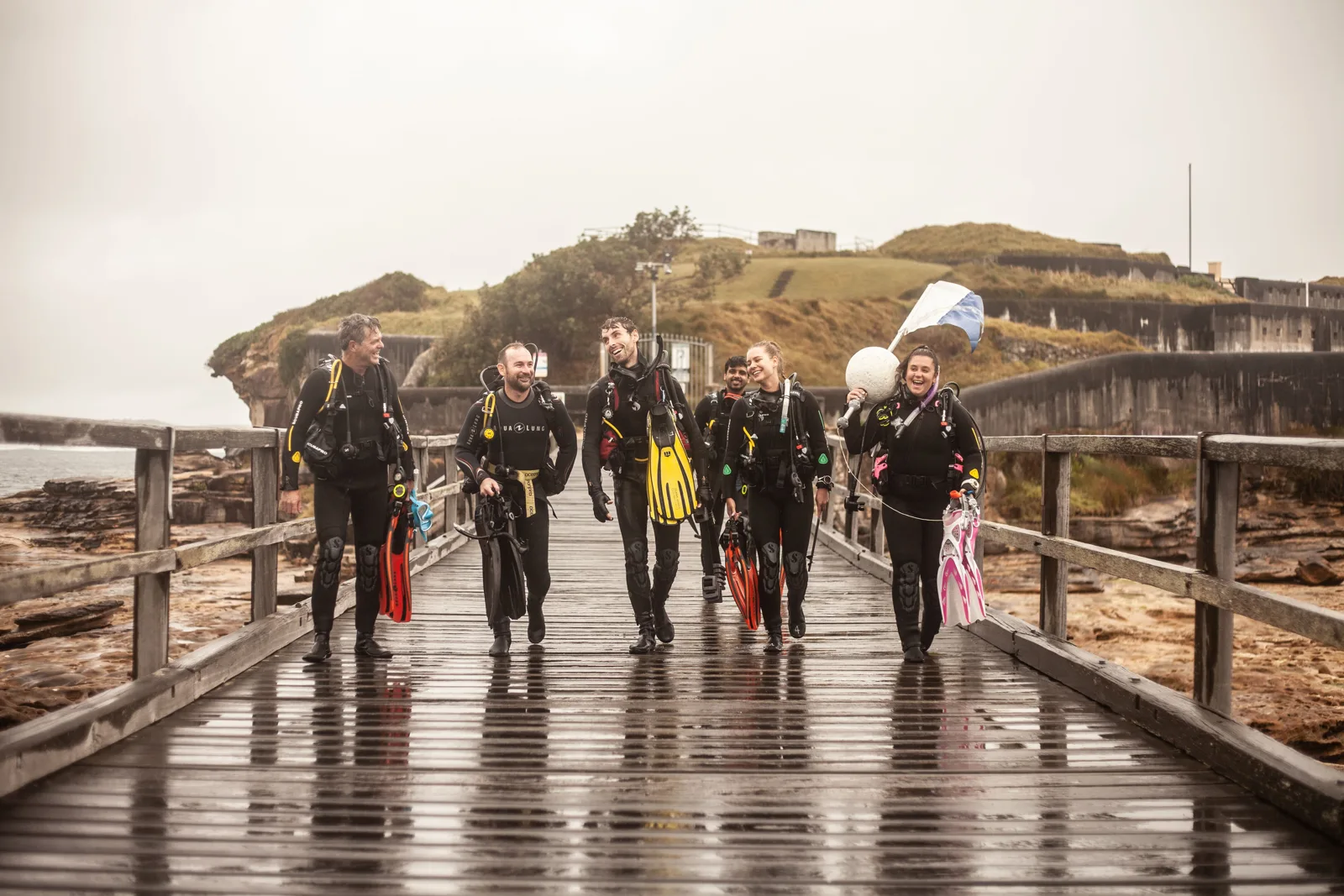
The diving alternates between sheltered harbour sites and more exposed coastal water. From shore, expect rocky entries, shallow ledges, overhangs, caves and dark harbour corners where macro life rewards slow movement and a small torch. Boat trips open up kelp reefs, sponge gardens, drop-offs and wrecks, but swell, wind and visibility matter far more outside the harbour. Currents are variable rather than a constant feature, so a planned profile can change with local conditions. Visibility commonly sits between five and twenty metres, with the lower end more likely in the harbour or after heavy swell and run-off. The harbour can feel calm at the surface while commercial traffic remains a serious consideration. Offshore dives may offer clearer water, but they also need a workable weather window. This is not a destination where one visibility report describes every site.
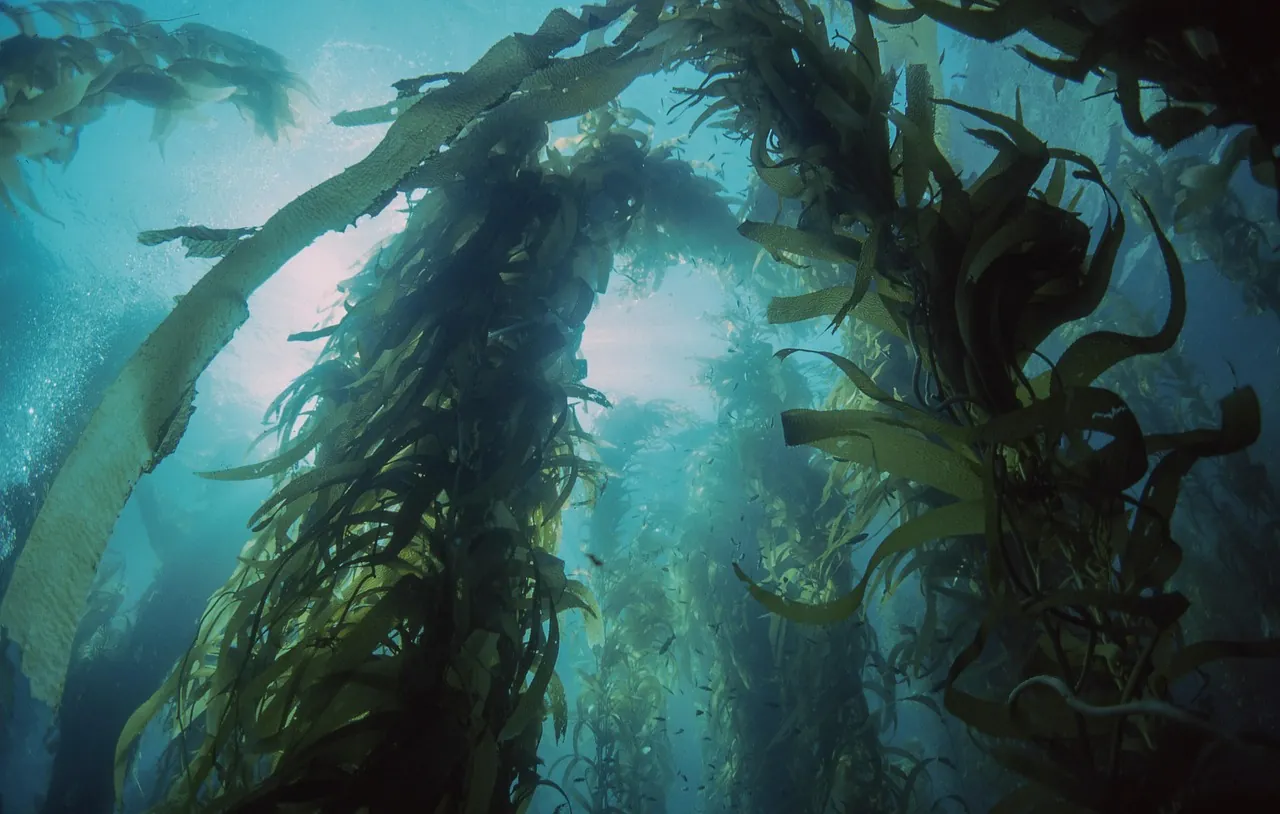
Sydney’s appeal is its temperate wildlife rather than a tropical checklist. Port Jackson sharks are a regular possibility, particularly in winter and early spring, and giant Australian cuttlefish occur throughout the year, with more conspicuous cold-season gatherings on some sites. Leafy seadragons are present, but finding one depends on choosing the right habitat and searching carefully rather than swimming quickly across a reef. Grey nurse sharks occur on relevant sites year-round, with groupings that vary. From December to May, young tropical fish may arrive as occasional visitors carried by the East Australian Current. Humpback whales are an occasional winter sight from the surface or shore, not something to build a dive plan around. Kelp, sponges, nudibranchs and harbour macro life make patience more valuable than chasing large animals.
October to April is the practical all-round window, when warmer conditions generally support boat outings and more active wildlife, including occasional young tropical fish from December to May. Winter is not a shut-down season. It can bring flatter seas and notably clearer water on particular reefs, as well as the stronger chance of Port Jackson sharks and cold-season cuttlefish gatherings. The trade-off is a greater need for thermal protection and flexibility between exposed and sheltered sites. There is no single best month across Sydney, because harbour visibility, offshore swell and run-off can move independently. Plan around the type of diving you want, not simply the calendar.
Beginners can start with suitable sheltered shore sites, but a beach entry, harbour traffic or sudden swell can make a site inappropriate on the day. Advanced Open Water is useful for deeper drop-offs, wrecks and more demanding profiles. Wreck speciality training is appropriate for wreck diving and any supervised penetration. A 5 to 7 mm full suit suits most visitors, with hood and gloves particularly useful in winter or during repeated dives. Experience with shore entries and changing visibility is more important than chasing a particular animal.
From London Heathrow, Gatwick or Manchester, allow roughly 22 to 30 hours overall, depending on the connection and any onward sector. Sydney’s international and domestic airport links into the city, and no internal flight is needed for diving within the metropolitan area. Once there, the practical challenge is not reaching one resort but crossing an extended urban coastline. Harbour departures may involve public transport or a ferry, while shore sites are easier with a car, taxi or a carefully planned urban journey. Boat diving requires reaching the relevant harbour departure point, and weather can alter the sailing day. Allow time for traffic, beach parking and the distances between separate launch areas rather than assuming that nearby-looking sites sit close together.
Do not use the harbour’s visibility as a promise of what lies offshore, or vice versa. After swell or run-off, check the actual site before committing, especially where a coastal entry and exit have only a narrow safe window. For a first dive, settle into an abrité shore site or a lightly exposed local boat trip before booking a deeper wreck or outer reef. In the harbour, stay exactly within the local entry, exit and signalling arrangements, and never drift towards a shipping lane. A compact torch earns its place under ledges, in cavities and in the dimmer harbour water. Weekday early starts reduce both parking problems and crowding at popular shore sites. Build spare days into an offshore programme, then keep the final day dry before flying home. Bring a genuine temperate-water suit even in the warmer months, because repeated dives and long surface intervals do not remove the need for thermal protection.
Base yourself in the wider Sydney area and treat the stay as a series of local outings rather than a resort transfer. Mix shore dives with boat days so one spell of swell does not erase the programme. A seven to ten-day stay allows repeated harbour dives, selected offshore trips, weather margin and time to cross different coastal sectors. Keep a non-diving day for ferries, harbour walks, museums, beaches or the Sydney Harbour National Park, which also gives a non-diving companion a proper holiday.
Hello, I'm Marina, DivingDeal.com's AI assistant. I guide you through destinations, areas and countries.
Thinking about the whole trip and the flights? Talk it over with Edith →
Marina is an AI. Some links are affiliate links: DivingDeal may earn a commission, at no extra cost to you. Bookings are made with the partner.
October to April is the practical all-round window, with warmer conditions supporting boat outings and occasional young tropical fish from December to May. Winter can bring flatter seas, clearer water on particular reefs, Port Jackson sharks and cold-season cuttlefish gatherings, but you need stronger thermal protection and flexibility.
Beginners can use suitable sheltered shore sites, although rocky entries, harbour traffic and sudden swell require careful daily decisions. Experience with shore entries and changing visibility matters. Advanced Open Water is useful for deeper drop-offs, wrecks and demanding profiles, while wreck diving requires appropriate speciality training and supervised penetration.
Sydney offers temperate wildlife and habitats rather than a tropical checklist. You may encounter Port Jackson sharks, giant Australian cuttlefish, leafy seadragons, grey nurse sharks and occasional young tropical fish. Kelp reefs, sponge gardens, nudibranchs, rocky ledges, caves, overhangs, harbour macro life, drop-offs and wrecks reward patient observation.
Base yourself in the wider Sydney area and combine shore dives with boat days, so swell does not erase the programme. Allow time for traffic, parking and travel between coastal sectors, and build spare days into offshore plans. A full week or more supports repeated harbour dives, selected offshore trips and weather margin.