
Diveaway Fiji Ltd
Google 4.8/5 (282 reviews)
Fiji · Pacific
Soft corals, grey reef sharks, eagle rays and reef passages shape Beqa Lagoon, with guided bull shark encounters adding a very different kind of dive.
For subtitles in English: start the video firstthen click the gearat the top right of the video, select “Subtitles/CC”, then “Auto-translate” and choose “English”.
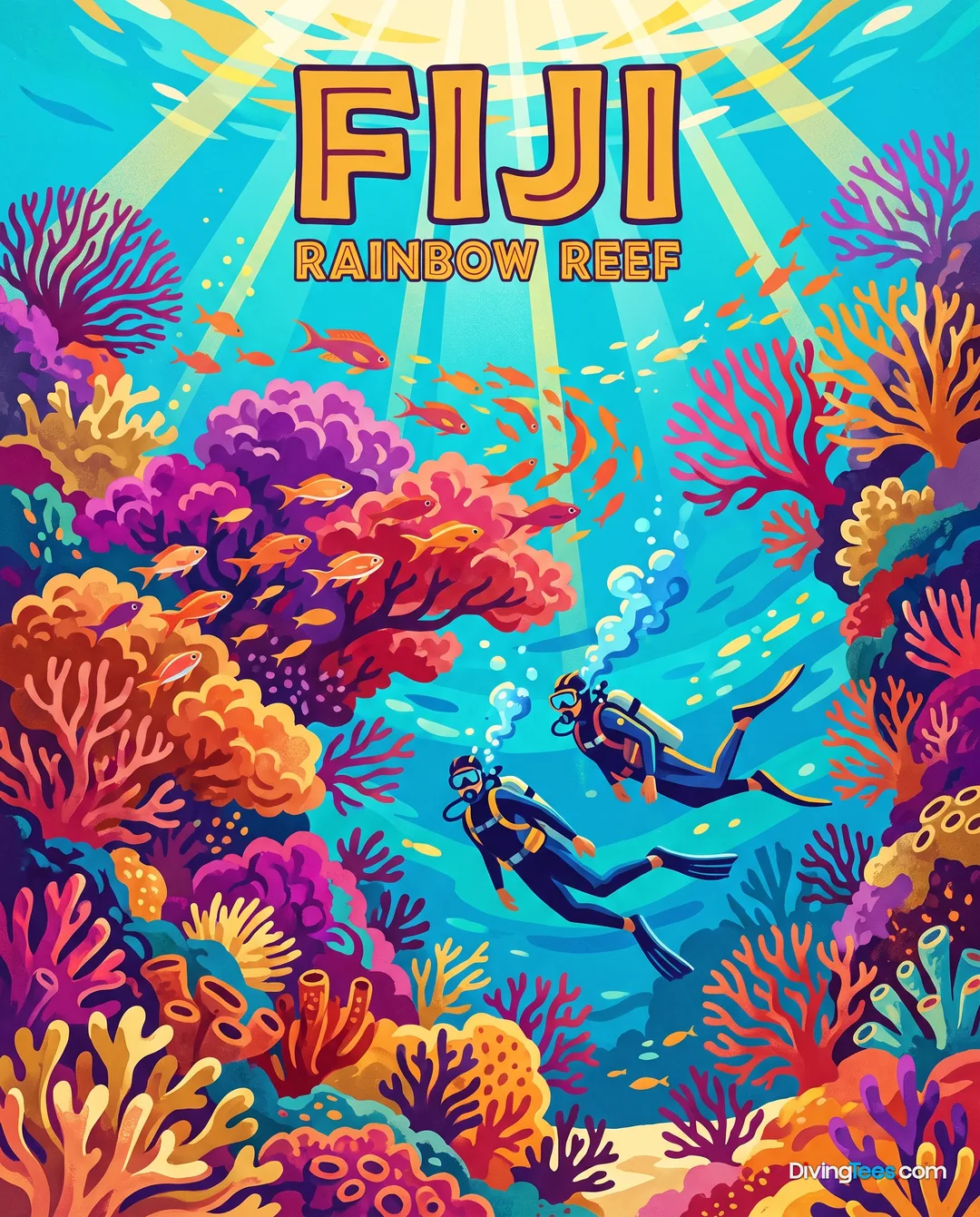
Soft corals cover the reefs of Beqa Lagoon, while passages, drop-offs and shark sites give the diving a distinctly varied shape. The destination works from two practical bases, Pacific Harbour on Viti Levu or the island of Beqa itself, reached by boat. A guided dive in the Shark Reef Marine Reserve brings regular encounters with bull sharks and other reef sharks, but the lagoon is not just a shark venue. Reef dives, current-swept sites, wrecks and easier areas around Beqa make room for different levels of experience.
Most diving is by boat, over reefs, passages, drop-offs, wrecks and dedicated shark sites. Some outings are relatively straightforward around Beqa, while exposed sites can develop a brisk, changeable current. That makes a drift dive part of the attraction, but also means listening carefully to the briefing, keeping the group together and allowing for a downcurrent exit where planned. Visibility commonly falls between fifteen and thirty metres, with tides, rain, currents and nearby river mouths all able to alter the view. The dry season generally gives the clearest conditions for photographing sharks and drop-offs. Deeper drop-offs suit divers with suitable experience, while Advanced Open Water training is useful rather than automatically essential. Boats dominate the programme, although some Beqa accommodation offers access to a house reef from the beach.
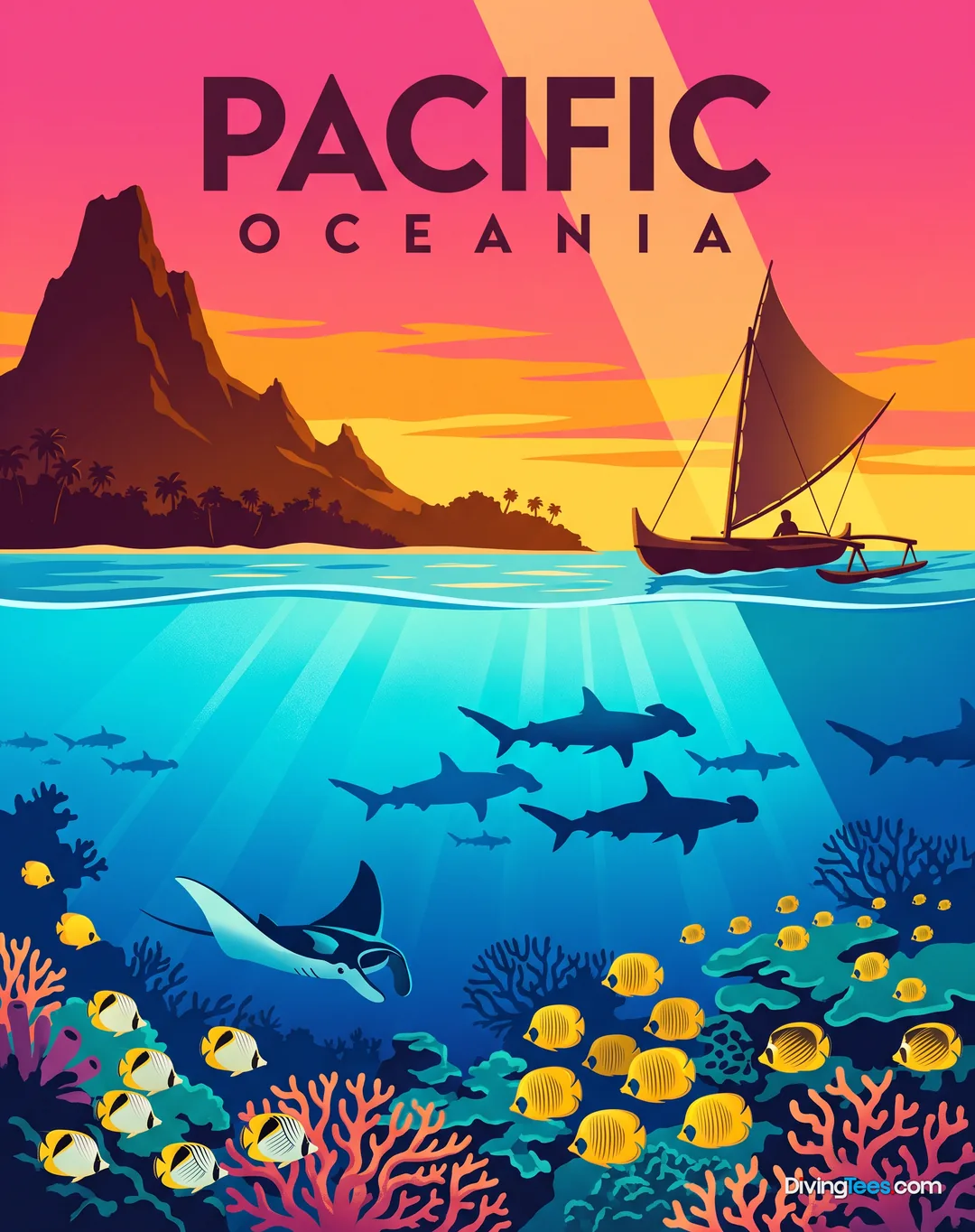
Bull sharks are the headline encounter, and guided shark dives can produce them throughout the year. Grey reef sharks patrol sites exposed to current, while nurse sharks and whitetip and blacktip reef sharks add variety across the lagoon. Tiger sharks are an occasional possibility on the guided shark dives rather than a dependable sighting. Eagle rays may pass over the reefs, and from June to September baitfish and larger predators have a better chance of turning up. The reef itself carries plenty of life in soft and hard corals, with shoals of fish and regular nudibranchs. The latter become especially rewarding when reduced visibility slows the dive down and shifts attention from distant action to the reef surface.
May to October is the sensible window when clear water and calmer seas matter most, with visibility often particularly favourable from July into December. These months suit shark photography, drop-offs and current-exposed reefs because the boat schedule is less vulnerable to rougher conditions. January to March falls in the rainy season and carries greater cyclone disruption, with heavier showers, humid heat and more chance of a cancelled outing. It is quieter then, but the saving in crowding comes with a real trade-off. Sharks remain present all year, so the dry season is about better working conditions rather than exclusive wildlife.
General reef diving suits all levels, including divers returning to the water who are comfortable with a boat programme and changing conditions. Advanced Open Water is useful for deeper drop-offs, while Drift Diver training or equivalent experience helps on current-exposed sites. Shark diving is guided and specialised, so the local briefing and any stated requirements matter more than assuming that a general qualification covers every format. Divers should be prepared for a proper safety stop and for conditions to differ markedly between neighbouring sites.
From London Heathrow, London Gatwick or Manchester, the journey continues to Fiji and then overland to Pacific Harbour. From Nadi airport, allow about two and a half hours by road; from Suva airport, the road journey is about one and a half hours. Pacific Harbour is the staging point for the compulsory boat crossing to Beqa, which takes roughly forty-five minutes. Arrange that crossing with the accommodation or diving operation, rather than treating it as a turn-up-and-go ferry. Once on Beqa, boat departures may be arranged from the accommodation or beach. On the mainland, allow for transfers to the local port or departure point. The crossing is not a night service, so connections need daylight and spare time.
Book the Beqa boat transfer at the same time as the stay, and leave a full buffer before an international flight. A final dive followed by a rushed crossing is a poor plan, particularly because night departures are not part of the normal arrangement. Ask before booking whether the diving starts from Beqa or Pacific Harbour: that single detail changes the crossing pattern, boat time and amount of mainland transport. Build the trip around both a shark dive and ordinary reef diving, because the Shark Reef Marine Reserve does not show the lagoon’s passages, drop-offs, wrecks and coral scenery on its own. If photography is the priority, favour the dry season. Bring specialist camera accessories and any unusual rental sizes you need, rather than assuming they will be available locally. In the lower season, accept that quieter boats come with a greater chance of weather disruption. Do not treat visibility or current as fixed, even on a familiar route.
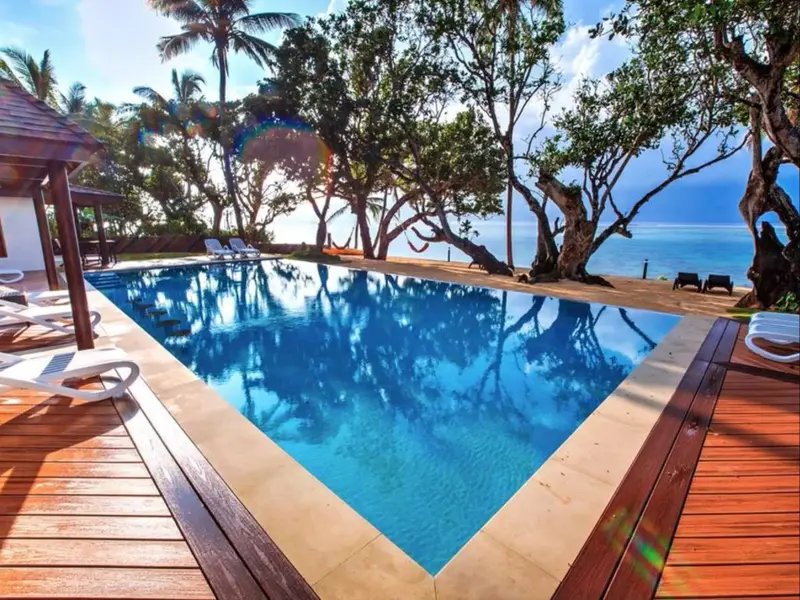
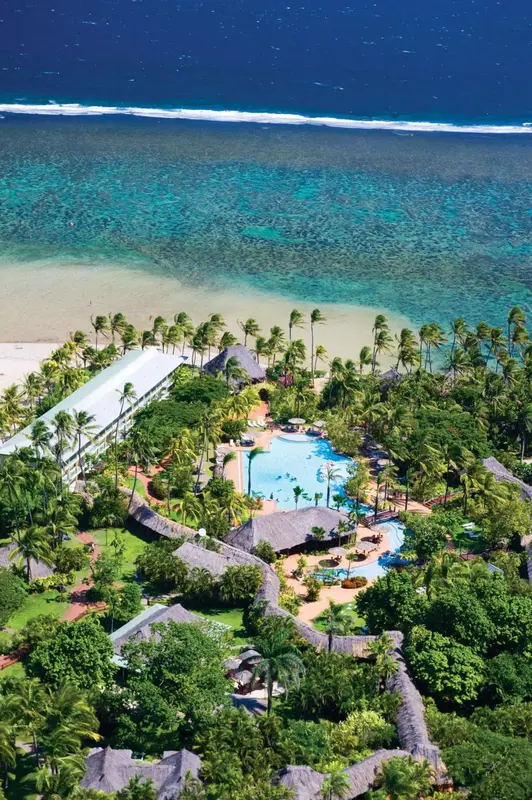
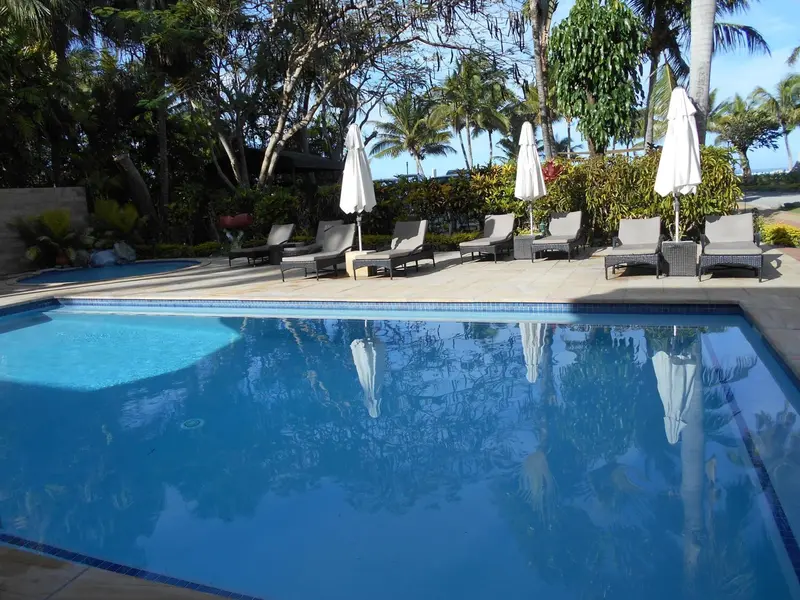
Beqa Lagoon is best organised as a shore-based stay of roughly seven to ten days, either on Beqa or in Pacific Harbour. That gives room for reef boats, a guided shark dive, easier house-reef time and a weather or transfer reserve. An island stay adds the boat crossing but places some diving close to the beach; Pacific Harbour removes that daily island commitment and works as the mainland base. Non-divers have beaches, snorkelling, water activities, village and cultural visits, and excursions around the south coast of Viti Levu.
Hello, I'm Marina, DivingDeal.com's AI assistant. I guide you through destinations, areas and countries.
Thinking about the whole trip and the flights? Talk it over with Edith →
Marina is an AI. Some links are affiliate links: DivingDeal may earn a commission, at no extra cost to you. Bookings are made with the partner.
May to October is a sensible window when clearer water and calmer seas matter most, while visibility is often favourable from July into December. January to March brings rainy-season conditions, heavier showers, humidity and greater cyclone disruption. Sharks remain present throughout the year, so seasonal timing mainly affects visibility, sea conditions and boat reliability.
General reef diving suits divers of all levels, including those returning to the water who are comfortable with boat diving and changing conditions. Advanced Open Water experience is useful for deeper drop-offs, while Drift Diver training or equivalent experience helps on current-exposed sites. Guided shark diving is specialised, so follow the local briefing and stated requirements.
Beqa Lagoon offers soft and hard corals, reef fish, nudibranchs, passages, drop-offs and wrecks. Guided shark dives can bring bull sharks throughout the year, along with grey reef, nurse, whitetip and blacktip reef sharks. Eagle rays may cross the lagoon, while tiger sharks are an occasional possibility and seasonal baitfish can attract larger predators.
Choose Pacific Harbour or Beqa as your base, then arrange the boat crossing with your accommodation or diving operator rather than relying on an informal ferry. Build in daylight connections, spare time before flights and a weather reserve. Combining guided shark diving with ordinary reef dives gives you access to the lagoon’s varied sites and scenery.