
Abyss Nouméa
Google 4.7/5 (85 reviews)
22 km away as the crow flies
Noumea · New Caledonia · Pacific
Max. depth · 30 mBoulari Pass offers a dynamic drift dive through a barrier reef channel near Noumea, where mantas frequent cleaning stations and pelagics patrol deeper slopes.
Diving Boulari Pass means entering a significant cut through the barrier reef south of Noumea, a channel where the ocean meets the lagoon. The pass itself is a complex topography of outer reef slopes exposed to open ocean conditions and more sheltered inner sections. Your descent often begins over these outer slopes, which drop into deeper water, while the inner areas provide calmer reef formations. This geographical layout means the experience can vary significantly depending on the specific dive plan, whether you're exploring a shallow reef or tackling a current-swept plateau.
The heart of Boulari Pass features a central plateau, typically around 10–12 metres deep, which acts as a natural aggregation point for marine life. This plateau is consistently current-swept, making it ideal for drift diving. It's here you'll find designated manta cleaning stations, such as Manta Ray Reef, where reef manta rays are frequently observed. The drift across this section allows for extensive observation, moving you past corals that thrive in the nutrient-rich flow. Maintaining good buoyancy and situational awareness is essential to stay with the group and manage the pace of the drift.
Beyond the central plateau, Boulari Pass offers a variety of distinct dive environments. Reefs and bommies, locally known as Tabou and Sournois, rise from depths of 3 to 18 metres, forming intricate coral ridges. These areas often serve as high-traffic zones for smaller reef fish and concentrate marine life, providing opportunities for slower, more detailed exploration. The contrast between these sheltered reef patches and the open, current-exposed plateau defines much of the diving experience within the pass, offering a spectrum of conditions and encounters.
One of the standout features of Boulari Pass is the wreck of La Dieppoise. Resting on sand at approximately 26 metres, this wreck lies between Boulari and Amédée Islet, surrounded by natural reef structures. Diving La Dieppoise adds another dimension to the pass, providing a focal point for macro life and an artificial reef that attracts larger species. The depth requires careful bottom time management, and the proximity to the main pass means you should always be mindful of potential currents, even when exploring the relative shelter of the wreck.
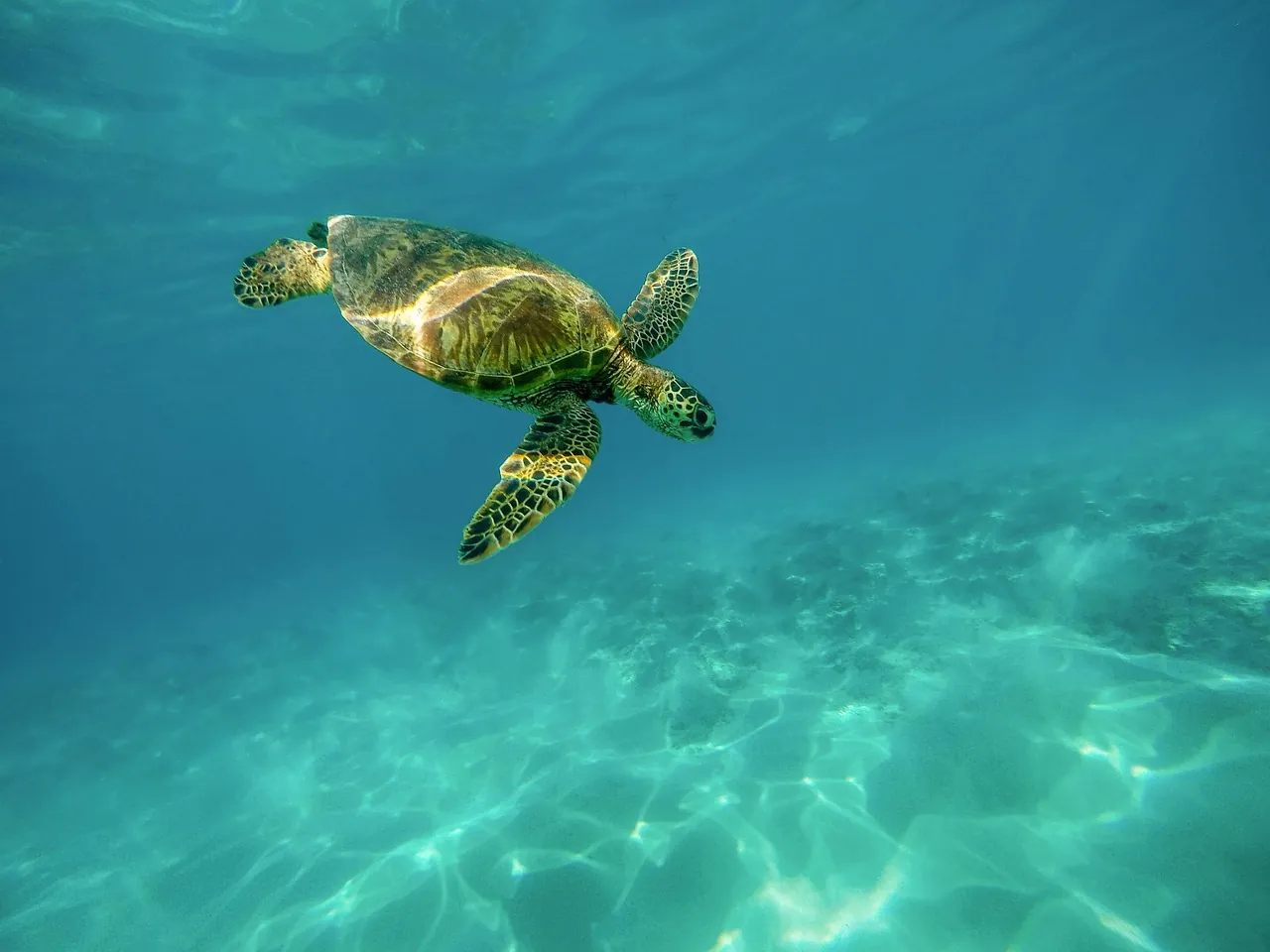
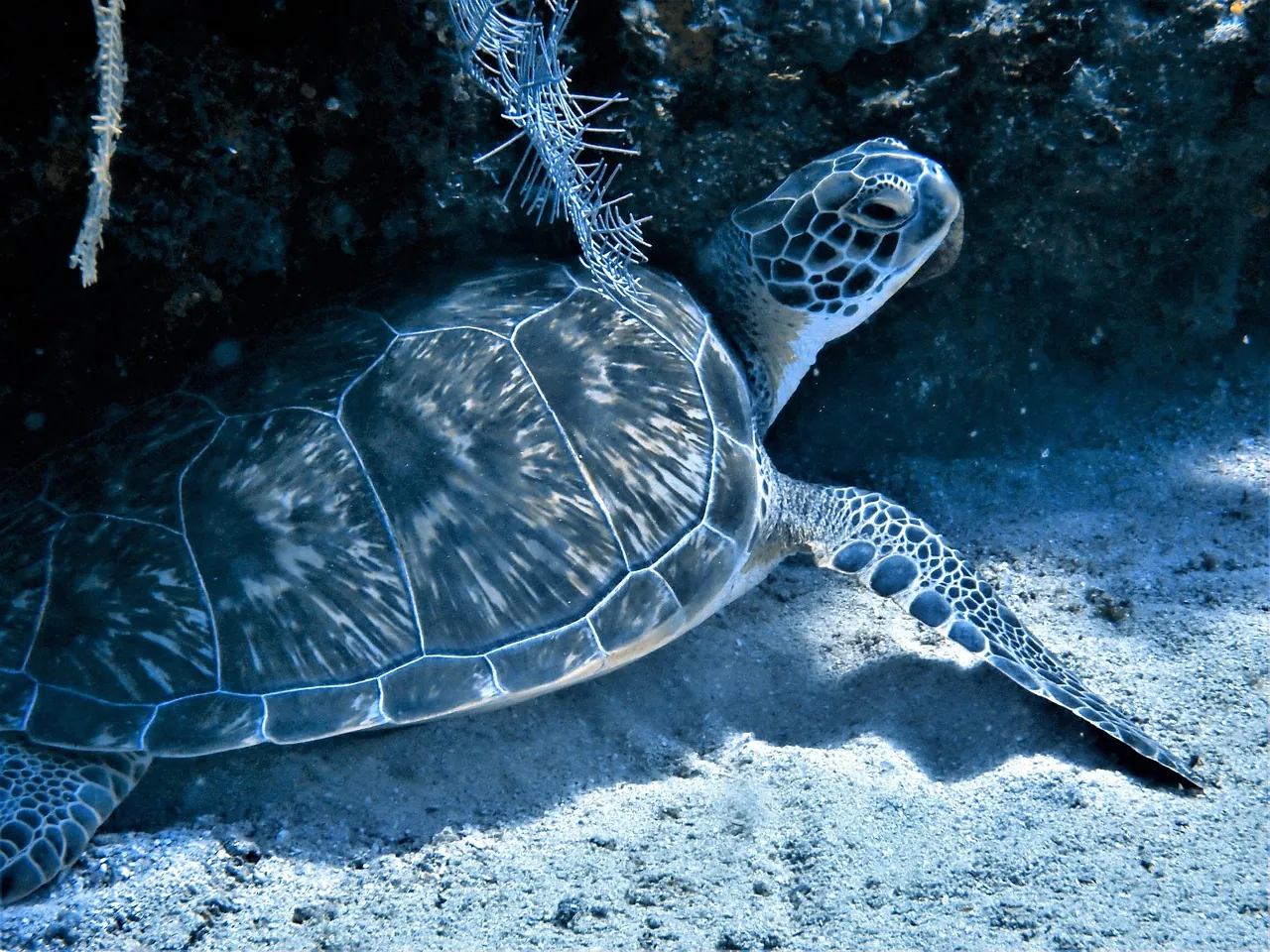
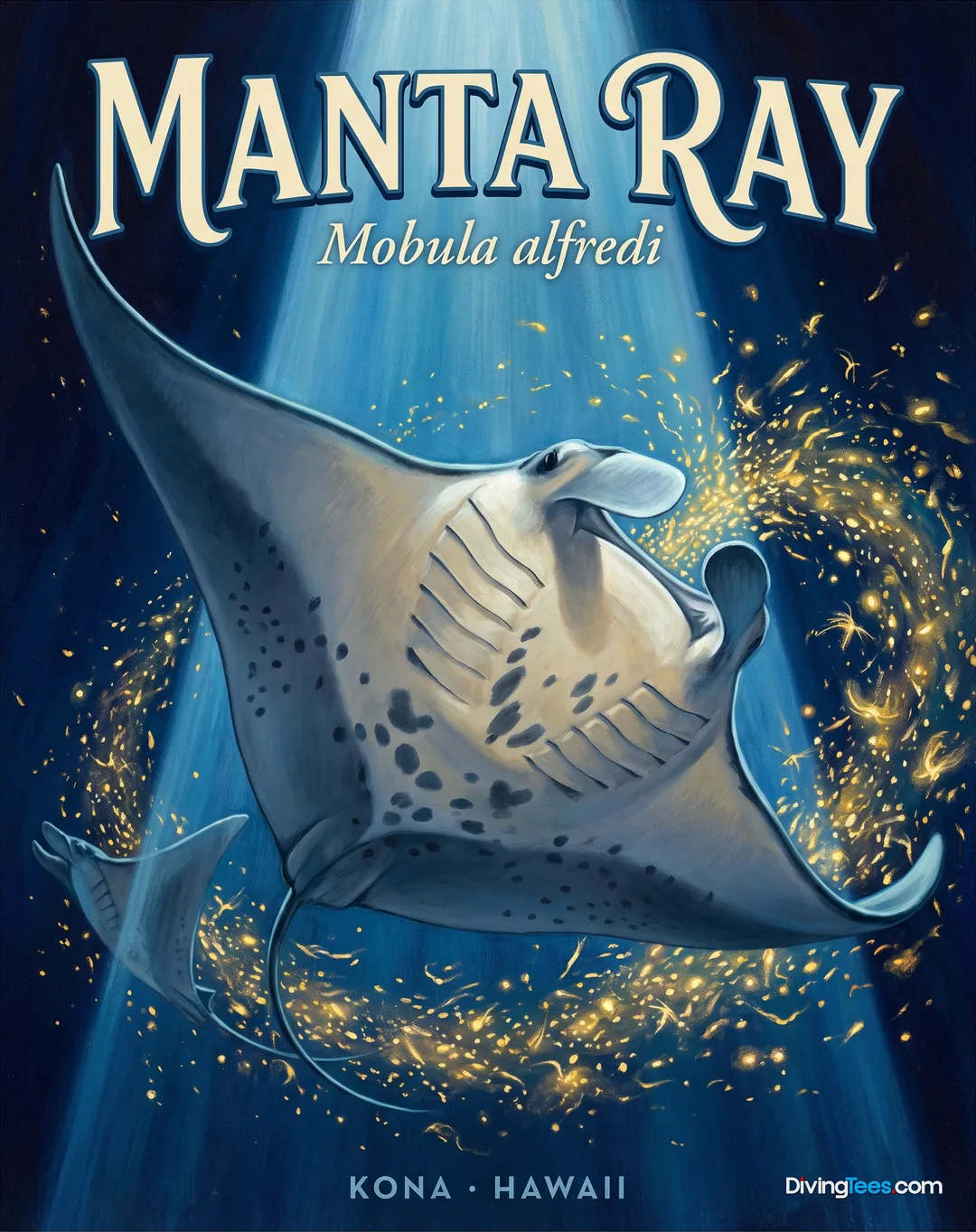
The pelagic encounters in Boulari Pass are a primary draw, with grey reef sharks and whitetip reef sharks patrolling the deeper slopes and current lines. These sharks are a consistent presence, often seen moving with the current, especially in areas like the 'marche aux requins'. You'll also frequently spot reef manta rays at cleaning stations, where they approach divers without overt shyness. Eagle rays and various species of sea turtles are also common, adding to the dynamic nature of these open water sections.
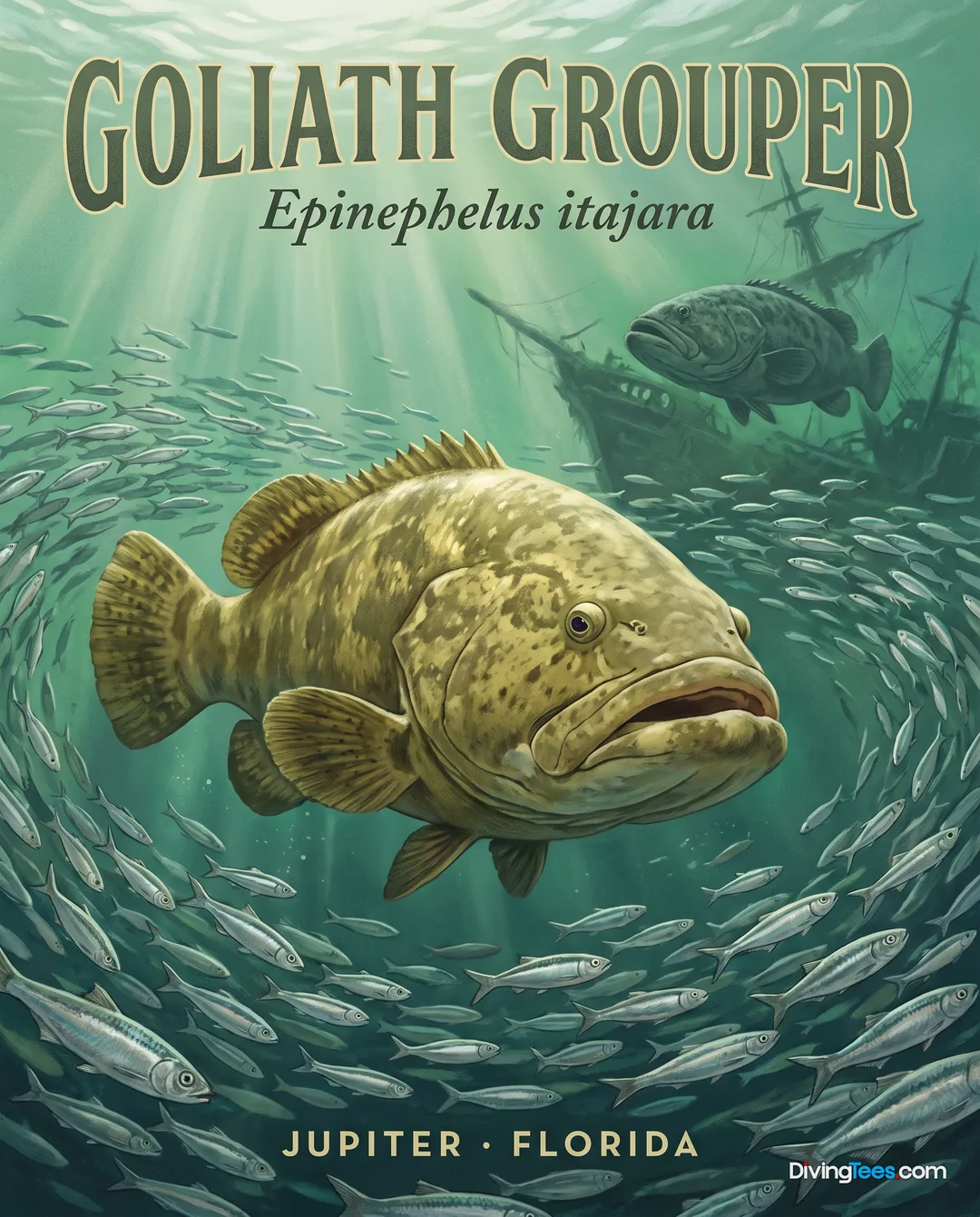
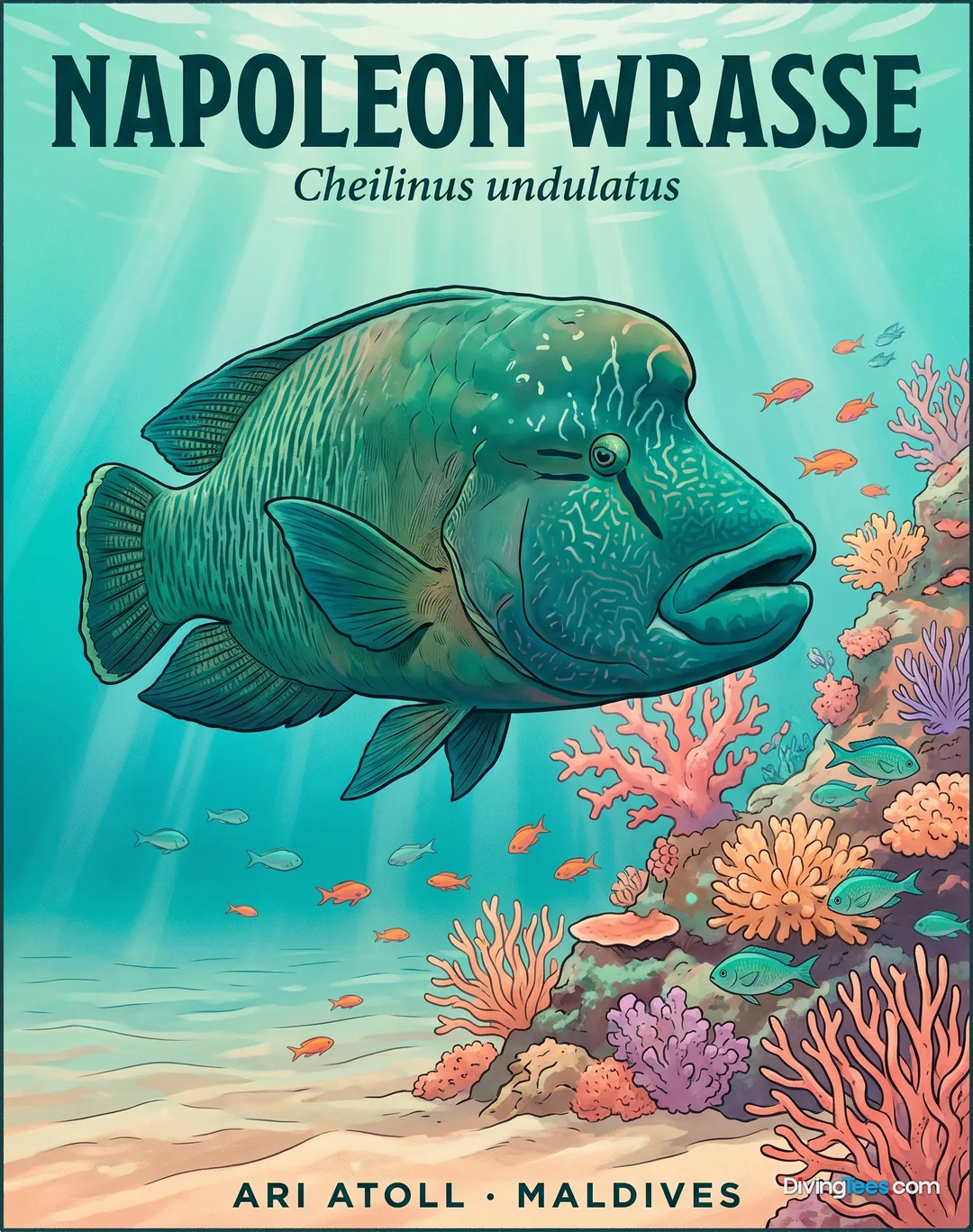
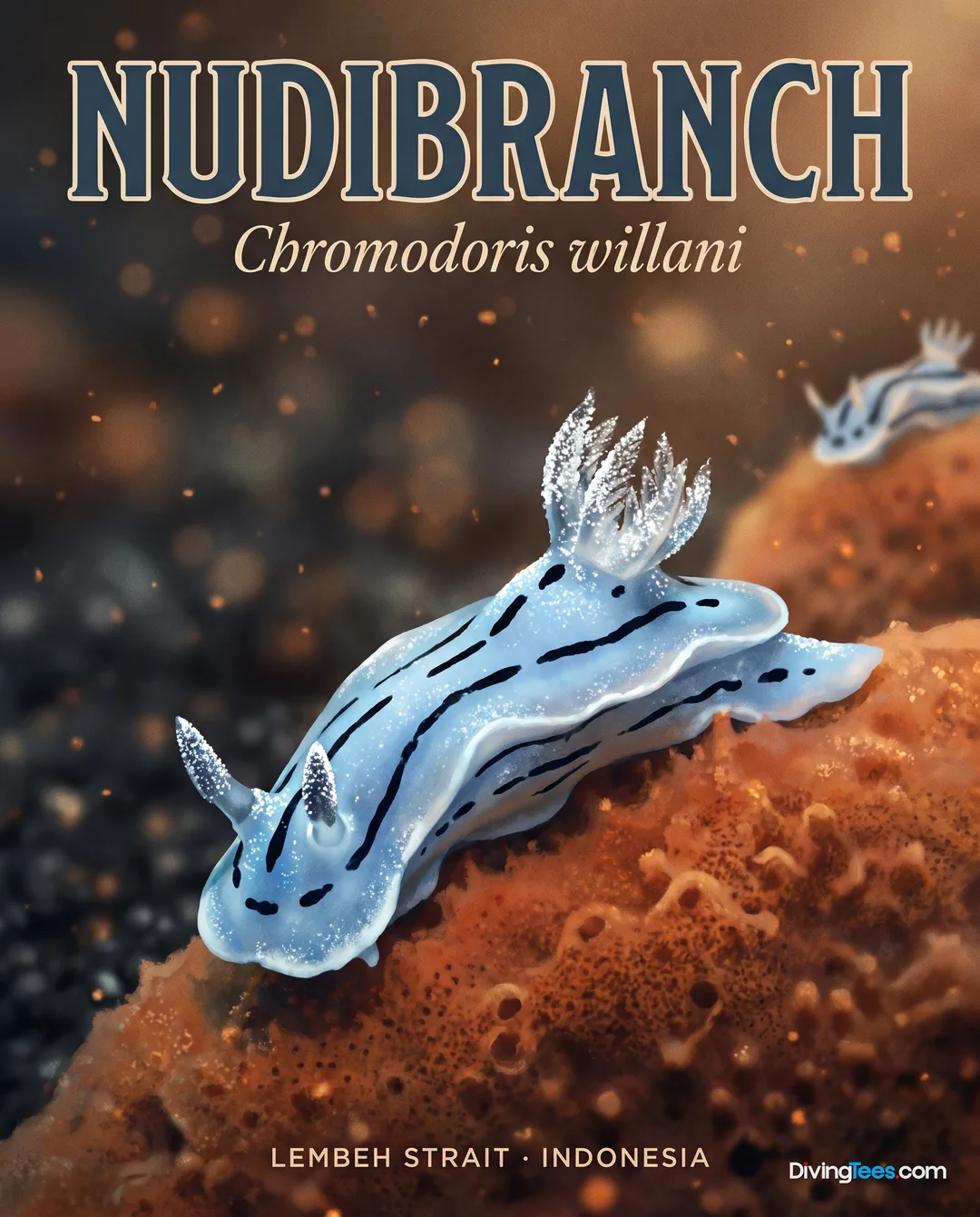
Beyond the larger pelagics, the reef structure itself supports an abundant array of smaller fauna. Humphead wrasses, giant groupers, and trevallies are often seen around the coral formations, particularly where currents bring in food. Moray eels inhabit the numerous crevices, while schools of perch, surgeonfish, and goatfish move across the reefs. Closer inspection of the corals can reveal nudibranchs and other macro life, ensuring that even in a fast-paced drift, there are opportunities for detailed observation.
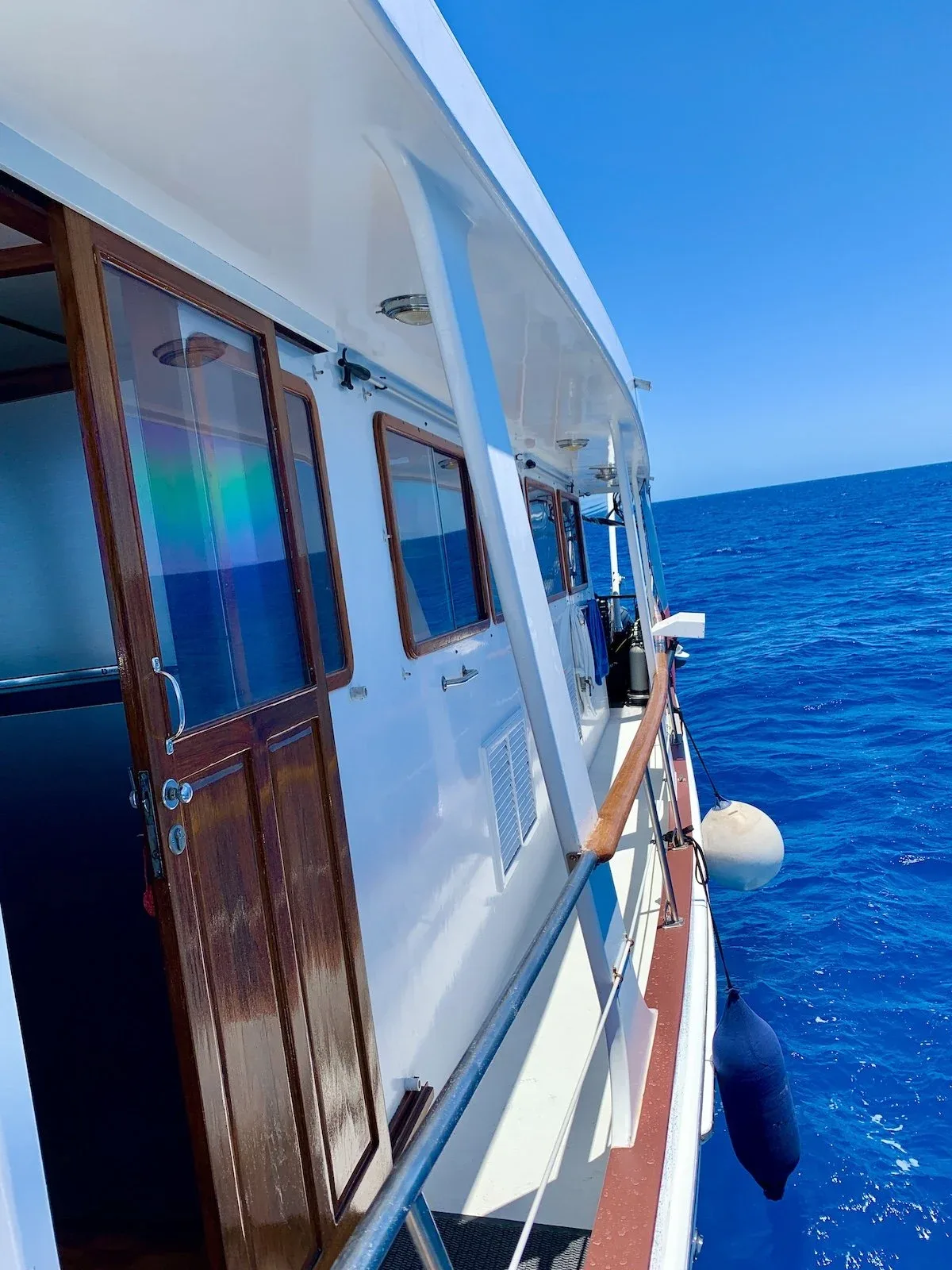
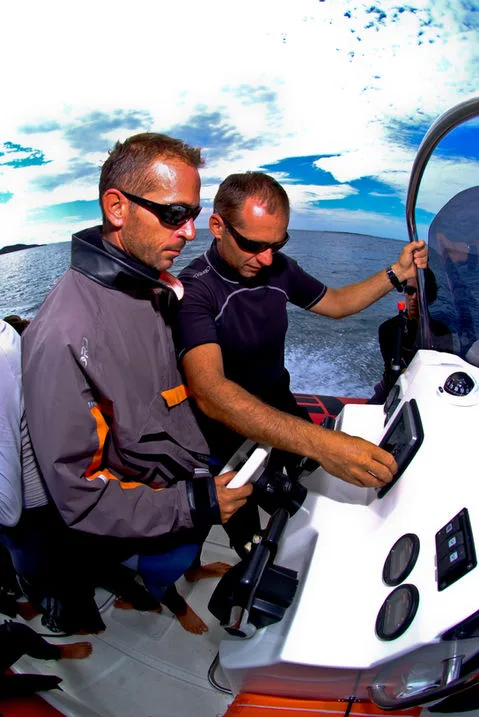
Visibility in Boulari Pass is generally good, typically ranging from 15 to 40 metres, especially during the cooler months from April to November. However, current is a defining factor for most dives here; it can reach up to 4 knots, influenced by tidal flow, weather, and swell. Understanding these dynamics is crucial for planning, as different drop points are selected based on the day's conditions. Many dives are conducted as live drift dives with a follow boat, which is the most effective way to experience the full scope of the pass.
Boulari Pass is recognized as a signature dive site near Noumea for a reason: it's a permanent marine reserve that delivers a consistent and varied dive experience. From the large arboreal coral reefs to the cleaning stations and the distinct wreck, it offers a blend of habitats. This diversity, combined with predictable pelagic encounters, makes it a site where every dive can unfold differently, always with the promise of encountering something substantial in the current.
Dive depths in Boulari Pass range from a minimum of 3 metres on the shallow reef tops to a maximum of 30 metres around the wreck and deeper slopes. The site is accessible from Open Water Diver certification, but experience in current and drift diving is strongly recommended, especially for dives on the central plateau or at manta and shark aggregation points. Currents can be strong, reaching up to 4 knots, and are heavily influenced by tidal flow, so dive planning always accounts for tidal charts. Visibility typically ranges between 15 and 40 metres, with the clearer conditions generally found from April to November. Reef manta rays are observed year-round, making it a reliable destination regardless of the season.
Boulari Pass can be dived year-round, and reef manta rays are observed in every season. Visibility is generally clearer from April to November, when it typically ranges between 15 and 40 metres. Your dive plan still depends on tidal flow, weather, swell, and the selected drop point.
Boulari Pass is accessible from Open Water Diver certification. However, experience in current and drift diving is strongly recommended, particularly for the central plateau and manta or shark aggregation points. You need good buoyancy and situational awareness to stay with the group and manage the pace of a current-swept drift.
Boulari Pass offers depths from 3 metres on shallow reef tops to 30 metres around the wreck and deeper slopes. The central plateau is typically around 10 to 12 metres, while La Dieppoise rests at approximately 26 metres. Reefs and bommies at Tabou and Sournois rise from depths of 3 to 18 metres.
Boulari Pass is shaped by tidal flow, with currents reaching up to 4 knots, so many dives are live drift dives with a follow boat. In the flow, you may encounter reef manta rays at cleaning stations, grey and whitetip reef sharks, turtles, eagle rays, trevally, giant groupers, moray eels, and macro life.