
Cathedral Cove Dive Ltd
Google 4.8/5 (185 reviews)
New Zealand · Pacific
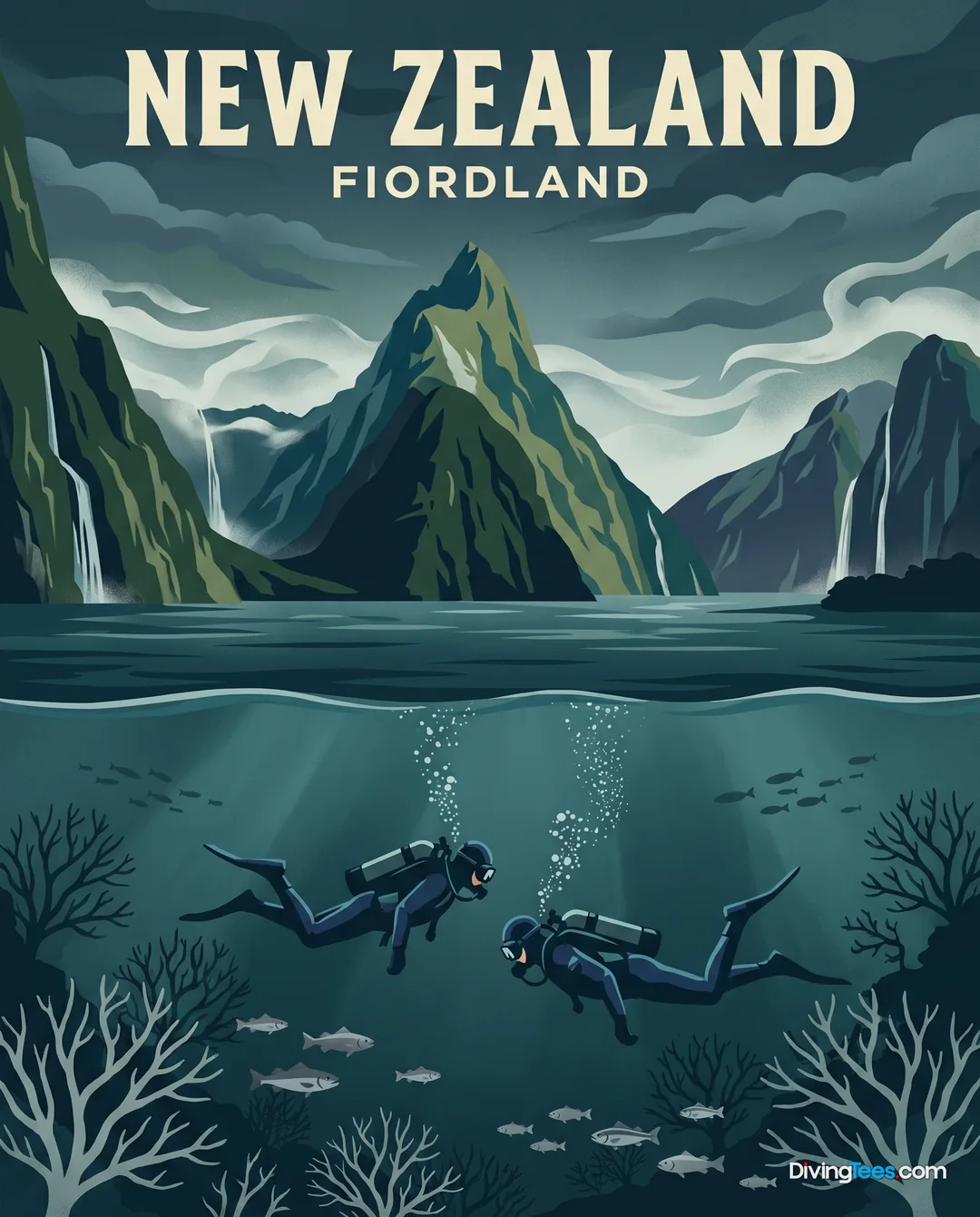
Volcanic pinnacles, Cathedral Cove arches, Mercury Bay islands and protected underwater rock faces shape shore and boat diving around Coromandel.
For subtitles in English: start the video firstthen click the gearat the top right of the video, select “Subtitles/CC”, then “Auto-translate” and choose “English”.
Coromandel is a shore-based New Zealand trip built around two practical bases, Whitianga and Hahei. From Whitianga, boats head into Mercury Bay and towards the Mercury Islands and Aldermen Islands; from Hahei, Te Whanganui-a-Hei Marine Reserve puts Cathedral Cove’s volcanic scenery at the centre. Between boat days, sheltered coastal sites allow a simpler entry to the water. It suits divers who want proper underwater relief without committing to a liveaboard, and gives non-divers beaches, walks and hot-water springs.
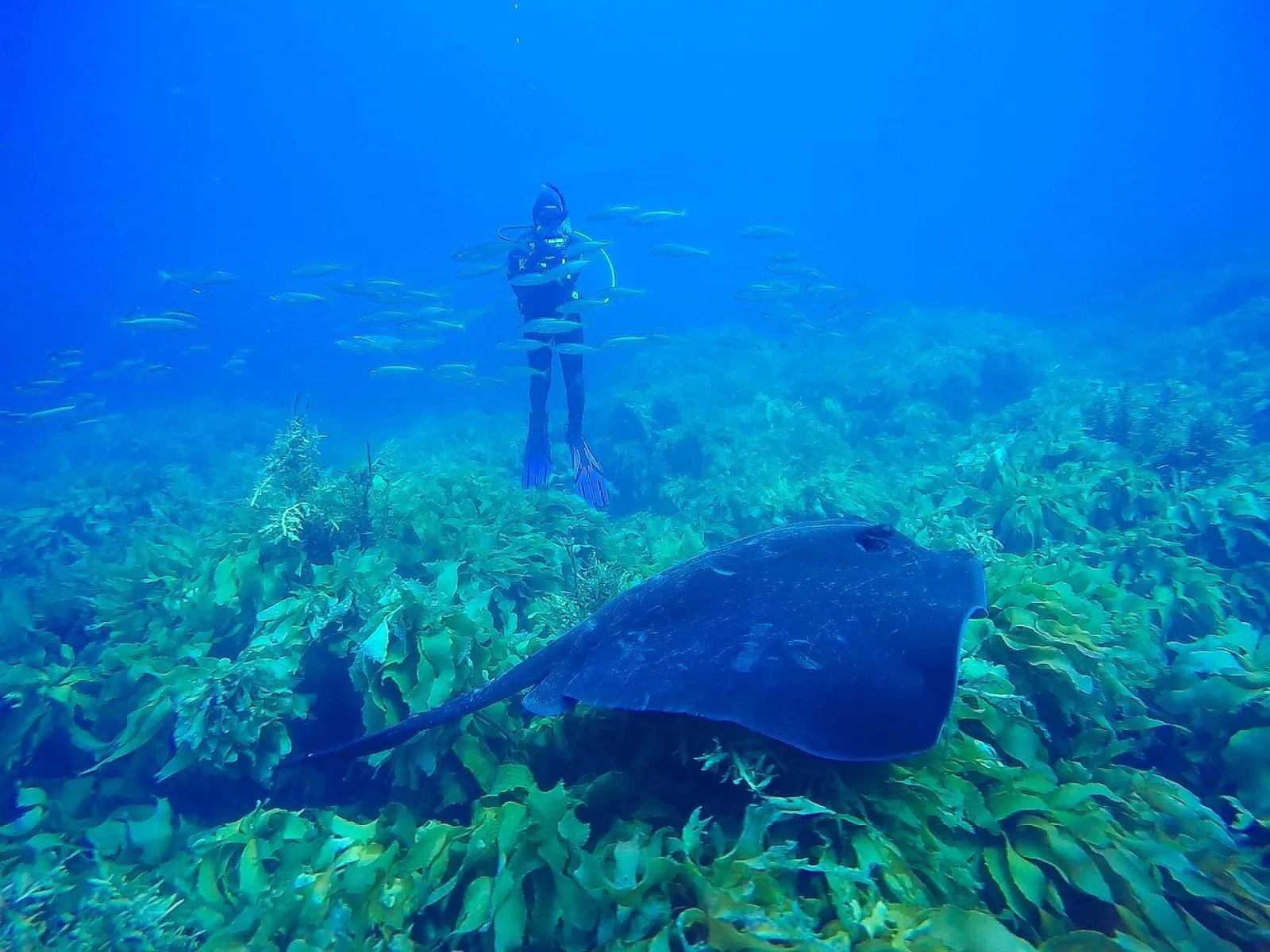
The underwater scenery is volcanic and structural: vertical walls, pinnacles, arches, reefs and other hard relief, with sheltered rock sites close to the coast. Outer-island days are a different proposition from a Hahei shore dive, with longer boat travel and exposure to the sea state. Currents are variable rather than a fixed feature of every site, so a planned drift dive should not be assumed; the skipper and guide can match the site to the day. Visibility can reach about 30 metres around the Mercury and Aldermen Islands, but coastal runoff, swell and plankton blooms can reduce it. The practical rhythm is a land-based trip with daily boat sorties, using protected bays or shore diving when conditions turn against the outer islands. Cathedral Cove adds arches and volcanic formations to the mix, rather than simply repeating the open-water island experience.
Marine life here is closely tied to the relief and to shelter. Te Whanganui-a-Hei Marine Reserve protects a more natural concentration of fish and the structure of the habitats around Cathedral Cove, where divers and snorkellers see the benefit of a no-take area. Around the Mercury and Aldermen Islands, walls, pinnacles, arches and reefs create plenty to examine, with underwater photography a sensible reason to bring your own camera. Rather than planning around a named seasonal visitor, treat the encounters as year-round coastal diving shaped by visibility, sea state and the site selected. Fish life and volcanic scenery, rather than a promised seasonal visitor, are the constants.
Coromandel can be dived throughout the year, but the useful distinction is not a fixed high season. Wind, swell and the shelter offered by individual bays decide which plan is comfortable, while runoff after heavy rain and plankton blooms can cut visibility. Keep the Mercury and Aldermen boat days for settled sea conditions, and leave Cathedral Cove or a coastal site as a fallback. Holiday periods and good weather make island trips popular, so advance planning matters then. A five-to-seven-day stay makes sense because it leaves room to move an exposed outing without sacrificing the diving altogether.
Protected shore sites make Coromandel workable for beginners and for divers returning to the water, provided the site is chosen for the conditions rather than the postcard. PADI, SSI and BSAC divers should find the key question is experience, not agency: calm coastal sites are one proposition, exposed walls, pinnacles and island outings another. Comfortable boat diving, sound buoyancy and the ability to manage a safety stop in changing conditions matter more on the outer reefs. Ask for a site matched to your certification and recent experience.
From London Heathrow, London Gatwick or Manchester, allow roughly 30 to 40 hours for the journey to Auckland and the onward transfer, depending on connections. Coromandel is principally reached by road from Auckland. The practical route to Whitianga runs via Thames and the east coast, while Hahei is reached by road from Whitianga. Regional domestic flights to Whitianga may be available, but the service should be checked when planning. Once on the peninsula, a car is the sensible way to link Whitianga, Hahei and the other bays, especially when the chosen dive departure is not near your accommodation. Local ferries connect places including Ferry Landing and Whitianga, but they do not replace the road journey to every dive base.
Treat the peninsula as two linked bases, not one harbour: Whitianga is the practical choice for Mercury Islands and Aldermen Islands, while Hahei makes Cathedral Cove easier. Check the boat’s actual departure point before booking accommodation, because changing between the two areas adds road time. Reserve island outings ahead during holidays, then keep a complete day free for weather disruption rather than stacking every exposed dive consecutively. Use a sheltered coastal site or Cathedral Cove as the fallback when swell makes a long boat trip uncomfortable, particularly if you are prone to seasickness. Do not book a Hahei-only stay if the main aim is the outer islands. Bring your own camera if underwater photography matters, as specialist photo equipment should not be assumed. Finally, treat Cathedral Cove as a fully protected no-take reserve: no fishing, collecting, feeding, touching or removing marine life. The Aldermen may be compared with the Poor Knights, but they are not the same destination or departure point.
Plan on five to seven days based ashore, with Whitianga or Hahei chosen according to the trips that matter most. The schedule works best as a mixture of boat days, sheltered shore diving and weather reserve days, rather than a fixed run of offshore departures. A car makes the change between bases and bays much easier. Non-divers have beaches, coastal walks, Cathedral Cove, Hot Water Beach, kayaking and boat excursions to fill the surface intervals.
Hello, I'm Marina, DivingDeal.com's AI assistant. I guide you through destinations, areas and countries.
Thinking about the whole trip and the flights? Talk it over with Edith →
Marina is an AI. Some links are affiliate links: DivingDeal may earn a commission, at no extra cost to you. Bookings are made with the partner.
You can dive Coromandel throughout the year, with wind, swell and bay shelter shaping the most comfortable plan. Keep Mercury Islands and Aldermen Islands boat trips for settled conditions, and use Cathedral Cove or sheltered coastal sites when weather changes. Runoff after heavy rain and plankton blooms can reduce visibility.
Coromandel suits beginners and divers returning to the water when they choose protected coastal sites matched to conditions. Exposed walls, pinnacles and island outings require comfortable boat diving, sound buoyancy and the ability to manage a safety stop in changing conditions. Ask the operator to match the site to your certification and recent experience.
Diving Coromandel reveals volcanic underwater scenery, including vertical walls, pinnacles, arches, reefs and hard rock relief. Cathedral Cove adds protected habitats and a natural concentration of fish, while the Mercury and Aldermen Islands offer outer-island structures and visibility that can reach about thirty metres. Underwater photography suits the varied relief.
Plan Coromandel as a land-based trip using Whitianga for Mercury Islands and Aldermen Islands outings, or Hahei for Cathedral Cove. Allow a flexible stay with boat days, sheltered shore diving and weather reserves. A car helps link bases and bays, while advance booking matters during holidays and good weather. Keep Cathedral Cove no-take.