Zanzibar · Tanzania · Africa View on the map
Max. depth · 35 mCement Wall, Zanzibar: Wall diving with historical wreck vestiges
Explore a vertical wall featuring three large anchors from a 1930s cement ship.
What makes this site special
- Three large anchors from a 1930s shipwreck
- Vertical wall down to 35 metres
- Combination of reef garden and wall
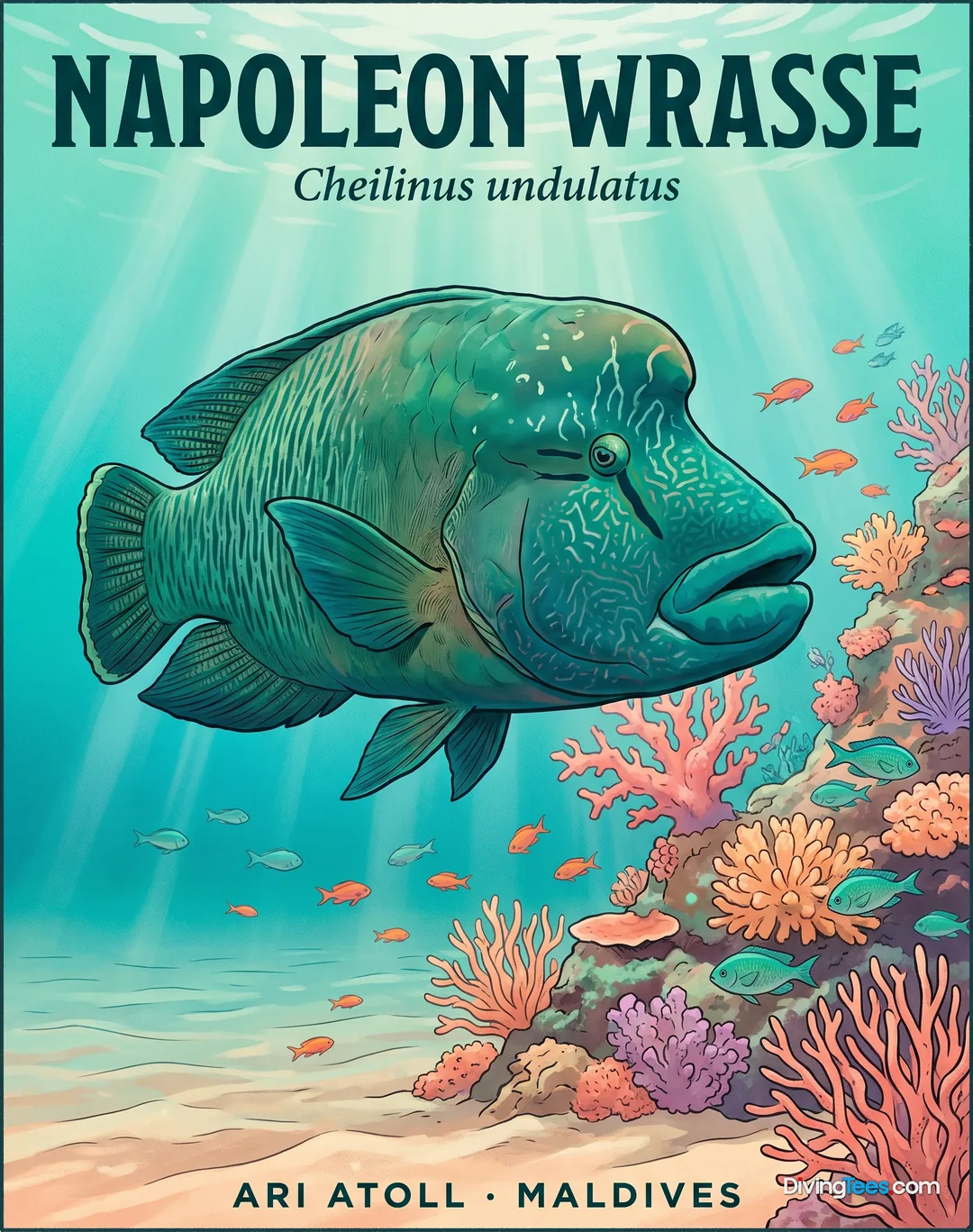
- Napoleon wrasse and reef sharks
- Clear visibility up to 30 metres
For subtitles in English: once the video has started, click the gearat the top right of the video, select “Subtitles/CC”, then “Auto-translate” and choose “English”.
Cement Wall about the site
The topography of Cement Wall offers a dual experience by combining a shallow reef garden with a prominent vertical wall. As you approach from the boat, you first encounter the shallower reef sections before descending toward the main structure. This transition from the garden to the drop-off allows you to observe a variety of ecosystems within a single dive. The layout is structured so that you can choose to navigate the reef plateau or follow the descent along the wall itself.
One of the most distinct features of this site is the presence of historical artifacts integrated into the reef. You will find three large anchors that served as the cargo for a ship that sank in the 1930s while transporting cement. One of these anchors is positioned directly in front of a small, shallow cave. These remnants provide a unique historical context that differentiates this location from the purely natural reef systems found elsewhere in the region.
The depth profile of the site is significant, with the wall dropping from a shallow 12 metres down to a maximum depth of 35 metres. For those following the wall down, the transition into the deeper zone offers a change in light and temperature. This depth range is why the site is often categorized for advanced divers, as the deeper sections require careful gas management and buoyancy control. The verticality of the wall provides several ledges where marine life tends to congregate.
Currents at Cement Wall are a primary factor in how you experience the site. Most dives are conducted as drift dives, where you allow the water to move you along the reef or the wall. Depending on the tide and sea conditions, the current can pull you toward either the north or the south. You must be prepared to manage your positioning to stay close to the reef edge while drifting with the movement of the water.
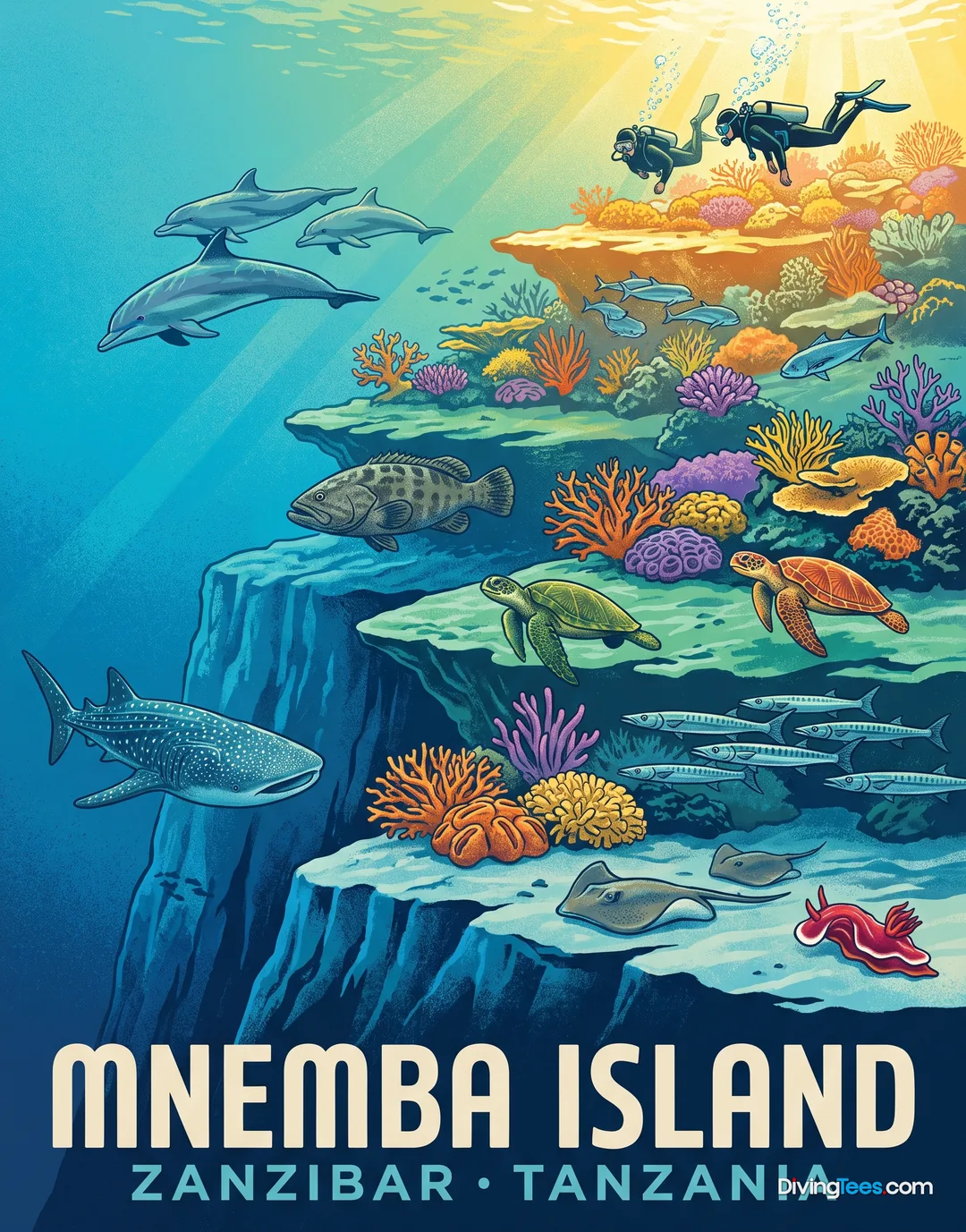
The resident marine life is diverse, featuring large species that thrive along the wall and within the reef garden. You can expect to encounter Napoleon wrasse and various species of reef sharks patrolling the deeper sections. Large groupers and jackfish are also commonly seen near the reef structure. The combination of hard reef architecture and the vertical drop creates numerous niches for these predators to inhabit.
Closer to the reef and within the crevices of the wall, you will find smaller, more sedentary residents. Moray eels and lobsters frequently inhabit the holes and shaded areas of the reef. The presence of turtles adds to the variety of movement you see while navigating the shallower portions of the site. This mix of large pelagic-style movement and small reef dwellers makes for a high-density biological environment.
Visibility at the site is typically between 25 and 30 metres, offering clear views of the wall's structure and the historical anchors. This clarity is particularly notable during the favorable months of November to April, with March often providing the best conditions. The sunlight penetration into the deeper sections allows for a clear view of the reef's texture even as you approach the 35-metre limit. This clarity makes it easier to spot camouflaged species like the frogfish in the reef garden.
Access to the site is straightforward, involving a short boat trip from the southeast coast of Zanzibar. You will exit the lagoon through a known passage called ''mlango', which takes approximately ten minutes from the base by speedboat. Once through the passage, the site is reached within a few additional minutes. The logistics are efficient, allowing for multiple dives to the site in a single day.
Diving Cement Wall: the marine life you’ll meet
Diving conditions
The site reaches depths of 35 metres and requires an Advanced certification with experience in drift diving and wall topography. Expect visibility between 25 and 30 metres. Currents are variable and can flow north or south depending on the tide, often requiring drift diving. The best season is November to April, with March being particularly favorable.
Three dives not to miss
Map of hotels, dive sites and dive centres in Zanzibar
Dive centres in Zanzibar


Hotels in Zanzibar
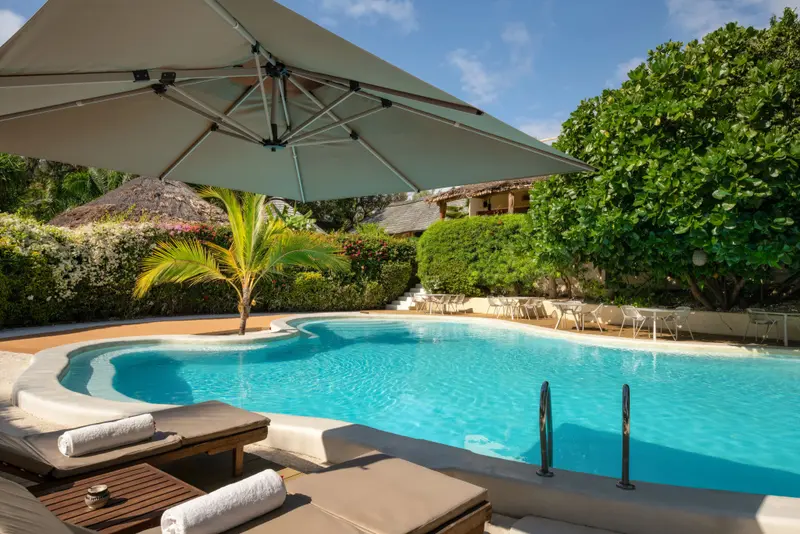
Zanzibar White Sand Luxury Villas & Spa
Zanzibar
Google 4.7/5 (397 reviews)
6.6 km away as the crow flies
Nearest dive centre: 2 km
Pole Pole Divers
Google 4.9/5 (531 reviews)
Frequently asked questions about Cement Wall
When should you dive Cement Wall, and what visibility can you expect?
Cement Wall is best dived from November to April, with March described as particularly favorable. Visibility is typically between 25 and 30 metres during this period. Clear water can help you view the vertical wall, reef structure, and historical anchors, while also making it easier to spot camouflaged species in the reef garden.
What certification and experience do you need for Cement Wall, and how deep is it?
Cement Wall requires Advanced certification, along with experience in drift diving and wall topography. The site ranges from a shallow reef garden at 12 metres to a maximum depth of 35 metres. If you follow the wall downward, you should be prepared for deeper water, careful gas management, and controlled buoyancy.
What currents should you expect at Cement Wall?
Currents at Cement Wall are variable and can flow north or south depending on the tide and sea conditions. Most dives are conducted as drift dives, allowing the water to carry you along the reef or wall. You should be prepared to manage your position and remain close to the reef edge while drifting.
What can you see while diving Cement Wall?
At Cement Wall, you can explore a shallow reef garden, a vertical wall, and three large anchors from a shipwreck that sank in the 1930s. Marine life includes Napoleon wrasse, reef sharks, groupers, jackfish, moray eels, lobsters, turtles, and frogfish around the reef and its crevices.