



Spanish Dancer Divers
Google 4.9/5 (795 reviews)
11 km away as the crow flies
Zanzibar · Tanzania · Africa
Max. depth · 55 mDescend into the open ocean at Leven Bank, where strong currents deliver pelagic action and vast schools of fish far north of Zanzibar.
For subtitles in English: start the video firstthen click the gearat the top right of the video, select “Subtitles/CC”, then “Auto-translate” and choose “English”.
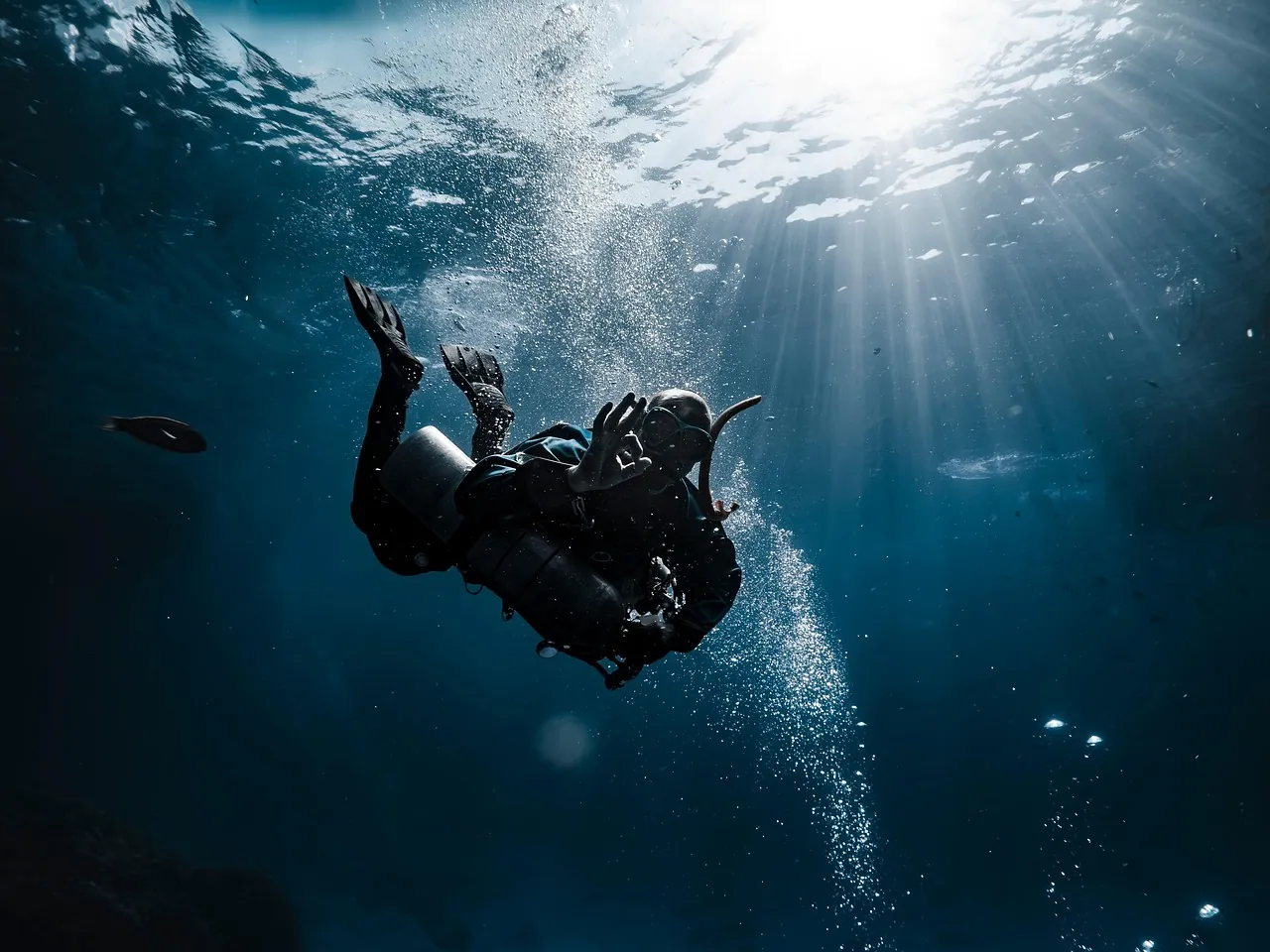
Leven Bank demands a certain pedigree from a diver. Positioned well into the open ocean, north of Zanzibar, this submerged pinnacle offers an exhilarating dive profile. You'll descend onto a slope that begins at 12 metres and drops dramatically to 55 metres, a genuine deep dive that sets it apart from many other sites in the region. The feeling of being suspended in the blue, with the deep expanse stretching beneath you, is immediate and profound, a sensation only experienced on truly exposed sites.
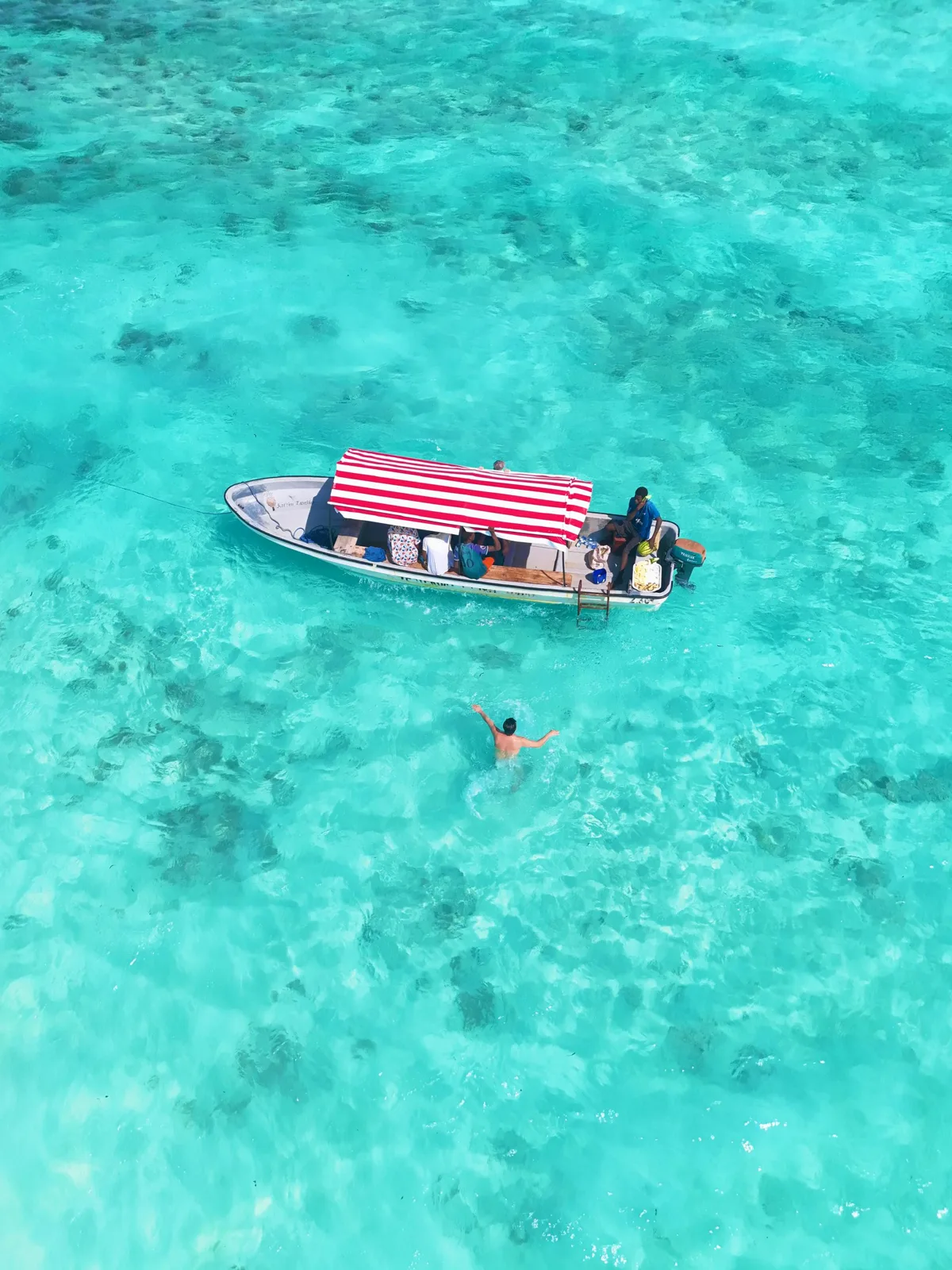
The journey to Leven Bank is often an adventure in itself, cutting through the swells to reach this isolated beacon of marine life. Once you're in the water, the primary challenge and draw is the current. It can be significant here, shaping the entire dive experience and dictating your approach to the bank. This constant oceanic flow is precisely what attracts the large schools of fish that make Leven Bank such a vital hunting ground for predators.
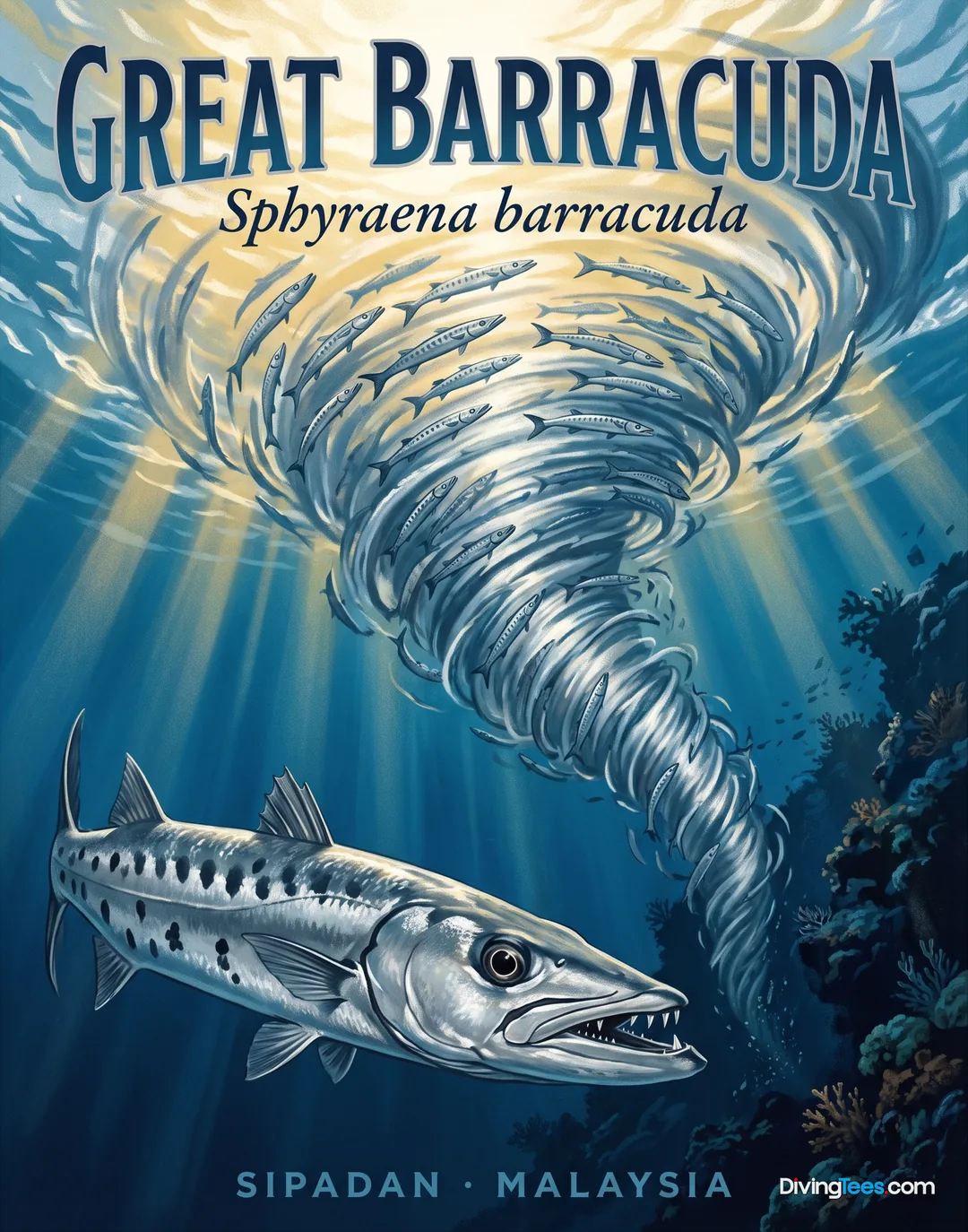
As you hold your position against the current, your attention will invariably turn to the schools of pelagic fish patrolling the bank. Barracudas (Sphyraena barracuda) are a common sight, often congregating in impressive numbers. You'll also encounter various species of trevally (Caranx ignobilis, among others) and powerful tuna (Thunnus spp.), all drawn to the nutrient-rich waters and the abundance of smaller reef fish that cling to the bank's structure.
While the big fish command much of the attention, a closer look at the substrate reveals a different world. The nooks and crannies of Leven Bank are home to massive moray eels (Muraenidae), often spotted peering from their rocky hideaways. And for those with an eye for the minute, the vibrant nudibranchs (Nudibranchia) offer a stark contrast to the large pelagics, showcasing the incredible biodiversity packed into this exposed oceanic feature.
The sheer volume of reef fish around Leven Bank is striking, a testament to the productivity of this offshore ecosystem. Swathes of fish move across the bank, forming a living tapestry that provides both sustenance and spectacle. This constant activity, often framed by the deep blue of the open ocean, is what defines a dive here, creating a dynamic and endlessly engaging underwater landscape that changes with every current shift.
Should you dive during August and September, the dive boat journey to Leven Bank can offer an additional privilege. This period coincides with the migration of humpback whales (Megaptera novaeangliae), and sightings from the surface are frequent. While encounters underwater are rare and often fleeting, the possibility adds another layer of excitement to an already thrilling offshore expedition, reminding you of the vast ocean just beneath the surface.
Diving at Leven Bank is exclusively for advanced divers due to the site's exposed nature and potentially strong currents. The dive profile ranges from a minimum depth of 12 metres down to 55 metres, offering extensive exploration opportunities for appropriately certified individuals. The best time to experience Leven Bank is during August and September, when the chance of spotting humpback whales from the boat complements the rich underwater life.
August and September are the stated period for diving Leven Bank. During these months, your boat journey may include sightings of humpback whales, which migrate through the area. These observations are made from the boat, while underwater encounters with the whales are described as rare and fleeting.
Leven Bank is exclusively for advanced divers because its exposed open-ocean position can bring potentially strong currents. You need appropriate certification for the site's deep profile and conditions. The isolated bank lies north of Zanzibar, and the current can shape your approach and the way you conduct the dive.
At Leven Bank, you descend onto a slope beginning at 12 metres and reaching 55 metres, creating a genuine deep-dive profile. The site is exposed and the current can be significant, shaping the dive and requiring you to hold your position as ocean flow moves across the bank.
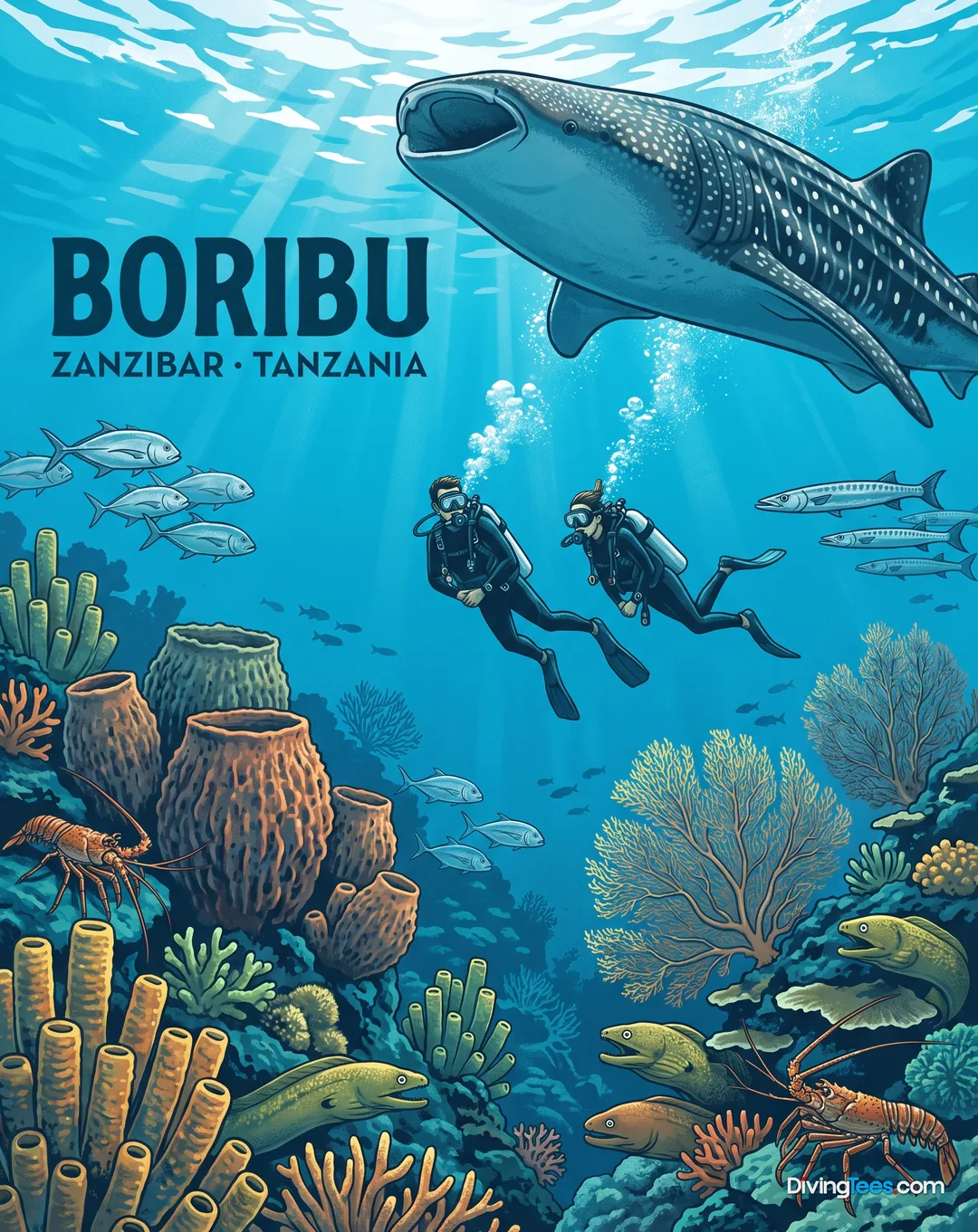
At Leven Bank, you can see large schools of barracudas, trevallies and tuna moving through the open blue. Massive moray eels occupy rocky hideaways, while vibrant nudibranchs appear among the bank's nooks and crannies. The productive offshore ecosystem also supports abundant reef fish and pelagic activity.