Zanzibar · Tanzania · Africa View on the map
Max. depth · 30 mTurtle Reef, Mnemba Island: coral slope and schooling fish
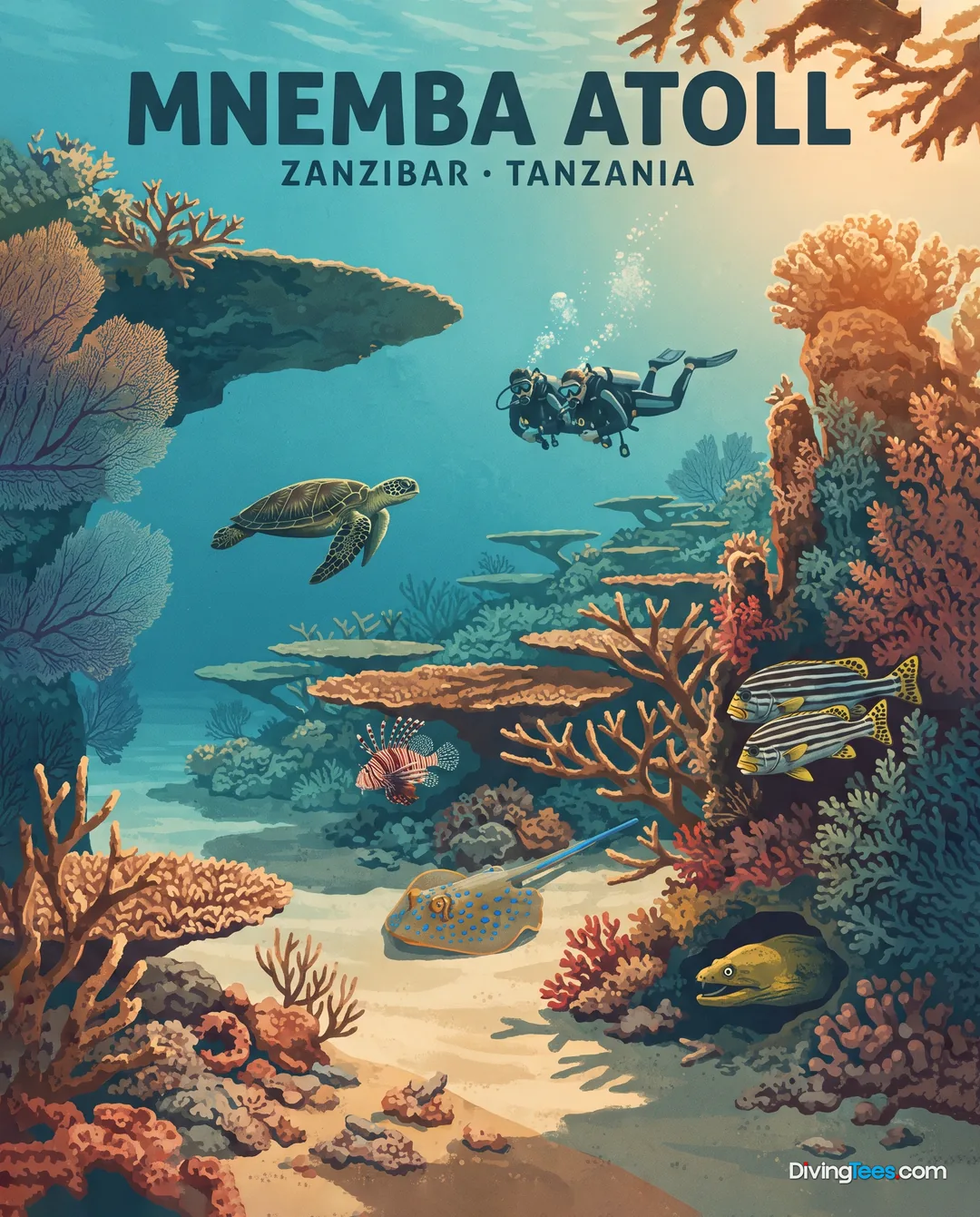
Navigate a coral slope where green turtles and large schools of jack fish meet the currents of the Mnemba Atoll.
What makes this site special
- Frequent sightings of green turtles
- Large schools of blue jacks
- Coral slope terrain from 5 to 30 metres
- Drift diving along coral blocks
- Active feeding zones near Mnemba's southern tip
For subtitles in English: once the video has started, click the gearat the top right of the video, select “Subtitles/CC”, then “Auto-translate” and choose “English”.
Turtle Reef about the site
Turtle Reef is structured as a descending coral slope that begins in relatively shallow water before dropping toward deeper coral blocks. The topography is defined by this gradual transition, providing a varied landscape for divers to navigate through different depth zones. You will find the reef surface at approximately 5 metres, providing a shallow entry point before the terrain moves toward the 30-metre mark. The descent follows the natural contour of the reef, moving past coral formations that transition into more broken, blocky structures as the depth increases.
The site is positioned near the southern tip of Mnemba, an area where the reef's layout facilitates the movement of large numbers of fish. As you move along the slope, the relief provides numerous nooks and crevices within the coral blocks that serve as habitats for resident species. These structures are essential for the local ecosystem, offering shelter to smaller reef inhabitants while also acting as a focal point for larger predators. The orientation of the slope allows for a natural drift, where the current carries you along the reef face.
Current plays a significant role in the ecology of Turtle Reef, as it brings nutrients that support massive schools of fish. You will often find these schools feeding within the flow, creating a dynamic environment where the water is constantly moving. This movement is what defines the diving experience here, as it is primarily a drift dive. You will need to manage your buoyancy carefully to stay close to the reef or move along the slope without being swept too far into the blue or into the deeper sections of the reef wall.
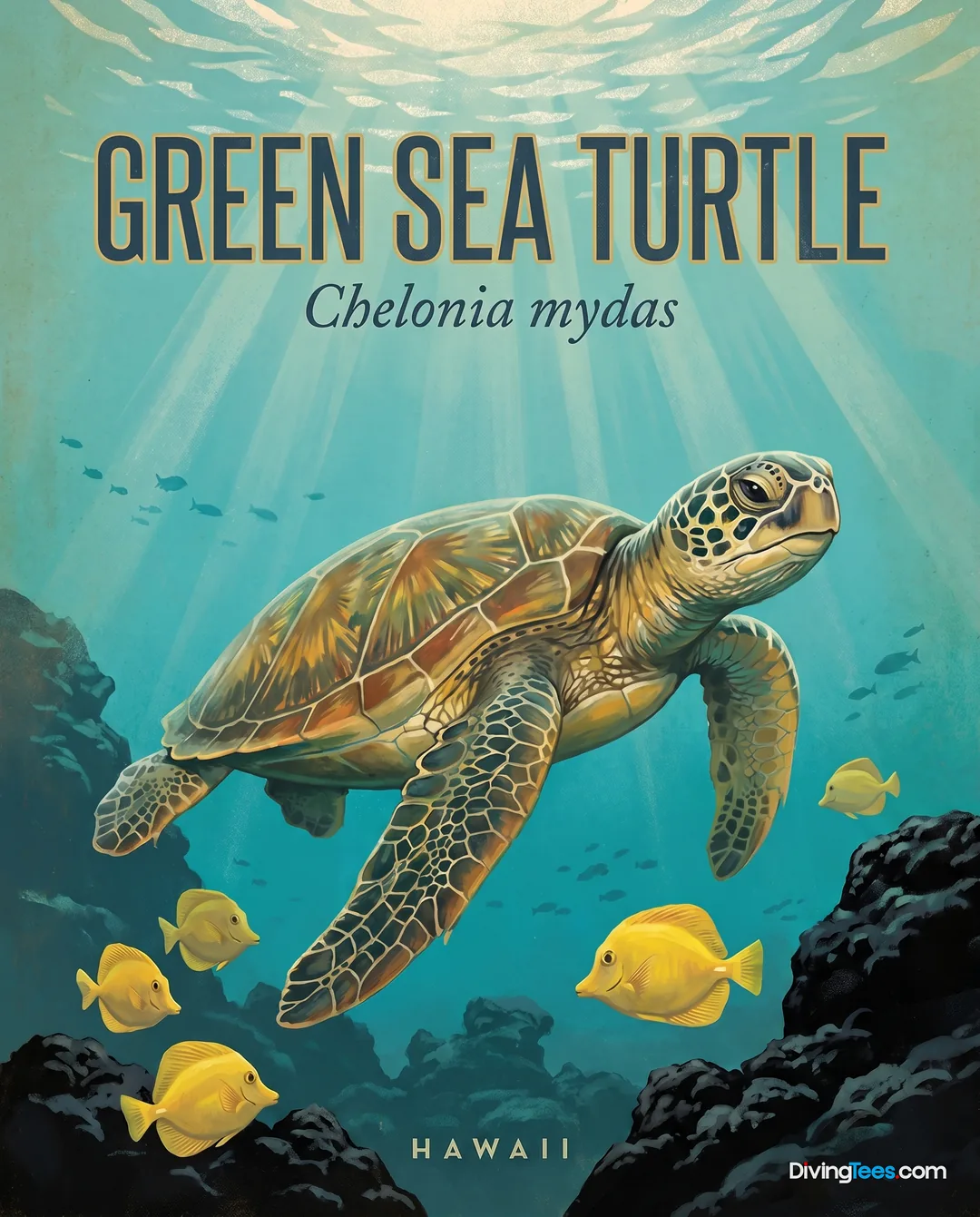
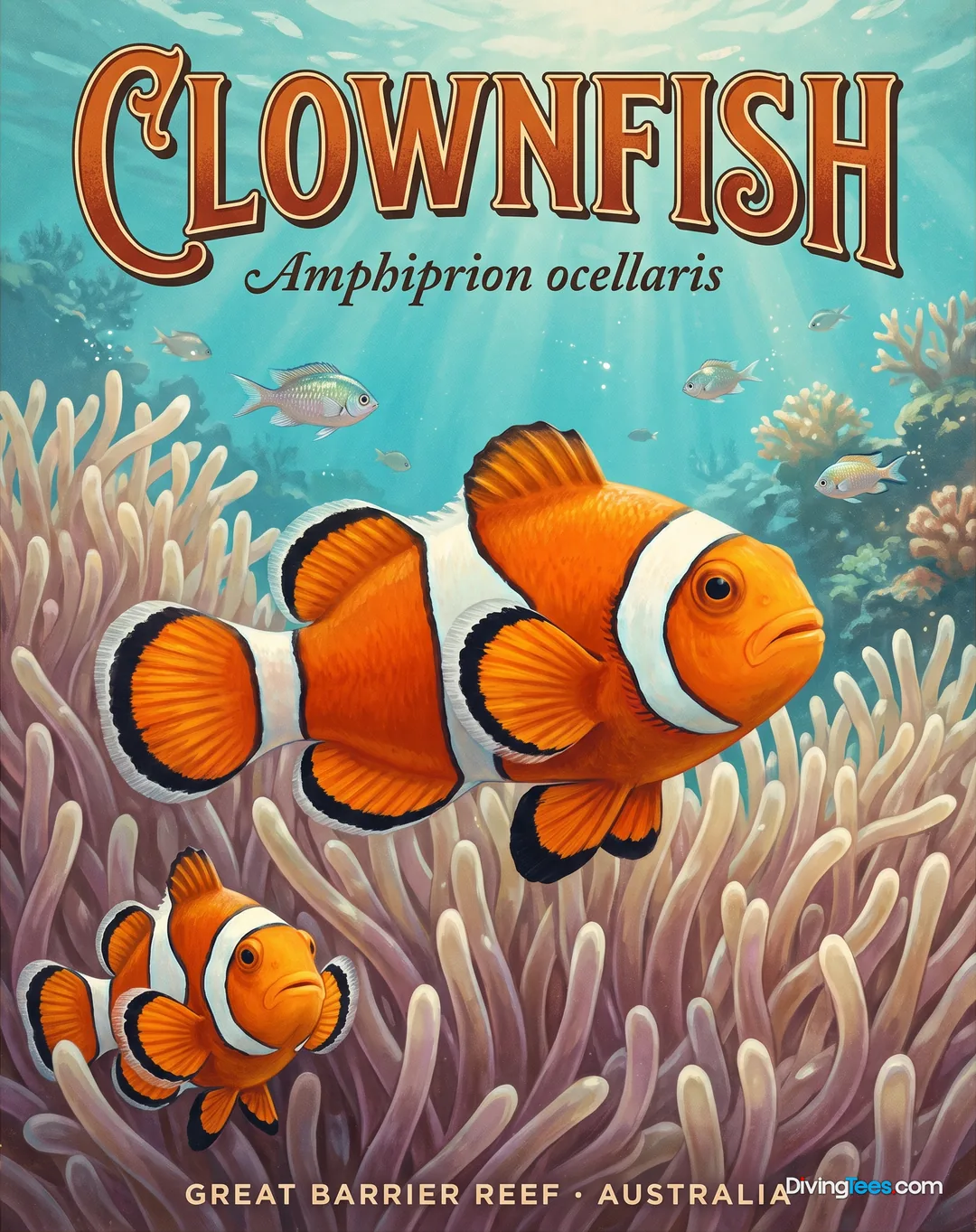
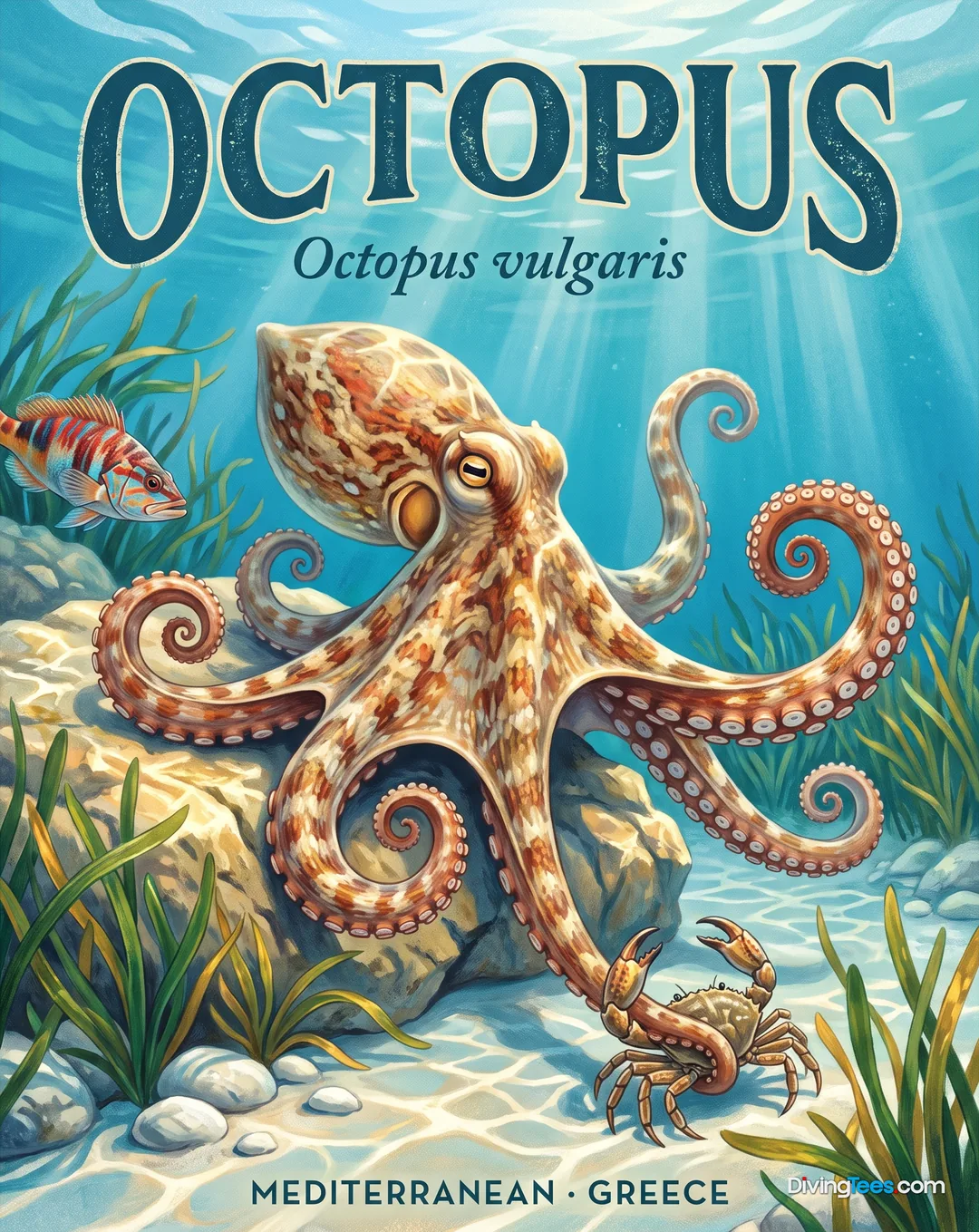
The resident fauna is headlined by the green turtle, which is frequently encountered throughout the site. These turtles often utilize the reef's topography to rest or to feed on the surrounding vegetation. Beyond the turtles, the reef is home to various species including grouper, snapper, and surgeonfish. You may also spot clownfish tucked within the anemones or octopuses searching for prey among the coral blocks. These encounters are part of the standard reef experience here, as the habitat is well-established and provides consistent sightings.
As you reach the end of the dive profile near the southern point of Mnemba, the environment shifts toward more open water characteristics. This area is known for larger, more active schools of fish that thrive in the surge and current. You can expect to see blue jacks and other carangid species hunting in the water column. The presence of these larger predators is a direct result of the current bringing food toward the reef edge, creating a high-energy zone that differs from the calmer sections of the upper slope.
Visibility at Turtle Reef is typically consistent, often ranging between 15 and 25 metres, allowing for clear viewing of the reef structure and the fish schools. This clarity is particularly beneficial when observing the larger pelagics that may appear in the blue or when tracking the movement of jacks along the edge of the reef. The combination of light penetration in the shallower sections and the depth of the coral blocks provides a high-contrast environment for underwater photography and observation.
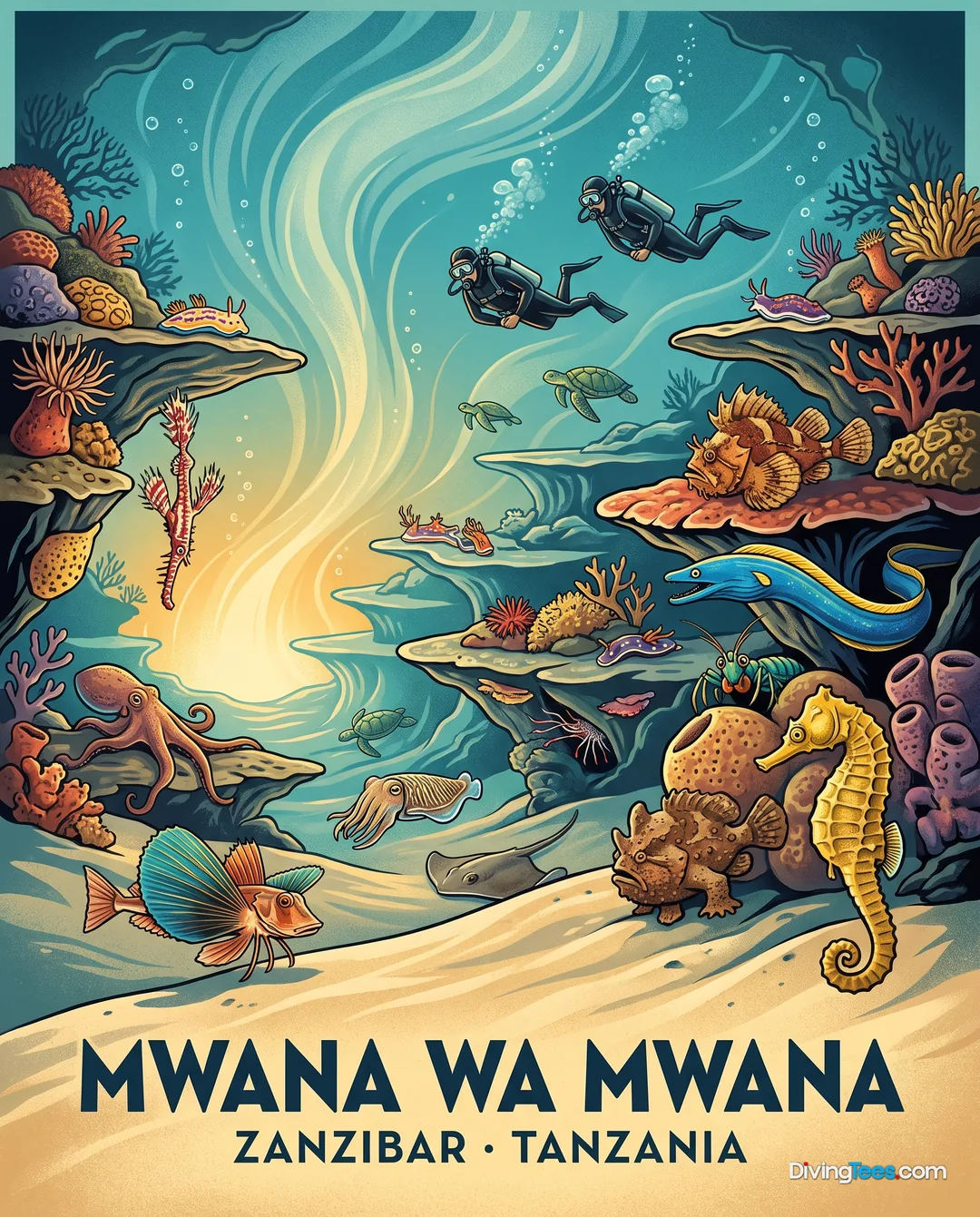
Diving Turtle Reef: the marine life you’ll meet
Diving conditions
The site has a depth range of 5 to 30 metres. It requires an Advanced level of certification and experience with drift diving is highly recommended due to the moderate currents. Visibility typically ranges from 15 to 25 metres. The best conditions are generally found from November to March, with visibility often remaining good through April.
Three dives not to miss
Map of hotels, dive sites and dive centres in Zanzibar
Dive centres in Zanzibar

Kibwana Divers Zanzibar
Zanzibar
Google 4.9/5 (246 reviews)
5.4 km away as the crow flies
Nearest hotel: 320 m
Zanzibar Queen Hotel
Google 4.7/5 (570 reviews)
Hotels in Zanzibar
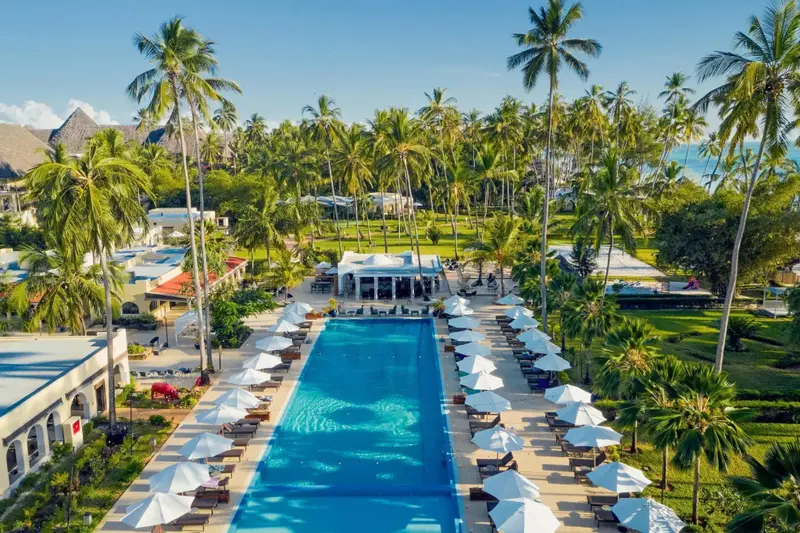
TUI Blue Bahari Zanzibar
Zanzibar
Google 4.8/5 (4,024 reviews)
12 km away as the crow flies
Nearest dive centre: 1.7 km
Zanziocean Dive Centre
Google 4.8/5 (96 reviews)
Frequently asked questions about Turtle Reef
When should you dive Turtle Reef?
You will generally find favorable conditions at Turtle Reef from November to March, with visibility often remaining good through April. Visibility typically ranges from 15 to 25 metres, allowing you to view the coral slope, deeper coral blocks, and fish schools clearly as you move along the reef.
What certification and current experience do you need for Turtle Reef?
Turtle Reef requires an Advanced level of certification, and experience with drift diving is highly recommended. Moderate currents carry you along the coral slope and bring nutrients to feeding fish. You will need to manage your buoyancy carefully so you stay near the reef rather than drifting into deeper sections or open water.
How deep is Turtle Reef?
Turtle Reef follows a descending coral slope from approximately 5 metres to 30 metres. You begin over a relatively shallow reef surface, then move past coral formations into deeper, more broken coral blocks. This gradual profile lets you navigate different depth zones as the terrain changes toward the southern tip of Mnemba.
What can you see at Turtle Reef?
At Turtle Reef, you can frequently encounter green turtles, along with grouper, snapper, surgeonfish, clownfish in anemones, and octopuses among the coral blocks. Large schools of blue jacks and other carangid species appear near the southern tip, where current and surge create active feeding zones along the reef edge.