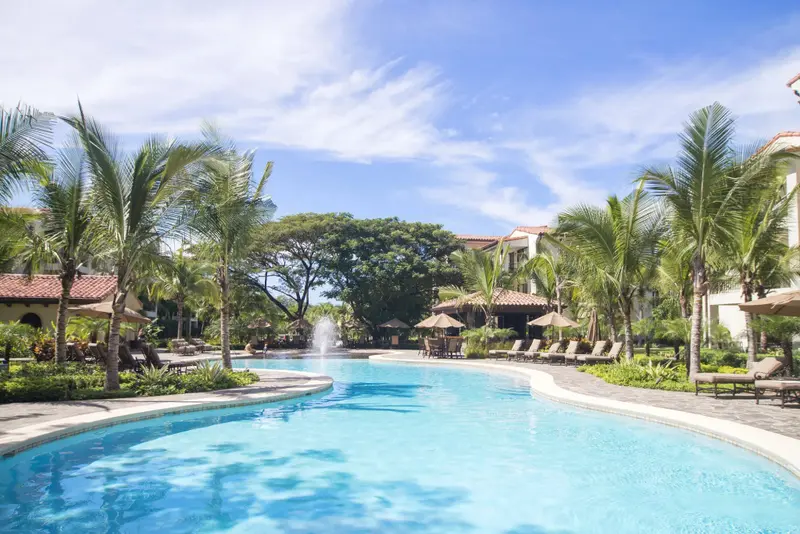
Breeze Private Residence Club
★★★★
Google 4.4/5 (195 reviews)
less than 1 km away as the crow flies
Dive centre · Playa Flamingo · Costa Rica
4.7540 Google reviewsAccess the remote Bat Islands and the Pacific Giant Mantas via a dedicated fleet of seven purpose-built dive boats.
For subtitles in English: start the video firstthen click the gearat the top right of the video, select “Subtitles/CC”, then “Auto-translate” and choose “English”.
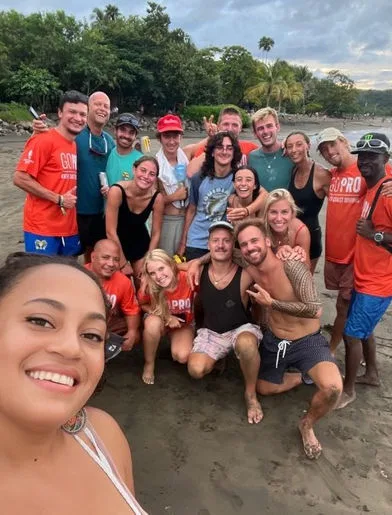
Rocket Frog Divers operates out of Playas del Coco in the Guanacaste province, serving as a primary gateway to the Pacific waters of Costa Rica. The centre is positioned just minutes from the main beach area, providing a convenient base for divers looking to explore the offshore islands and protected marine zones.
Since 2013, the centre has established itself as a professional hub for both recreational and professional training. They focus on high-standard excursions to some of the most remote and biologically diverse sites in the region, particularly the protected waters of the far north.
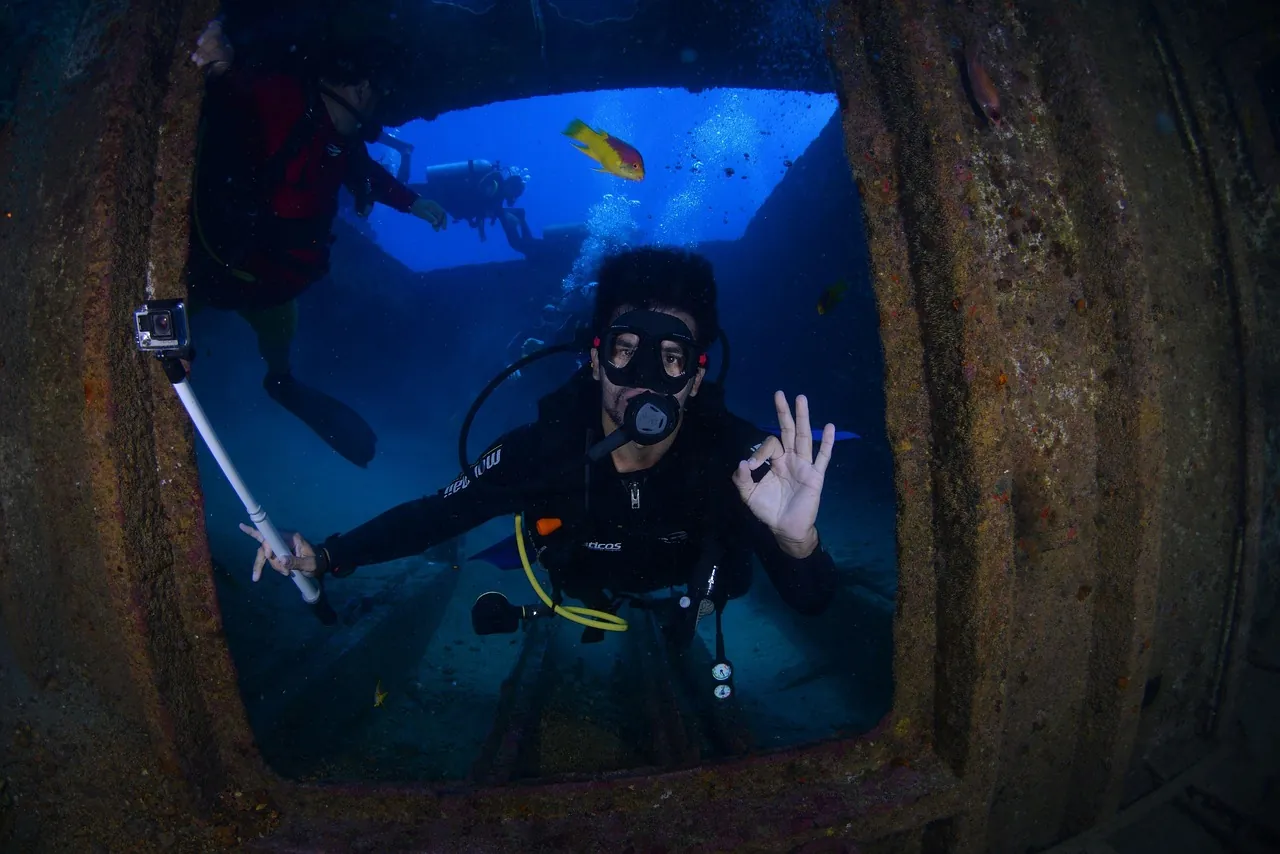
As a PADI 5 Star IDC Dive Centre, Rocket Frog Divers is equipped to handle everything from introductory dives to professional instructor development. The team is experienced in managing the logistics required for long-distance trips to remote offshore locations.
Instruction is provided in both English and Spanish, ensuring clear communication for international divers. The centre offers a comprehensive suite of training, including the Divemaster Internship and full PADI Instructor Courses, making it a destination for those looking to advance their professional careers.
The training programme is extensive, covering the entire PADI progression. Beginners can start with Discover Scuba Diving, moving through to Open Water Diver and Advanced Open Water Diver certifications.
For more experienced divers, the centre offers the Enriched Air (Nitrox) course, as well as Rescue Diver training. Professional pathways are also a core part of their offering, including the Divemaster Internship and the PADI Instructor Course.
The centre operates a fleet of seven purpose-built dive boats, specifically designed for the conditions of the Pacific coast. These vessels are equipped with powerful engines to ensure quick and reliable transit to distant sites like the Bat Islands, which is approximately a 50-minute boat ride from the shop.
The boats are designed with comfort and performance in mind, featuring spacious layouts and elevated sun decks for relaxing between dives. Nitrox is available on board for divers looking to extend their bottom time during offshore excursions.
The dive shop provides a range of services for divers preparing for their trips. Nitrox is available for use, catering to those looking to optimise their dive profiles on longer trips to the Catalinas or Bat Islands.
For those not travelling with a full kit, rental equipment is available to ensure you are ready for the day's itinerary. The centre is located conveniently near the local amenities of Playas del Coco.
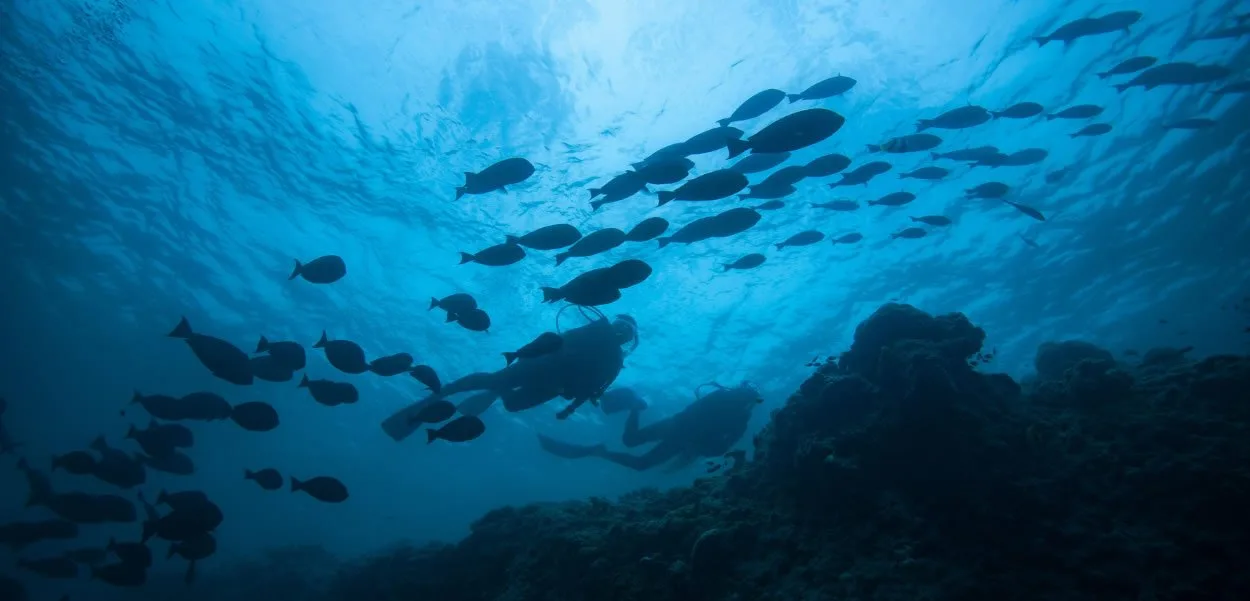
The Bat Islands (Isla Murciélago) are a world-class destination located at the edge of Santa Rosa National Park. This remote area is one of the few places in Costa Rica where you can encounter bull sharks, alongside large schools of devil rays and manta rays.
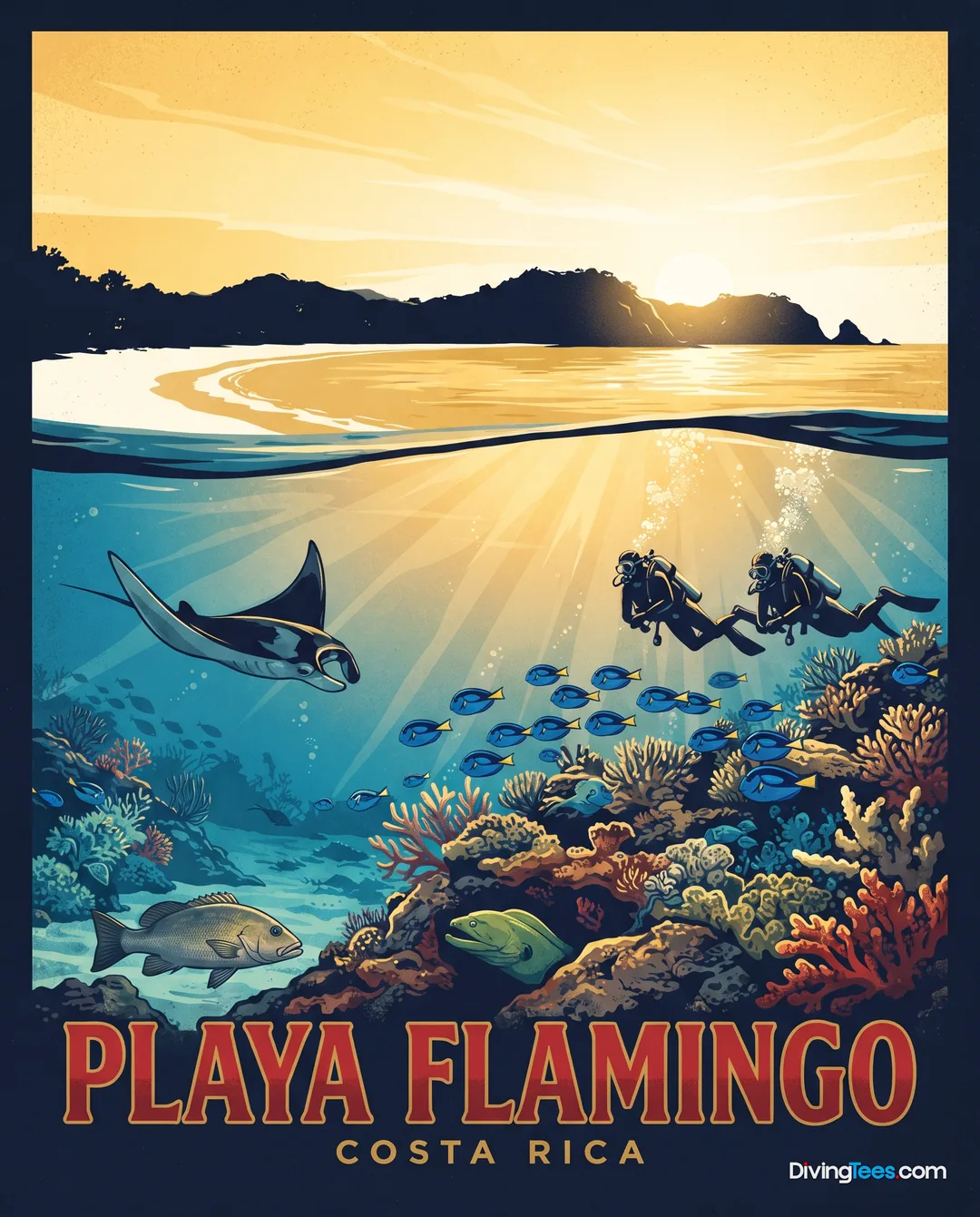
The Catalinas Islands are situated about a half-hour boat ride away and offer the best chance in the country to swim with Pacific Giant Mantas. The isolated nature of these islands attracts large schools of fish, and you may occasionally see whale sharks or orcas.
Shark Shallows is a local site with depths reaching approximately 18 metres. It is a frequent spot for manta ray sightings and hosts a variety of resident life, including various species of rays and moray eels.
And some of the dive sites the centre runs.
The region is renowned for its large pelagic species. During the rainy season from mid-May until late November, the Bat Islands become a prime location for bull shark encounters. Between December and March, the Catalinas Islands host the Pacific Giant Manta season.
You can also encounter humpback whales around October, and whale sharks are seen occasionally. Sea turtles are a constant presence, with olive ridley turtles appearing year-round on the Pacific coast and leatherback sea turtles appearing from October to March.
On the reef and sandy bottom, you will find a diverse range of life including stingrays, round rays, and various species of eels such as the Panamenic Green Moray and the golden moray. Other common residents include spadefish, cornetfish, and various species of angelfish and butterflyfish.
For those interested in macro life, the area supports nudibranchs, seahorses, and various species of moray eels. The reefs are also home to a variety of smaller organisms including trumpet fish and various crustaceans.
Diving in this region is heavily influenced by the seasons. The rainy season, from mid-May to late November, generally offers the best visibility, warmest temperatures, and the most abundant marine life, though it also brings smaller crowds.
During the dry season from December to March, the swell can become quite choppy, which can make crossing the gulf to the Bat Islands more difficult. However, this period is the peak season for Pacific Giant Mantas at the Catalinas Islands.
Hello, I'm Marina, DivingDeal.com's AI assistant. I answer in detail about hotels, dive centres and liveaboards.
Thinking about the whole trip and the flights? Talk it over with Edith →
Marina is an AI. Some links are affiliate links: DivingDeal may earn a commission, at no extra cost to you. Bookings are made with the partner.
Your last day stays dry: no diving in the 18-24 hours before a flight, the perfect window to see the destination from another angle.
 Nature
⏱ 5 h · ★ 5.0 (45 reviews)
from £300$401€358
see on Viator ↗
 Culture
⏱ 1 h · ★ 4.7 (9 reviews)
from £46$61€54
see on Viator ↗
 Nature
⏱ 3 h · ★ 5.0 (4 reviews)
from £144$193€172
see on Viator ↗

⏱ 2 h · ★ 4.0 (2 reviews)
from £76$101€91
see on Viator ↗
Ratings and reviews collected by Viator and Tripadvisor.