

ChrisDiving, Christian Demierre
Google 4.9/5 (346 reviews)
2.6 km away as the crow flies
Playa Flamingo · Costa Rica · Americas
The Catalina Islands offer a dynamic and biologically diverse dive experience, renowned for frequent pelagic encounters, especially with giant oceanic manta rays and a variety of sharks, against a backdrop of unique volcanic underwater landscapes.
For subtitles in English: start the video firstthen click the gearat the top right of the video, select “Subtitles/CC”, then “Auto-translate” and choose “English”.
The Catalina Islands, an isolated archipelago of 7 rocky islands, rise as a chain of volcanic needles from the Pacific floor, located about 30 to 45 minutes by boat from Playa Flamingo or a half-hour boat ride from Playas del Coco. This geological structure, with its varied underwater landscapes, creates a series of dive sites, offering over 13 identifiable dive spots shaped by volcanic activity, featuring substantial underwater canyons, grottos, and pinnacles, including named spots like El Classico and Pyelas. This topography creates varied habitats, drawing in both large pelagic species and a rich array of reef marine life.
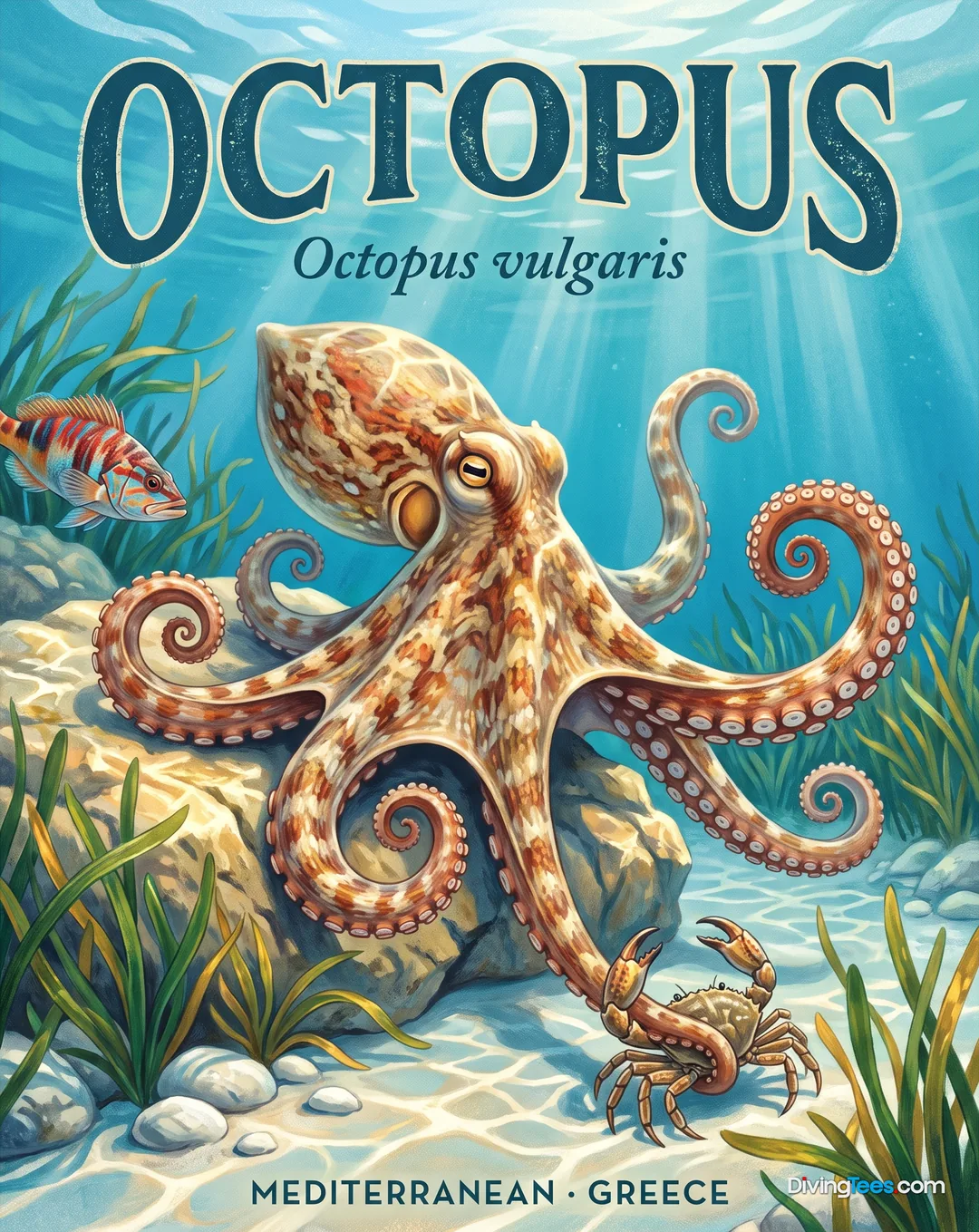
The islands act as a focal point where warm and cooler currents converge, concentrating nutrients and attracting a broad spectrum of marine life, making each descent a journey into a biologically diverse environment. As you descend, you'll find these structures acting as aggregation points for schools of fish, setting the stage for wide-angle encounters. Your dive profile here will often involve navigating around these submerged rock formations. From the moment you descend, you'll find large schools of tropical fish moving across the rocky bottoms. These schools are a constant presence, swirling around the formations and providing a dynamic backdrop to the deeper encounters with larger pelagics. The volcanic substrate itself hosts a variety of octopuses (Octopus vulgaris) and echinoderms, adding detail to the macro environment alongside the larger creatures that pass through.
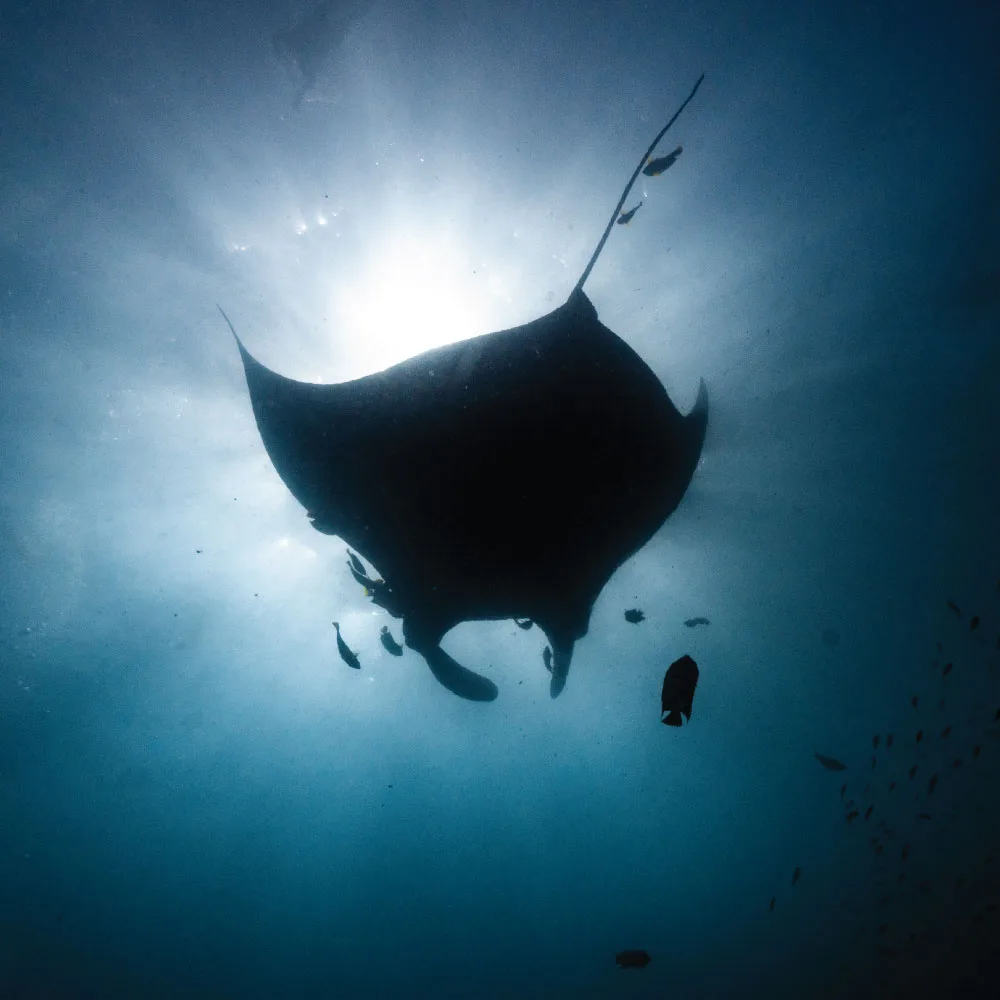
The area is particularly renowned for its pelagic encounters, with giant oceanic manta rays (Mobula birostris) being a primary draw, especially between December and May, and specifically from December to March when they congregate for feeding. These are not static encounters; you often find yourself observing them gracefully gliding through the water column, often near cleaning stations or in areas with denser plankton, unconcerned by divers. Beyond the mantas, various other ray species are common, including eagle rays (Aetobatus narinari) and large schools of mobula rays, sometimes appearing in significant numbers. These encounters often occur in the mid-water column or along the edges of the rock formations where currents dictate their movement.
Shark sightings are frequent and varied across the Catalina Islands. White-tip reef sharks (Triaenodon obesus) are a consistent presence, often resting on the sandy patches or cruising along the reefs. You may also observe black-tip sharks, nurse sharks (Ginglymostoma cirratum), and, on occasion, bull sharks (Carcharhinus leucas) or even whale sharks (Rhincodon typus), particularly during specific seasons. These apex predators are drawn to the rich food sources aggregated by the currents and the shelter provided by the volcanic structures.
Beyond the prominent pelagics, the islands support a thriving ecosystem of reef inhabitants. Immense schools of grunts (Haemulon album) are common sights, along with jacks (Caranx ignobilis), snappers (Lutjanus kasmira), and occasionally yellowfin tuna (Thunnus albacares). Moray eels are common, tucked into crevices, while diverse pufferfish and porcupinefish navigate the rocky terrain. Turtles are regularly spotted, often encountered gliding through the water or resting on ledges. The complexity of the volcanic architecture offers numerous hiding spots and feeding grounds for a wide array of smaller marine life, including lobsters, scorpionfish (Scorpaenidae spp.), and trumpetfish.
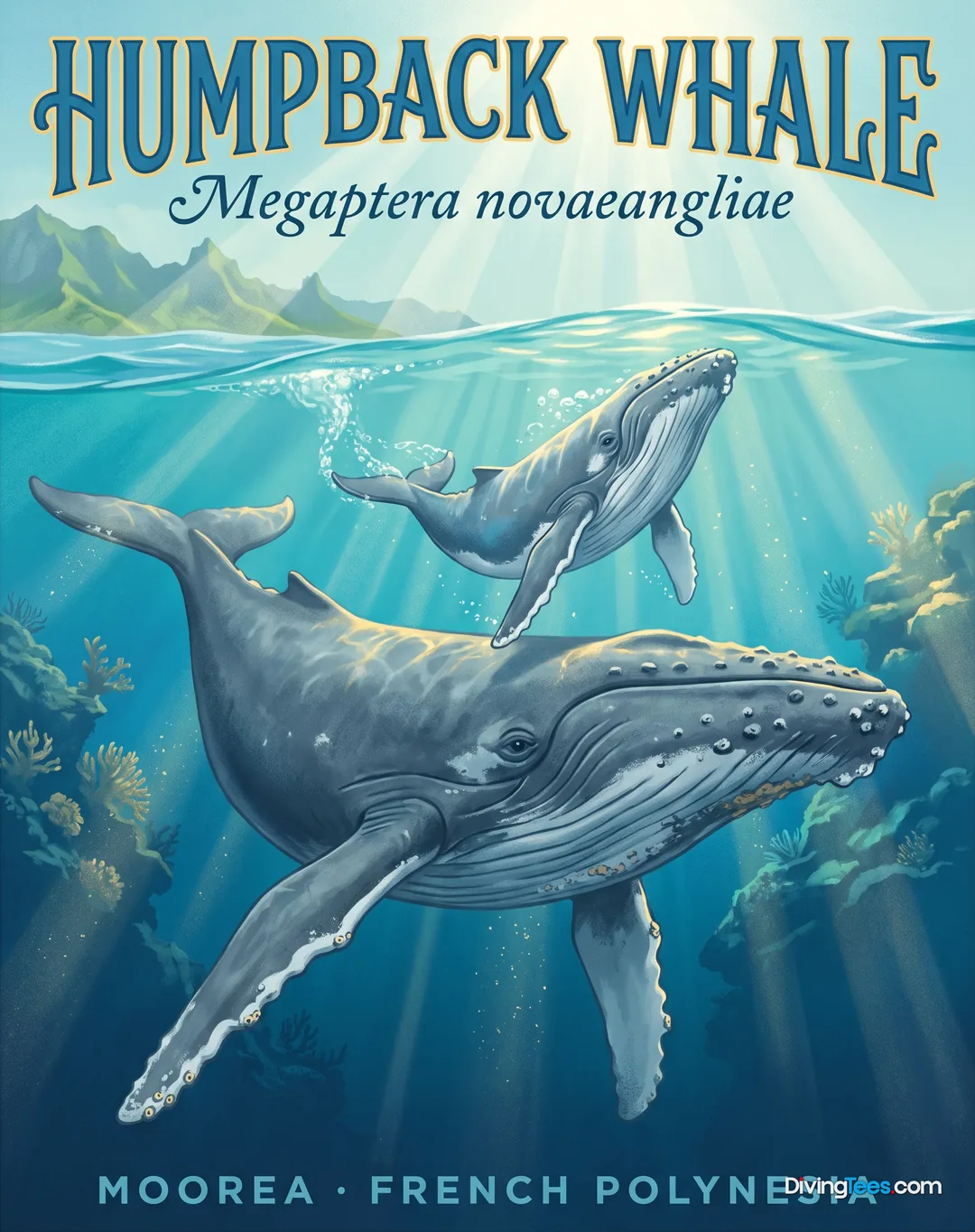
Seasonal visitors enhance the dive experience at Catalinas. Whale sharks (Rhincodon typus) are occasionally sighted, drawn to the seasonal plankton blooms, and you might also encounter orca whales (Orcinus orca). During the months of June to September, humpback whales (Megaptera novaeangliae) are known to be in the area, and sightings from the boat are possible. Dolphins (Delphinus delphis) are also frequent visitors, sometimes observed playing near the dive boats. These surface events contextualize the underwater experience, highlighting the broader marine ecosystem of this part of the Pacific. These transient encounters add an unpredictable element to diving here, underscoring the dynamic nature of this offshore environment.
The topography features deeper sections and pinnacles that appeal to extended bottom times for experienced divers, while the shallower reef flats and protected areas cater to less experienced divers seeking to build confidence in Pacific diving conditions. The varied marine life and diverse dive profiles mean that repeat visits to Catalinas Islands often reveal something new, from unexpected pelagic visitors to subtle behavioural observations of resident reef species. Each dive offers a different perspective on this rich ecosystem.
This site is accessible to Open Water Divers, though Advanced Open Water Diver certification is recommended for areas with stronger currents due to the site's exposure. Dive depths will typically stay within recreational limits, with the shallowest areas beginning around 10 metres and dropping to around 20 metres or deeper in parts. Current can range from moderate to strong, particularly in certain channels or during tidal changes, so maintain awareness of your position and conserve energy; good buoyancy control and dive planning are essential. Visibility at Catalina Islands can vary significantly, ranging from 3 metres to 30 metres. This variability is a characteristic of sites where strong currents and nutrient-rich waters are common. While lower visibility can occur, especially with plankton blooms that attract large filter feeders, it often coincides with increased pelagic activity. Visibility is generally best from May through mid-November, reaching 10 to 30 metres. The best period for manta ray encounters is from December to May, with optimal season from December to March, though visibility can be reduced during this period due to increased plankton. Other pelagics like certain shark species and whales have different seasonal peaks.
You can find the best visibility at Catalina Islands from May through mid-November, when it generally reaches 10 to 30 metres. Giant oceanic manta rays are especially present from December to May, with December through March described as their optimal season. During this period, plankton may reduce visibility while attracting mantas and other pelagic life.
Catalina Islands are accessible to Open Water Divers, while Advanced Open Water Diver certification is recommended for areas affected by stronger currents and the site's exposure. Varied dive profiles include shallower reef flats and protected areas for less experienced divers, while deeper sections and pinnacles appeal to experienced divers seeking extended bottom times.
At Catalina Islands, the shallowest areas begin around 10 metres, while parts of the site drop to around 20 metres or deeper. Dive depths typically remain within recreational limits, but the volcanic landscape includes deeper sections and pinnacles. Your profile may involve navigating around canyons, grottos, pinnacles, and other submerged rock formations.
Currents at Catalina Islands can range from moderate to strong, particularly in channels or during tidal changes. Maintain awareness of your position, conserve energy, and use good buoyancy control and dive planning. These currents bring nutrient-rich water that attracts manta rays, white-tip reef sharks, rays, tropical fish, morays, octopuses, turtles, and other pelagic species.