
Gaspars Dive N Board
Google 5/5 (253 reviews)
United States · Americas
Hard-bottom reefs and artificial wrecks lie offshore, while Lemon Bay brings dolphins, manatees and bird-rich estuary water into the same shore-based holiday.
For subtitles in English: start the video firstthen click the gearat the top right of the video, select “Subtitles/CC”, then “Auto-translate” and choose “English”.
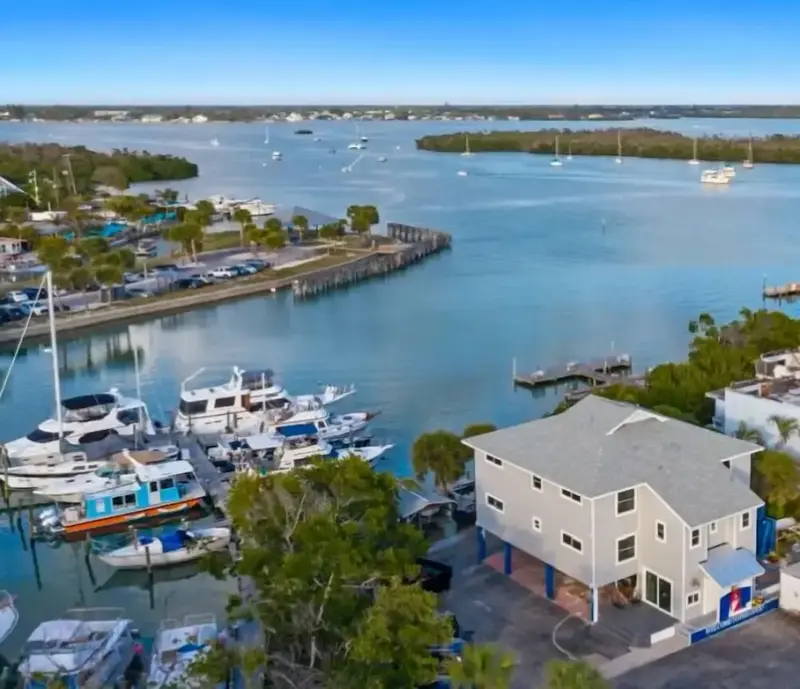
Englewood is a Florida Gulf Coast base where a dive day begins at a local marina and heads offshore by boat, rather than from a liveaboard. The underwater choice is between hard-bottom reef and artificial wrecks, with some shallower profiles suitable for a first outing and deeper wrecks farther out. Back on land, Lemon Bay adds dolphins, manatees, birds and estuary scenery, so a non-diving companion has something substantial to do while you are at sea.
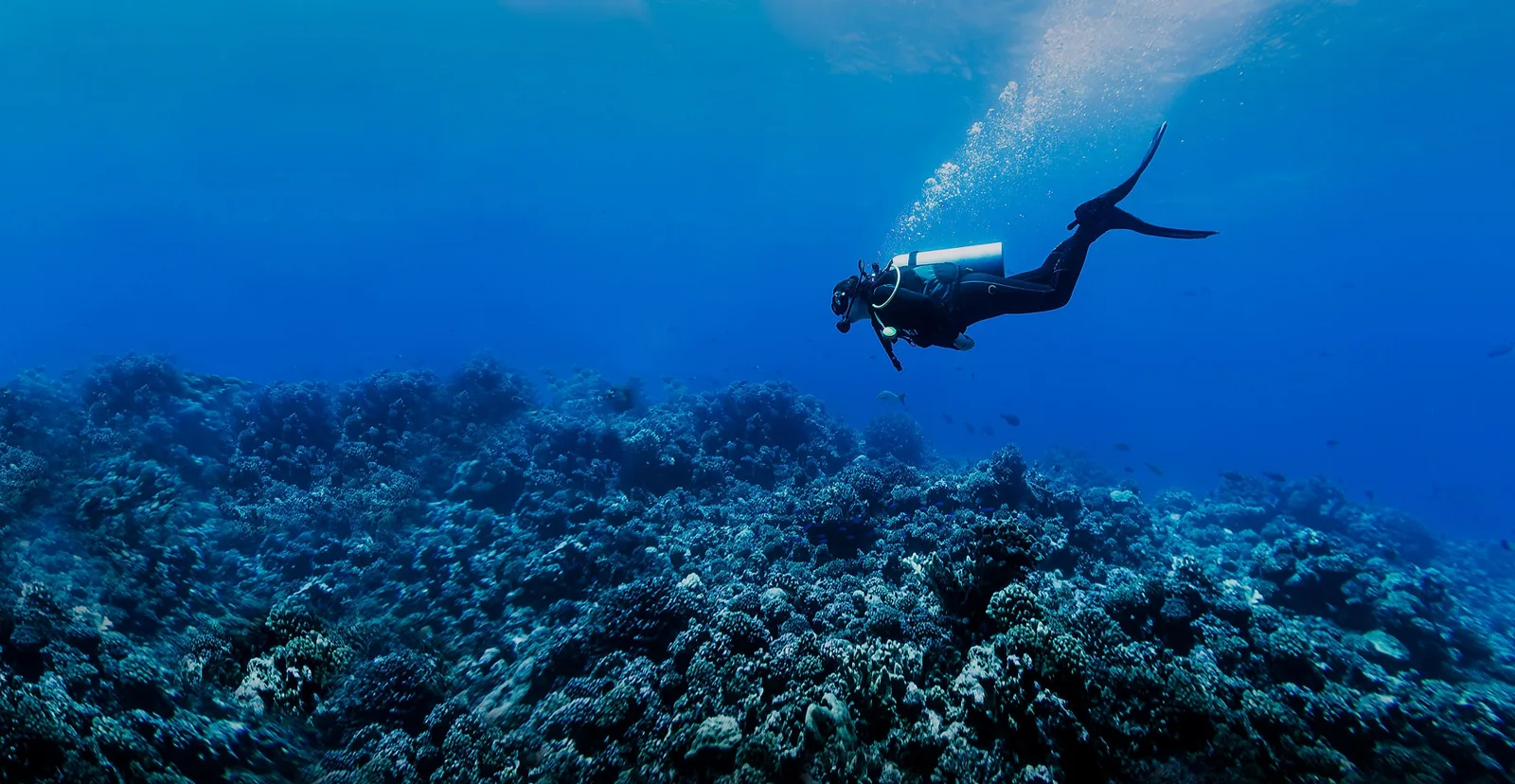
The local diving alternates between hard-bottom reef, artificial wrecks and the contrasting habitats around Lemon Bay. Some reef and wreck profiles sit at roughly twelve to twenty-one metres, while deeper wrecks lie farther offshore. Expect a boat outing from an Englewood or Placida marina, with nearby sites commonly reached in about half an hour, although weather decides the timetable. Current is variable rather than a defining feature, and conditions can change markedly between sheltered Lemon Bay and the open Gulf of Mexico. Visibility is the main practical uncertainty: plankton, estuary turbidity, runoff, wind, swell and thunderstorms can turn coastal water noticeably cloudier than the offshore reef and wreck sites. Underwater, the dive is generally a straightforward boat descent over reef or wreck structure, followed by a normal ascent and safety stop, not a specialist expedition.
Rays and snappers are regular encounters around the reefs and artificial wrecks, with occasional nurse sharks adding interest to the larger structures. Juvenile kingfish may appear during summer, when warmer water and increased plankton bring a different feel to the sites. Lemon Bay is a separate wildlife proposition rather than a guaranteed extension of the offshore dive. Its estuary and coastal waters support dolphins, manatees, fish, crabs and numerous birds, and these are best approached as wildlife-watching possibilities from a boat, kayak or shore excursion. A manatee or dolphin sighting in the bay should not be treated as a promise of seeing either animal underwater in the Gulf. That distinction matters, particularly for visitors choosing Englewood for its coastal fauna as much as for its wrecks.
Winter and spring are the sensible starting point for a dive trip because the water is generally clearest then, giving hard-bottom reefs and wrecks a better chance of showing their shape. Summer brings warmer water but also more plankton, afternoon thunderstorms and reduced visibility, while tropical disturbances can interrupt departures. The result is a destination where a good forecast in Lemon Bay does not automatically mean a comfortable run into the Gulf of Mexico. There is no need to write off summer altogether, but the schedule should remain flexible and the clearest-water period suits divers who want the most predictable underwater views.
Englewood suits divers from Open Water level upwards, including BSAC, PADI and SSI divers looking for manageable boat profiles. Ask for a shallow reef or wreck on the first outing if your experience is limited, rather than assuming every offshore wreck is alike. Advanced Open Water training is useful for deeper sites and wreck profiles. Nitrox can make sense on a two- or three-dive day when the centre and site profile support it, but the real dividing line here is depth, current and the visibility on the day.
From London, whether departing via LHR or LGW, or from Manchester, Englewood should be planned as an air journey followed by an onward road transfer. It is a road destination on Florida’s south-west coast, with no compulsory ferry for reaching the mainland. The diving itself starts from marinas in Englewood and nearby Placida, so allow time after the flight for the road leg rather than planning a same-day boat departure too tightly. Once there, a hire car is the practical way to link accommodation, marina and beaches. A taxi may cover the journey from accommodation to the dive centre, but there is no standard hotel shuttle to rely on. Local barrier-island ferries may be relevant for particular outings, not for reaching Englewood itself.
Keep at least one spare day in the diving plan. Wind and swell can stop a Gulf departure even when Lemon Bay looks calm, and summer afternoon storms can change the day’s timetable. Book several diving days rather than tying the whole trip to one boat outing. On arrival, ask for a shallow Open Water reef or wreck before committing to a deeper offshore wreck, and check the profile rather than judging a site by its name. Treat Lemon Bay wildlife separately: dolphins and manatees are possible there, not guaranteed underwater on the Gulf sites. Pack sun protection for the boat, a waterproof way to store valuables and something that will tolerate waiting around in changing weather. If visibility is poor near the estuary, favour the offshore reef or wreck when the sea state permits, and do not assume that a calm bay means clear water outside it.
Allow three to five diving days within a five- to seven-day stay. That gives room to move a Gulf trip when wind, swell or storms intervene, while leaving time for both reef and wreck outings. Non-divers can use the same base for Lemon Bay kayaking or paddleboarding, dolphin and manatee trips, beaches, birdwatching, fishing, boating and fossil shark-tooth hunting. Keep the final day for coastal activities rather than a tight diving schedule before flying.
Hello, I'm Marina, DivingDeal.com's AI assistant. I guide you through destinations, areas and countries.
Thinking about the whole trip and the flights? Talk it over with Edith →
Marina is an AI. Some links are affiliate links: DivingDeal may earn a commission, at no extra cost to you. Bookings are made with the partner.
Winter and spring are the sensible starting points because water is generally clearest then, giving hard-bottom reefs and wrecks a better chance of showing their shape. Summer brings warmer water, more plankton, afternoon thunderstorms and reduced visibility. Keep your schedule flexible because wind, swell and tropical disturbances can interrupt Gulf departures.
Englewood suits divers from Open Water level upwards, including BSAC, PADI and SSI divers. If your experience is limited, ask for a shallow reef or wreck on your first outing. Advanced Open Water training is useful for deeper sites and wreck profiles, while changing depth, current and visibility remain the practical considerations.
Offshore, you can explore hard-bottom reefs and artificial wrecks, with rays and snappers around the structures and occasional nurse sharks. Juvenile kingfish may appear during summer. Lemon Bay offers a separate wildlife experience, where dolphins, manatees, fish, crabs and numerous birds may be seen from a boat, kayak or shore excursion.
Plan several diving days and keep at least one spare day so wind, swell or storms can move a Gulf departure. Allow time after your flight for the road transfer, and use a hire car to connect accommodation, marinas and beaches. Keep your final day for coastal activities rather than diving before flying.