
NeverDry Divers
Google 5/5 (139 reviews)
United States · Americas
Lava arches, volcanic craters, turtles and humpback whales shape Maui’s diving, from sheltered coastal reefs to boat trips towards Molokini and Lanai.
For subtitles in English: start the video firstthen click the gearat the top right of the video, select “Subtitles/CC”, then “Auto-translate” and choose “English”.
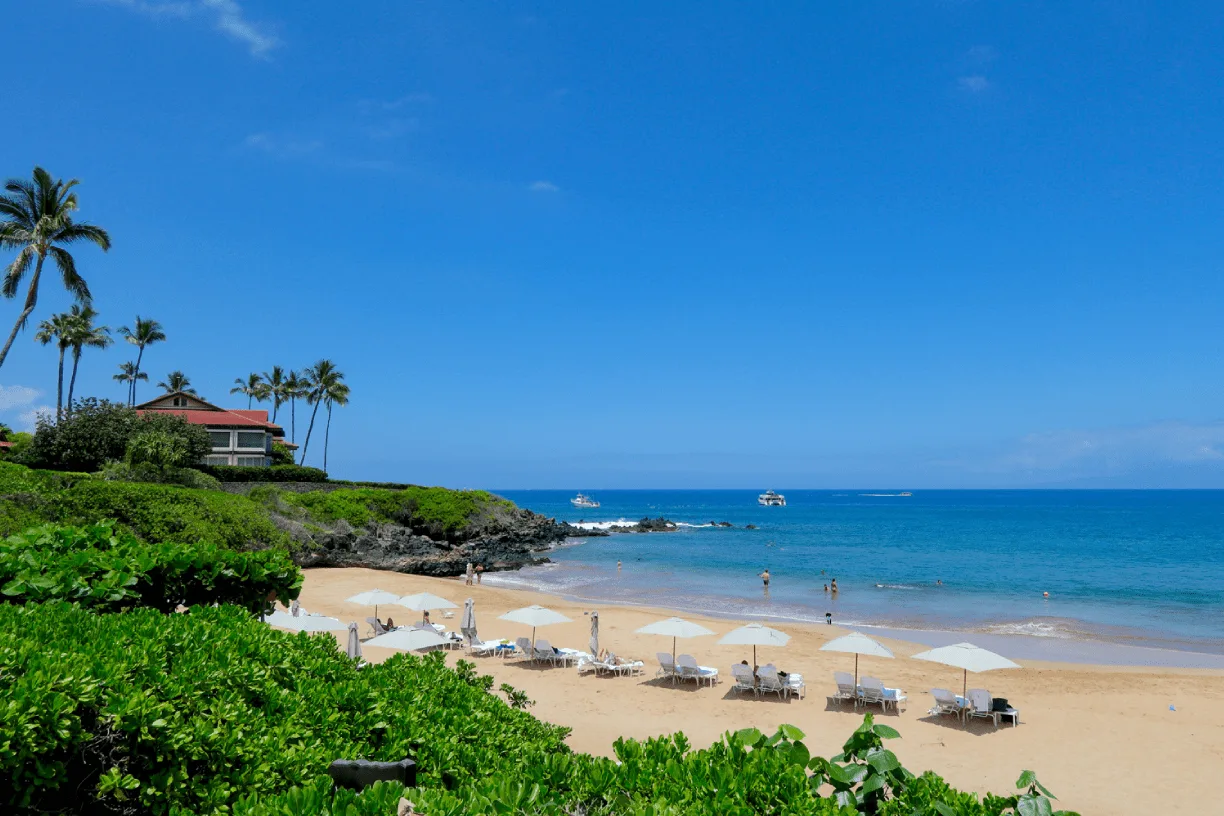
Maui is a land-based island diving holiday built around volcanic scenery. From the coast, you can reach lava reefs and turtle sites without committing to a full day at sea. Boats head offshore to Molokini, a protected volcanic crater, or across to Lanai for walls, arches and cavities. That gives the week a useful rhythm: straightforward coastal dives, early starts by boat and enough non-diving time for beaches, inland volcanic landscapes or whale watching in winter.
Underwater, Maui is shaped by lava rather than coral gardens. Coastal reefs, dark volcanic formations, cavities and arches provide the structure, while Molokini adds sheltered crater diving and more exposed outer walls. Lanai brings the stronger sense of a wall dive, with lava cliffs dropping away and openings to explore. Currents are variable. Inside Molokini they can be manageable, but outside the crater they may become more demanding, particularly as the trade winds build during the afternoon. Treat any downcurrent or drift dive profile as conditional on the briefing and the day’s sea state, not as a default. Visibility is commonly around 15 to 30 metres and can be better offshore, although swell, storms, runoff and winter plankton can quickly affect coastal water. Most boat diving is arranged as morning outings, when conditions around Molokini are usually kinder.
Turtles are one of Maui’s dependable underwater encounters, especially on suitable coastal reefs. They may be resting over lava or moving across the reef, but their presence is not an invitation to close the distance. Molokini’s no-take protection supports conspicuous fish and invertebrate life around its volcanic habitats, while the walls and cavities of Lanai add the pleasure of searching rather than simply crossing open sand. The seasonal change comes above and around the boat as much as below it. Humpback whales are present from November to May, usually with the strongest winter presence, and may be heard or seen during outings in the Maui Nui basin. Winter water can also be less clear, so whale season and best underwater visibility do not perfectly coincide.
April to October is the most dependable period for diving, with generally calmer sea conditions and better visibility. The practical reason is exposure: winter brings more North Pacific swell, which can close or downgrade exposed coastal sites and make the crossing to Molokini uncomfortable. From late spring through summer and into early autumn, morning boat trips are more likely to run as planned, while visibility commonly settles into the 15 to 30 metre range. November to February is not a write-off, because sheltered sites can remain usable and humpback whales return, but it is the season to allow for weather changes and a less predictable boat programme.
Maui suits newly qualified divers as well as experienced travellers, because sheltered coastal sites can be matched to modest experience. The qualification matters less than an honest assessment of comfort in current and on volcanic walls. Advanced Open Water is useful for deeper profiles and the more demanding sections around Molokini or Lanai. Nitrox makes sense for repeated diving days, provided the diver is trained and current. Anyone planning the outer crater or a wall should be comfortable holding position, managing gas and completing a safety stop without clinging to the rock.
From London Heathrow, London Gatwick or Manchester, reaching Maui means an air journey with transpacific connections, usually taking roughly 20 to 30 hours overall depending on the itinerary. Once on the island, diving is organised around several harbours and coastal sectors, including Maalaea, Kihei and Lahaina, so the final road leg matters. A hire car is useful for changing sectors and reaching a departure harbour, although an organised transfer can cover a specific outing. Molokini has no shore access and must be reached by boat from Maui. Lanai is also reached by boat from Maui; a public ferry from Lahaina can be used when that service is operating. Build connection time into the journey rather than assuming a quick onward transfer.
Put Molokini or Lanai near the beginning of the holiday, not on the last available day. A winter swell can cancel the crossing, and a spare day gives the trip somewhere to go instead. Book the boat days with the forecast in mind, then keep a coastal alternative available. At Molokini, an early departure is more than a convenience: currents can strengthen as the winds rise, especially outside the sheltered crater. Do not fight a downcurrent or cling to the lava while trying to stay with the group, because gas use and separation can become problems quickly. Check the local conditions before attempting an exposed coastal entry after swell. Bring your own computer and thermal protection if you have them, particularly for repeated dives, when a light 3 mm suit may feel less generous. Expect turtles to be watched, not approached or touched. The same applies to coral, lava and every animal. Molokini is no-take, and its moorings exist to avoid anchoring on the seabed.
Plan on a seven- to ten-day land-based stay rather than a liveaboard. Base yourself with the departure harbour in mind, since crossing the island every morning wastes time and leaves less flexibility when weather changes. Combine a Molokini morning, a Lanai outing and coastal diving with a reserve day. A car makes that arrangement easier. Non-divers have beaches, snorkelling, volcanic landscapes, Hana and winter whale-watching, so the island works well when only part of the party is diving.
Hello, I'm Marina, DivingDeal.com's AI assistant. I guide you through destinations, areas and countries.
Thinking about the whole trip and the flights? Talk it over with Edith →
Marina is an AI. Some links are affiliate links: DivingDeal may earn a commission, at no extra cost to you. Bookings are made with the partner.
Choose Maui from April to October for generally calmer seas, more dependable morning boat trips and visibility commonly around 15 to 30 metres. November to February can still offer sheltered coastal diving and returning humpback whales, but winter swell may affect exposed sites, Molokini crossings and the predictability of the boat programme.
Maui suits newly qualified divers when you choose sheltered coastal sites, while experienced divers can consider more demanding volcanic walls and outer crater sections. Advanced Open Water training is useful for deeper profiles. You should be comfortable managing gas, holding position and completing a safety stop without clinging to lava.
Maui offers lava reefs, volcanic formations, cavities, arches and walls rather than coral gardens. You may encounter turtles resting over coastal reefs, conspicuous fish and invertebrates around protected Molokini, and lava cliffs around Lanai. From November to May, humpback whales may be seen or heard during outings in the Maui Nui basin.
Plan a seven- to ten-day land-based stay around your departure harbour, with a Molokini morning, a Lanai outing, coastal diving and a reserve day. Book boat trips early in the holiday so weather changes do not remove them, keep a coastal alternative available, and consider a car for reaching different harbours.