
Jim’s Dive Shop
Google 4.9/5 (114 reviews)
United States · Americas
Blackthorn, Sheridan and the USS Narcissus sit among artificial reefs, bridge debris, pipes and tanks, reached by charter boat from Florida’s Pinellas County.
For subtitles in English: start the video firstthen click the gearat the top right of the video, select “Subtitles/CC”, then “Auto-translate” and choose “English”.
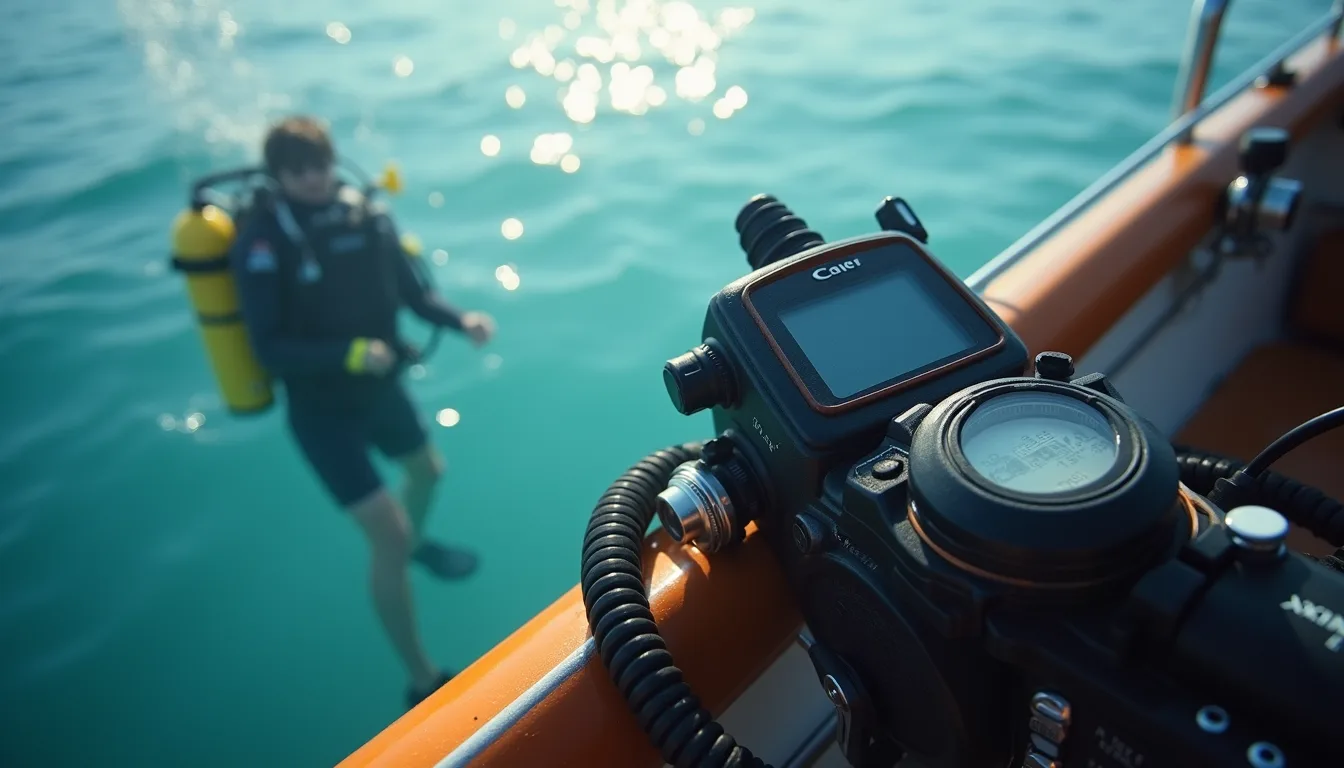
Blackthorn is one of the names that defines diving around St. Petersburg, alongside Sheridan and USS Narcissus. These wrecks sit within a wider spread of artificial reefs, bridge debris, pipes, tanks and natural reliefs across Pinellas County’s offshore waters. It is a Florida base for divers who enjoy examining structure rather than following a continuous tropical coral reef. Some sites remain shallow enough for Open Water divers, while the larger wrecks reward greater depth experience and careful planning from a charter boat.
The underwater landscape changes from shallow artificial reef modules to deeper wrecks, with concrete, steel, pipes, tanks and sections of bridge debris creating ledges, openings and shaded undersides. Blackthorn and Sheridan are close enough to feature in the same day’s planning, while USS Narcissus adds a more demanding wreck option. Currents are variable rather than a defining constant, so the descent, route and ascent may feel different from one outing to the next. Visibility is strongly affected by wind, swell, rainfall and coastal run-off, and can be better in summer and early autumn. Most dives are boat dives, with the reef or wreck selected according to sea conditions, certification and the charter’s running time. Expect a proper offshore outing, not a quick shore entry followed by a short swim to a site.
The structures are the attraction, but they are not empty steel and concrete. Artificial reefs and wrecks provide surfaces and shelter for sponges, corals and fish, with life gathering around the edges, beneath overhangs and inside openings. A torch helps reveal what daylight leaves in shadow, particularly around wreck access points and the undersides of modules. Encounters are tied more to the condition of each structure and the day’s visibility than to a dependable seasonal wildlife calendar. The character is therefore one of close inspection: moving along a rail, beam or concrete form, pausing at a hole, and watching fish use the wreck as habitat. The destination suits divers who enjoy finding life on human-made relief rather than expecting a continuous coral garden.
May to October is generally the most practical period, with the end of spring through early autumn offering warmer water and calmer surface conditions. Summer and the beginning of autumn also tend to provide the clearest opportunity to appreciate the wrecks and reef structures, although visibility still responds quickly to wind, swell, rainfall and coastal run-off. Winter remains possible, but rougher waves and changing conditions can make a planned offshore day less predictable. Build flexibility into the trip rather than treating every booked day as guaranteed, especially when the aim is a deeper wreck or a site farther from harbour.
The area works for all levels, provided the site matches the diver. Shallow artificial reefs can suit Open Water divers, while Blackthorn, Sheridan, USS Narcissus and other deeper wrecks call for stronger experience and, in practice, Advanced training. A Wreck certification is useful for understanding overhead hazards and any permitted penetration. An open wreck is not automatically a confined-space dive, and penetration should only be considered when the training, equipment, gas plan and briefing all support it.
From London Heathrow, Gatwick or Manchester, plan the journey around reaching the St. Petersburg and Pinellas County area, then allow a road transfer to the harbour used by the charter. Tampa is the usual regional air gateway, followed by driving through local traffic rather than stepping straight onto a boat. Once there, a hire car, taxi or arranged vehicle transfer is the practical way to connect accommodation with the departure point. Harbour choice matters because sites range from roughly 200 yards to 38 miles offshore, and the most convenient departure for one wreck may not be the nearest to another. Leave room in the itinerary for connections, traffic and a changed boat plan.
Book the boat before relying on any diving at all. Shore diving is limited, and the sites that give this area its character are offshore. Ask exactly what the day covers: a shallow artificial reef, a deeper wreck, an outside tour or a permitted penetration. Use the Pinellas County artificial reef maps to understand where the site lies and whether the advertised running time makes sense. If maximising the day matters, look for combinations such as two nearby wrecks, or a wreck with an artificial reef. Carry a torch for openings and shaded structure, even when penetration is not planned. Do not arrive with the expectation of a tropical coral-reef holiday, and do not book only one boat day. Wind, waves and visibility can alter the plan, so three to five diving days give the trip useful breathing space.
This is a land-based diving holiday, with daily boat trips from St. Petersburg, Gulfport, St. Pete Beach or nearby communities. Allow around five to seven days on site for three to five diving days, leaving time for weather changes and non-diving days. A hire car, taxi or local transport connects accommodation with the chosen harbour. Non-divers have beaches, museums, cultural districts, coastal parks, kayaking and paddleboarding, as well as days out to Fort De Soto and the barrier islands.
Hello, I'm Marina, DivingDeal.com's AI assistant. I guide you through destinations, areas and countries.
Thinking about the whole trip and the flights? Talk it over with Edith →
Marina is an AI. Some links are affiliate links: DivingDeal may earn a commission, at no extra cost to you. Bookings are made with the partner.
May through October is generally the most practical period, with warmer water and calmer surface conditions from late spring into early autumn. Summer and early autumn may offer better visibility, but wind, swell, rainfall and coastal run-off can change conditions quickly. Winter diving remains possible, though offshore plans may be less predictable.
St. Petersburg offers sites for different experience levels when the site matches your training. Shallow artificial reefs can suit Open Water divers, while Blackthorn, Sheridan, USS Narcissus and other deeper wrecks require stronger experience and, in practice, Advanced training. Wreck certification is useful for understanding overhead hazards and permitted penetration.
You can explore Blackthorn, Sheridan and USS Narcissus, along with artificial reef modules, bridge debris, pipes, tanks and other human-made structures. Sponges, corals and fish gather around ledges, openings, overhangs and shaded undersides. A torch can reveal life and details inside shadowed areas, even when penetration is not planned.
Arrange the charter before depending on any diving, then plan a land-based stay with daily boat trips from a suitable harbour. Allow flexibility for traffic, weather and changed boat plans, especially when visiting deeper or more distant sites. A hire car, taxi or arranged transfer can connect your accommodation with the departure point.