
Maui Dive Shop
Google 4.5/5 (202 reviews)
United States · Americas
Green turtles over lava formations, coral shallows, and the deep exposed wall of Molokini shape Wailea’s contrasting South Maui diving.
For subtitles in English: start the video firstthen click the gearat the top right of the video, select “Subtitles/CC”, then “Auto-translate” and choose “English”.
Green turtles move among lava formations and coral structure on Wailea’s house reef, where shallow water makes a straightforward introduction to South Maui. From the same base, a road journey reaches Makena Landing and Turtle Town, while boats head for Molokini and Five Caves. The contrast is the attraction: an easy shore dive one morning, then a current-affected wall in open water when conditions and experience allow. Wailea is a land-based diving holiday, with beaches and island touring for non-divers.
Wailea’s diving shifts between shallow lava and coral formations from the shore, sheltered bays such as Makena Landing, and boat dives around Molokini. The house reef lies roughly 15 to 35 feet deep, with green turtles a regular feature. Visibility there is commonly 6 to 18 metres, and can be better offshore, although swell, surge and current quickly alter the picture. Molokini’s crater offers boat diving, while the Backwall is a separate proposition: a deep, exposed drift dive in open water, without a mooring line. It is not simply a deeper version of the sheltered crater dives. Five Caves adds another boat option, and site selection is made according to the morning’s sea conditions. Shore diving is practical, but an easy depth does not automatically mean an easy entry or exit.
Green turtles are the familiar thread through the Wailea house reef and the South Maui sites associated with Turtle Town. The name covers several coastal areas, including the Makena and Maluaka sectors, so sightings belong to the broader coastline rather than one guaranteed underwater meeting place. A night dive at Makena Landing or the house reef changes the cast and the behaviour: octopus, crustaceans, morays, turtles and parrotfish sheltering for the night become the focus. Humpback whales are regularly present from December to April, adding a seasonal reason to look seaward between dives or join a dedicated wildlife outing. The reef has clear structure and recurring fauna, but heavy use around beaches, snorkelling areas and Molokini is part of the setting.
May to September is the most dependable period for Wailea diving because the sea is generally calmer and visibility is usually better. That matters particularly for shore entries, where swell and surge can turn a simple-looking beach into an awkward proposition, and for boat trips whose destinations depend on the morning conditions. Winter, from November through March, brings larger swells and can close or change some sites, although coastal alternatives may still work. December to April is also the period for humpback whales, so winter trades calmer diving conditions for a chance of seasonal whale encounters. Early departures remain sensible in any season, before wind, traffic on popular sites or changing sea state complicates the plan.
Wailea can suit beginners when the entry, visibility and sea state are favourable, particularly at the house reef, Ulua or Mokapu. These sites also make sensible first dives before moving to more exposed water. More demanding boat dives need comfort with current and changing conditions. The Molokini Backwall is for experienced divers with suitable deep and drift-diving training, including an Advanced Open Water qualification or equivalent experience. A PADI, SSI or BSAC diver should judge this site by actual depth and current experience, not by familiarity with the easier crater dives.
From London or Manchester, reach Maui by air, then continue to Wailea by road. There is no ferry or additional domestic flight to organise after arriving on the island, but connections make the journey worth planning rather than treating it as a simple direct hop. Wailea is reached by road from other parts of Maui as well, so a hire car, taxi or arranged shuttle can form part of the onward journey. Once in the resort area, some accommodation and dive operations are close enough for walking or a shuttle, while shore diving usually means carrying equipment from the vehicle or accommodation down to the beach. Boat trips to Molokini and other South Maui sites are arranged from the coast.
Ask which part of Turtle Town is planned, rather than booking the name as though it were one fixed site. The operator may switch sectors when swell, surge or current changes, and a beach that looks convenient can still have an awkward water entry or exit. For a first dive, Ulua, Mokapu or the house reef gives a better read on your comfort than going straight to exposed water. Keep mornings for the main dives, when sea conditions and visibility are generally more favourable, and leave room for the boat plan to change. Treat Molokini Backwall as a separate, deep drift dive, not as an automatic extra after the crater. If a night shore dive is offered, Makena Landing and the house reef show a different side of the place, with octopus, crustaceans and sleeping parrotfish. Do not build the trip around a guaranteed turtle sighting.
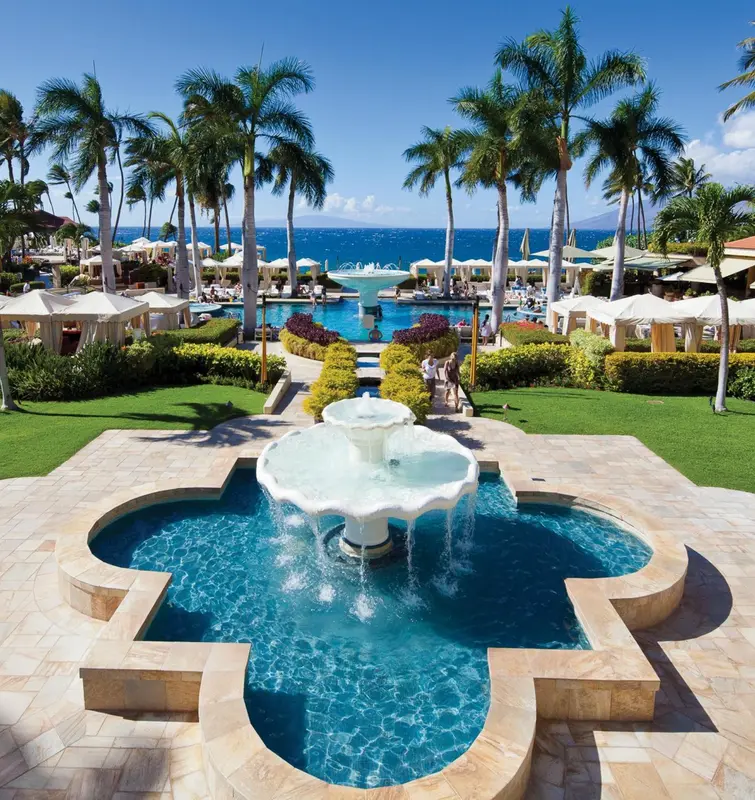
Allow seven to ten days if you want Wailea to work as more than a quick diving stop. A sensible stay mixes shore dives at Wailea or Makena with a boat day for Molokini, then keeps some flexibility for the sea state. Non-divers have beaches, snorkelling, surface watersports, walking and Maui touring close at hand. Whale watching fits the December to April season, while the volcanic landscapes around Makena and inland Maui give a land-based change of pace.
Hello, I'm Marina, DivingDeal.com's AI assistant. I guide you through destinations, areas and countries.
Thinking about the whole trip and the flights? Talk it over with Edith →
Marina is an AI. Some links are affiliate links: DivingDeal may earn a commission, at no extra cost to you. Bookings are made with the partner.
May to September generally brings calmer seas and better visibility, supporting shore entries and boat trips. Winter, from November through March, can bring larger swells and site changes, but December to April offers humpback whale encounters. Early departures help you manage changing sea conditions, wind and busy popular sites.
You can begin at Wailea’s house reef, Ulua or Mokapu when entry conditions, visibility and sea state are favourable. These sites provide a useful first dive before more exposed water. The Molokini Backwall requires experienced divers with suitable deep and drift-diving training, including Advanced Open Water qualification or equivalent experience.
You can see green turtles around Wailea’s lava formations and coral structure, with Turtle Town covering several South Maui coastal areas. Night dives at Makena Landing or the house reef may reveal octopus, crustaceans, morays, turtles and sleeping parrotfish. Boat trips add Molokini crater, its Backwall and Five Caves.
Plan a land-based stay with shore dives at Wailea or Makena, a boat day for Molokini, and flexibility for changing sea conditions. Keep main dives in the morning. You can reach Wailea by road after flying to Maui, while non-divers have beaches, snorkelling and island touring nearby.