
Tiger Fish Divers
Google 4.9/5 (545 reviews)
Vietnam · Asia
Coral reefs, shallow pinnacles, reef fish, lobsters and molluscs meet in the Cù Lao Chàm Marine Protected Area, reached by boat from Hoi An.
For subtitles in English: start the video firstthen click the gearat the top right of the video, select “Subtitles/CC”, then “Auto-translate” and choose “English”.
Coral reefs and shallow pinnacles around Cù Lao Chàm make this a straightforward boat-diving addition to a stay in Hoi An. The appeal is the combination: tropical reef fish, lobsters and molluscs underwater, then an evening in a historic Vietnamese town. It suits divers who want several unhurried days in the water without committing to a liveaboard, while companions have villages, beaches, food and countryside to explore.
The diving takes place by boat around the Cù Lao Chàm islands, on coral reefs, shallow pinnacles and sheltered-looking sites where conditions remain generally moderate. Visibility is commonly around 10 to 15 metres, with better days possible in summer, although rain, coastal run-off, sediment and swell can quickly soften the view. Current is variable rather than a constant feature, but exposed sites can run harder, particularly when visibility improves. Expect ordinary tropical reef profiles rather than deep-water exploration, wrecks or a great-pelagic itinerary. The practical rhythm is a day trip from Hoi An, with the dive sites reached after the sea crossing and the timetable shaped by the weather. Some outings also carry snorkellers, so confirm that the booking is centred on scuba if bottom time matters. The Cù Lao Chàm Marine Protected Area adds a clear conservation setting, but reef quality is uneven rather than uniformly pristine.
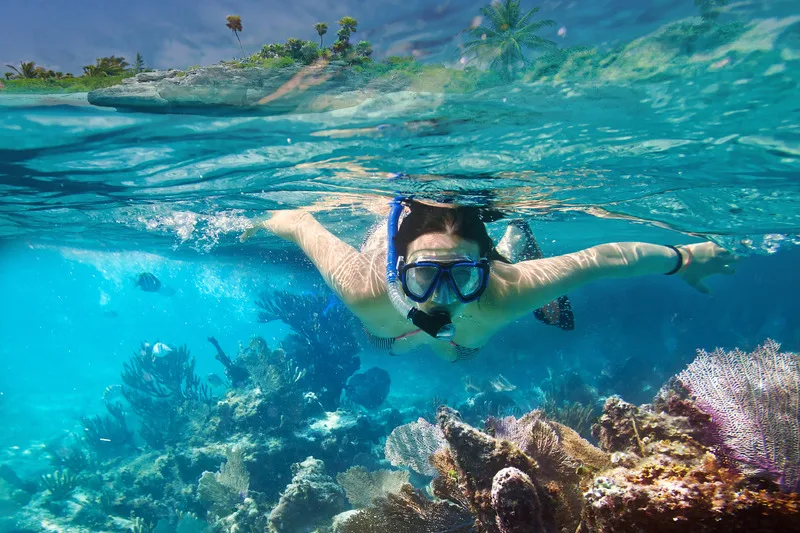
Underwater, the main cast is coral, tropical reef fish, lobsters and molluscs, spread across reefs and pinnacles rather than concentrated around one headline animal. The protected waters around the islands support a substantial variety of coral and fish habitats, but what you see on a particular day depends on visibility, current and the site selected. This is a good place to slow down over small reef detail, especially when the water is clear enough to work close to the coral. It is not a destination to book for regular encounters with large pelagics. Summer offers the most reliable underwater viewing because visibility is usually at its best from June to August, while rain and sediment can make the same reef look much less rewarding outside the main season.
Plan the diving between March and September, with June to August usually giving the clearest and most settled run of conditions. From October to February, the northeast monsoon brings stronger seas, rain and poorer visibility, and local operations generally pause rather than force the issue. March, April, May and September can work well, but leave room for a weather change. The short season matters because every trip involves a boat crossing, not a flexible shore dive. Summer is also the busiest period for day excursions and snorkelling boats, especially around the easiest-access sites and bathing areas.
Cù Lao Chàm suits all levels, including beginners, provided the day’s sea state and current are accepted rather than assumed. PADI, SSI and BSAC divers can approach it with ordinary recreational experience, while newly qualified divers should stay close to the briefing and ask how exposed the chosen site is. The generally moderate profiles are reassuring, but variable current means this is not a place to ignore a guide’s site choice or surface-plan advice. It is better suited to relaxed reef diving than to technical, deep or strongly current-focused ambitions.
From London Heathrow, London Gatwick or Manchester, the journey is by air to Đà Nẵng, followed by a road transfer to Cửa Đại harbour. Hoi An has no direct European air service, so allow roughly 16 to 22 hours overall, depending on the connection and the time needed between the flight and the road leg. From Hoi An, reach the harbour by taxi, on foot where practical, or with an arranged transfer, depending on where you stay. The compulsory sea crossing to Cù Lao Chàm takes about 25 minutes by speedboat, although the precise timing depends on the operator and the sea. Once in Hoi An, most diving logistics are centred on the town and the harbour transfer.
Build in several possible diving days, not just one. A rough sea can cancel the boat, and that risk is greatest around the monsoon or at either end of the operating season. In June to August, reserve ahead because scuba and snorkelling departures are busiest, then check again that your trip is running during transitional weather. Ask specifically for a scuba-led outing rather than a combined excursion where snorkelling takes most of the day. Have the centre match the site and departure time to the current and the number of boats around the popular bathing areas. Treat the place as moderate coastal diving, not as a deep-water or big-animal destination. Bring small personal items and spare accessories if you rely on particular kit, since local availability may be limited. Finally, keep a non-diving day before your return flight: the boat and road links make the timetable more weather-dependent than a shore dive.
Allow four to seven days, using several mornings for boat trips and keeping flexibility for a cancelled departure. Base yourself in Hoi An, where the dive centres are located and the old town, markets, food and countryside fill the non-diving hours. A separate day on Cù Lao Chàm works well for fishing villages, beaches and a slower island visit. The arrangement also suits non-divers, who can snorkel, tour the islands or remain in Hoi An while the diving trip goes out.
Hello, I'm Marina, DivingDeal.com's AI assistant. I guide you through destinations, areas and countries.
Thinking about the whole trip and the flights? Talk it over with Edith →
Marina is an AI. Some links are affiliate links: DivingDeal may earn a commission, at no extra cost to you. Bookings are made with the partner.
Plan diving in Hoi An between March and September, with June to August usually offering the clearest and most settled conditions. From October to February, the northeast monsoon can bring stronger seas, rain and poorer visibility, and local operators generally pause. Keep flexibility because weather can affect every boat crossing.
Hoi An suits beginners and recreational divers, including PADI, SSI and BSAC divers, when sea conditions and current are suitable. The profiles are generally moderate, but current varies and exposed sites can run harder. Newly qualified divers should follow the briefing closely and accept the guide’s site choice and surface-plan advice.
Diving in Hoi An takes you by boat to coral reefs and shallow pinnacles around the Cù Lao Chàm islands. You may encounter tropical reef fish, lobsters and molluscs across varied reef habitats. Visibility is commonly around ten to fifteen metres, while rain, sediment and current can change what you see.
Base yourself in Hoi An, where dive centres and harbour transfers are convenient, and allow several possible diving days because rough seas can cancel boats. A stay of four to seven days leaves room for weather changes, while the old town, markets, food, countryside, beaches and Cù Lao Chàm villages suit non-diving time.