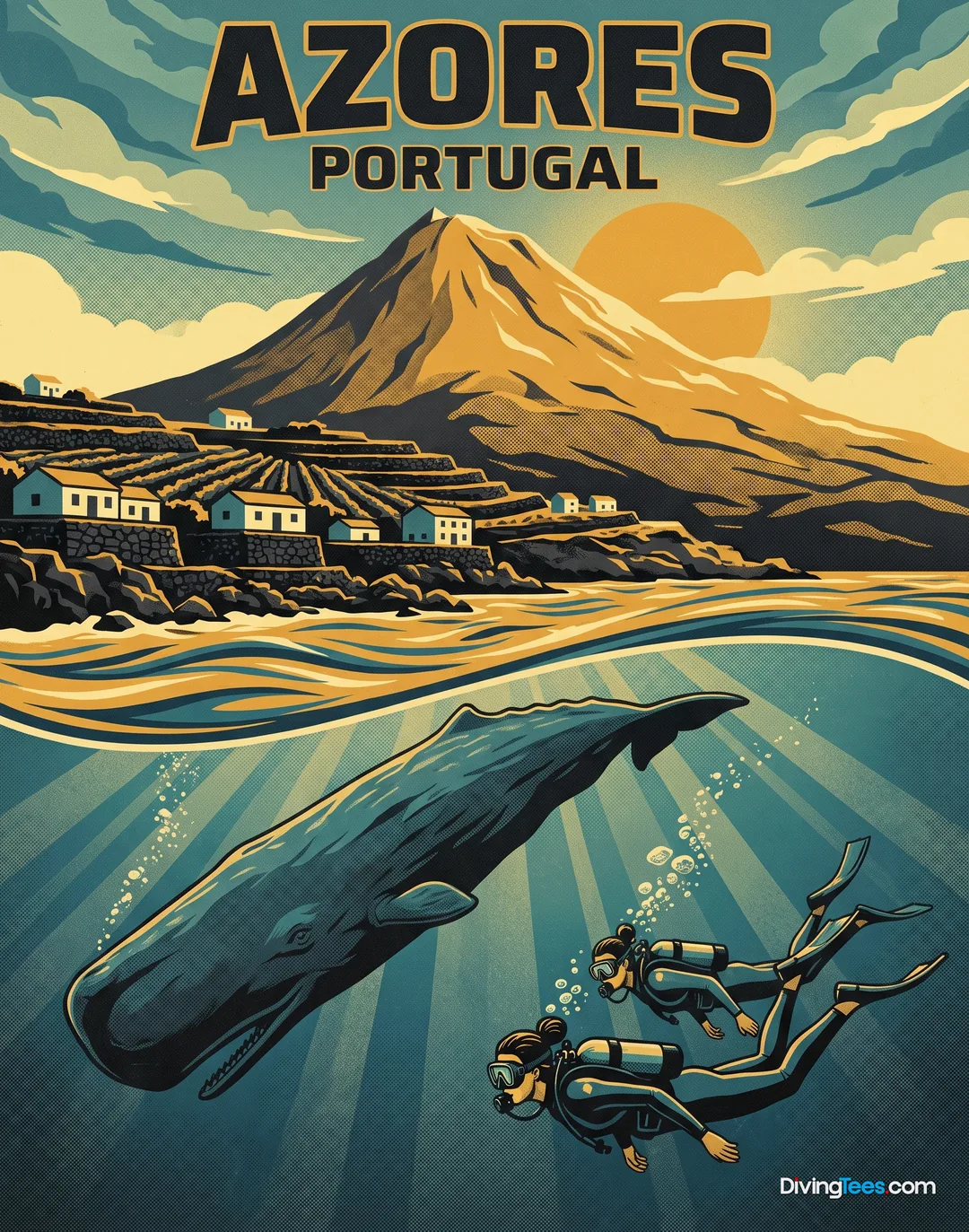
Santa Cruz · Azores · Atlantic
Max. depth · 60 mLourenços, Santa Cruz: Azores Pelagic Pinnacle Dive
Lourenços is an offshore pinnacle near Santa Cruz, where the open ocean brings large pelagic schools and mobula rays to a submerged reef.
What makes this site special
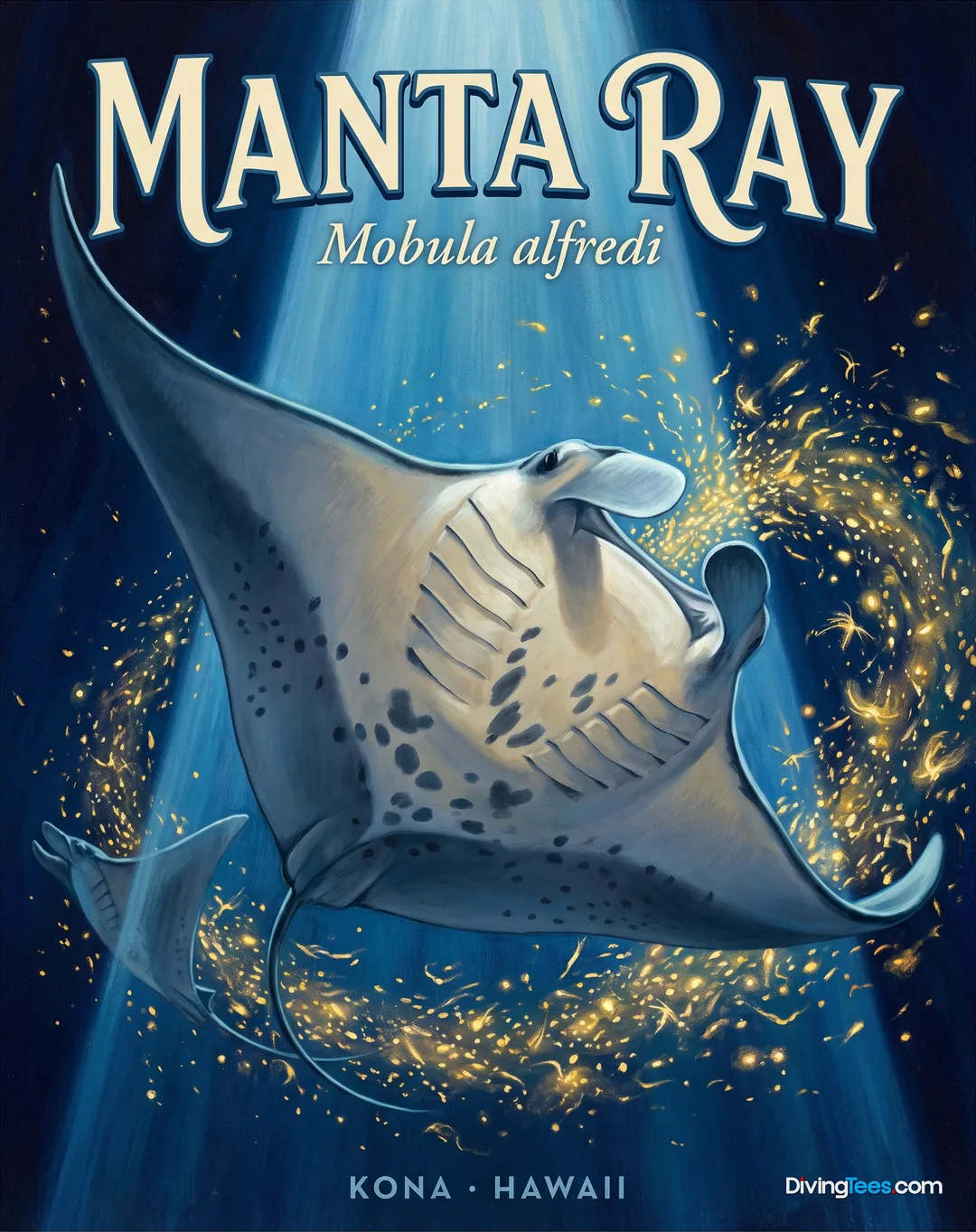
- Encounter groups of mobula rays (jamantas).
- Witness large schools of pelagic fish.
- Dive a high-bank offshore pinnacle.
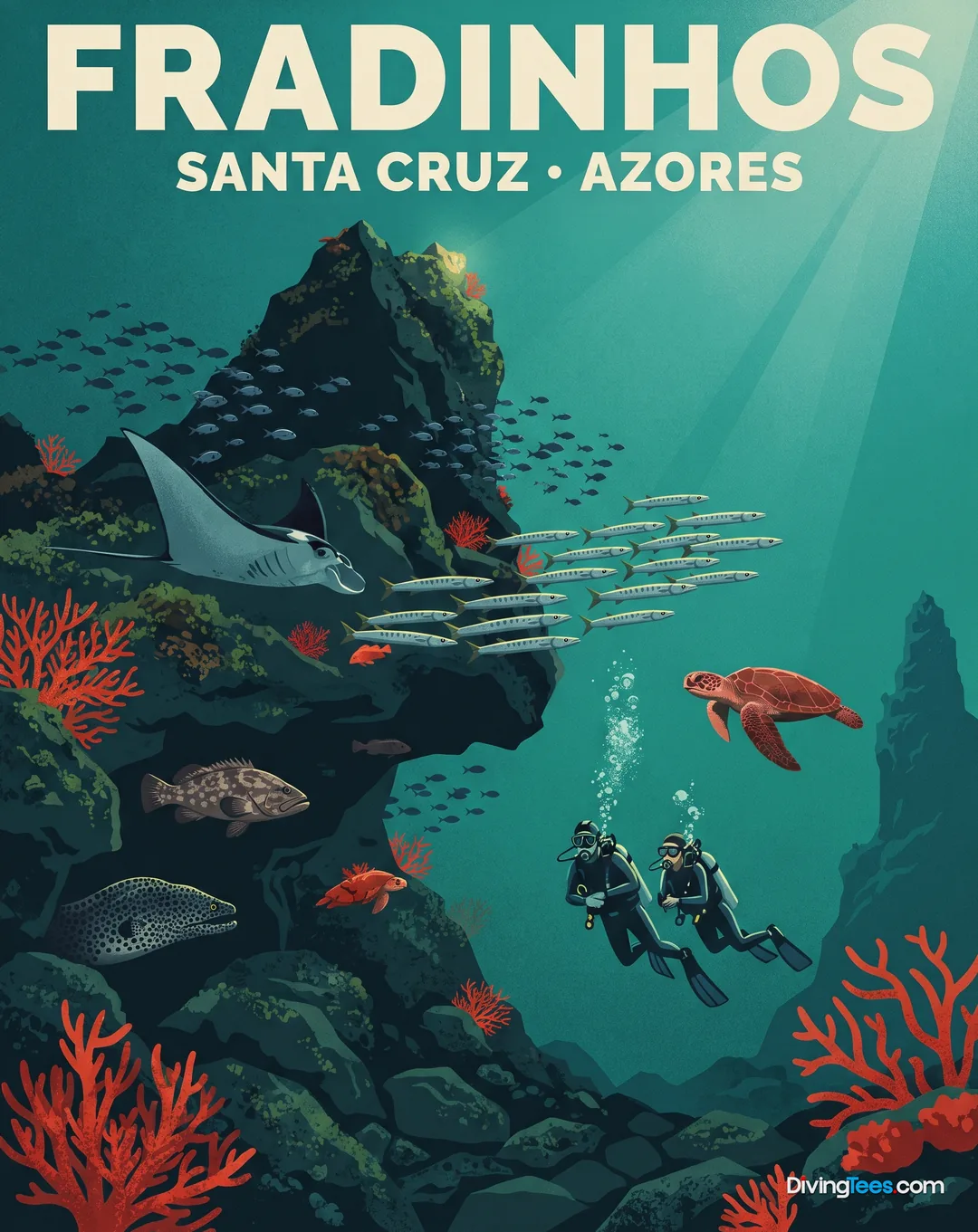
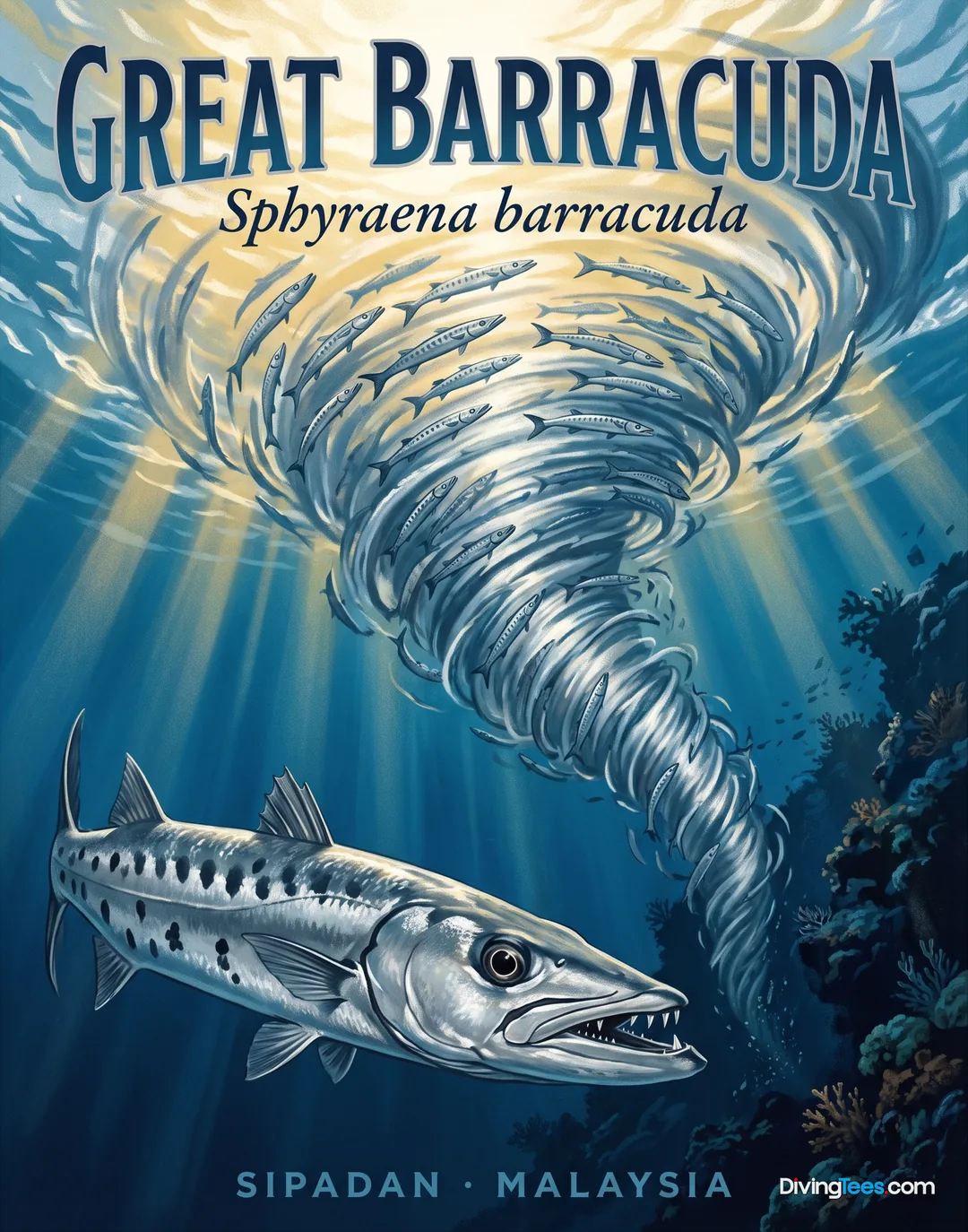
- Observe barracudas, amberjacks, and jacks.
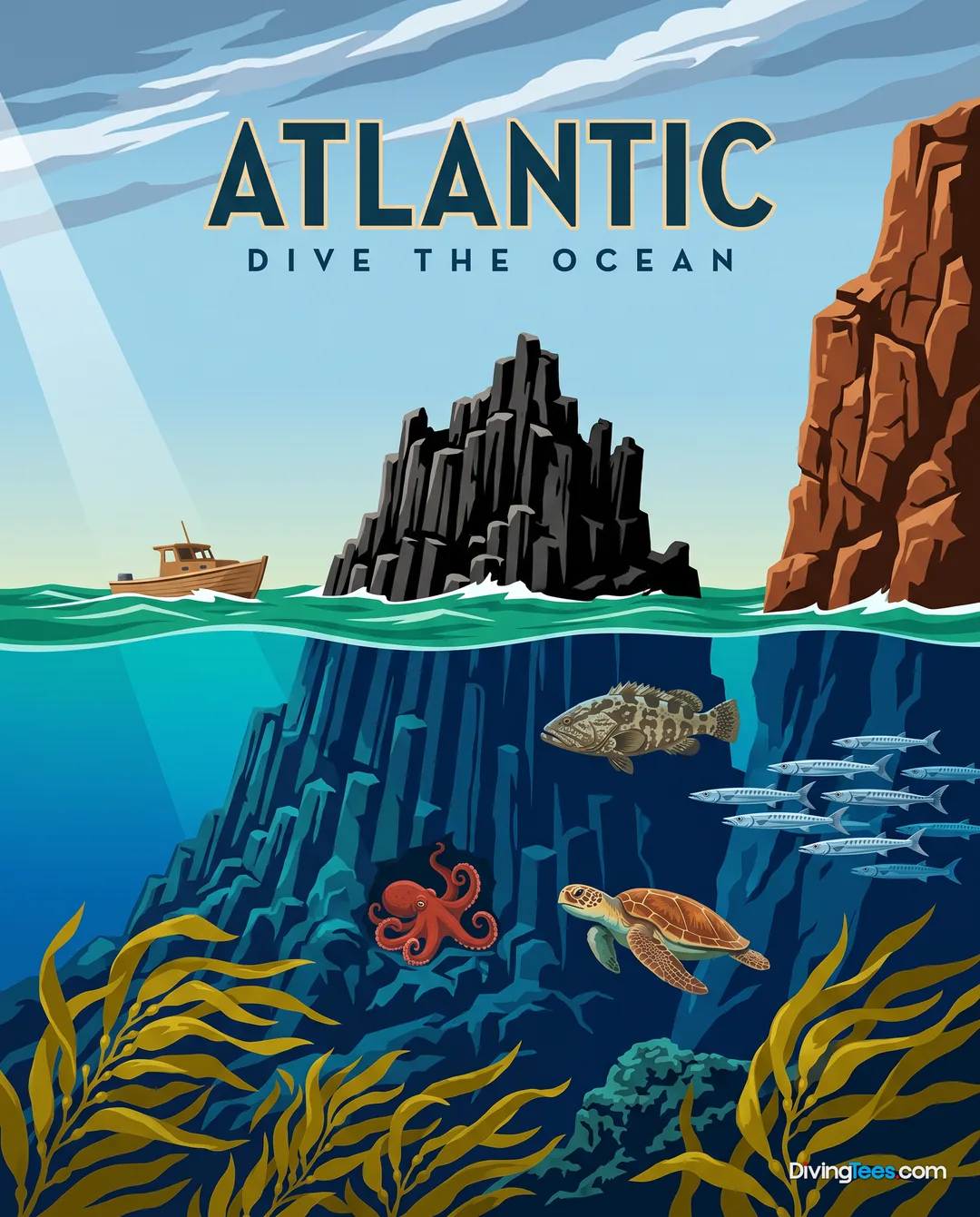
- Find moray eels and scorpionfish on the platform.
- Experience dynamic open-water currents.
Lourenços about the site
Dropping into Lourenços, you're immediately aware of its offshore nature. This isn't a sheltered bay; it's a submerged pinnacle, a high bank rising from depths of 60 metres, located about 2 nautical miles off the west tip of São Miguel Island. The top of the pinnacle begins at 24 metres, quickly expanding into an extensive platform around 30 metres, which is where most of the dive unfolds. This topography acts as a natural beacon, drawing in the larger species that define the site.
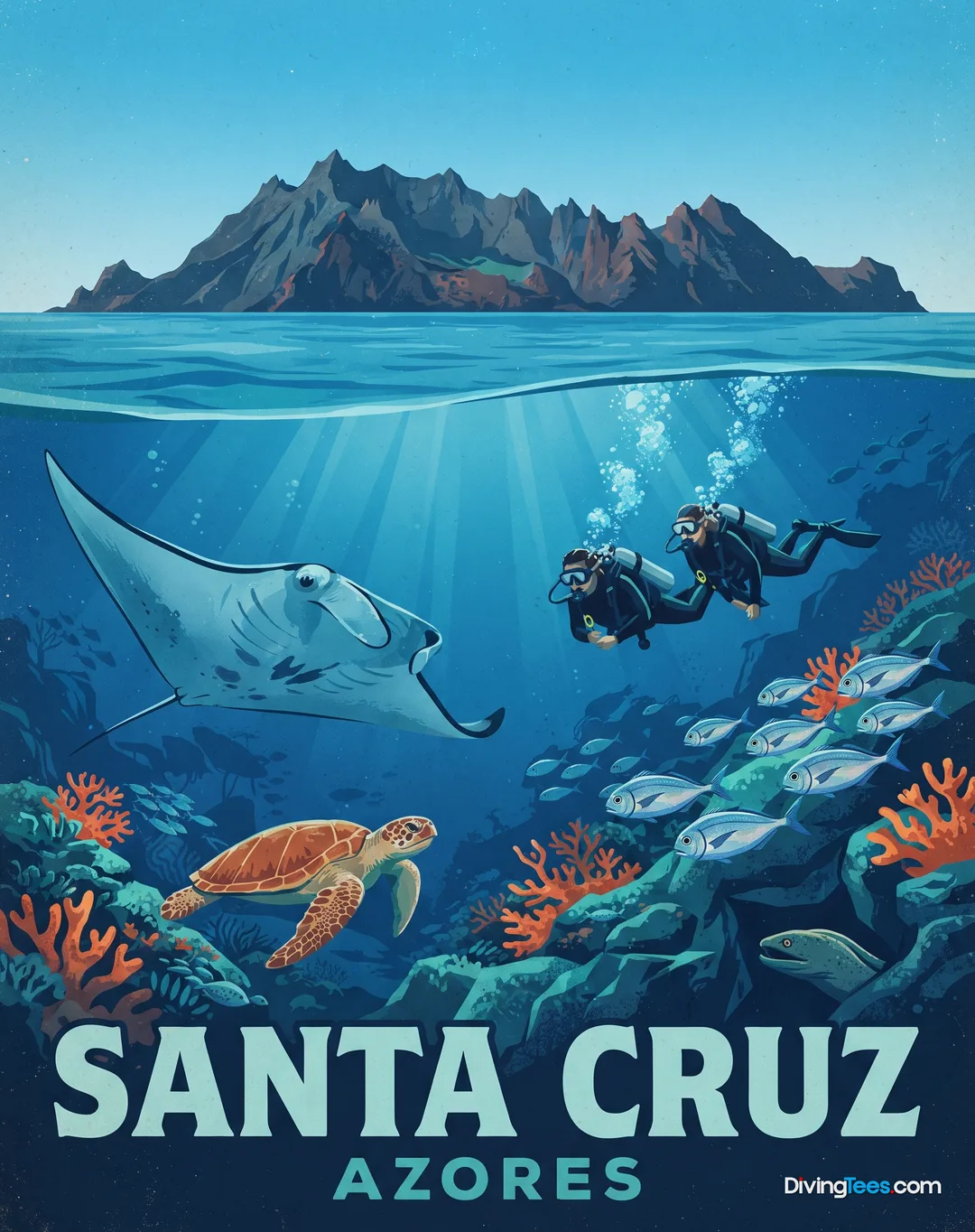
The primary draw to Lourenços is its reputation as a consistent gathering point for substantial marine life. You'll often find yourself waiting patiently in the current, observing groups of mobula rays (also known as jamantas) as they glide through the water. Their presence is a defining feature of this site, and while not always predictable, encountering these graceful giants is a common and mesmerizing experience here, often best appreciated by letting them approach on their terms.
Beyond the mobulas, Lourenços is also a known aggregation point for vast schools of pelagic fish. These aren't just scattered individuals; you're frequently surrounded by shimmering walls of barracudas, amberjacks, and jacks, moving in unison. The sheer scale of these schools can be immersive, transforming the dive into an experience within a dynamic, living ecosystem, particularly during the summer months when these aggregations are at their peak.
The currents at Lourenços are an integral part of the experience, dictating marine activity and influencing how you dive the site. While variable, they can range from moderate to strong, especially when pelagic species like mobula rays are most active. These currents, combined with the site's depth profile, mean that you'll often be holding your position or drifting, letting the ocean's rhythm guide your interaction with the wildlife.
The topography, while not offering complex reef structures in the shallowest sections, provides key ledges and pathways that pelagic species utilize. The platform at 30 metres, where the majority of the dive is conducted, hosts an unusually rich assemblage of deep-water bottom species. Here, you can find large scorpionfish and several species of moray eels, adding a layer of resident fauna to the transient pelagic visitors.
Access to Lourenços is exclusively by boat, typically a 50-minute ride from the marina of Ponta Delgada or about 80 minutes from Vila Franca do Campo. The journey itself underscores the site's offshore nature, preparing you for an open-ocean dive. This exposure to the open Atlantic is what makes Lourenços a unique high-bank dive, where the prevailing conditions directly influence the marine activity you'll encounter.
Diving Lourenços means embracing the constant movement of the open water. The interaction between the subtle contours of the seafloor and the nutrient-rich waters of the Azores creates a dynamic arena. It's a site where the currents, even when gentle, are integral to the experience, guiding both the wildlife and the diver through an underwater landscape that is constantly shifting with the ocean's pulse.
Diving Lourenços: the marine life you’ll meet
Diving conditions
Lourenços is a deep dive, with the top of the pinnacle at 24 metres and an extensive platform at 30 metres, while the surrounding bottom reaches 60 metres. Currents can be moderate to strong and are often present when pelagic activity is highest. Due to the potential for strong currents and the greater depths, this site is recommended for experienced divers only, typically those holding an Advanced Open Water certification or equivalent, with sufficient logged dives to handle variable conditions. The best chances for encountering mobula rays and other large pelagics are from July to October, though the overall diving season in the Azores runs from March to November.