
Made in Water Excursions - Snorkelling, Underwater photos and Diving in Bahamas
Google 5/5 (232 reviews)
5.6 km away as the crow flies
Nassau · Bahamas · Caribbean
Max. depth · 18 mDescend onto the upright remains of the Bahama Mama, a 95-foot ex-party boat, where the wreck meets a vibrant reef, offering a combined wreck and reef experience in shallow waters.
The Bahama Mama wreck lies off the southwest coast of New Providence, an intentionally sunk 95-foot ex-party boat designed to create an artificial reef. You'll find her sitting upright on a sandy plain, with her deck and superstructure rising several metres from the seabed. The wreck's modest depth makes it an approachable site for those new to wreck diving, offering a clear profile against the sand.
Approaching the site, you'll see the distinct outline of the vessel, which has partially integrated into the sand over the years since its sinking in 1995. This deliberate placement has allowed marine life to quickly colonise the structure, transforming it from a sunken hull into a thriving habitat. The wreck itself acts as a focal point, drawing in a variety of reef fish and larger predators.
Adjacent to the Bahama Mama, a natural coral head and reef structure rises from the surrounding sand, creating a unique combined wreck-and-reef dive. This geological feature extends the habitat diversity, providing additional shelter and feeding grounds for marine life. The proximity of the wreck and the reef means you’re not just exploring a metal structure, but a dynamic, integrated ecosystem.
As you explore the wreck, pay attention to the numerous hiding spots within the structure. Moray eels are particularly prevalent here; you'll likely encounter green moray eels, spotted moray eels, and chain moray eels tucked into crevices or extending from pipes and openings. Their presence adds a constant element of discovery to the dive, as you watch for their characteristic movements.
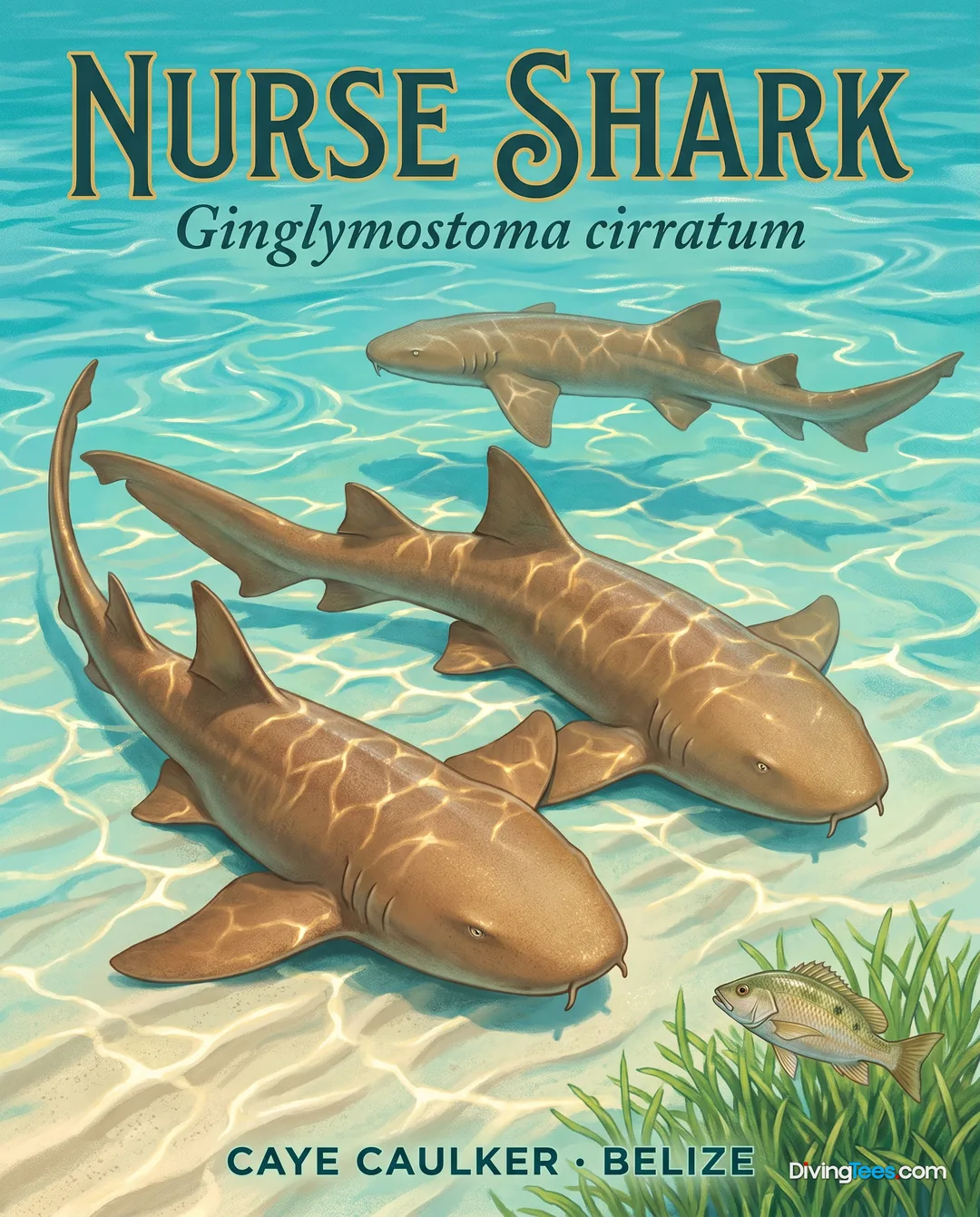
The site is also well-known for its shark encounters. Caribbean reef sharks and nurse sharks are regular visitors, often seen cruising the perimeter of the wreck and the adjacent reef. These encounters are a common feature of diving the Bahama Mama, offering a chance to observe these animals in their natural environment without the need for deeper or more exposed sites.
Visibility at the Bahama Mama typically ranges between 21 and 38 metres, allowing for clear views of the wreck and the surrounding marine life. While currents are generally light, they can occasionally strengthen with tidal shifts and surface conditions influenced by weather systems. Planning your dive around these variables ensures a more comfortable experience.
The combination of a shallow, intact wreck and a vibrant natural reef, coupled with frequent shark sightings, makes the Bahama Mama a distinctive site. It stands out in the region for its accessibility to Open Water divers seeking a wreck experience, providing a rich underwater environment that effectively merges the appeal of artificial and natural habitats.
This site is accessible for Open Water divers, with typical depths ranging from 12 to 18 metres. While the general current is light, it can occasionally increase with tidal changes or significant weather. Visibility consistently ranges between 21 and 38 metres, offering clear viewing conditions. Wreck penetration is reserved for divers with appropriate training and experience.
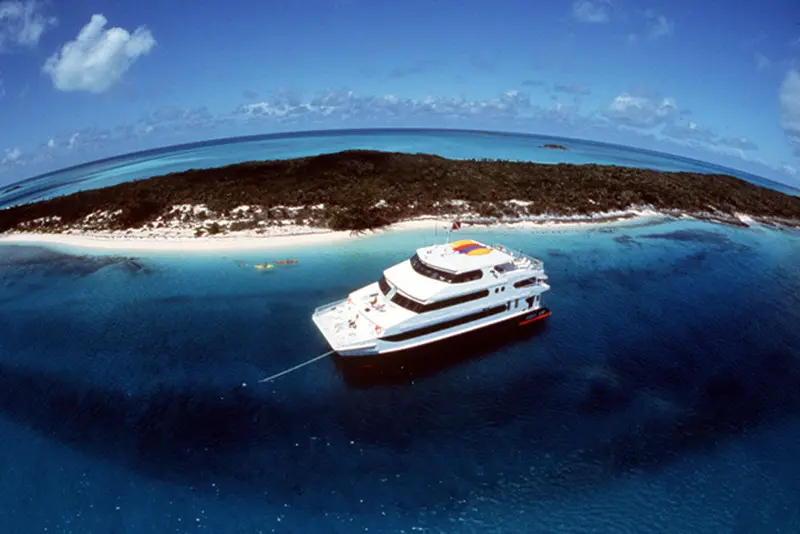
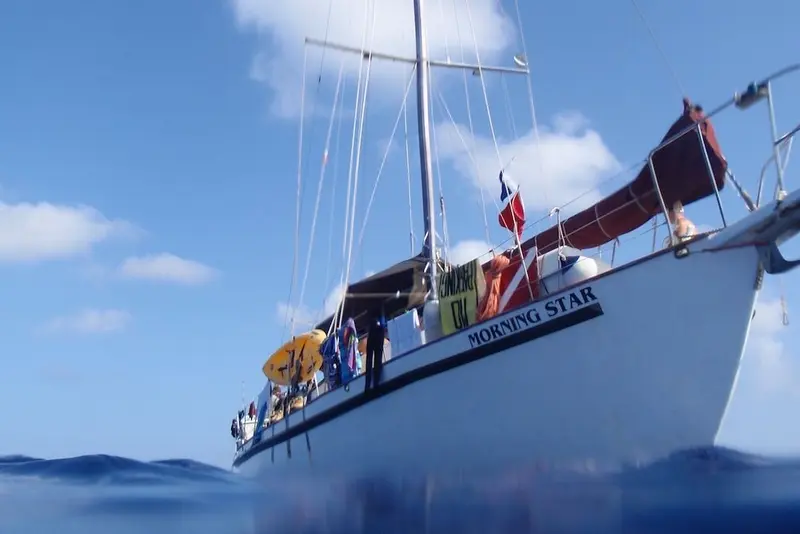
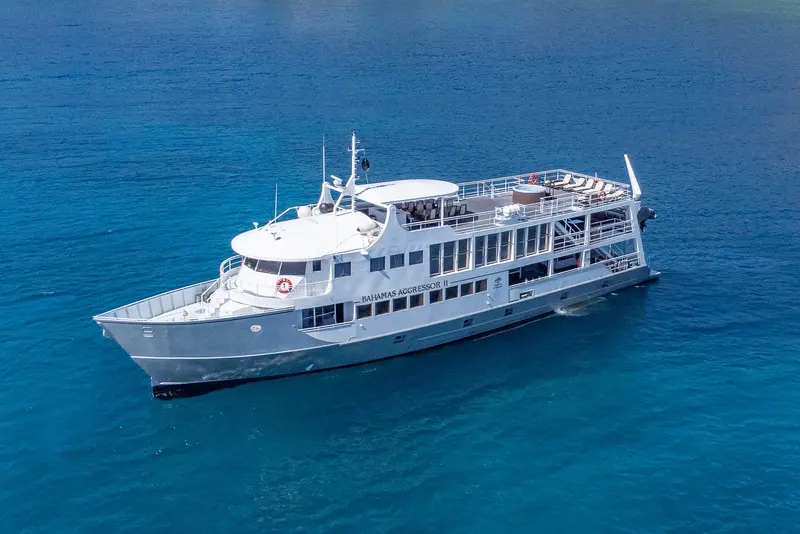
5 liveaboards depart from Nassau another way to explore the region, over several days at sea.
The Wreck of the Bahama Mama generally has light current, creating comfortable diving conditions. Current can occasionally increase with tidal changes or significant weather, so consider these variables when planning your dive. Surface conditions influenced by weather systems may also affect the current around this shallow wreck and reef.
The Wreck of the Bahama Mama is accessible to Open Water divers, with its shallow profile offering an approachable wreck experience. Wreck penetration is reserved for divers with appropriate training and experience. You can explore the upright boat and adjacent natural reef without entering the structure.
The Wreck of the Bahama Mama lies in typical depths of 12 to 18 metres. The 95-foot ex-party boat rests upright on sand, with its deck and superstructure rising several metres from the seabed. Its modest depth provides clear views of the wreck and surrounding habitat.
At the Wreck of the Bahama Mama, you can explore an upright boat beside a natural coral head and reef. Caribbean reef sharks and nurse sharks are frequent visitors, while green, spotted, and chain moray eels occupy crevices, pipes, and openings throughout the structure.