
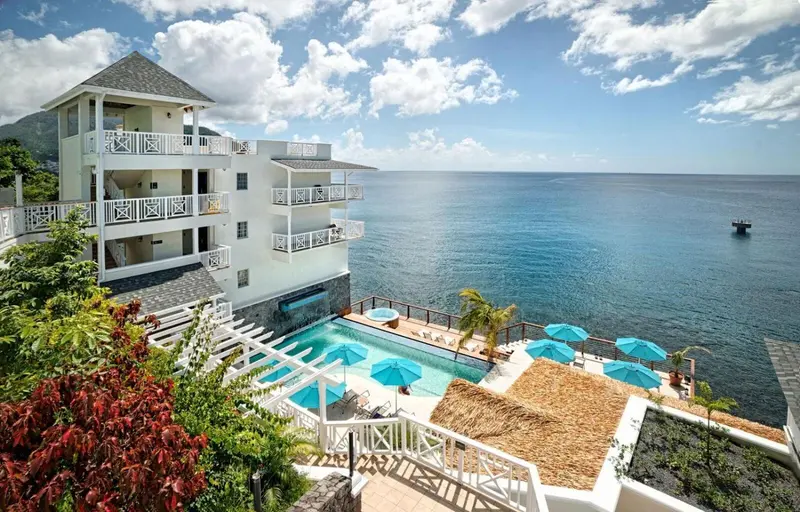
Fort Young Hotel
★★★★
Google 4.3/5 (758 reviews)
less than 1 km away as the crow flies
Dive centre · Roseau · Dominica
4.3769 Google reviewsExperience the rare opportunity of shore diving directly from the Roseau quay or joining specialised sperm whale swims under strict permit.
For subtitles in English: start the video firstthen click the gearat the top right of the video, select “Subtitles/CC”, then “Auto-translate” and choose “English”.
Fort Young Dive is a long-established PADI centre situated directly on the pier of the Fort Young Hotel in Roseau. Its position on the waterfront provides a distinct advantage, as it is one of the few places on the island where you can access the water via shore diving. This allows for easy, direct access to the local reef systems without always needing to board a vessel.
The centre is deeply integrated into the local marine environment, specialising in responsible observation of the island's resident and migratory sperm whales. Whether you are looking for a relaxed day on the reef flat or more technical excursions to offshore pinnacles, the operation is built around the unique volcanic topography of the Dominican coastline.
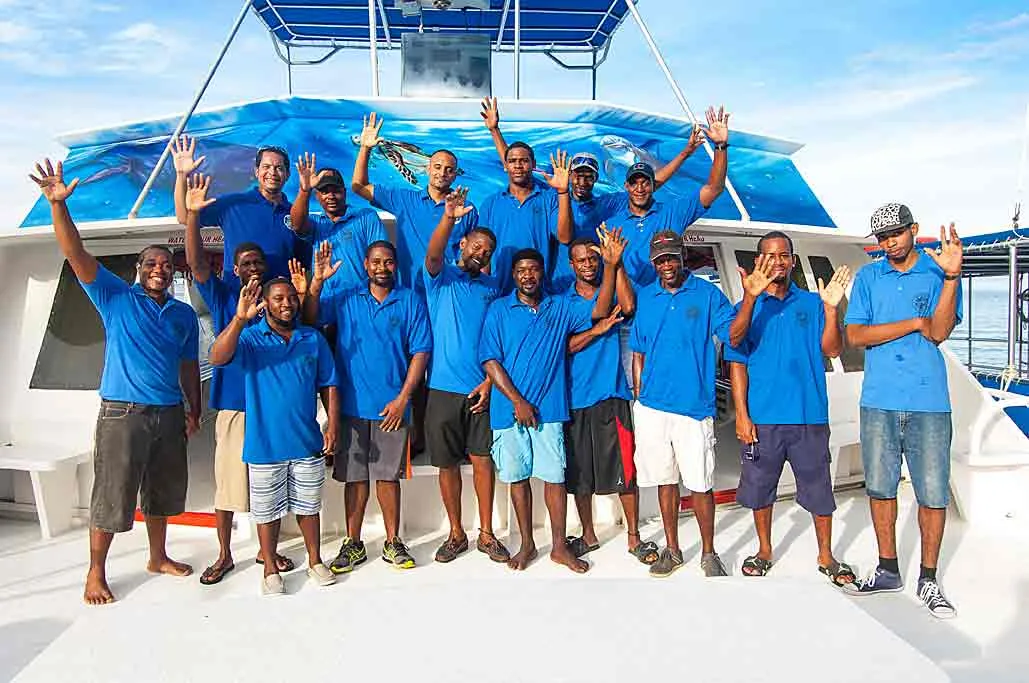
As a PADI affiliated centre and a member of DAN, the team operates with a strong emphasis on safety and professional standards. The centre is well-equipped to handle international divers, with staff capable of communicating in English, French, German, and Spanish.
The instruction covers the full spectrum of diver progression. You can begin with PADI Discover Scuba Diving or work through the Open Water Diver and Advanced Open Water Diver courses. For those looking to complete their training elsewhere, the centre also facilitates PADI e-Learning and Referral programmes.
The training programme is comprehensive, following the PADI curriculum from the initial Discover Scuba Diving experience through to Advanced Open Water Diver. For divers looking to move through their certifications more efficiently, the centre supports e-Learning and Referral options.
Instruction is available for all levels, ensuring that whether you are a novice training in a shallow reef environment or an experienced diver looking to explore deeper pinnacles, the teaching is tailored to your certification level.
The centre provides a full range of rental kit for those not travelling with their own equipment, including masks, snorkels, fins, BCDs, regulators, dive computers, and wetsuits. Torch hire is also available for those planning night dives.
Nitrox is available on-site for divers looking to extend their bottom time. The facility is conveniently located at the hotel, providing easy access to amenities after your sessions.
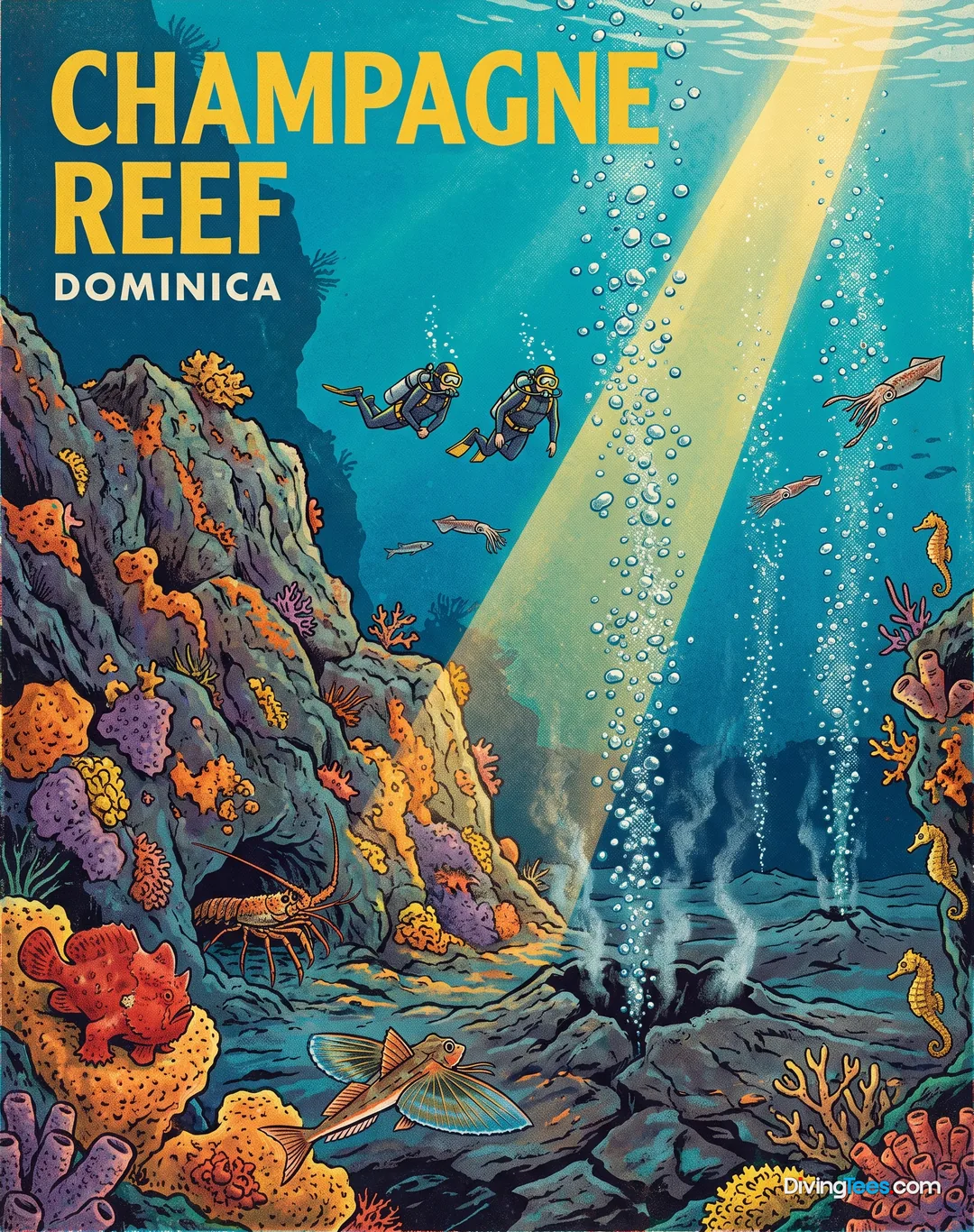
Champagne Reef is a unique site where volcanic vents release bubbles from the seabed, creating a sensation similar to swimming in champagne. It is a reef environment suitable for all levels and is home to a variety of sponges and reef fish.
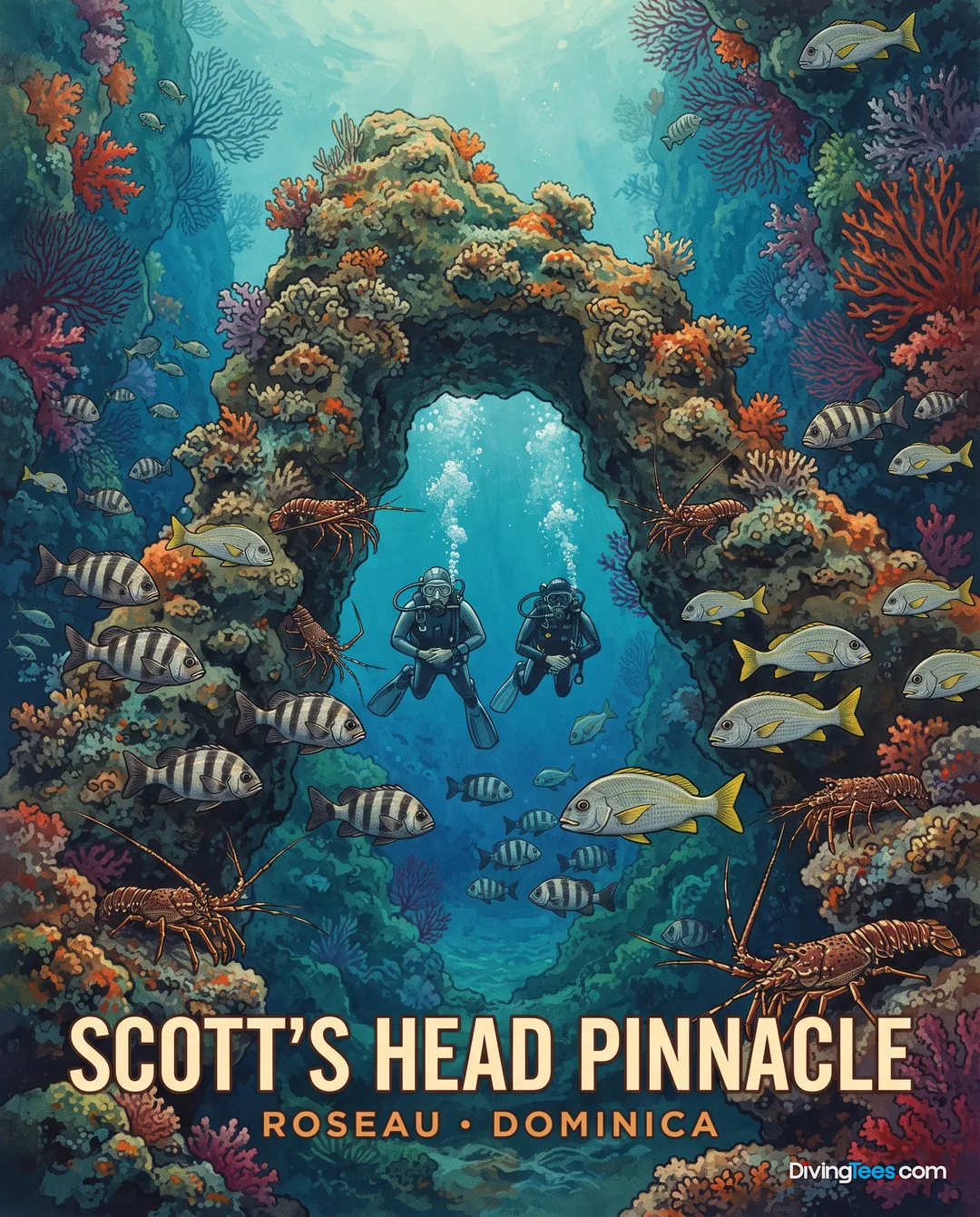
Scott’s Head Pinnacle is a spectacular underwater peak located at the southern tip of the island. This site is designed for intermediate and advanced divers, offering a natural tunnel formed by coral and sponges.
Dangleben's Pinnacles consists of a labyrinth of five volcanic pinnacles featuring canyons, black corals, and yellow sea fans. It is an excellent site for seeing larger pelagics and various reef species.
The Abyss is a challenging wall dive for advanced divers where the seabed drops away to 1500 feet. The steep face is heavily covered in corals and sponges, providing a dramatic backdrop for observing resident species.
And some of the dive sites the centre runs.
The marine life is defined by the island's volcanic nature, with vibrant sponges, corals, and sea fans providing the structure for the ecosystem. You will find a high density of reef fish across the various sites, from the shallow reef flats to the deeper pinnacles.
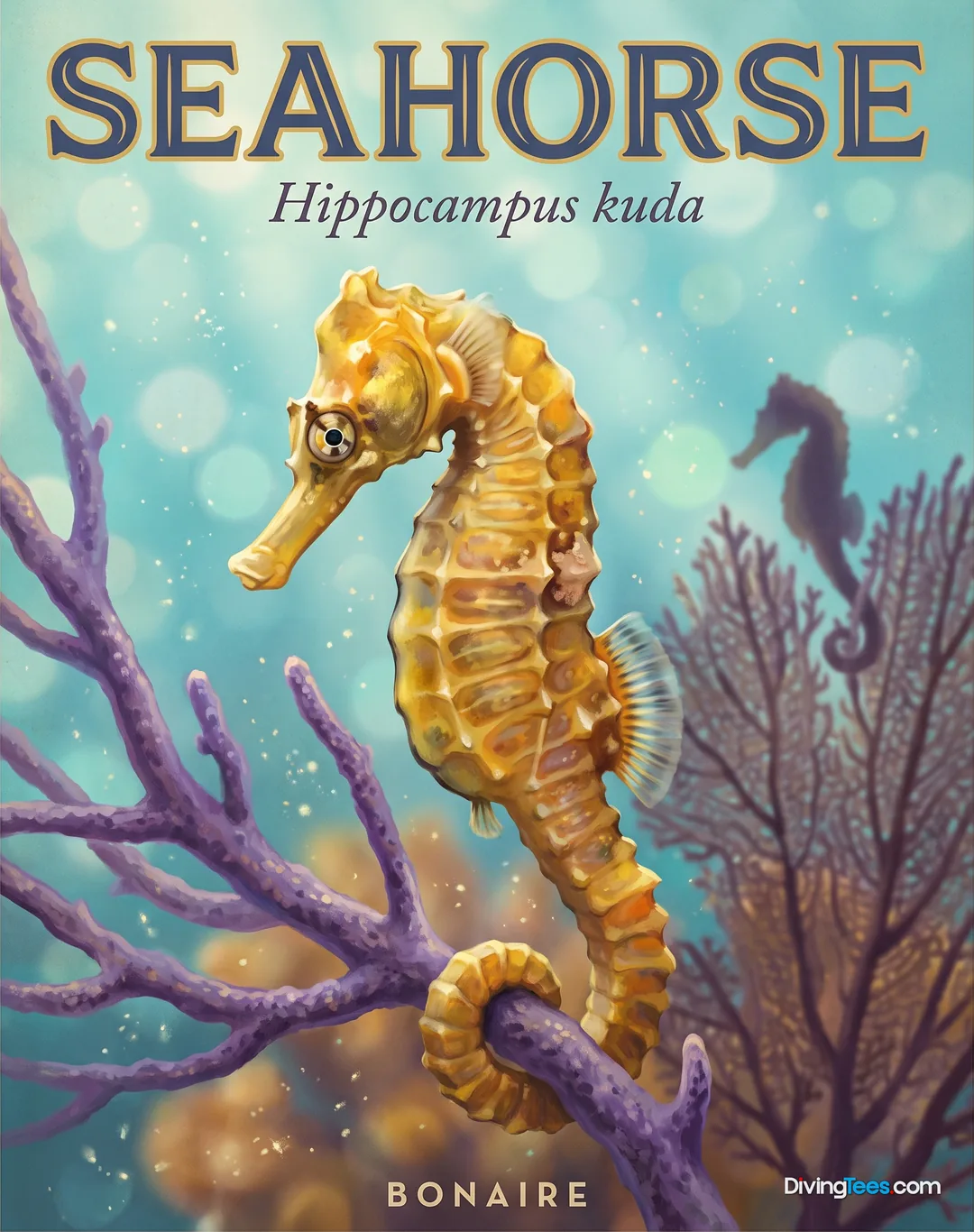
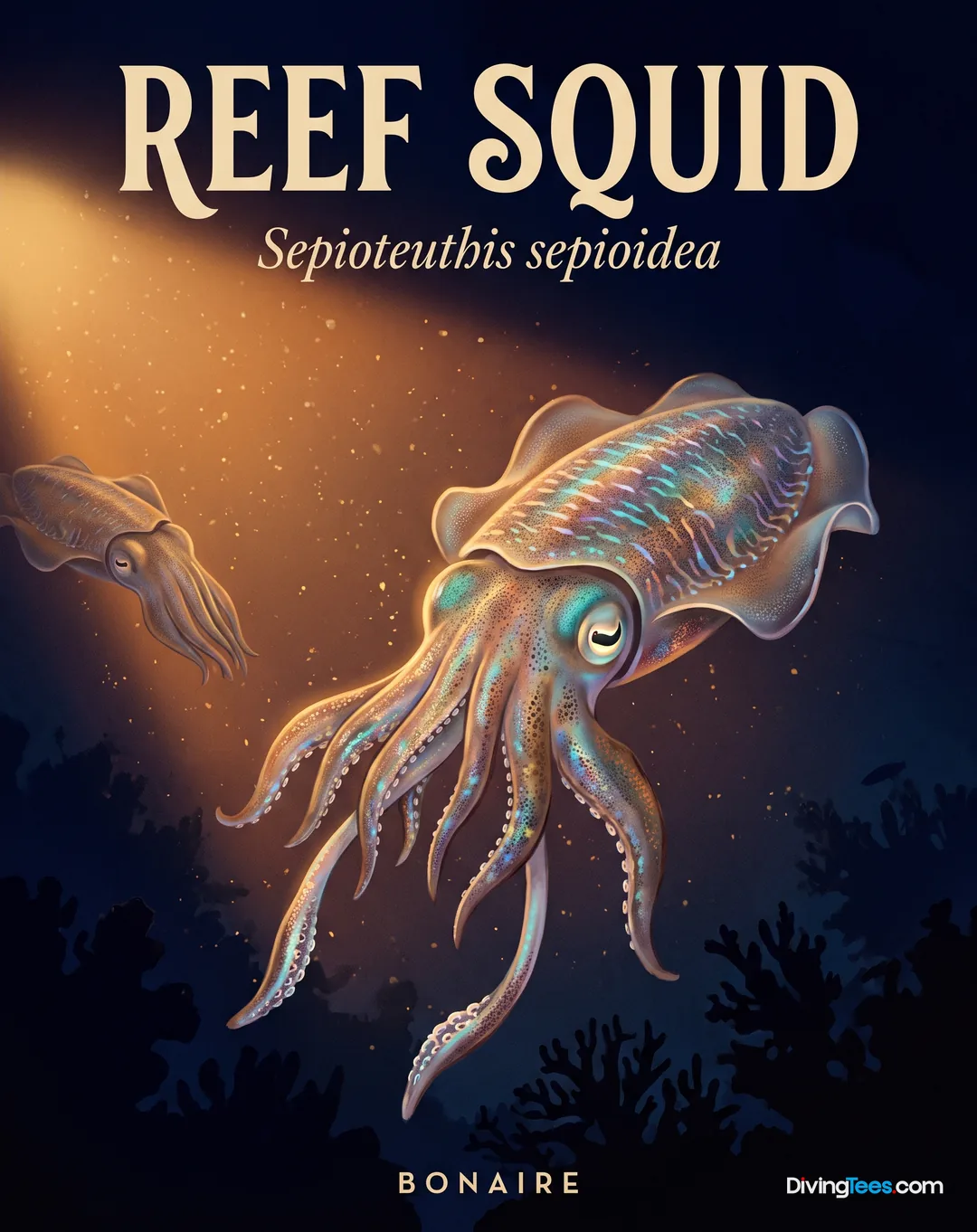
Macro life is abundant, particularly around the reef and pinnacles. Keep a close eye on the sponges and crevices for Seahorse (Hippocampus), Frogfish (Antennariidae), and various species of Squid (Sepioteuthis sepioidea). You can also find Lobster (Homaridae), crabs (Brachyura), and various species of Scorpionfish (Scorpaena).
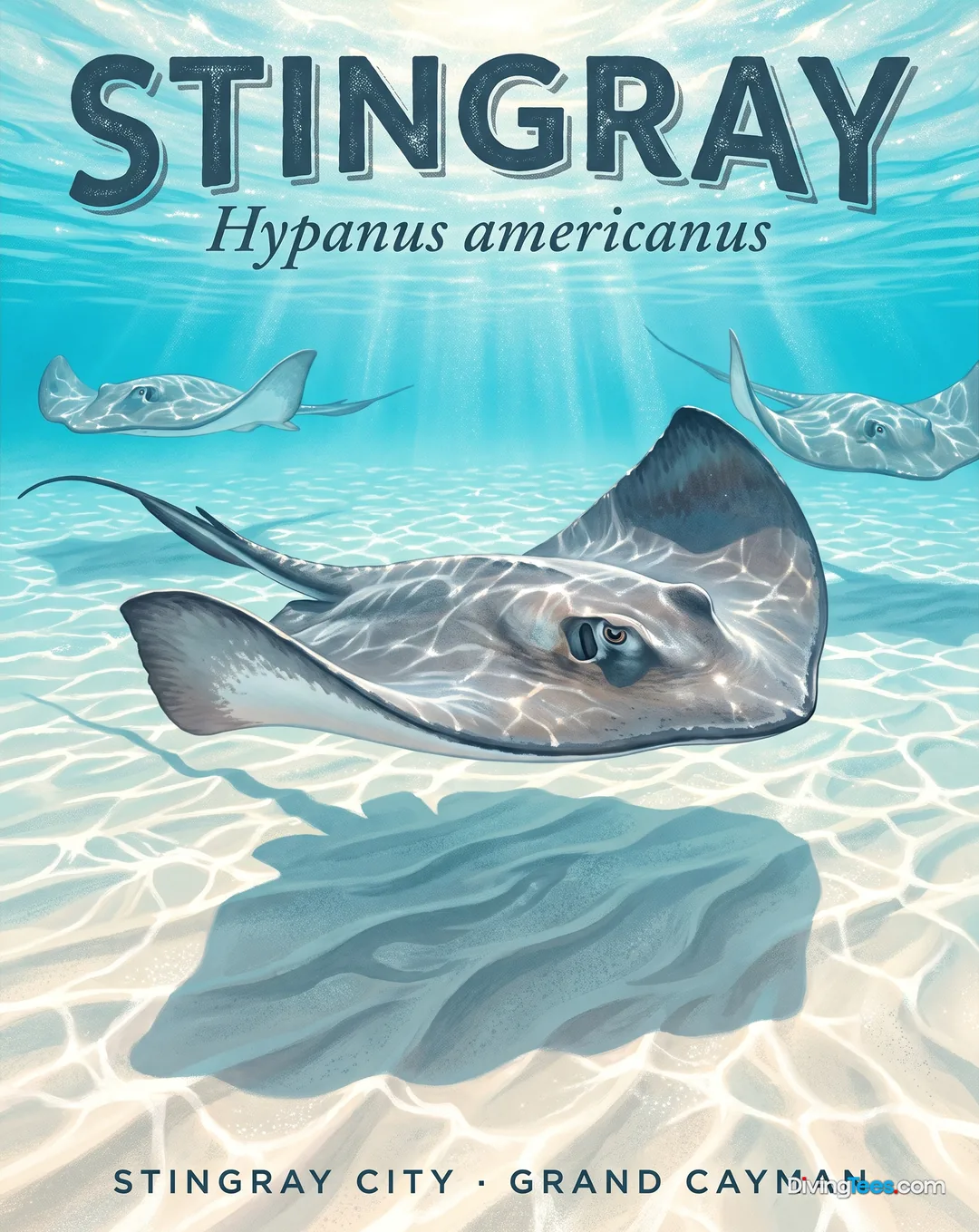
The larger pelagics are a major draw, especially for those diving the pinnacles or the walls. You may encounter Barracuda (Sphyraena), Tuna (Thunnus), and various species of rays. During the winter months from November to March, migratory male Sperm whales can be seen in the area, while resident females are present year-round.
Seasonality plays a role in the larger sightings. Between April and July, you may encounter Leatherback turtles, followed by Green turtles from June to September, and Hawksbill turtles from June to November.
The diving environment is generally characterised by low currents, making it an excellent location for training and skill development. The water temperature remains between 22°C and 29°C.
While the reef flats and many of the pinnacles offer calm conditions, some sites like Nose Reef can experience moderate currents. The volcanic topography creates a variety of habitats, from shallow sandy areas to steep, plunging walls.
Hello, I'm Marina, DivingDeal.com's AI assistant. I answer in detail about hotels, dive centres and liveaboards.
Thinking about the whole trip and the flights? Talk it over with Edith →
Marina is an AI. Some links are affiliate links: DivingDeal may earn a commission, at no extra cost to you. Bookings are made with the partner.
Your last day stays dry: no diving in the 18-24 hours before a flight, the perfect window to see the destination from another angle.
 Nature
⏱ 4 h · ★ 5.0 (15 reviews)
from £72$96€86
see on Viator ↗
 Culture
⏱ 4 h · ★ 5.0 (14 reviews)
from £379$507€453
see on Viator ↗
 Culture
⏱ 5 h · ★ 5.0 (7 reviews)
from £64$85€76
see on Viator ↗
 Nature
⏱ 3 h · ★ 4.5 (27 reviews)
from £59$79€71
see on Viator ↗
Ratings and reviews collected by Viator and Tripadvisor.

 Compare dive centres