
Scuba Nosy Be
Google 4.8/5 (195 reviews)
17 km away as the crow flies
Nosy Be · Madagascar · Indian Ocean
Max. depth · 20 mDescend into Abyss in Nosy Be to find extensive fan coral colonies and regular interactions with pelagic species drawn to the outer reef.
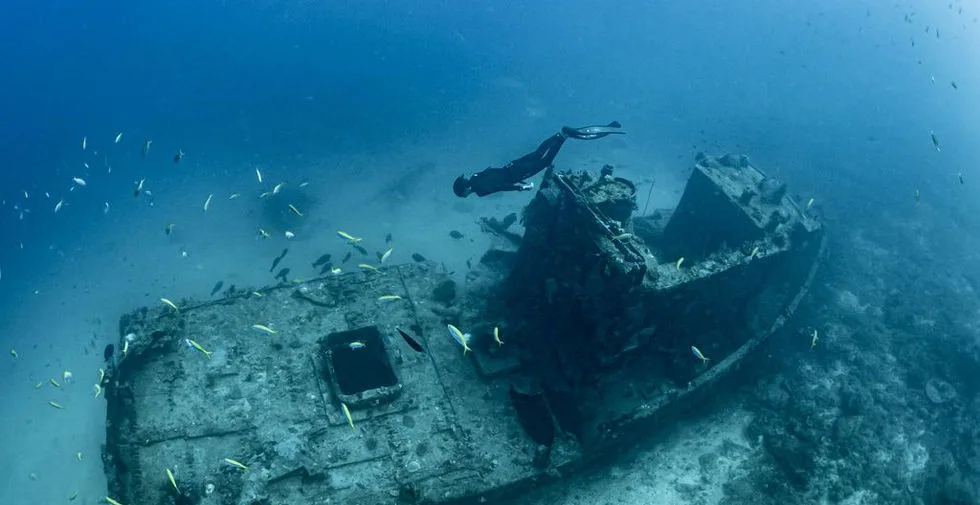
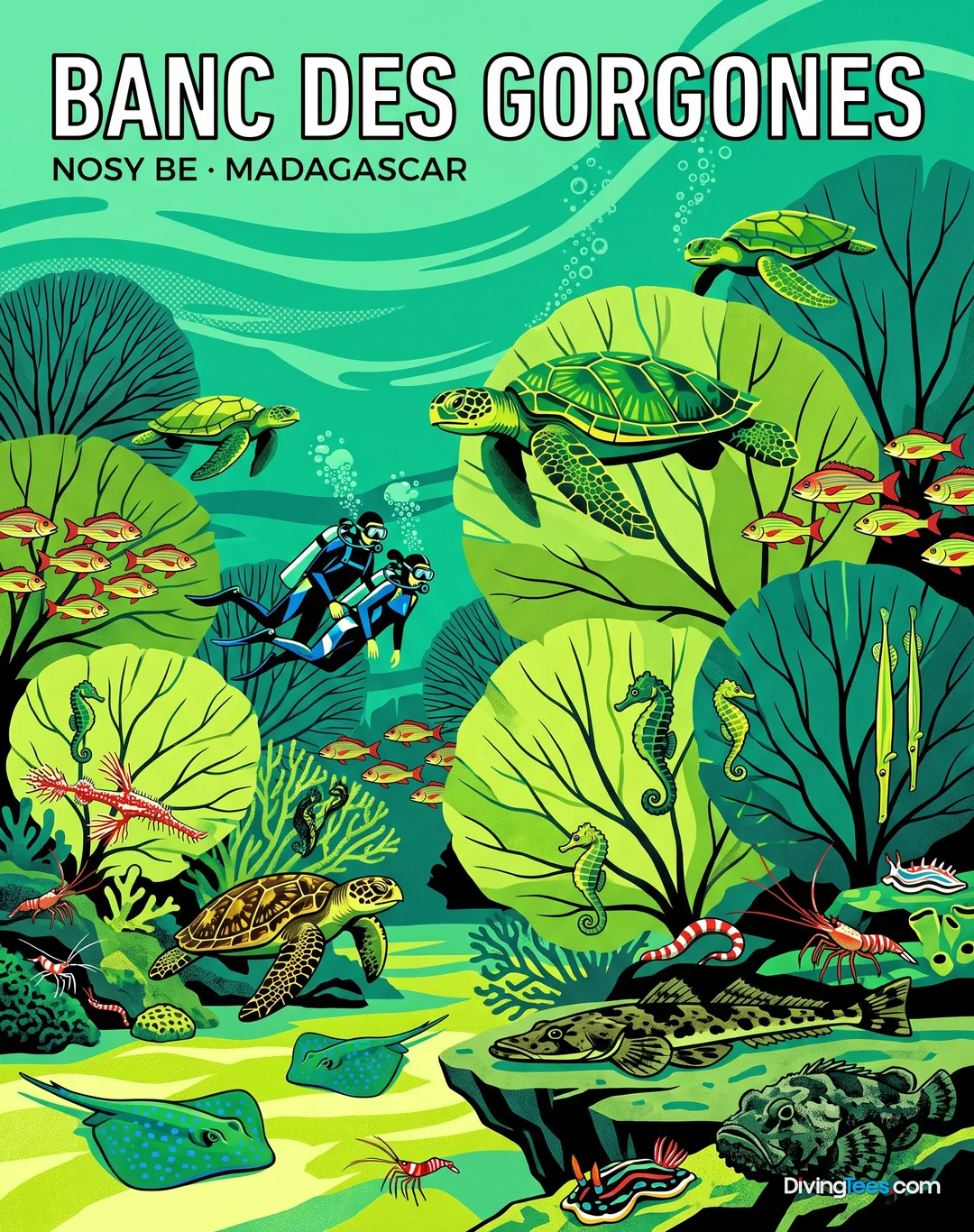
Abyss is an outer-reef site approximately 40 minutes by fast boat from Nosy Be, characterised by a prominent plateau that begins at a depth of 18 metres and gradually slopes to 20 metres before giving way to a true wall. This topography creates an ideal habitat for large fan coral (Gorgoniidae) gardens, which are the defining feature of the upper sections of the dive. As you approach the site, the deep blue of the open ocean begins to transition, giving way to the vibrant hues of the coral structures.
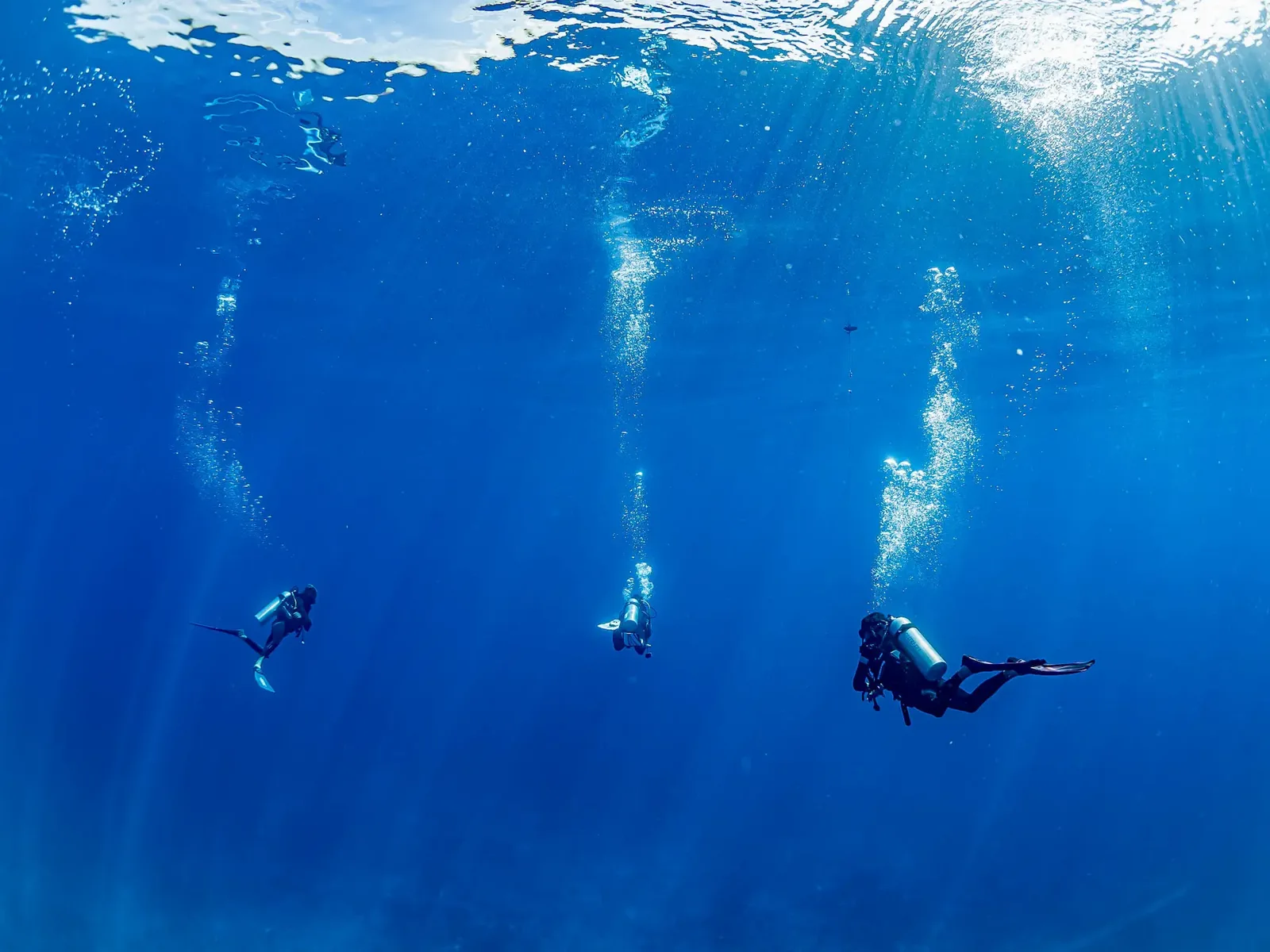
The dive profile typically involves descending onto the plateau, which acts as a staging ground before exploring the top of the wall. Here, the current often dictates your speed, allowing for a drift along the edge of the drop-off. The extensive fan coral formations provide intricate shelter and feeding grounds for a diverse array of reef fish, creating a continuous visual display as you navigate the contours of the reef. The light penetration at 18 to 20 metres illuminates these corals, showcasing their intricate patterns and colours.
Pelagic interactions are a consistent draw at Abyss, with the site’s position on the outer reef attracting larger open-water species. You can expect encounters with schools of jacks (Carangidae) moving along the currents, as well as tuna (Thunnus) making passes. Napoleon wrasse (Cheilinus undulatus) are frequently observed on the plateau, often cruising through the fan coral at close range, while seasonal manta rays (Mobula alfredi) glide through the deeper water column below the wall. These encounters underline the site's connection to the deeper oceanic environment.
The key to diving Abyss effectively is timing your visit with the rising tide. This not only enhances visibility but also influences the behaviour of the larger marine life that relies on the incoming water for feeding opportunities. The stronger, more predictable currents associated with the rising tide bring nutrients to the reef, making it a more active environment, particularly for encounters with pelagic species on the deeper sections of the wall.
This site is accessible from Open Water Diver level, with depths reaching 18 to 20 metres on the plateau before the wall drops deeper. Diving Abyss is best undertaken during an incoming tide, which aids in visibility and marine life presence. The ideal diving season for Nosy Be, generally from April to November, also applies here.
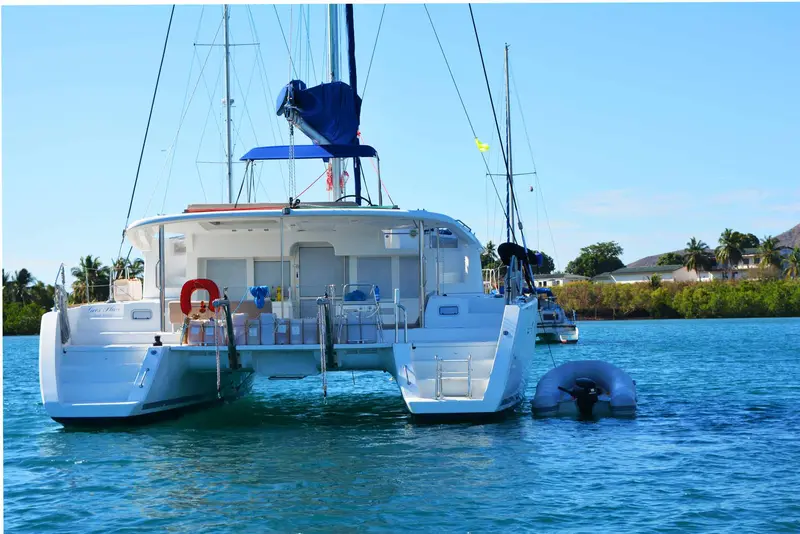
1 liveaboard departs from Nosy Be another way to explore the region, over several days at sea.
Plan your dive at Abyss during an incoming, or rising, tide. This timing can aid visibility and increase marine life activity, including pelagic encounters. The site follows Nosy Be’s general diving season from April to November, when conditions are suited to exploring its outer-reef setting.
Abyss is accessible to Open Water Divers. You descend onto a plateau beginning at 18 metres, which gradually slopes to 20 metres before reaching the top of a true wall. The dive profile focuses on the plateau and wall edge, while the wall continues deeper below.
At Abyss, the current often controls your speed and can carry you in a drift along the wall’s edge. Rising tide brings stronger, more predictable currents, delivering nutrients to the reef and increasing activity, particularly around the deeper sections of the wall and open-water species.
You can explore extensive fan coral gardens across the plateau and encounter Napoleon wrasse moving through them. Schools of jacks and tuna may pass with the current, while seasonal manta rays can glide through the deeper water below the wall. Reef fish also shelter among the corals.