

Scuba Nosy Be
Google 4.8/5 (195 reviews)
14 km away as the crow flies
Nosy Be · Madagascar · Indian Ocean
Max. depth · 22 mDescend onto sprawling coral plateaus and lively reef patches, where the occasional presence of large manta rays draws divers to their cleaning stations.
Manta Point unfolds as a varied dive experience off Nosy Be, presenting a captivating mix of large sandy plateaus and isolated coral pinnacles. As you descend, the topography transitions between these soft, unassuming expanses and the vibrant, life-affirming eruptions of coral. It's on these pinnacles that much of the reef's activity concentrates, providing shelter and sustenance for a myriad of smaller species that paint the scene with constant movement.
The dive profile here typically explores a range of depths, with the main action unfolding between 6 and 22 metres. While the name suggests a grand pelagic encounter, Manta Point also serves as a vibrant ecosystem for resident reef life. You'll find yourself gliding over healthy coral formations, observing the intricate details of marine existence from the smallest nudibranchs to the territorial behaviour of larger reef fish. This diverse environment ensures there's always something new to catch your eye, whether you're scanning the sandy bottom or hovering above a coral head.
Beyond the general reef topography, the site is notable for specific cleaning stations where labrids attend to passing pelagics. These small reef residents play a crucial role in the ecosystem, and it is their diligence that draws larger, more charismatic visitors to Manta Point. While manta ray encounters can vary, their tendency to frequent these areas provides a compelling reason for regular visits. It's a natural drama playing out at depth, where predator and prey, or simply large and small, interact in a symbiotic dance.
The real allure of Manta Point lies in the occasional appearance of magnificent manta rays among the cleaning stations. These graceful giants drift in from the open water, seeking the attention of the cleaner wrasse. While their presence is not a daily guarantee, their visits, when they occur, transform the dive into a truly special event. Divers keep a respectful distance, observing these powerful animals as they patiently hover, sometimes for extended periods, allowing the smaller fish to diligently remove parasites from their massive bodies.
In addition to the mantas, the site thrives with an extraordinary diversity of reef inhabitants, making every dive a discovery. Look closely within the coral structures and along the sandy patches, and you might spot the elusive leaf fish, camouflaged antennae fish, or the delicate ghost pipefish. Nudibranchs, with their vibrant colours and intricate patterns, are also a common sight, navigating the coralline landscape. This micro-biodiversity enriches the dive experience, offering fascinating details for those who take the time to observe.
This site is accessible to divers of all levels, with depths ranging from a minimum of 6 meters to a maximum of 22 meters. There are no specific current or visibility warnings provided for Manta Point. The best period for diving in the Nosy Be region typically extends from March-April through to November-December.
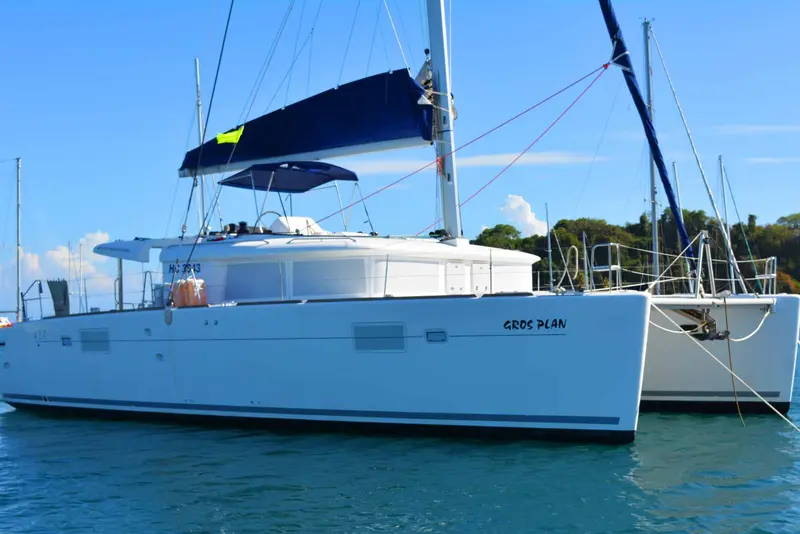
1 liveaboard departs from Nosy Be another way to explore the region, over several days at sea.
You can dive Manta Point during the Nosy Be region’s typical diving period, which extends from March-April through November-December. This seasonal window offers access to the site’s sandy plateaus, coral pinnacles, cleaning stations and varied reef life, including the possibility of encountering manta rays among the resident marine species.
Manta Point is accessible to divers of all levels. The dive profile ranges from 6 to 22 metres, moving across large sandy plateaus and isolated coral pinnacles. These depths provide opportunities to explore coral formations, observe smaller reef creatures and look toward cleaning stations used by passing pelagics.
No specific current or visibility warnings are provided for Manta Point. You can expect a varied underwater setting shaped by large sandy plateaus and coral pinnacles, with reef activity concentrated around the coral structures. The site also includes cleaning stations where smaller reef fish attend to passing pelagics.
At Manta Point, you may see large manta rays at cleaning stations, dense groups of glassfish, leaf fish, ghost pipefish and diverse nudibranchs among the corals. Possible encounters also include turtles, large groupers and various shark species, while the sandy plateaus and coral pinnacles support a wide range of reef life.