


Scuba Nosy Be
Google 4.8/5 (195 reviews)
6.8 km away as the crow flies
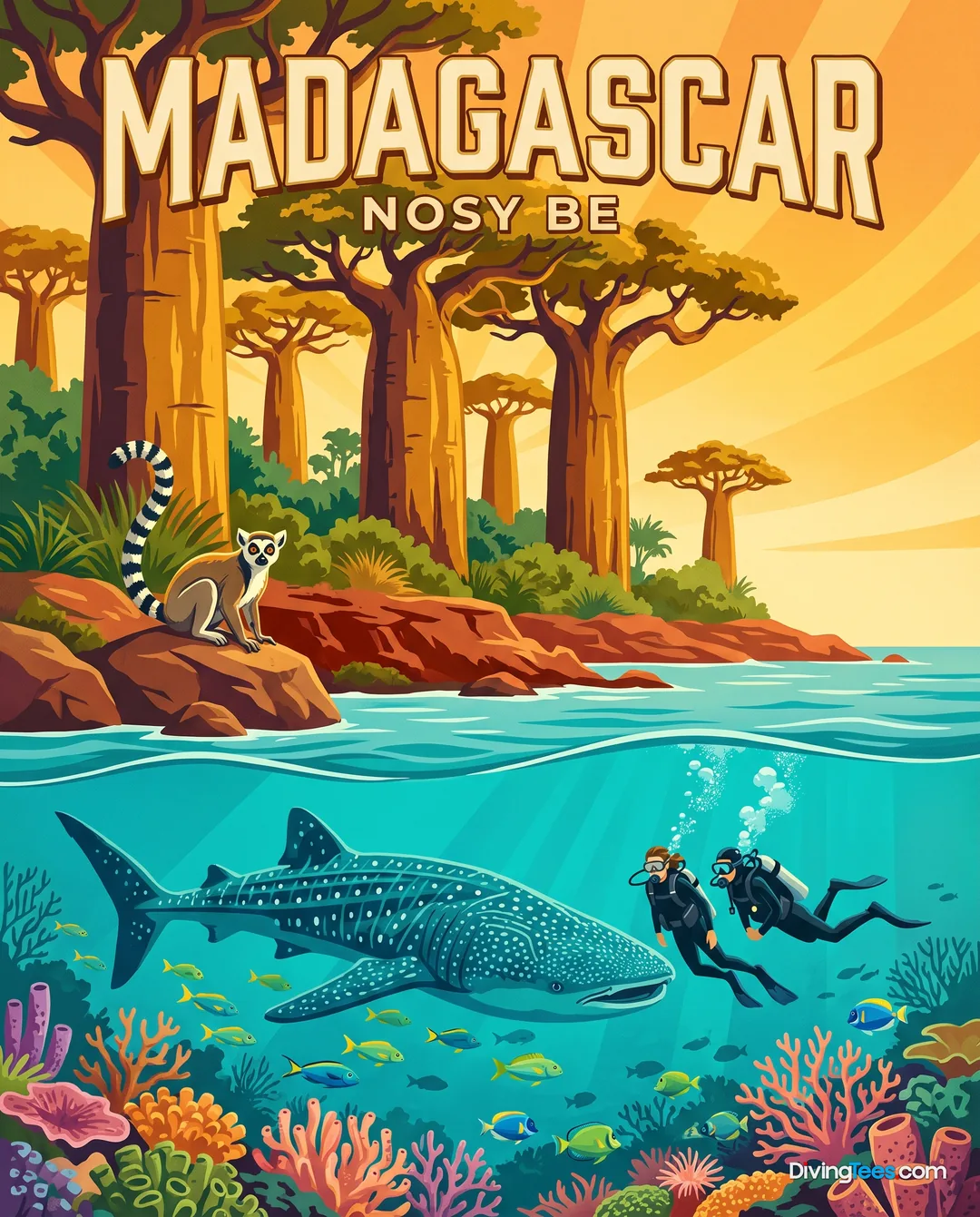
Nosy Be · Madagascar · Indian Ocean
Max. depth · 19 mExplore an otherworldly reefscape where massive gorgonian corals create a vibrant tapestry for diverse marine life, from elusive macro creatures to graceful sea turtles.
Banc des Gorgones stands as a truly distinctive reef formation, where the seascape unfolds into spectacular formations dominated by large gorgonian corals. As you descend, the sheer scale of these sea fans becomes apparent, some stretching up to 3 meters across, creating a living landscape that feels almost surreal. These vibrant structures provide shelter and hunting grounds for a myriad of smaller creatures, making every section of the reef a point of focus.
Diving here is an immersive experience into a world defined by the sheer scale and density of its fan corals, which colonize the substrate and form intricate pathways and towering structures. This proximity to the coast, near Ambatoloaka, speaks to its historical significance as one of the first dive sites explored in the area. The dive encourages a slow, methodical pace, akin to an underwater treasure hunt where patience is richly rewarded.
The real marvel of Banc des Gorgones lies in its microscopic inhabitants. You'll need to hone your observational skills to uncover remarkable creatures. Look closely among the branches of the gorgonians for well-camouflaged ghost pipefish, often mistaken for stray pieces of seaweed, or for the delicate grasp of seahorses clinging to their hosts. This dense habitat provides perfect refuge for these masters of disguise.
This reef is a hotspot for specialized benthic life, where the observant diver will be rewarded time and again. You'll find graceful blue-spotted stingrays often resting on sandy patches between coral heads. Keep a keen eye out for the masters of camouflage like crocodilefish and stonefish, blending seamlessly into their surroundings. The intricate coral structures also provide habitat for trumpetfish, vibrant nudibranchs, and abundant cleaner shrimps at their cleaning stations.
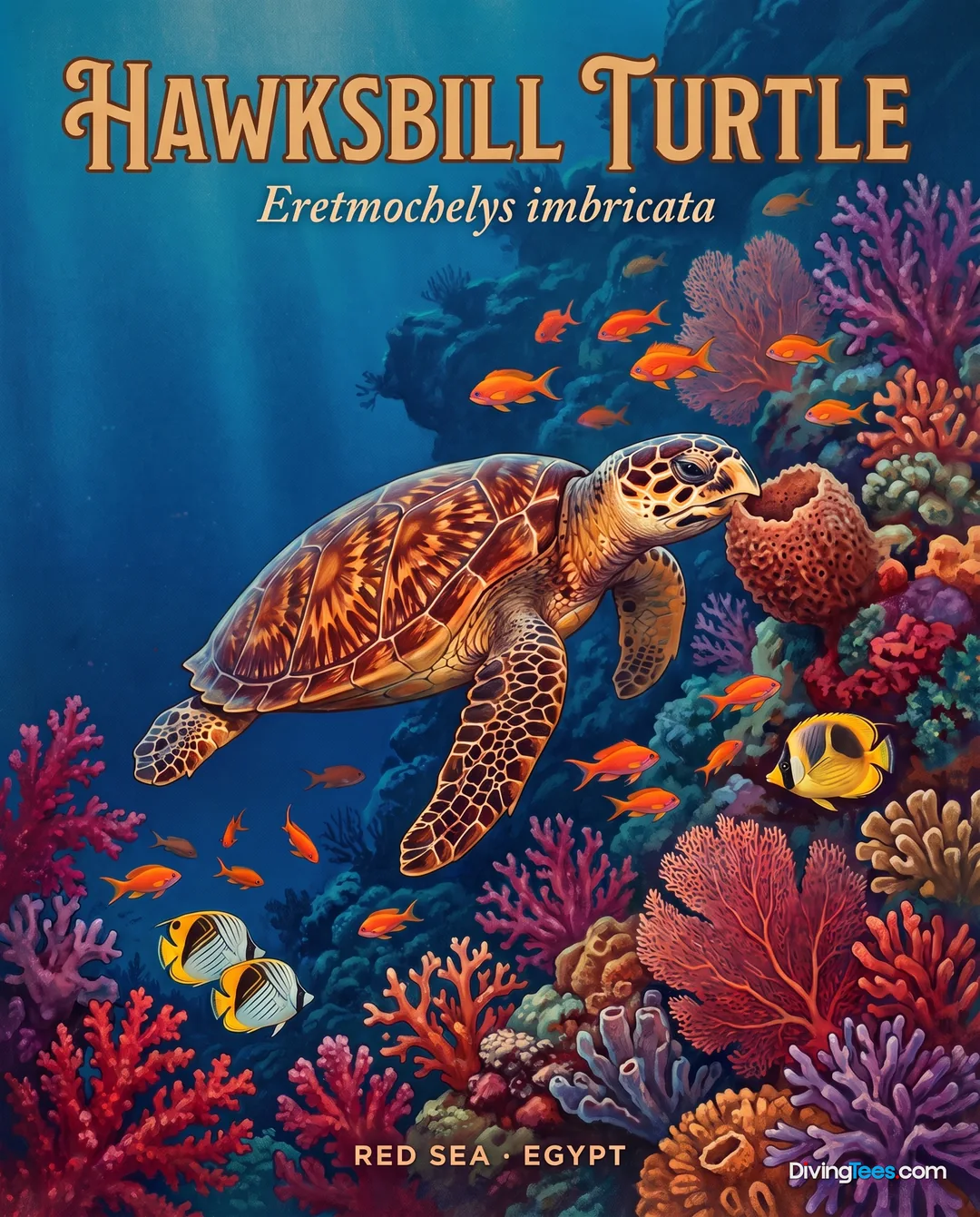
Beyond the fascinating macro life, Banc des Gorgones is also known for its larger inhabitants. You'll regularly encounter dense schools of snapper, their silver scales flashing in unison as they move across the reef. One of the standout features is the presence of magnificent green sea turtles and hawksbill turtles, often seen gracefully gliding through the water or peacefully resting among the coral formations, underscoring the rich biodiversity of this particular reef system. Rocky crevices and underhangs provide shelter for impressive lobsters, their antennae probing the water.
This reef dive ranges in depth to a maximum of 19 meters. It is accessible for divers of all levels, though visibility can sometimes be moderate or even poor. The best period to experience this site is typically from March to January, avoiding the rainy season from January to March for the most comfortable conditions.
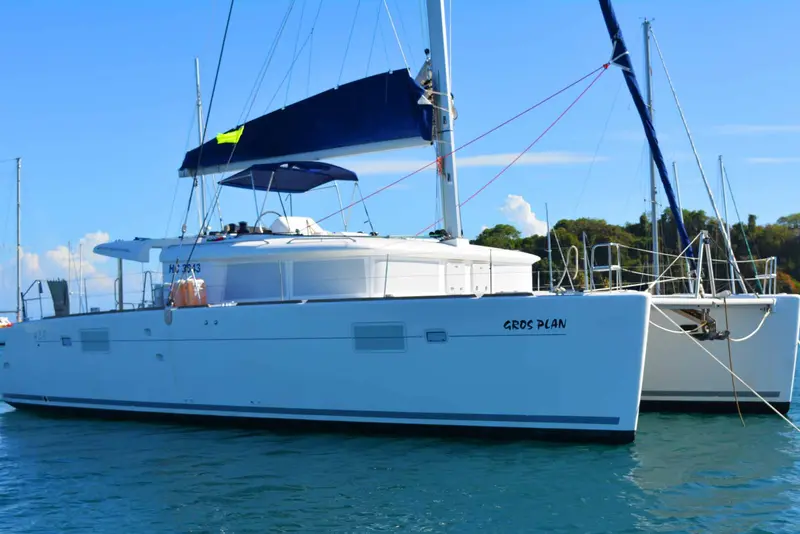
1 liveaboard departs from Nosy Be another way to explore the region, over several days at sea.
You can typically dive Banc des Gorgones from March to January. For more comfortable conditions, avoid the rainy season from January to March. Visibility can sometimes be moderate or poor, so you should be prepared for changing underwater conditions while exploring the reef’s gorgonian coral gardens.
Banc des Gorgones is accessible to divers of all levels. The site encourages a slow, methodical pace, allowing you to examine the dense gorgonian coral gardens and search carefully for small, camouflaged creatures such as seahorses and ghost pipefish among the coral branches.
Banc des Gorgones ranges from 13 to 19 meters deep, with a maximum depth of 19 meters. This reef dive lets you explore expansive gorgonian formations, sandy patches between coral heads, rocky crevices, and coral structures that shelter a wide variety of marine life.
At Banc des Gorgones, you can see dense gorgonian gardens, green and hawksbill turtles, seahorses, ghost pipefish, blue-spotted stingrays, crocodilefish, stonefish, nudibranchs, lobsters, cleaner shrimps, trumpetfish, and large schools of snapper. Careful observation may reveal well-camouflaged animals hidden among the coral.