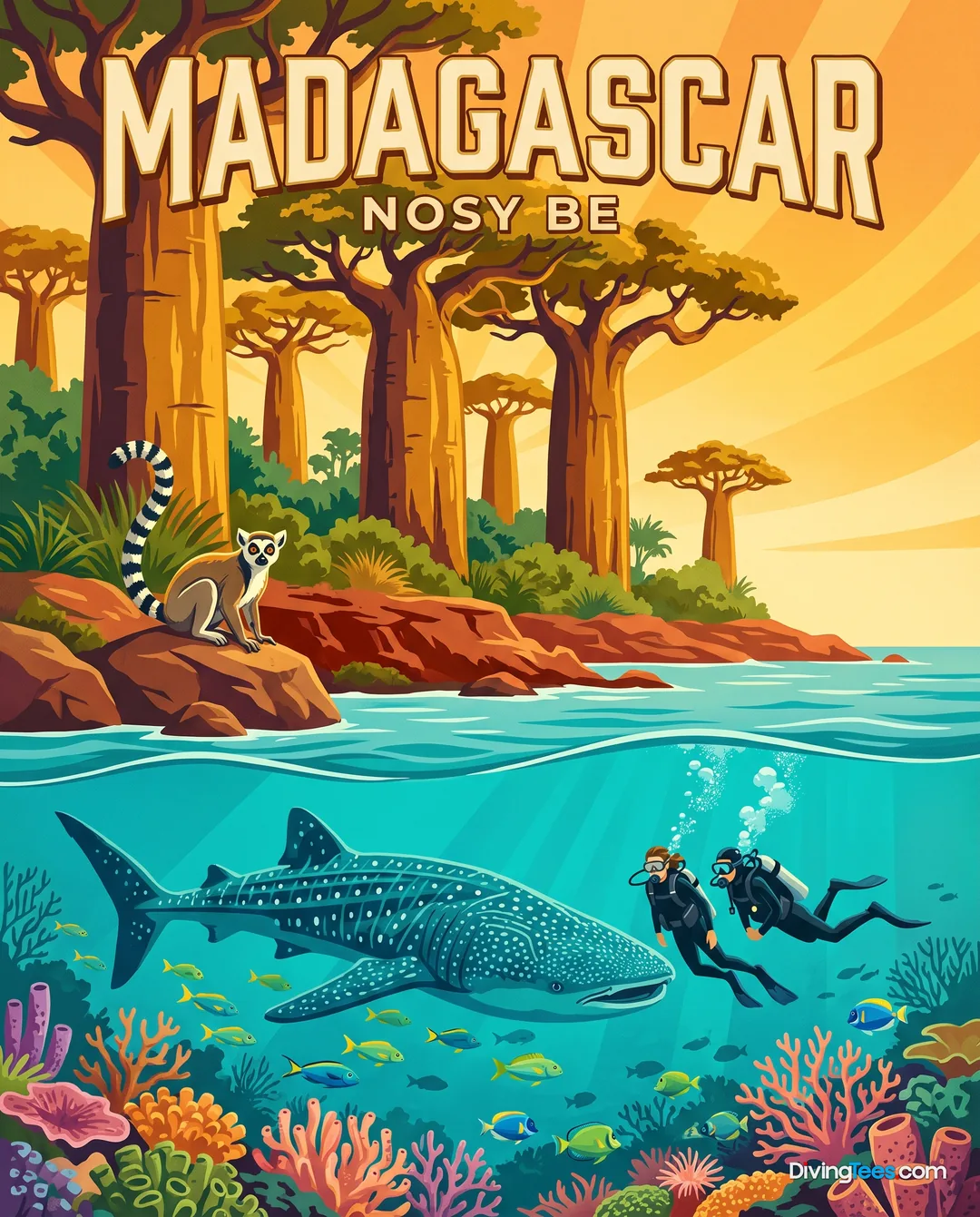
Liveaboards · Madagascar
Gros Plan — an intimate Madagascar catamaran for remote reefs and small-group diving
What makes this boat unique
- Gros Plan carries a maximum of eight guests in four double cabins, each with its own bathroom and porthole.
- The six-day, five-night Radames cruise runs from Nosy Be to Nosy Be and includes ten catamaran dives.
- The shaded dive area has DIN adapters, separate camera rinsing and tenders for getting divers to the sites.
- The route combines reefs around Nosy Be with the remote islands of the Radames archipelago and visits ashore.
The invitation
Gros Plan makes sense for divers who would rather know the whole boat than disappear into a crowd. Eight guests is enough for a real group and few enough that the guide, cook and sailors know who needs help with a camera, who wants a slower descent and who is ready for another look at a cleaning station. The point is not a resort at sea. It is access: the Radames islands, isolated anchorages and reefs where a small liveaboard can put divers in the water away from the day-boat traffic. The six-day, five-night route starts and ends in Nosy Be, with ten dives built into the passage south. Non-divers can come too, with snorkeling, beaches, island visits and sailing filling the hours between drops. Choose Gros Plan for the combination of a genuinely small guest list, local knowledge of Nosy Be and a route designed to reach the archipelago rather than circle the harbour.
Boarding
From the dock, Gros Plan presents as a compact Lagoon 450 catamaran built for moving between islands rather than carrying a hotel-sized crowd. The twin hulls give the boat a broad working platform, and the 84-square-metre deck leaves room for diving, outdoor meals and a lookout above the water. The arrangement is practical: the saloon is inside, while the terrace, observation deck and shaded dive space keep people spread between activities. Once aboard, the small capacity becomes the defining feature. There is no anonymous passenger flow; the same faces appear at the rail, at the table and beside the tender. The boat is run by a skipper, sailor, cook and diving instructor, with local and international crew members speaking French and English. It feels less like checking into a floating hotel than joining a small expedition that happens to have proper cabins and hot water.
The atmosphere on board
The atmosphere comes from the guest limit and the crew's direct involvement. The skipper and sailor handle the boat and tenders, the cook keeps the day fed, and the diving instructor remains close to the group from briefing through surface recovery. With French and English spoken aboard, mixed-language groups have a practical way to share the trip. The crew score is 8.8, ahead of the boat score of 8.1; that gap says something useful. Gros Plan's strength is the people who run it and the access they create, not the promise of a vast vessel with endless room. By the middle of the cruise, the same small group has dived together, eaten together and visited islands together. Evenings are simple: dinner outside when conditions allow, a drink, a discussion about the next site, and the boat settling at anchor.
The sites you’ll dive
The Radames cruise lasts six days and five nights, returns to Nosy Be and carries ten dives, with the programme adjusted for weather. Around Nosy Be, Manta Point reaches -22 metres across coral plateaus and reef patches, where manta rays may use cleaning stations. Secondo Fratello Betalinjona descends to -28 metres around a hat-shaped pinnacle, its overhangs sheltering soft corals and macro life. Primo Fratello Beangovo reaches -22 metres on a rocky pinnacle patrolled by white-tip reef sharks, while Crab N/W drops to -28 metres over seamounts and sand where garden eels watch the divers. Shallower options include Nosy Fanihy at -15 metres, a gentle coral drift, and Nosy Kibut at -20 metres, known for seahorses and frogfish. Deeper profiles include Atnam at -43 metres, with sandy patches, canyons and high fissures, and Canyon at -40 metres, where three coral blocks form gorgonian-lined passages. The route also includes Nosy Tanikely, Rosario Bank, Banc des Gorgones, Quattro Fratelli and Great Exterior Bank, alongside island visits in the Radames archipelago.
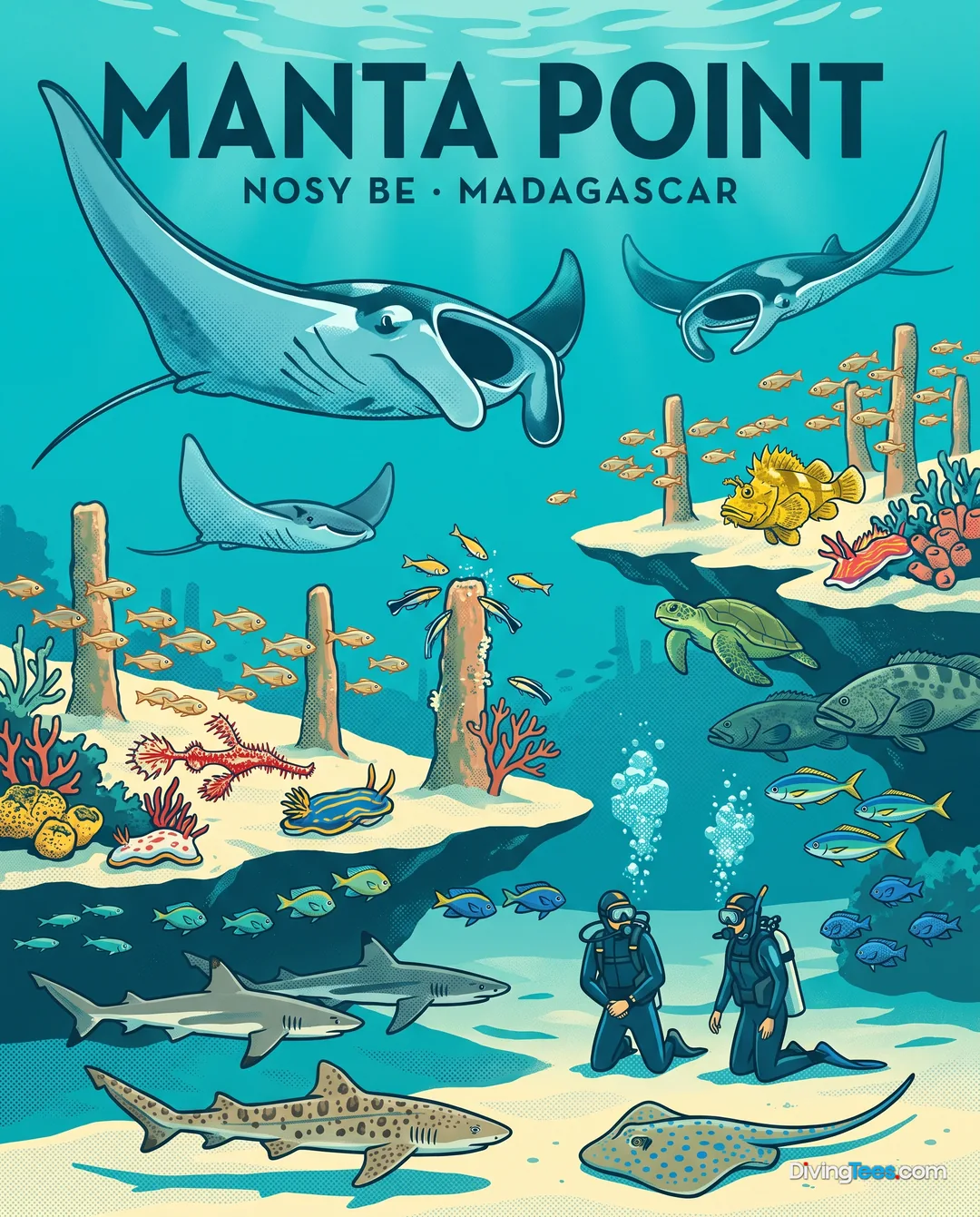
Manta Point →
Max. depth · 22 m
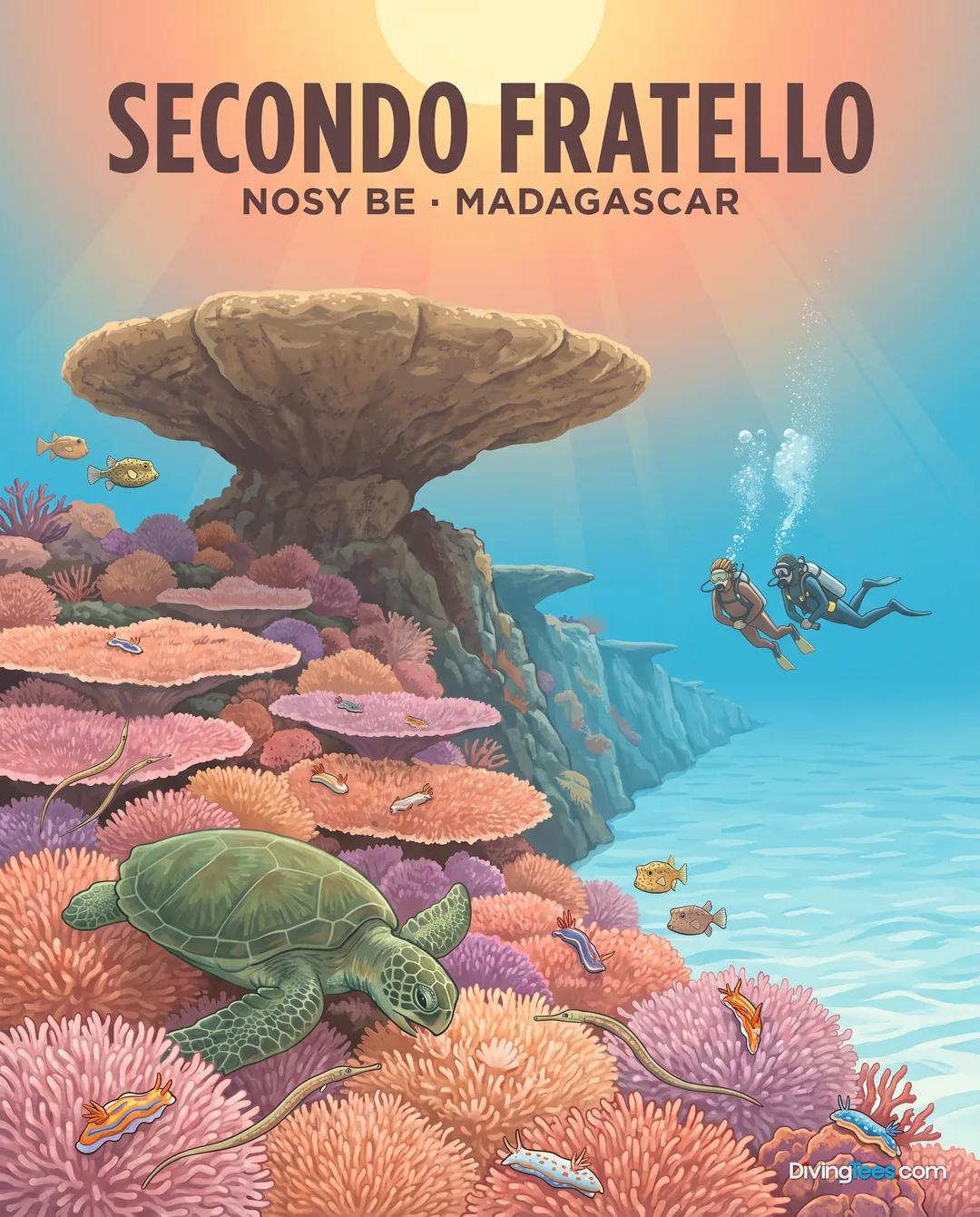
Secondo Fratello Betalinjona →
Max. depth · 28 m
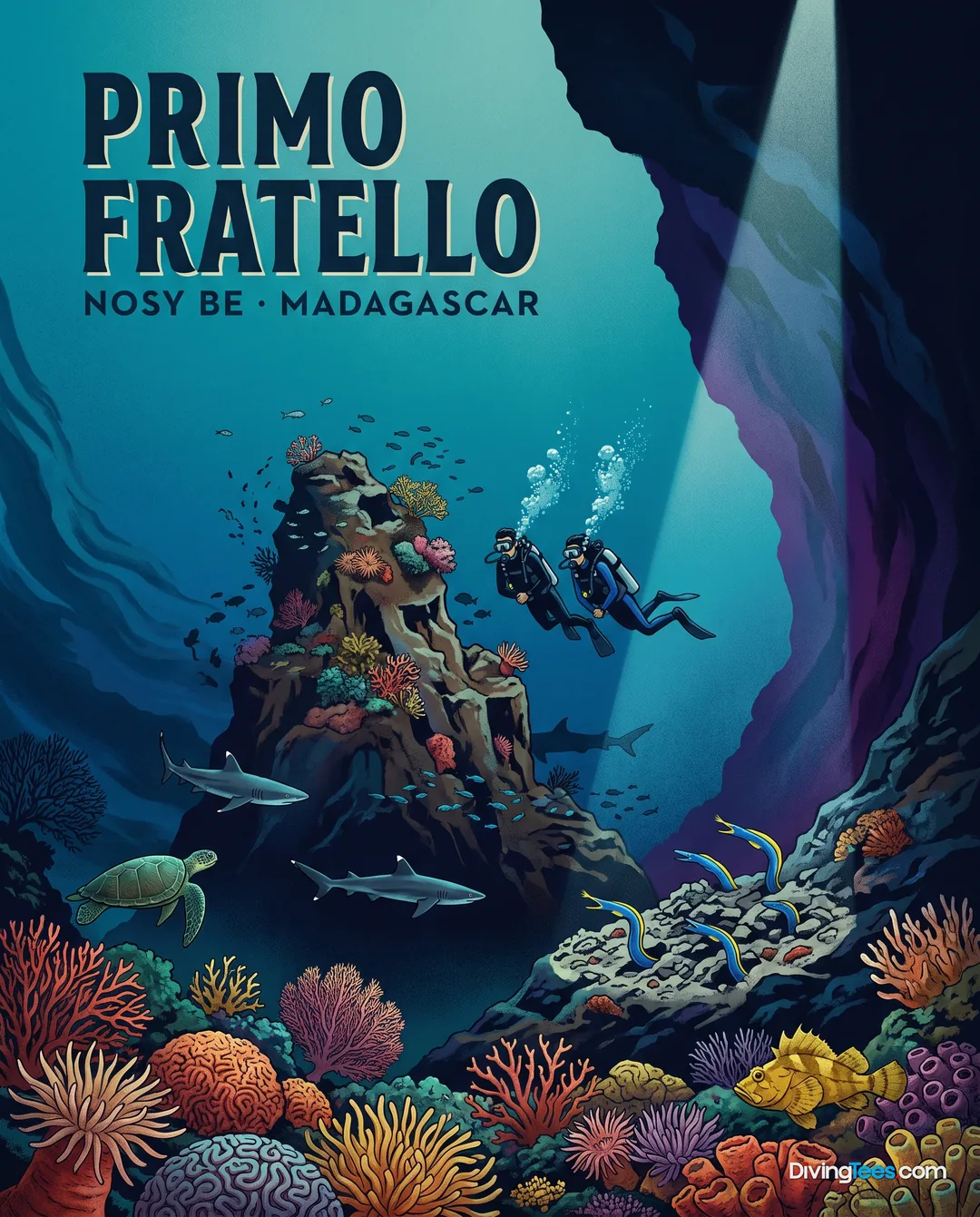
Primo Fratello Beangovo →
Max. depth · 22 m
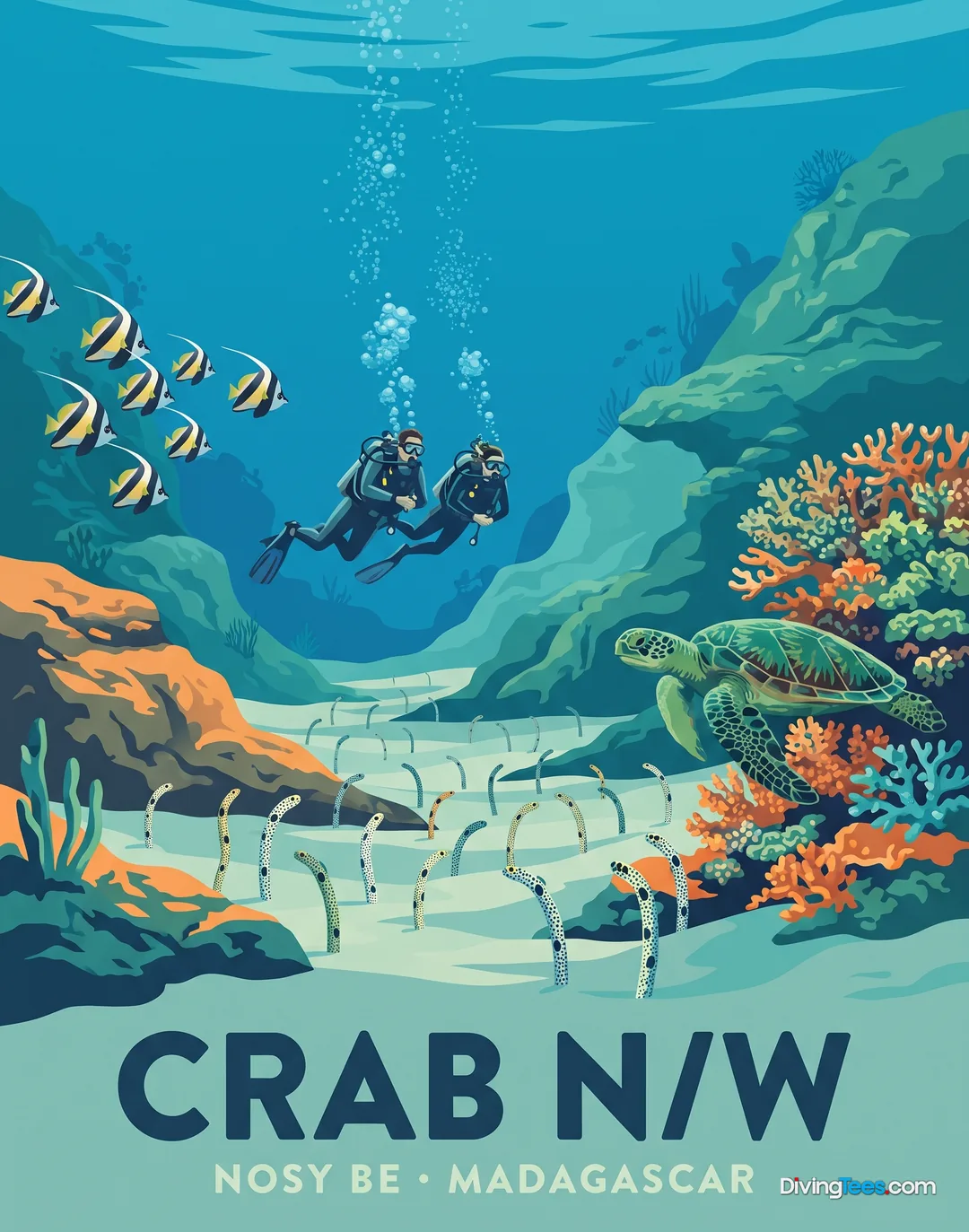
Crab N/W →
Max. depth · 28 m
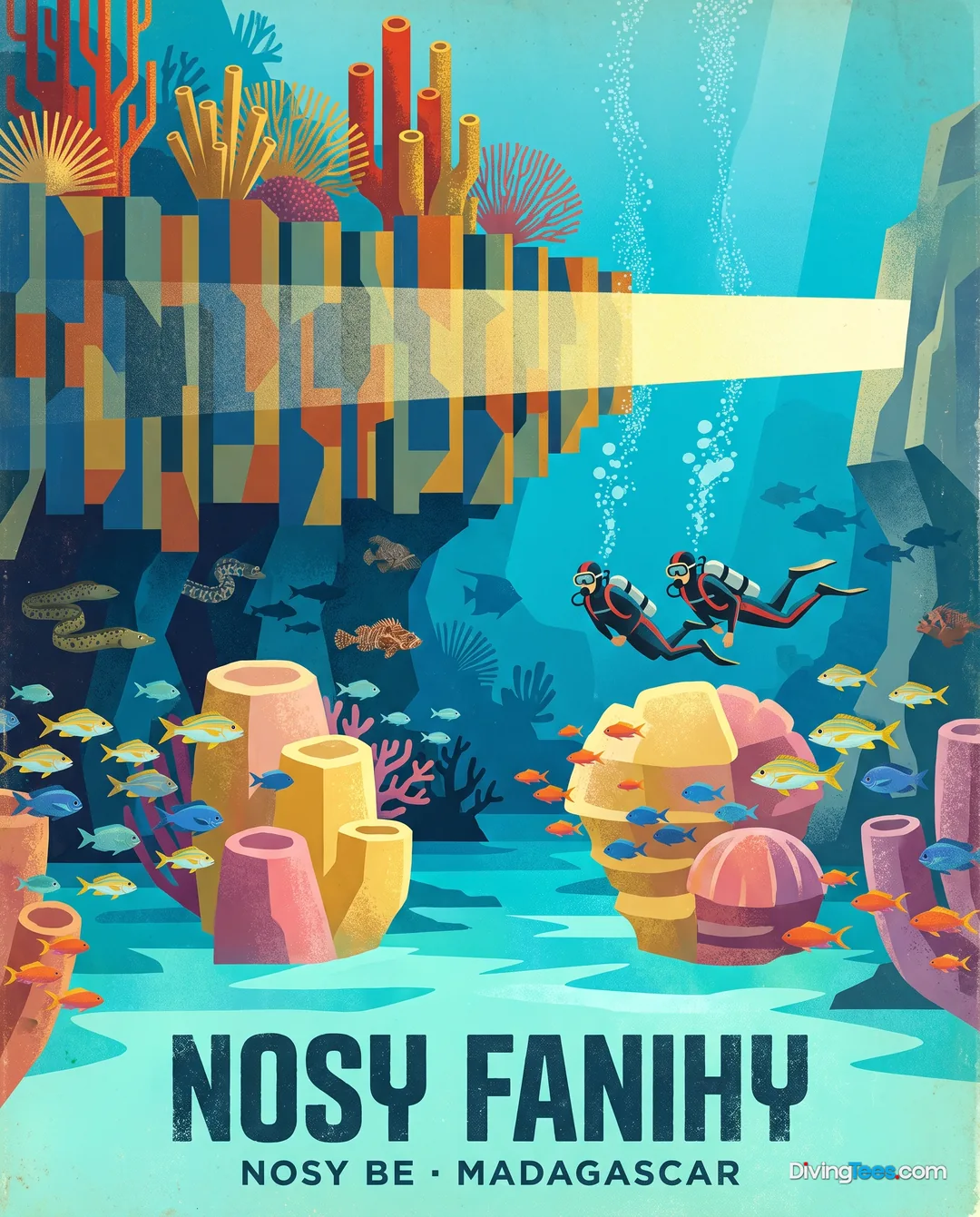
Nosy Fanihy →
Max. depth · 15 m
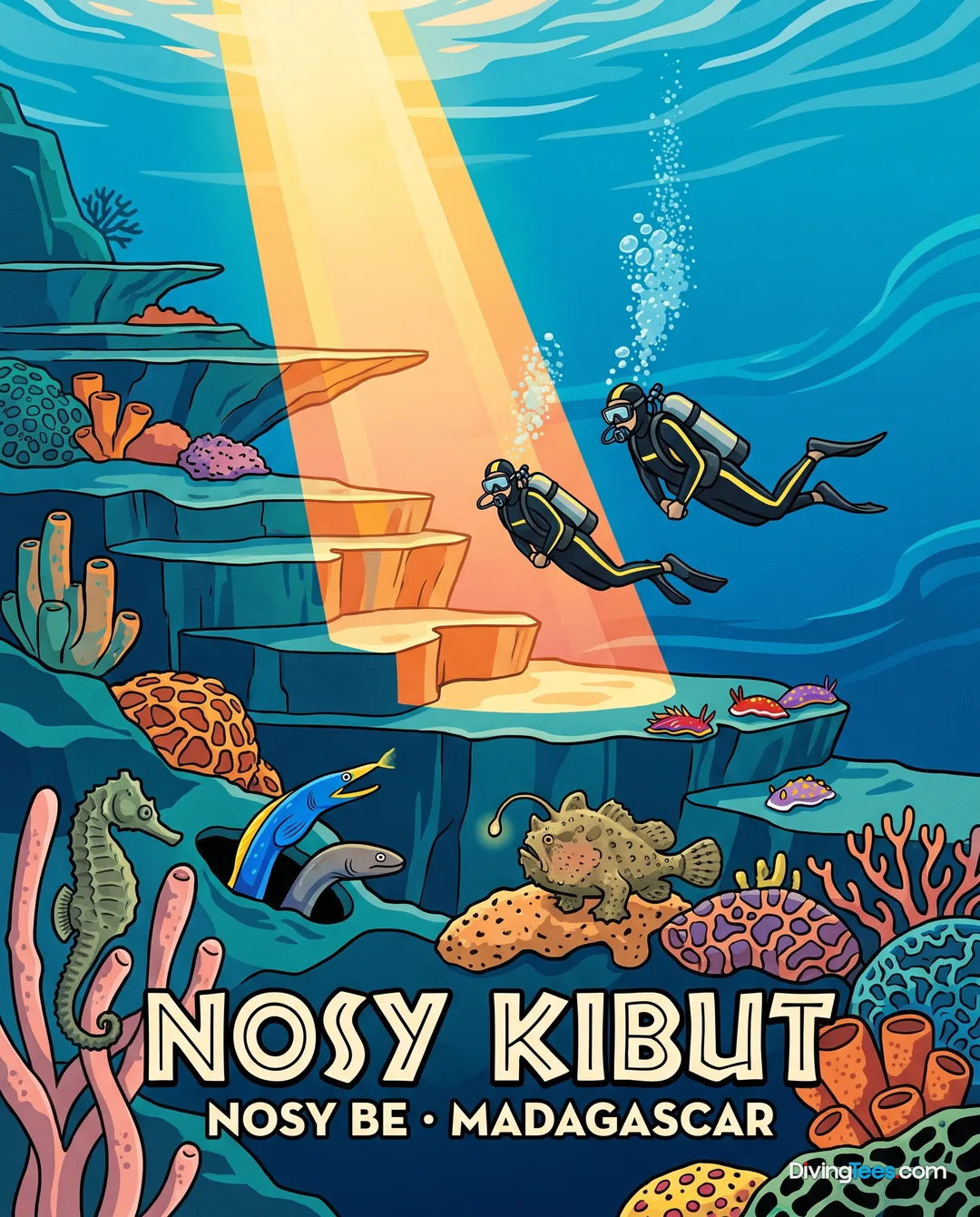
Nosy Kibut →
Max. depth · 20 m
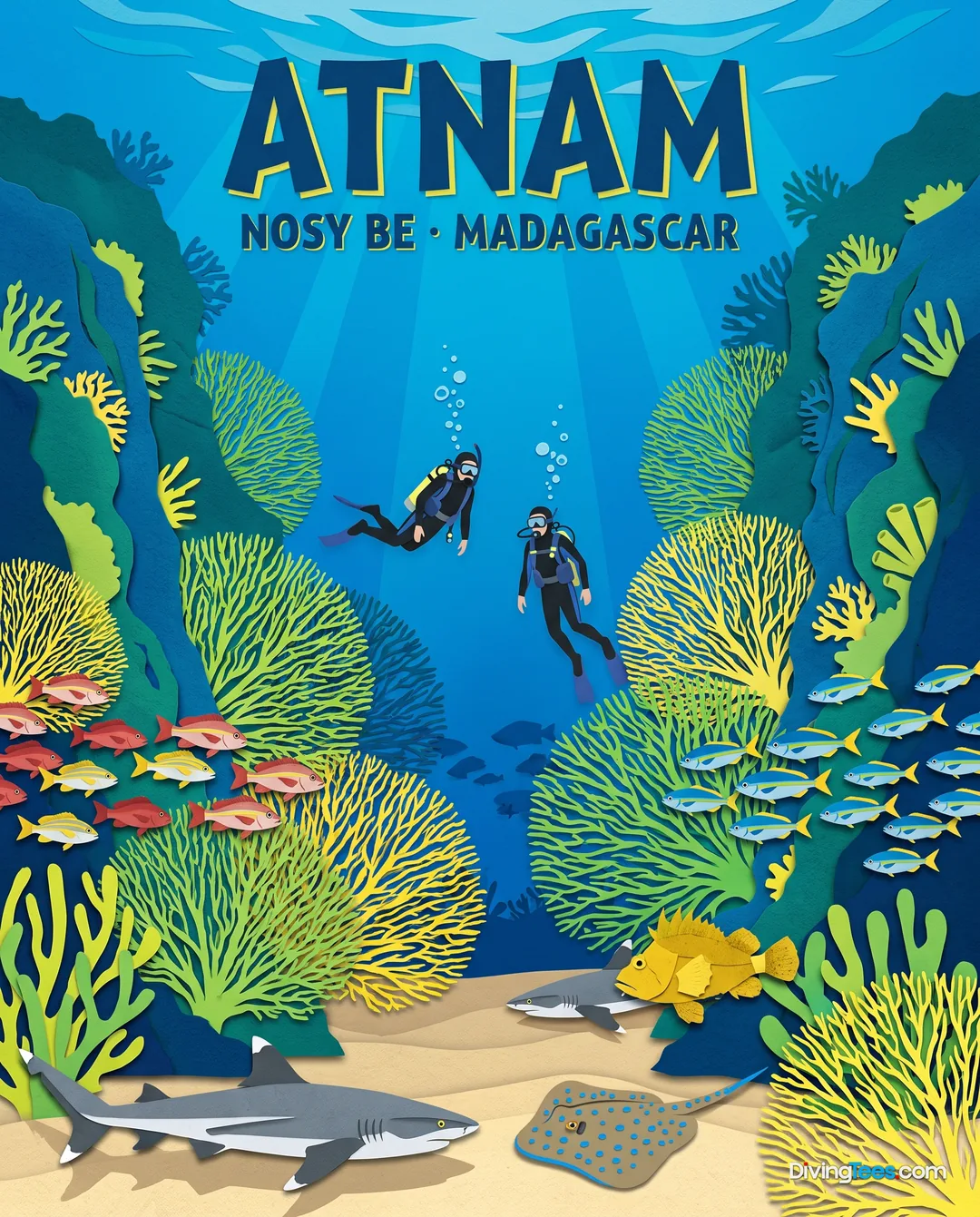
Atnam →
Max. depth · 43 m
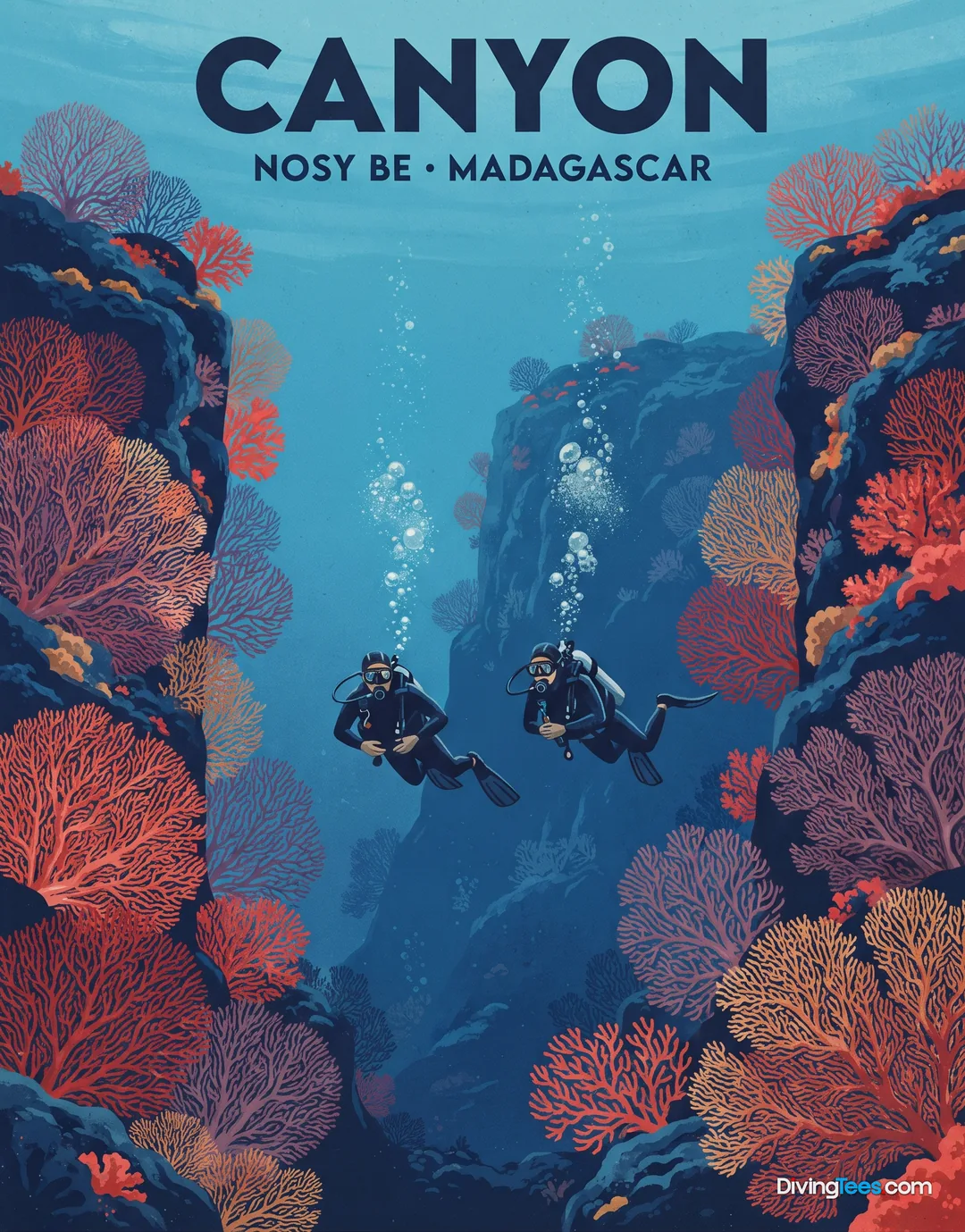
Canyon →
Max. depth · 40 m
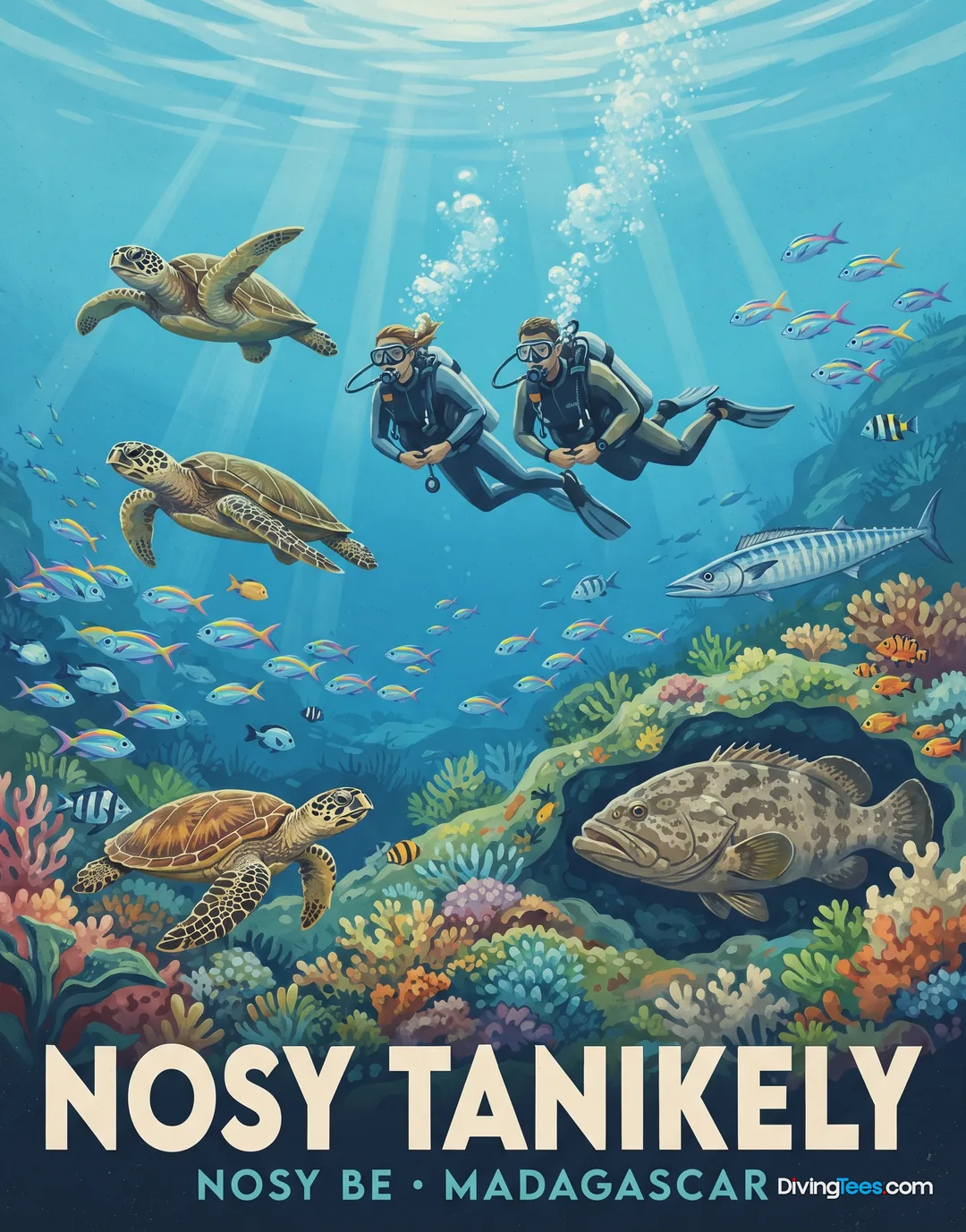
Nosy Tanikely →
Max. depth · 24 m
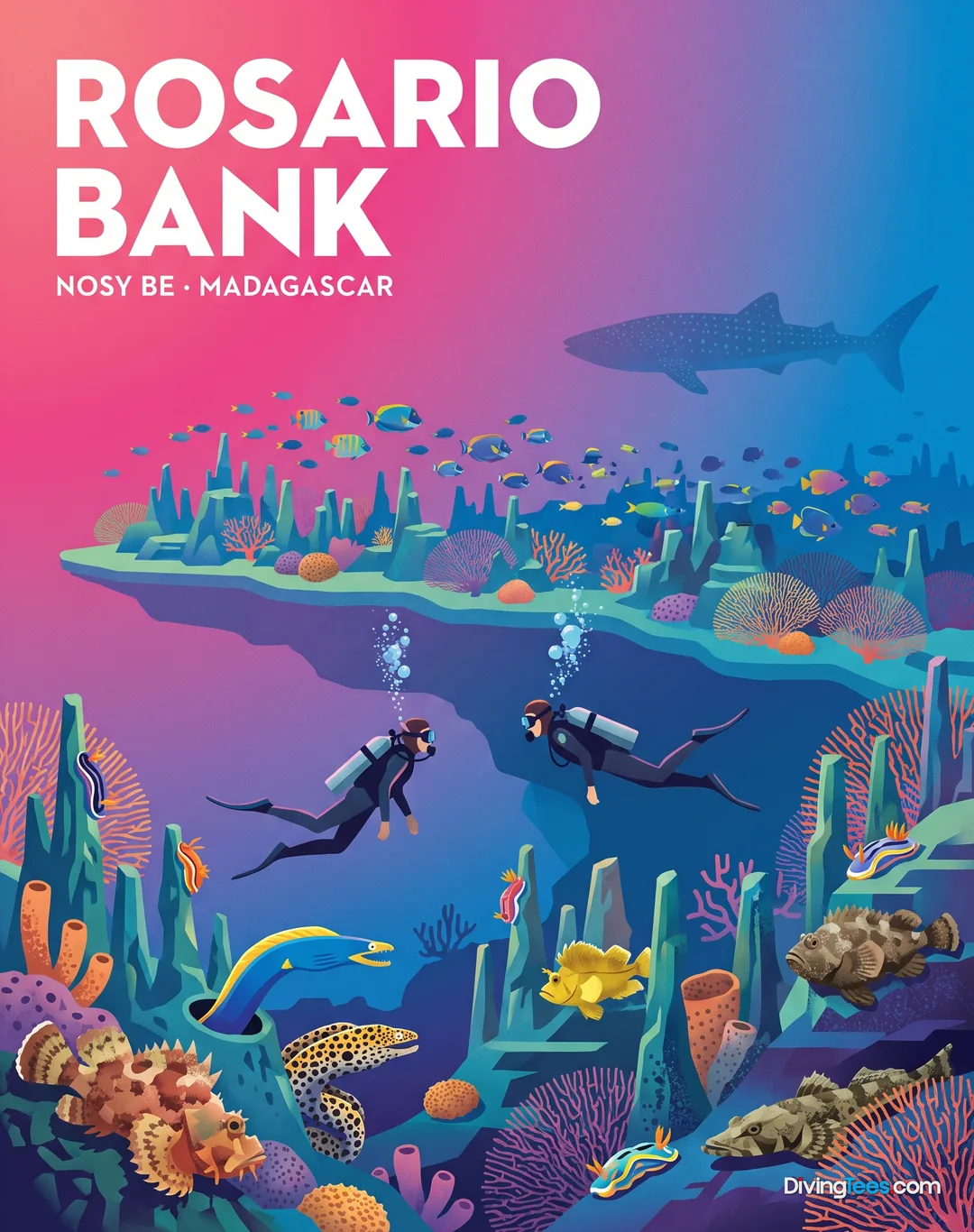
Rosario Bank →
Max. depth · 20 m
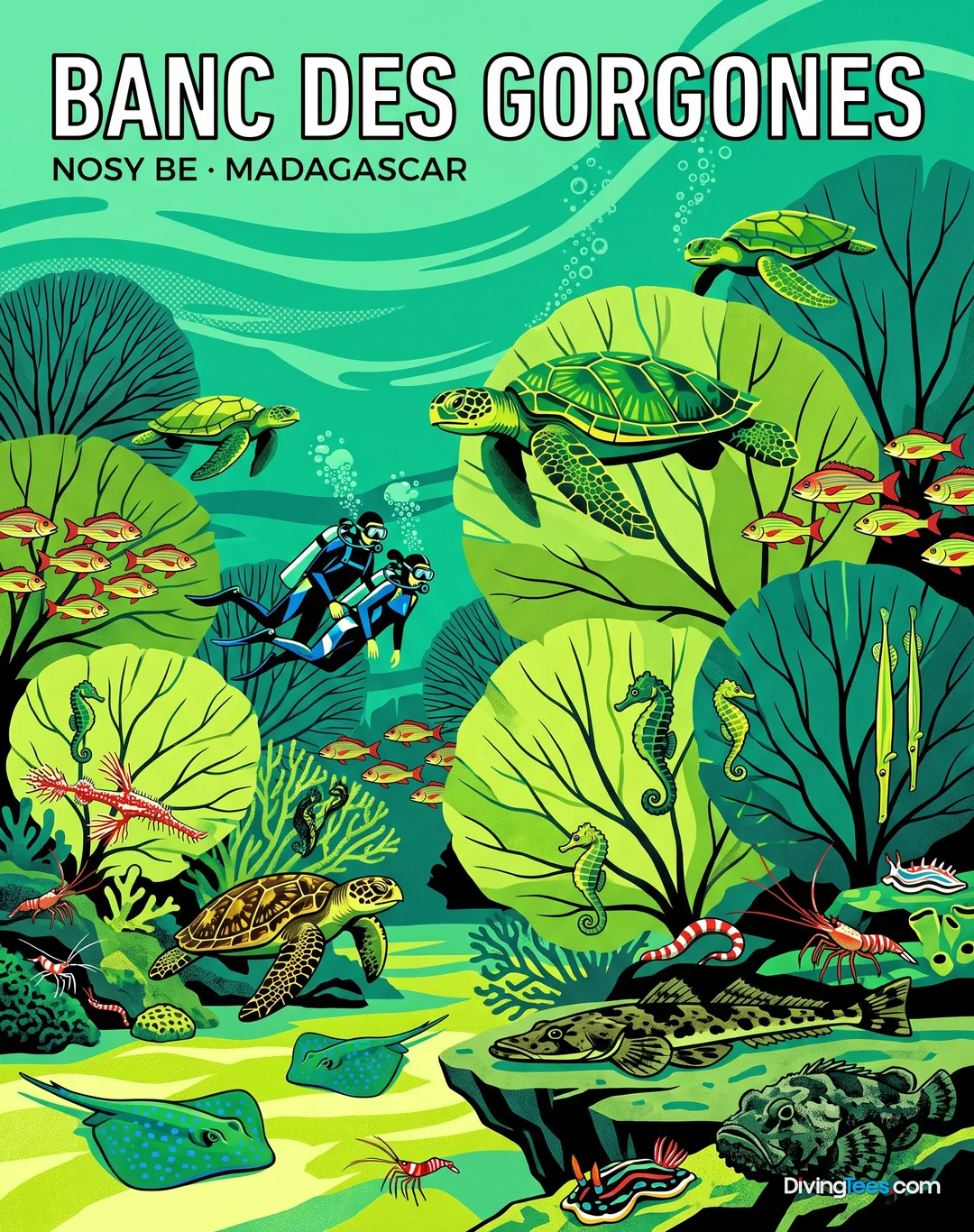
Banc Des Gorgones →
Max. depth · 19 m
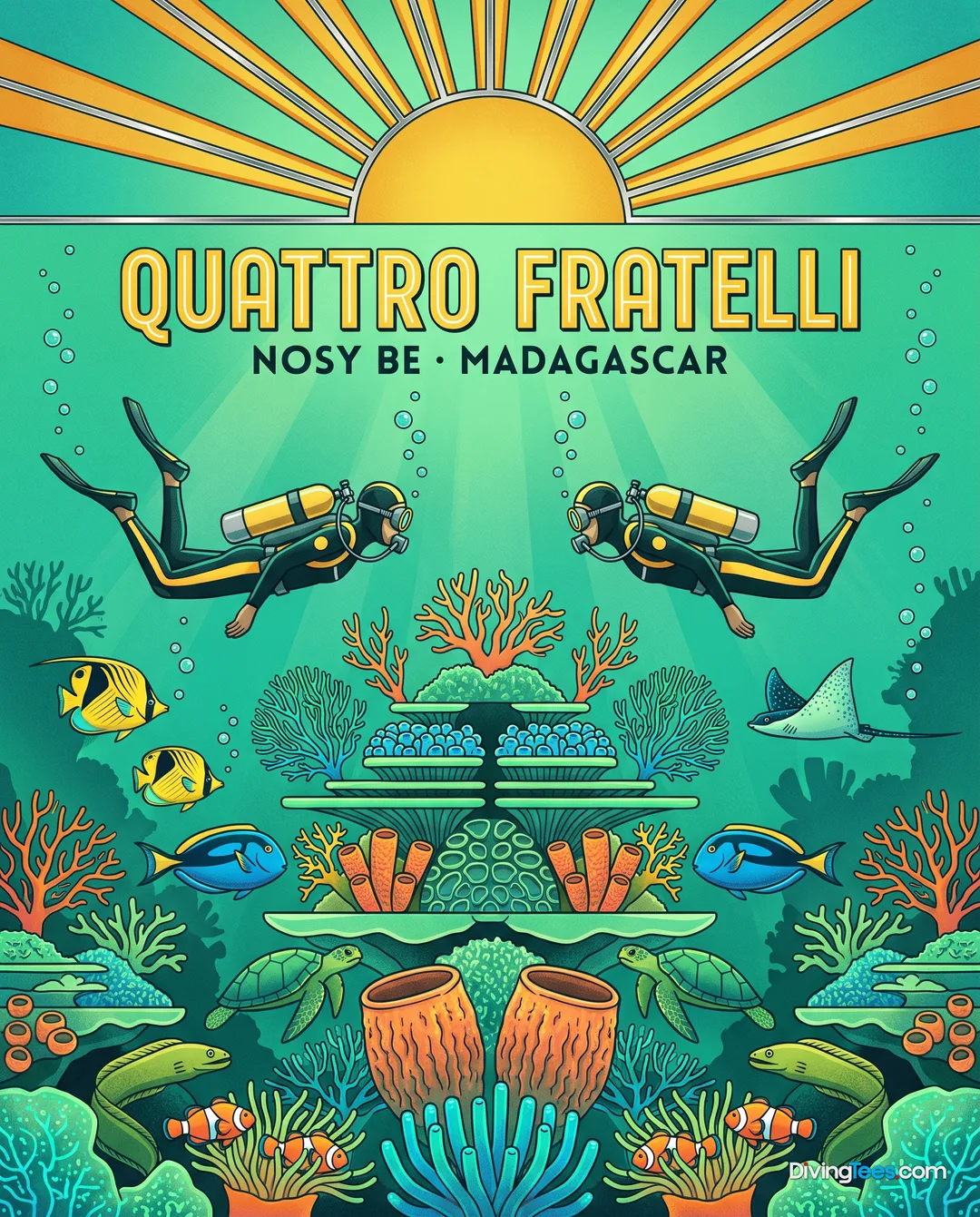
Quattro Fratelli →
Max. depth · 30 m
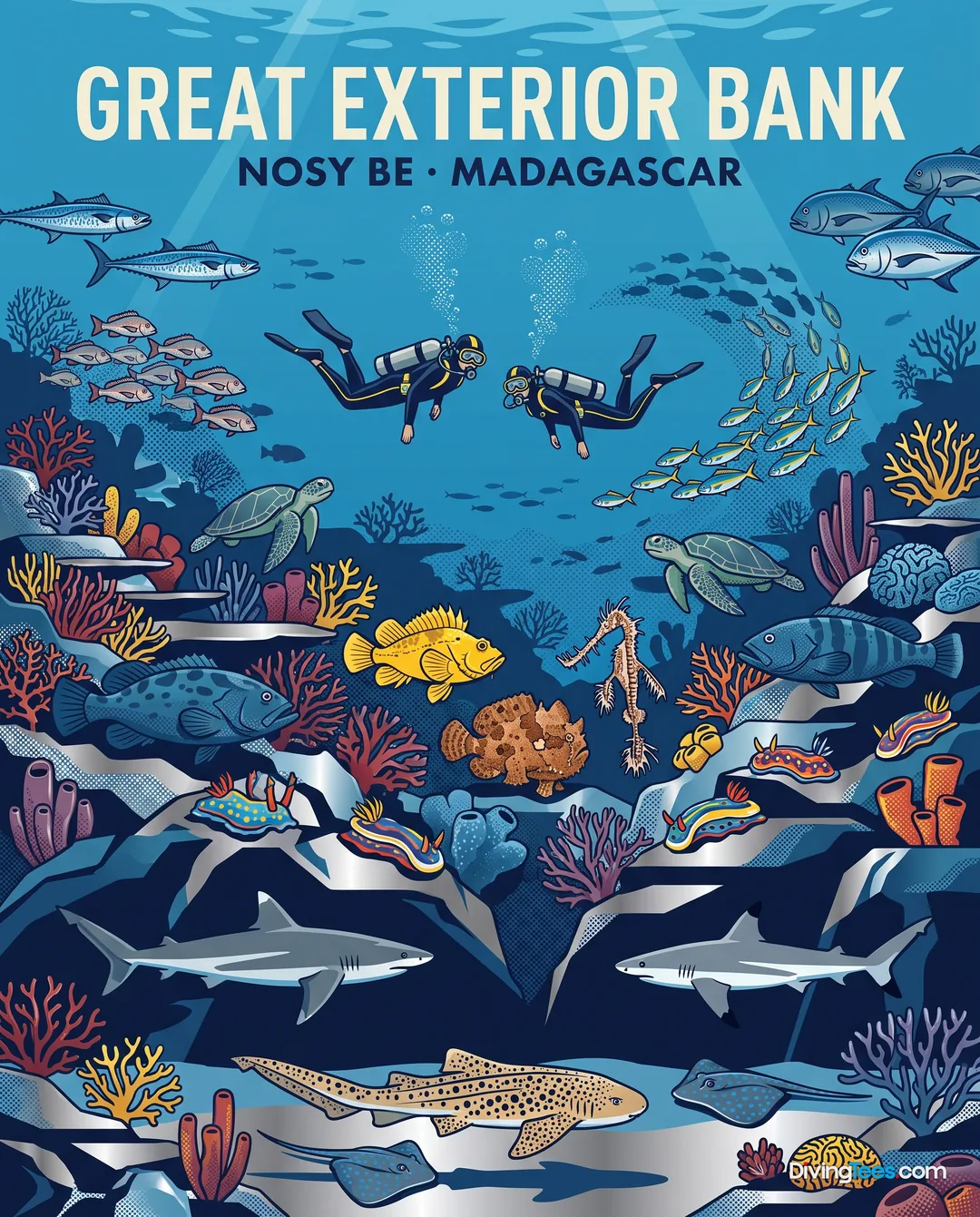
Great Exterior Bank →
Max. depth · 22 m
Itineraries, dates and prices
Prices per person. Each month shows its lowest price: click a month, or pick an itinerary.
Next departures · 36 departuresfrom £913$1,220€1,090
December 2026
March 2027
April 2027
See dates and prices
If you click these links and make a purchase on the partner site, DivingDeal may earn a commission, at no extra cost to you.
Dates and prices taken from liveaboard.com, updated 25 October 2026
What you’ll meet underwater
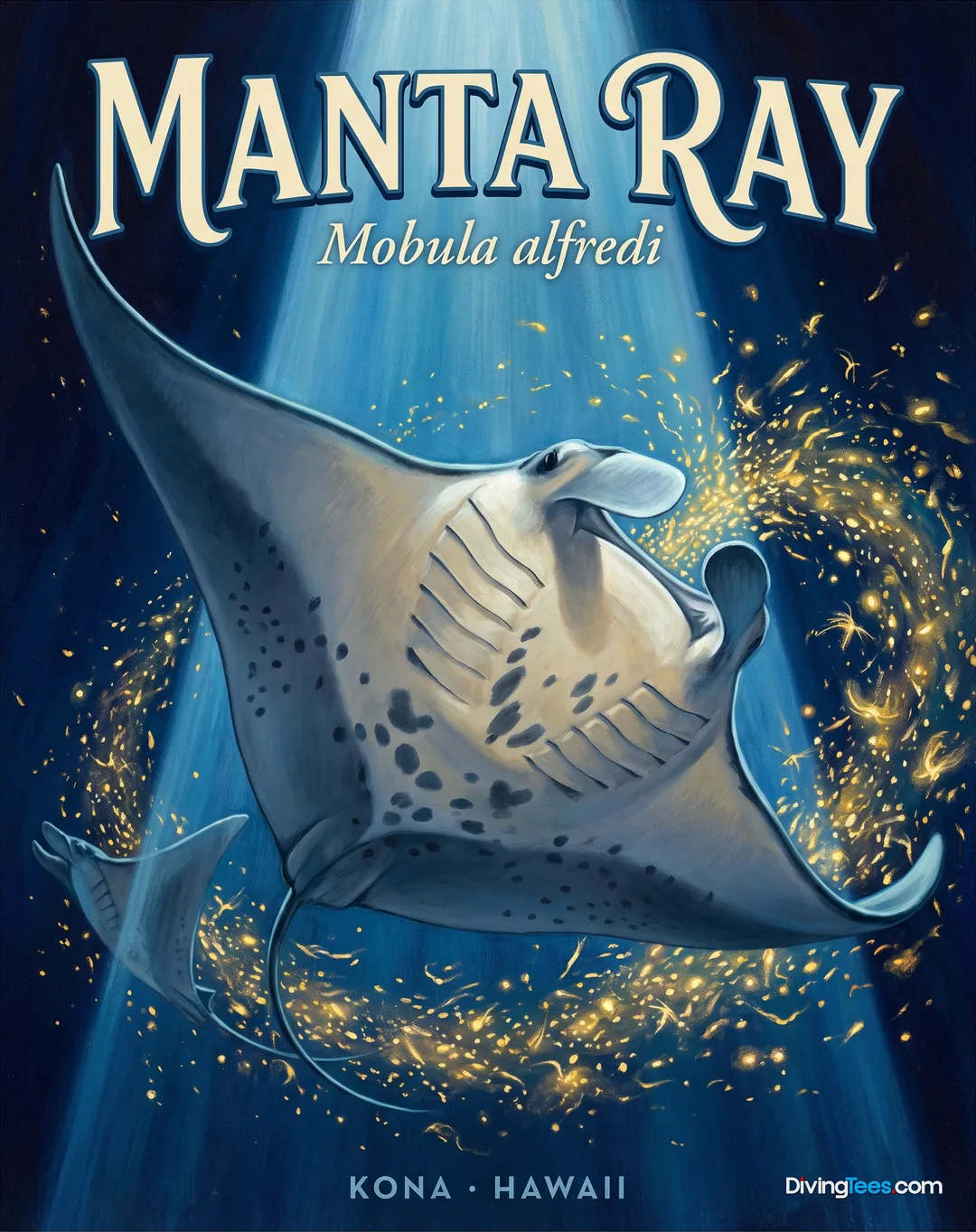
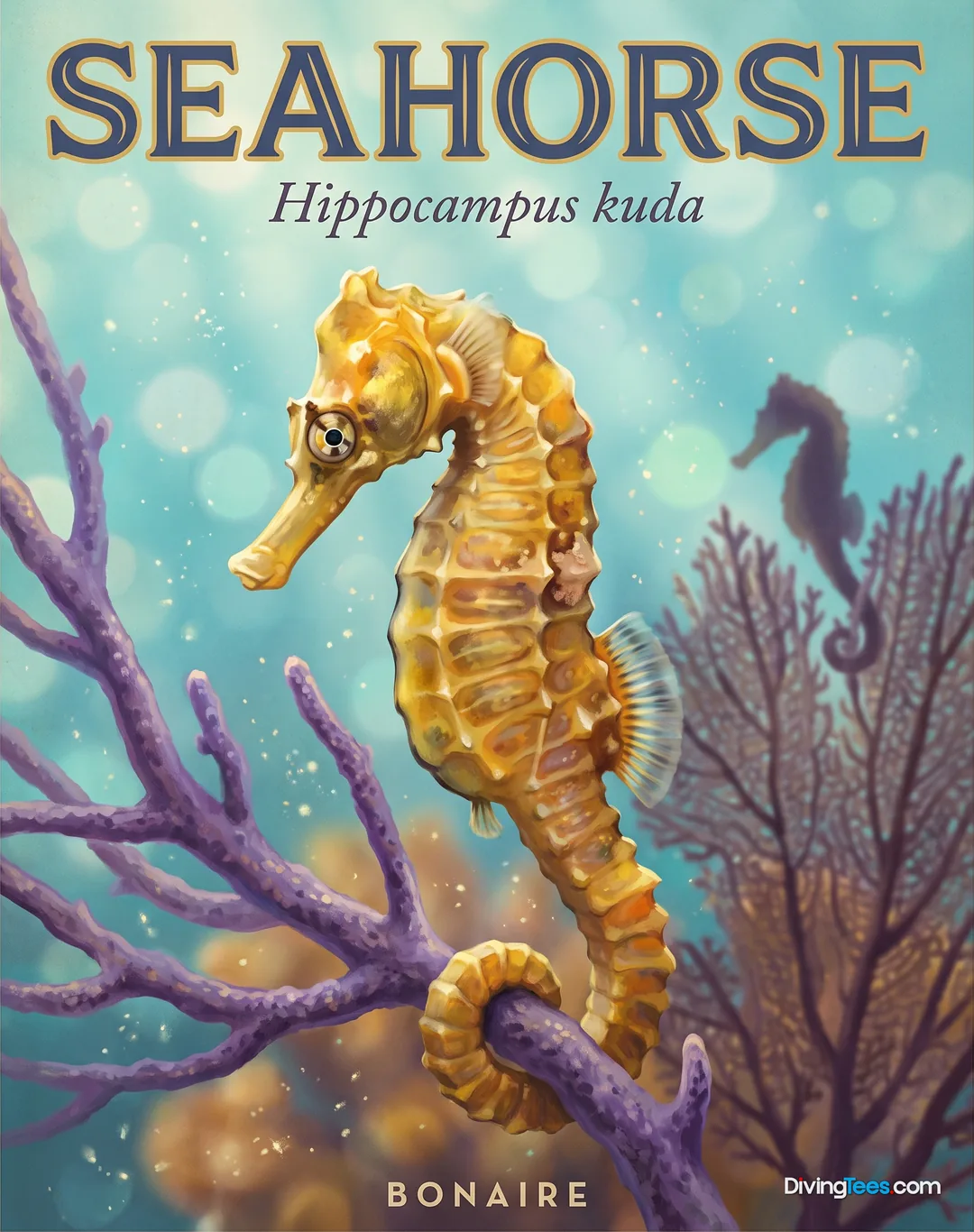
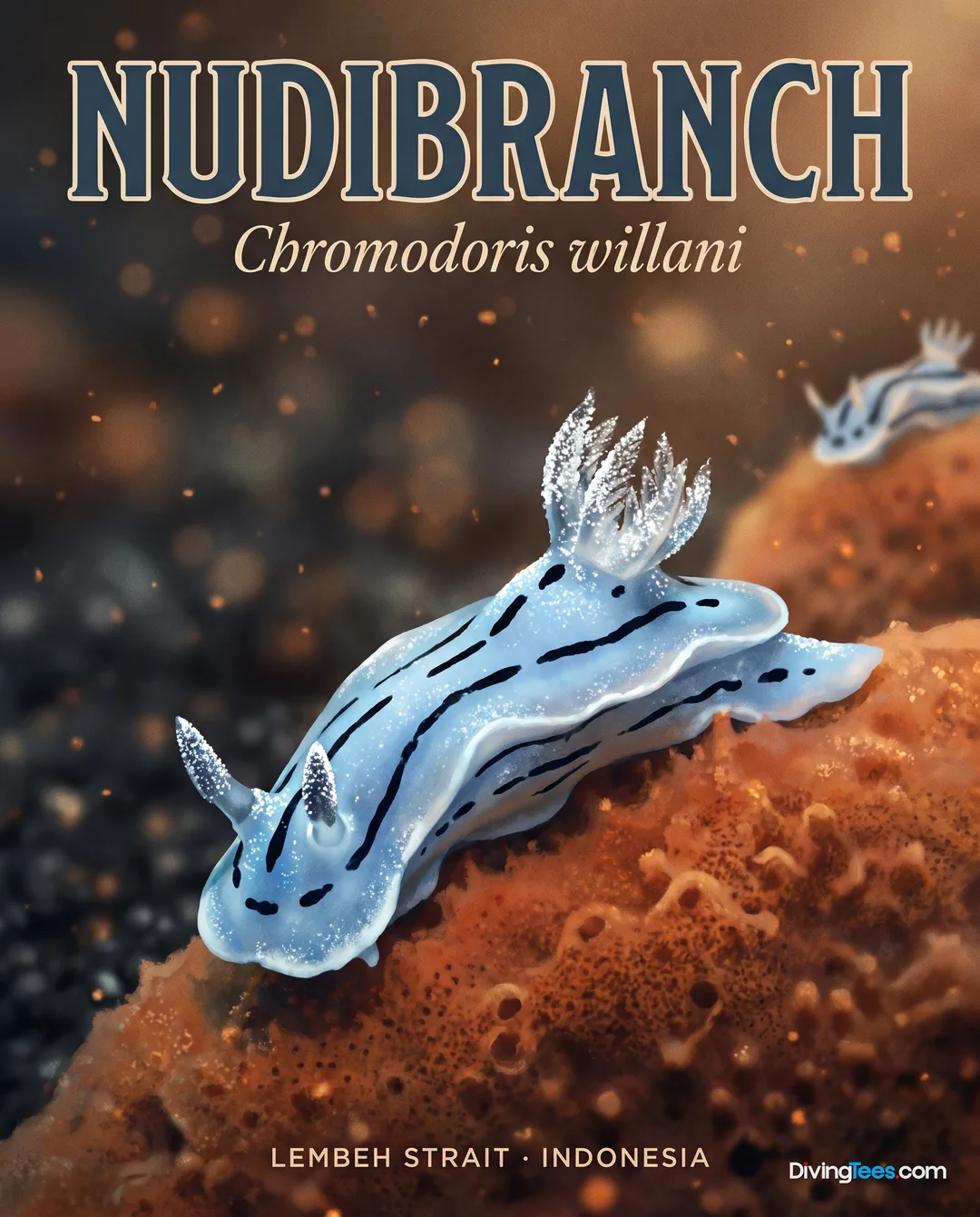
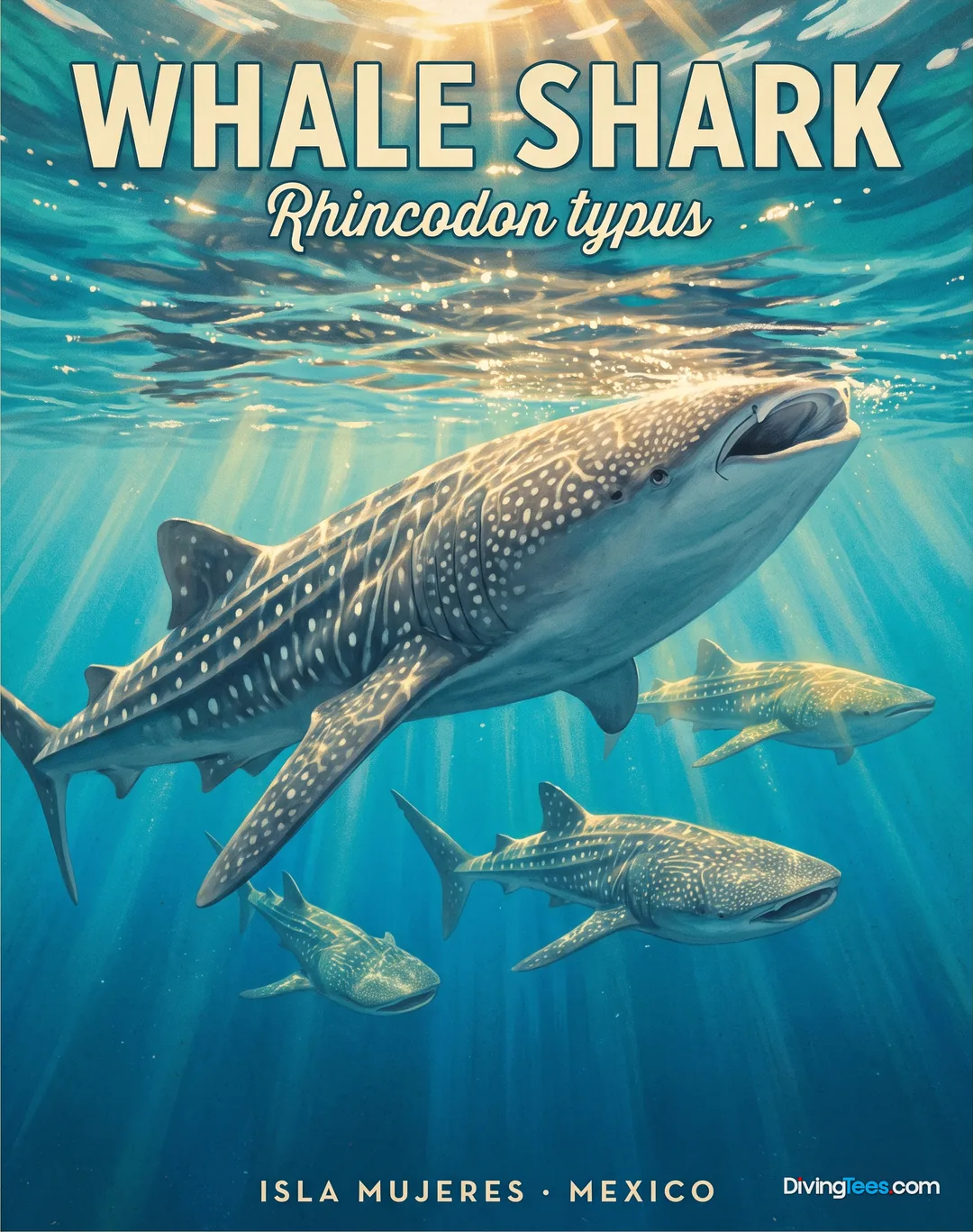
Turtles and nudibranchs are recurring possibilities on this route, alongside groupers, white-tip, black-tip and grey reef sharks, leopard sharks, ghost pipefish, filefish, snappers, trevallies, fusiliers, jacks, damselfish, Spanish mackerel and gorgonians. The particular sightings give the route its shape. Manta Point is the place to look for devil rays at cleaning stations. Rosario Bank is the named site for whale sharks, while Canyon is where grey reef sharks, tuna and big-eye trevally are recorded among the giant sea fans. Crab N/W is worth the dive for its inquisitive garden eels, and Primo Fratello Beangovo for anemones around its coral gardens. Banc des Gorgones brings green turtles, and Quattro Fratelli adds triggerfish to the usual reef life. Nosy Tanikely Marine Park is the only listed site for dolphins and Chromis. Sightings remain conditions- and luck-dependent, but the site list gives each drop a reason beyond another coral reef.
Who puts you in the water
A private diving guide is included, and the crew speaks French and English. Océane's Dream has operated from Nosy Be since 1990, with instructors working with both first-time divers and experienced explorers; the centre also runs ADIP training from Diver 1* to Diver 4*. The cruise is therefore suited to mixed experience levels, with briefings before the ten planned dives and organisation adapted to weather and site conditions. Safety equipment aboard includes oxygen, first-aid kits, fire alarms and extinguishers, life jackets, lifeboats, a VHF/DSC/SSB radio, GPS, sonar, satellite and mobile phones, and trained first-aid crew. A hyperbaric chamber is located one kilometre from the Océane's Dream centre in Nosy Be.
The dive deck and the gear
The dive area is shaded, with separate rinsing for cameras and outdoor showers for the return from salt water. DIN adapters are available, and diving tenders take groups out from the catamaran to the sites and collect them after surfacing. The centre's equipment inventory is built around 12-litre steel tanks, while rental equipment can be arranged. Nitrox is available through Océane's Dream. Camera users get the feature that matters most between dives: a dedicated rinse rather than sharing a bucket with masks and fins. The dive package covers ten dives on the Radames itinerary. Divers bringing their own kit should check the cylinder connection and rental requirements before boarding, especially if they normally dive DIN or need a specific configuration.
Between dives
Between dives, Gros Plan gives guests three different places to be: the shaded dive area, the terrace and the observation deck. The choice is useful in Madagascar's sun. One person can dry a mask in the shade, another can sit above the water with a book, while a non-diver heads ashore or goes snorkeling with the guide. The longer passages are part of the trip, not dead time. The Radames route includes about five hours from Nosy Be towards Nosy Iranja, another five-hour passage towards Antanimora, three hours to Kalakajoro and four hours back towards Nosy Iranja, with shorter moves to Antsoha and Sakatia. Those stretches open the day beyond diving: island walks, village visits, beaches and anchorages replace the next descent when the boat is underway.
A day on board
A diving day starts with the boat preparing for the first briefing while the water is still calm. The two morning dives are the fixed centre of the Radames programme, with breakfast before the first entry and a substantial meal between or after the pair. Once divers are back aboard, the catamaran gets underway for the next island or settles for a shore visit, depending on the day. Antanimora and Kalakajoro bring time ashore with local inhabitants and villages; Nosy Iranja and Sakatia add beaches and island walks. Day two also includes a night dive after the afternoon passage towards Antanimora, when the reef changes character under the beams. The final morning carries two more dives before the return to Nosy Be and disembarkation around 3 p.m. In between, tanks are rinsed, cameras go into their separate wash, lunch lands, and the next anchorage slowly replaces the last.
What you eat aboard
The cook serves full-board meals, with local cuisine part of the offer rather than an afterthought. Grilled fish appears in the cruise description, and the galley also caters for vegetarian and vegan diets. Water, tea, coffee, snacks and non-alcoholic drinks are provided; beer, wine and cocktails are available separately. Meals matter on a diving boat because they have to arrive when divers can actually use them: breakfast before the first entries, food after the morning pair of dives, and dinner once equipment is rinsed and the day has cooled. Lunch can be taken aboard while the catamaran is anchored or making a passage. The food score is the strongest of the passenger ratings, at 9.2, which fits the boat's scale: eight guests make it possible for the galley to serve people rather than a buffet line.
Nights at sea
The four cabins are double cabins with a private bathroom, hot-water shower, fan and porthole. That is the useful level of comfort after a day in salt water: a place to rinse off, shut the door and put wet things aside without sharing a bathroom queue. Cabins are non-smoking, and the boat has 220-volt power for charging. Outside, the deck is where the evening air and anchored islands do most of the work. The space is comfortable for eight, but it is still a 45-foot catamaran, not a floating resort; bags and dive equipment need to stay orderly. Nights are spent at anchor along the route, including Nosy Iranja, Antanimora, Kalakajoro and Sakatia. The soundscape is accordingly simple: water against the hull, the boat at rest, and the occasional movement of the crew preparing the next day.
Double Cabins
What to know before boarding
The Radames cruise departs from and returns to Nosy Be, with disembarkation around 3 p.m. Airport and hotel transfers can be arranged separately, with the pickup point communicated for the booking. Arriving in Nosy Be the night before is sensible, so a delayed flight does not put the embarkation at risk.
Deck plan
What the boat does for the ocean
Océane's Dream runs an environmental programme with Madagascar Attitude that guests can join during their stay. Its concrete actions include coral restoration, beach clean-ups, mangrove planting and recovery of abandoned fishing nets and other ghost-gear. A marine biologist accompanies these conservation activities. The centre also works with Plongeur du Monde on training Malagasy diving instructors, while the crew's reef approach is based on limiting damage to coral and wildlife.
- Year built
- 2015
- Length
- 13.7 m
- Beam
- 6 m
- Maximum number of passengers
- 8
- Number of cabins
- 4
- Number of bathrooms
- 4
- Engines
- 2 × 40 hp
- Cruising speed
- 8 knots
- Website
- oceanesdream.com ↗
Hello, I'm Marina, DivingDeal.com's AI assistant. I answer in detail about hotels, dive centres and liveaboards.
Thinking about the whole trip and the flights? Talk it over with Edith →
Marina is an AI. Some links are affiliate links: DivingDeal may earn a commission, at no extra cost to you. Bookings are made with the partner.