
Scuba Nosy Be
Google 4.8/5 (195 reviews)
Nosy Be · Madagascar · Indian Ocean
Max. depth · 50 mLouann offers a distinct dive profile, transitioning from a deep gorgonian-covered wall to a vibrant, shallower coral plateau.
Diving Louann begins with a descent along a steep wall, a prominent feature that drops from 20 metres and extends down to 60 metres. This initial section of the dive is defined by its extensive covering of gorgonian corals, which cling to the face of the wall, creating a textured and colourful backdrop as you make your way deeper. The sheer scale of this vertical reef provides a sense of exposure, typical of offshore wall dives, where the blue water stretches out beside you.
The topography of Louann is not just a simple wall; it's a sloping reef that allows for a progressive exploration. As you navigate the deeper sections, you'll notice the fan corals (Gorgonacea) becoming more prevalent, their delicate structures swaying gently in the subtle water movement. This deep reef environment supports a diverse ecosystem, even if the larger pelagics are not a constant feature, the structure itself is the main draw, offering a sense of scale and depth.
After exploring the deeper reaches of the wall, the dive transitions onto a shallower plateau. This section, found at more accessible depths, presents a contrasting environment. Here, the reef is densely covered with hard corals, forming a vibrant garden that teems with smaller reef inhabitants. This shift from the vertical expanse of the wall to the intricate details of the plateau offers a different perspective on the reef's biodiversity.
The shallower plateau provides an opportunity for extended bottom time, allowing you to focus on the macro life that thrives within the coral structures. While specific encounters are not guaranteed, the healthy coral growth suggests a habitat for various reef fish. You might find yourself observing fusiliers, emperors, or surgeons moving through the corals, or perhaps spot a frogfish (Antennariidae) camouflaged among the sponges and polyps, a common sight in the region's rich reefs.
Louann's structure, combining a deep wall with an expansive coral plateau, requires a flexible dive plan to fully appreciate both zones. The deeper wall sections demand careful attention to buoyancy and no-decompression limits, given the potential for depths up to 60 metres. The transition between these two distinct environments defines the flow of a dive here, offering a dynamic experience that changes as you ascend.
Visibility at Louann typically ranges from 15 to 30 metres, providing clear views of the wall's gorgonian fields and the intricate details of the coral plateau. The current here can be variable, ranging from weak to strong, which is characteristic of offshore reef dives in the Nosy Be area. This variability means you should be prepared for different conditions, especially when navigating the deeper sections of the wall.
What sets Louann apart is its dual nature: the dramatic deep wall giving way to a rich, shallower hard coral garden. This progression ensures a dive that maintains interest, moving from the vastness of a deep reef structure to the intricate details of a vibrant, shallower ecosystem. It's a site that offers a comprehensive view of a healthy reef system, distinct in its varied topography and the life it supports.
Louann is primarily suited for advanced divers due to its depth range, which extends from a minimum recreational depth of 20 metres down to 60 metres. While the site can be adjusted for intermediate divers by focusing on the shallower plateau, accessing the full depth range requires at least an Advanced Open Water certification with deep-dive experience. Current conditions are variable, ranging from weak to strong, so divers should be prepared for potentially challenging water movement. Visibility generally ranges from 15 to 30 metres. The best period to dive Louann, aligning with the regional conditions, is from April to November, avoiding the cyclone season.
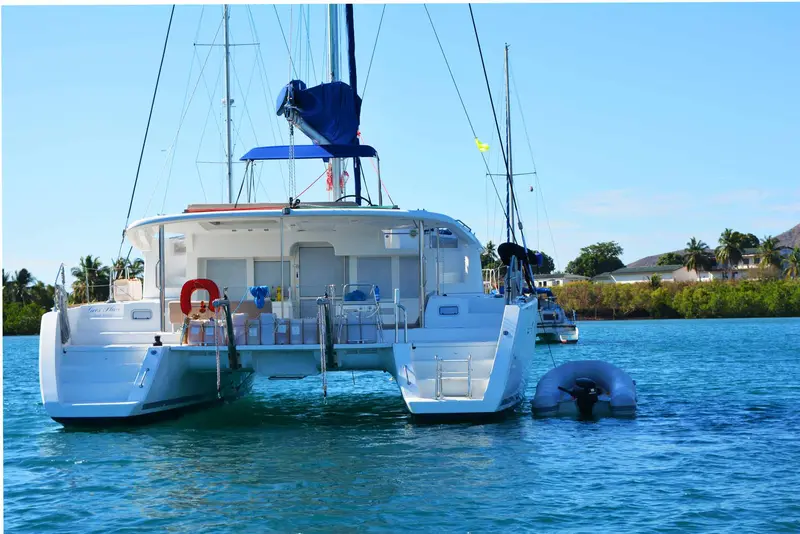
1 liveaboard departs from Nosy Be another way to explore the region, over several days at sea.
You can dive Louann from April to November, when regional conditions align with the preferred period for the site. This timing avoids the cyclone season. Visibility generally ranges from 15 to 30 metres, giving you clear views of the deep wall, gorgonian fields and coral-covered plateau.
Louann is primarily suited to advanced divers because its profile reaches deep water and may include challenging movement. You need at least Advanced Open Water certification with deep-dive experience to access the full depth range. Intermediate divers can focus on the shallower coral-covered plateau.
Louann begins at a recreational depth of 20 metres and extends down to 60 metres along a steep wall. You can explore the deeper sections before transitioning to a shallower plateau. The full profile requires careful buoyancy control and attention to no-decompression limits.
Current conditions at Louann vary from weak to strong, so you should be prepared for changing water movement, particularly near the deeper wall. You can see extensive gorgonian fields, hard corals, fusiliers, emperors, surgeons and possibly a frogfish among the coral structures.