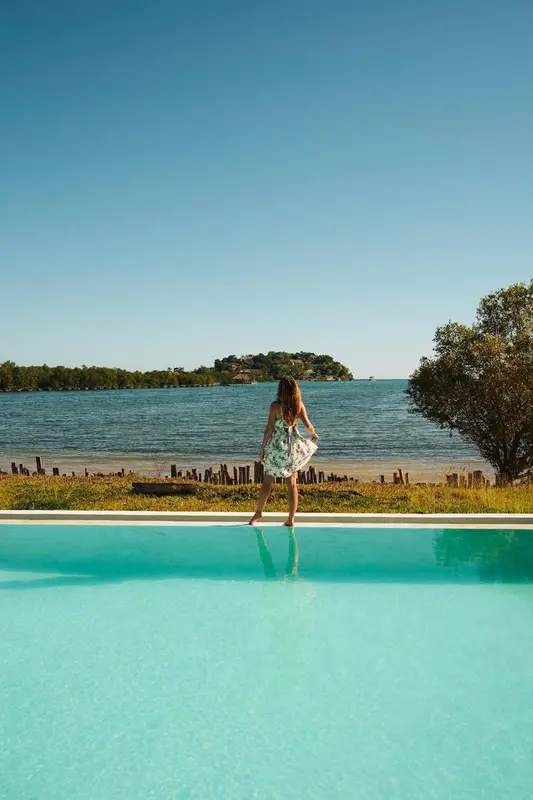
 Dive centre in the hotel
Emeraude Lodge
Google 4.8/5 (410 reviews)
The dive centre
Our Ocean Diving
PADI
Google 5/5 (34 reviews)
Dives: Nosy Tanikely Marine Park
Madagascar · Indian Ocean
Coral plateaux, gorgonian walls, a 50-metre drop and seasonal whale sharks give Nosy Be’s boat diving its distinctly Malagasy character.
For subtitles in English: start the video firstthen click the gearat the top right of the video, select “Subtitles/CC”, then “Auto-translate” and choose “English”.
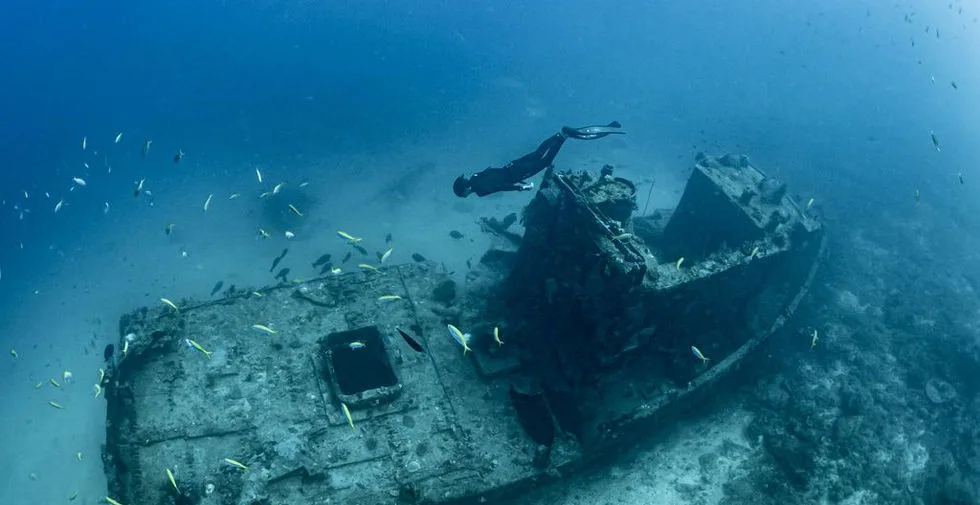
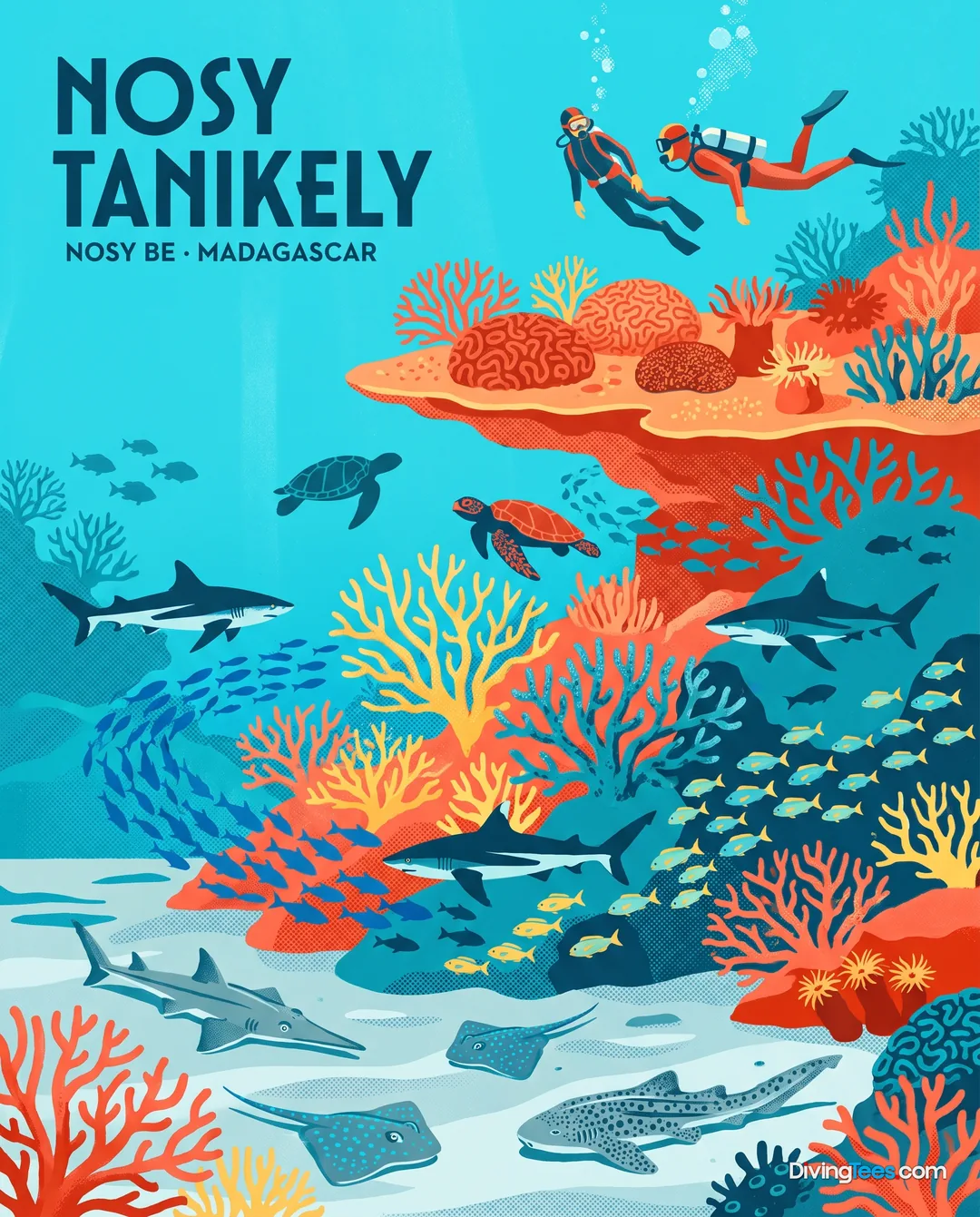
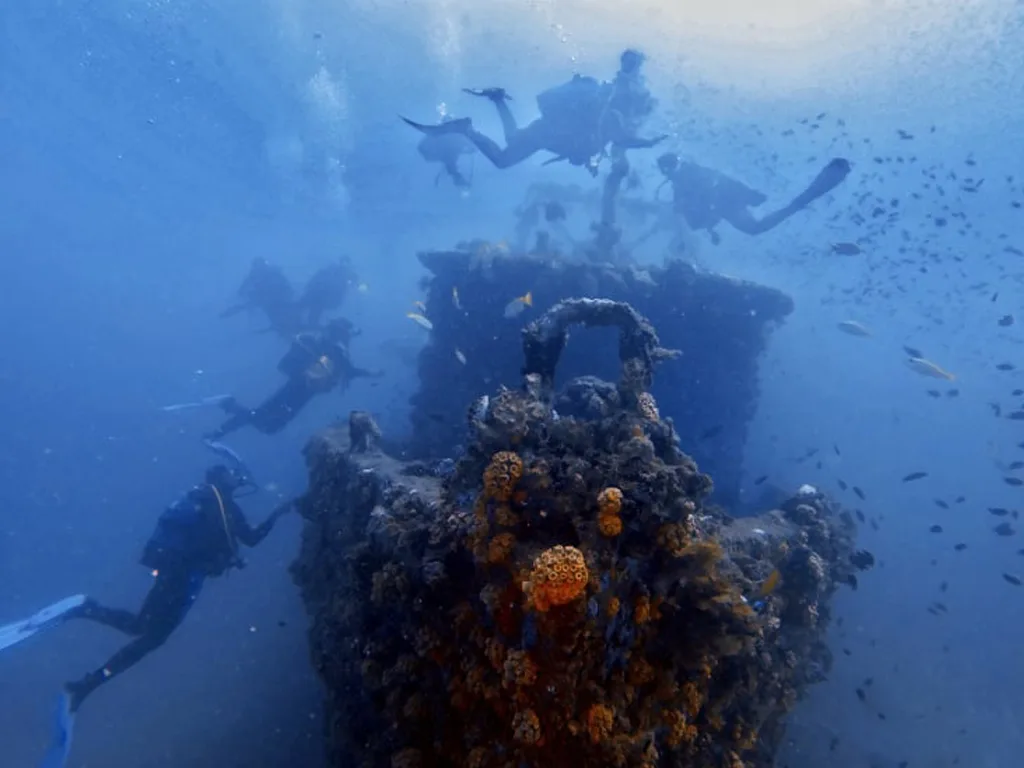
Nosy Tanikely’s protected coral gardens, the soft-coral overhangs of Secondo Fratello Betalinjona and the fish-filled Mitsio Wreck show what Nosy Be does well. This is Madagascar’s main north-western diving base: stay ashore and use daily boats to reach reefs, islands, walls and passes. The reward is not one narrowly defined style of diving, but the chance to combine relaxed reef profiles with exposed sites and seasonal encounters with larger animals.
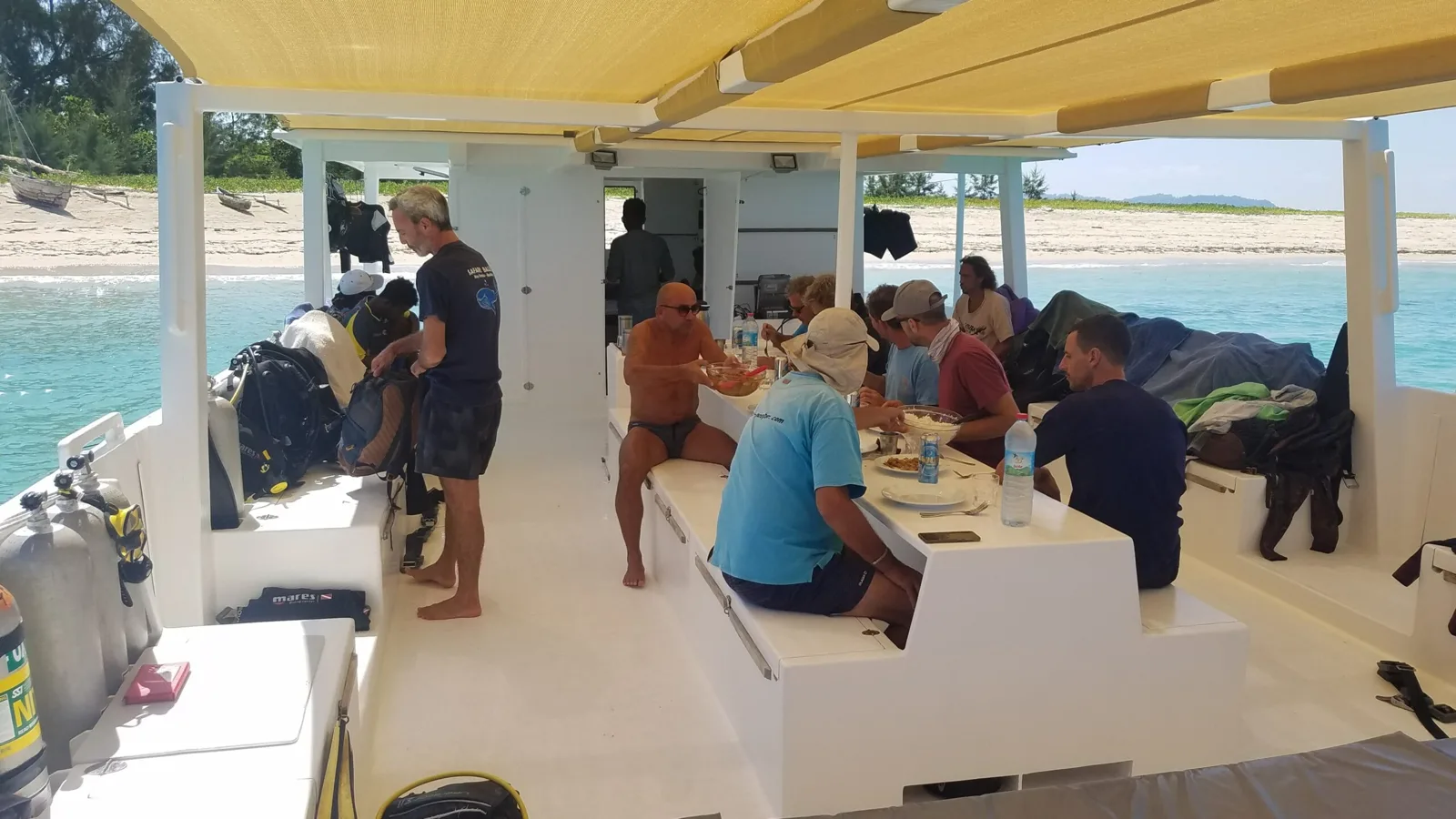
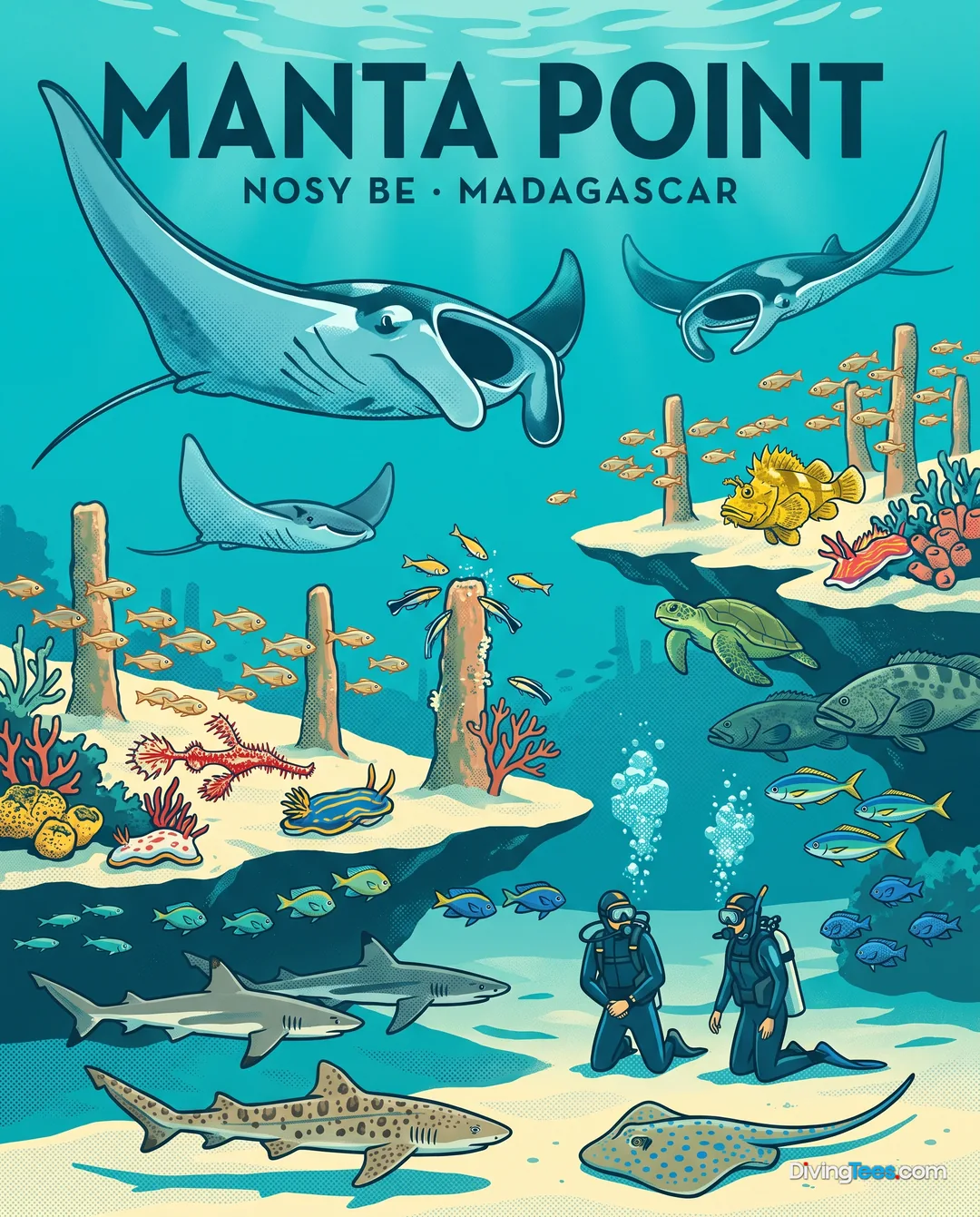
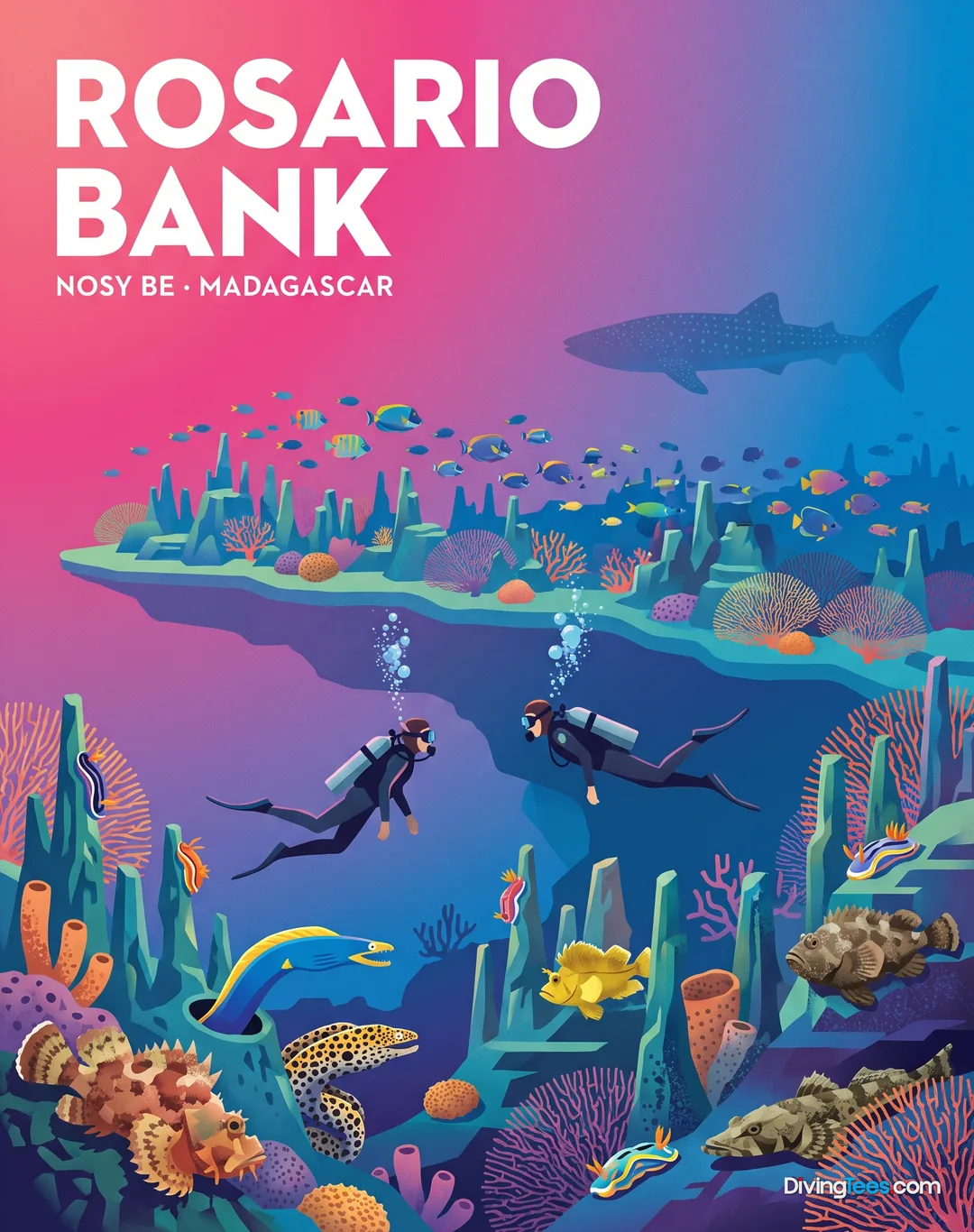
Most diving is from boats, with short crossings to nearby islands and longer runs when sea conditions allow. The underwater scenery ranges from sandy plateaux and coral banks to pinnacles, fissures, canyons and walls. Manta Point stays within a comfortable 6–22 metres, while Atnam drops through gorgonian-filled valleys towards 43 metres. Shark Point is a more serious proposition: an exposed wall reaching 50 metres, with currents that may turn a gentle drift into a brisk ride. Rosario Bank offers a shallow coral plateau and usually gentle drift conditions. Visibility is not fixed; it can become moderate or poor when wind and rain stir the water. Dive planning therefore needs a sheltered alternative, rather than treating the most exposed sites as guaranteed departures.
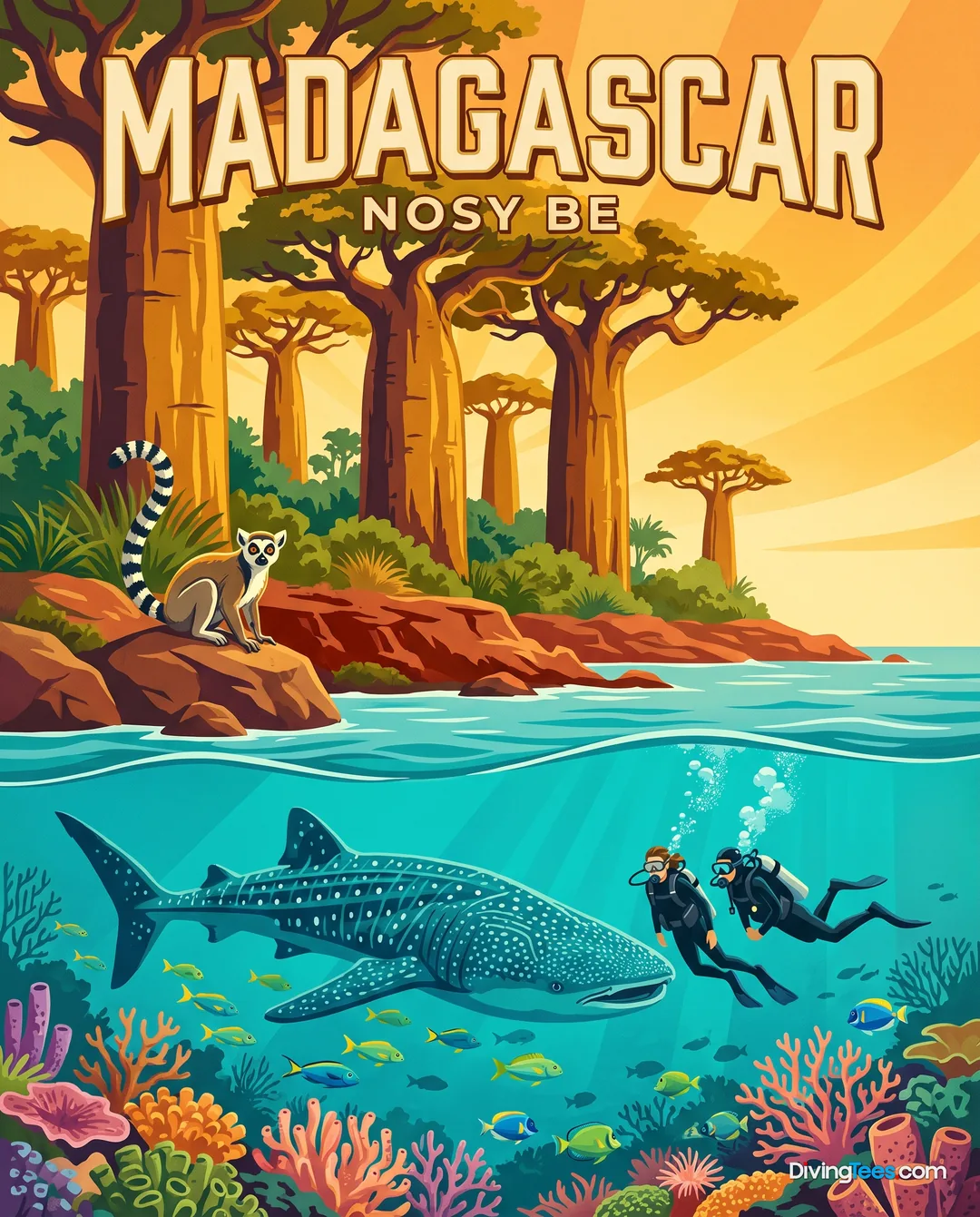
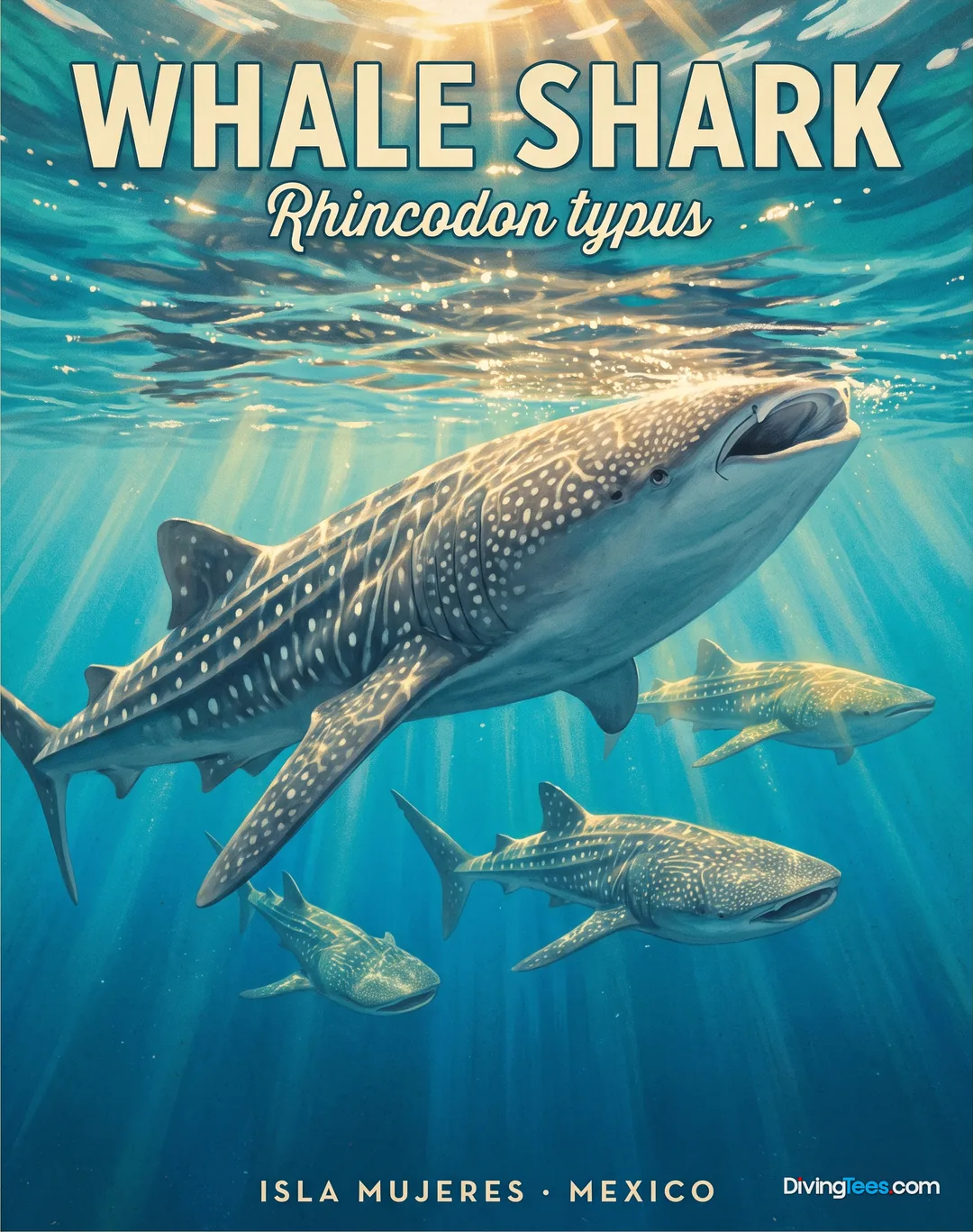
Nosy Be’s reefs support fusiliers, snappers, jacks, groupers and filefish, with sea turtles moving across the coral. Macro-focused dives can turn up nudibranchs, ghost pipefish, leaf fish and ribbon eels, while Crab N/W adds garden eels spread across the sand between its seamounts. Gorgonian country at Banc des Gorgones is a good place to look for seahorses. Larger sightings are possible but not equally dependable: manta rays and mobulas are occasional, as are guitarfish, blue stingrays and white-tip reef sharks. Whale sharks are the clearest seasonal draw, with regular encounters generally associated with October to December and dedicated local outings. Humpback whales may pass from July to September, although sightings remain occasional rather than something to build the whole trip around.
The measured calmest and clearest period around Nosy Be runs broadly from March to November, while rainfall is lowest from April to October. For a practical diving holiday, April to October is the safer balance: less seasonal rain usually means fewer weather-related interruptions and better prospects for the outer reefs. January to March is the awkward period, when rain and a rougher sea can close boat options or reduce underwater clarity. March and November can still work, but a five- to seven-day stay gives the weather some room to change. October to December is worth considering for whale sharks, accepting that the later part of that window overlaps less settled conditions.
The local diving suits all levels, particularly on sites such as Nosy Tanikely Marine Park, Nosy Fanihy and Nosy Kibut, where shallow profiles and mild conditions make unhurried diving possible. Open Water divers can enjoy plenty of the reef, but Advanced Open Water experience is useful for deeper or more exposed sites such as Shark Point and Atnam. Divers should be comfortable with drift procedures and changing current before tackling Primo Fratello Beangovo. Nitrox is practical for several days of boat diving, especially for those wanting to reduce fatigue rather than chase a particular speciality.
From the UK, the journey starts at London Heathrow, London Gatwick or Manchester, with flights to Nosy Be commonly involving a connection. Ethiopian Airlines, Air Austral and Air France are among the carriers associated with the route, but schedules change, so the connection pattern needs checking before the diving is booked. There is no compulsory ferry crossing to reach Nosy Be itself. Once on the island, divers normally reach the chosen centre by a short road transfer, local taxi or on foot, depending on the bay and accommodation. The diving is then principally boat-based, with sea conditions able to affect longer crossings to the outer islands and exposed reefs.
Build the trip around several diving days, not a single fixed boat outing. Nosy Be makes more sense when there is time to use a calm-weather window for the outer reefs and keep sheltered sites as a fallback if wind rises. Ask what the day’s alternative sites are before boarding; this matters more here than a rigid promise of one exposed location. Staying close to the waterfront or embarkation point also saves repeated early transfers across an island that is more spread out than a map may suggest. If whale sharks are the main reason for travelling, use the October–December season and leave room for the local wildlife programme rather than assuming a sighting on demand. Nosy Tanikely is a regulated national park, not simply an open anchorage: the entry permit, fee and no-take rules are part of the outing. Do not anchor on the reef, collect anything or touch the coral. Popular wildlife sites may also attract snorkellers, so an early departure or a less popular time can make the water less crowded. A weather-free day should be kept in reserve rather than filled with another long crossing.
A five- to seven-day stay works well: it allows repeated boat departures, a mixture of sheltered reefs and more exposed sites, and some tolerance for a cancelled crossing. Land-based diving is the normal arrangement, with a liveaboard adding reach into more distant north-western areas rather than replacing the island base. Non-diving days can include PMT around the nearby islands, boat trips, marine-life watching or a quiet lagoon and beach day. The final day should remain low-effort before flying home.
Hello, I'm Marina, DivingDeal.com's AI assistant. I guide you through destinations, areas and countries.
Thinking about the whole trip and the flights? Talk it over with Edith →
Marina is an AI. Some links are affiliate links: DivingDeal may earn a commission, at no extra cost to you. Bookings are made with the partner.
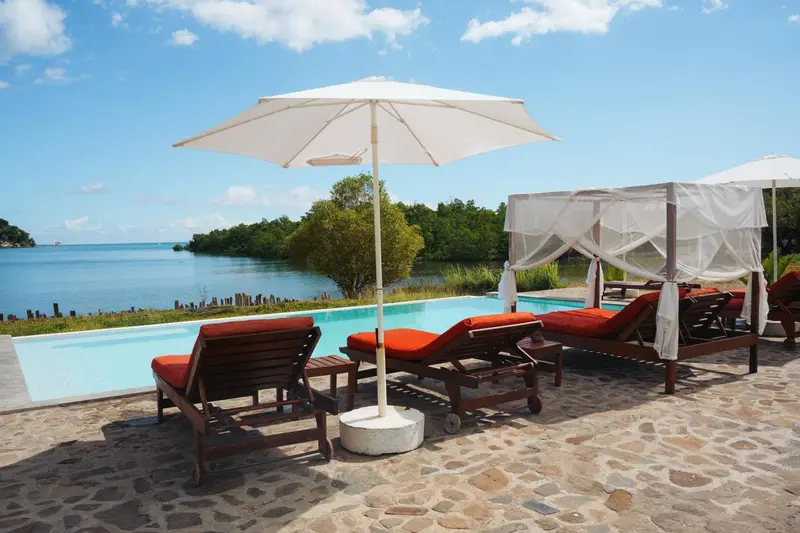
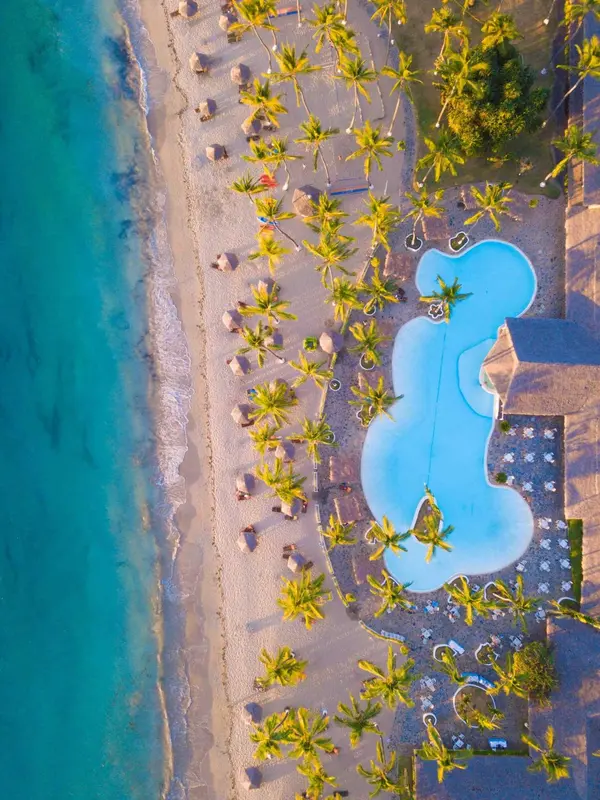
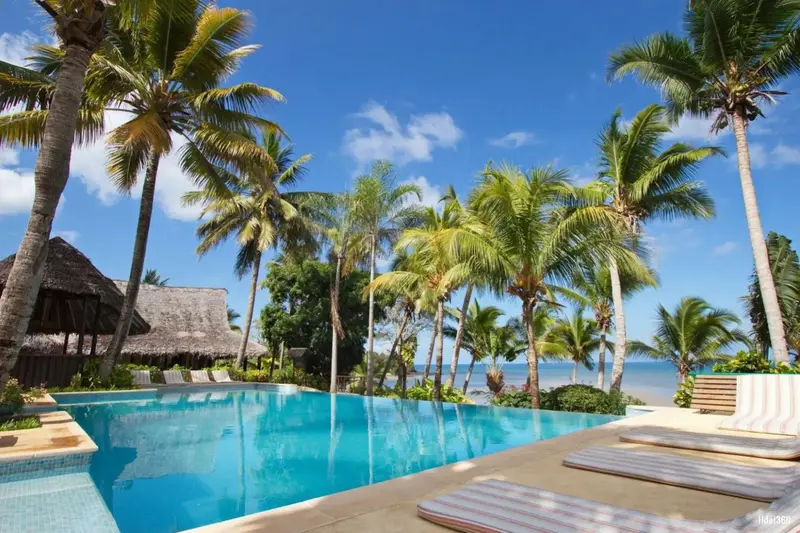
In each one, the dive centre is inside the hotel: step out of your room and go diving.
Dive centre in the hotelGoogle 4.8/5 (410 reviews)
The dive centre
Our Ocean Diving
PADI
Google 5/5 (34 reviews)
Dives: Nosy Tanikely Marine Park
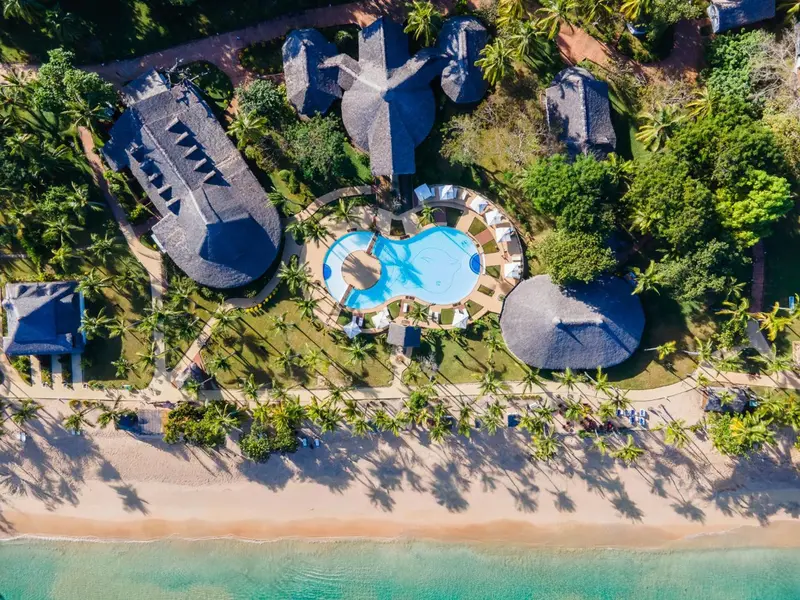 Dive centre in the hotel
Google 4.6/5 (427 reviews)
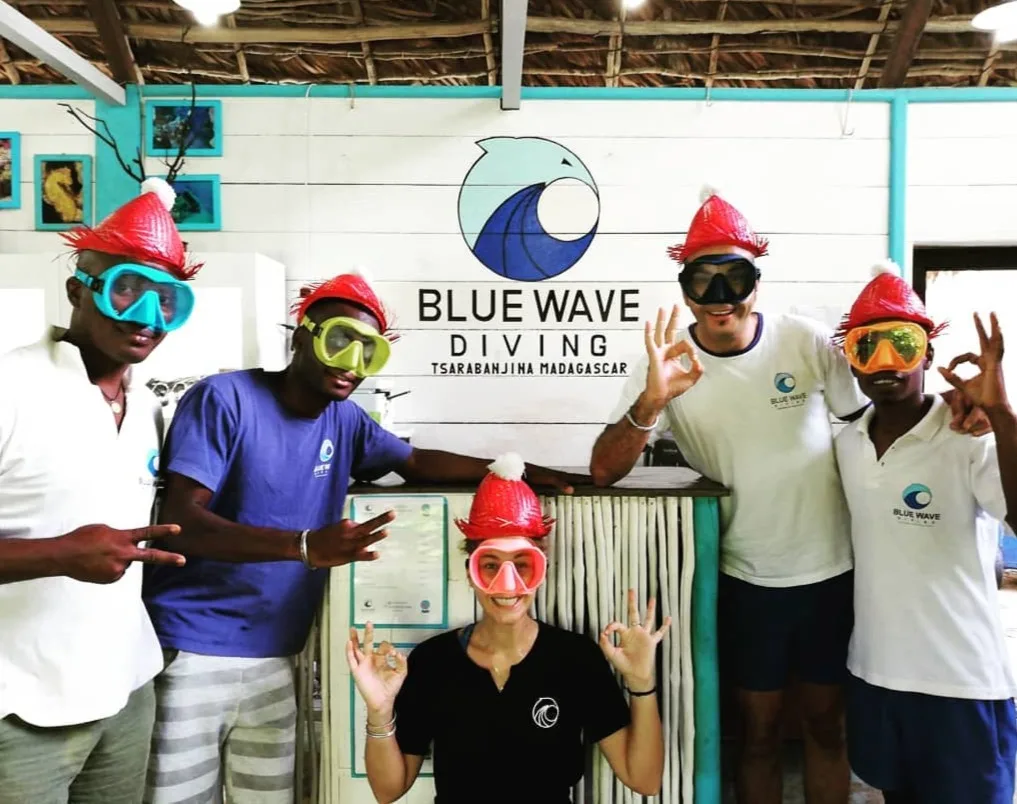
The dive centre
Blue Wave Diving
PADI
Google 5/5 (90 reviews)
Dives: CRAB N/W, NOSY FANIHY, NOSY KIBUT
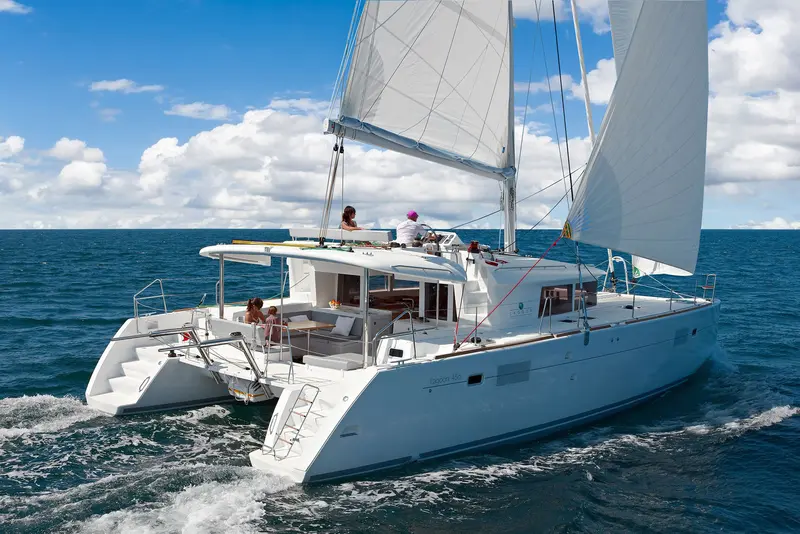
1 liveaboard departs from Nosy Be another way to explore the region, over several days at sea.
Your last day stays dry: no diving in the 18-24 hours before a flight, the perfect window to see the destination from another angle.
 Culture
⏱ 6 h · ★ 4.8 (35 reviews)
from £72$96€86
see on Viator ↗
 Culture
⏱ 9 h · ★ 4.4 (14 reviews)
from £67$90€80
see on Viator ↗
Ratings and reviews collected by Viator and Tripadvisor.
April to October offers a practical balance of lower rainfall and calmer, clearer conditions, with fewer weather-related interruptions for outer-reef trips. March and November can still work. October to December is the period associated with regular whale-shark encounters, although later conditions may be less settled.
Nosy Be suits all levels, with shallow profiles and mild conditions at sites including Nosy Tanikely Marine Park, Nosy Fanihy and Nosy Kibut. Open Water divers can enjoy much of the reef. Advanced Open Water experience helps at deeper, exposed sites, while drift comfort is important for Primo Fratello.
You can explore coral gardens, sandy plateaux, gorgonian walls, pinnacles, fissures, canyons and wreck structure. Marine life includes fusiliers, groupers, turtles, nudibranchs, ghost pipefish, leaf fish, ribbon eels and seahorses. Manta rays and mobulas are occasional, while whale sharks are associated with the seasonal October to December period.
Plan a five- to seven-day land-based stay with several boat-diving days, combining sheltered reefs with exposed sites when conditions allow. Keep a weather-free day in reserve and ask about alternative sites before departure. Staying near the waterfront or embarkation point simplifies early starts, while a final low-effort day suits travel home.