
Dharavandhoo Divers Maldives
Google 4.8/5 (123 reviews)
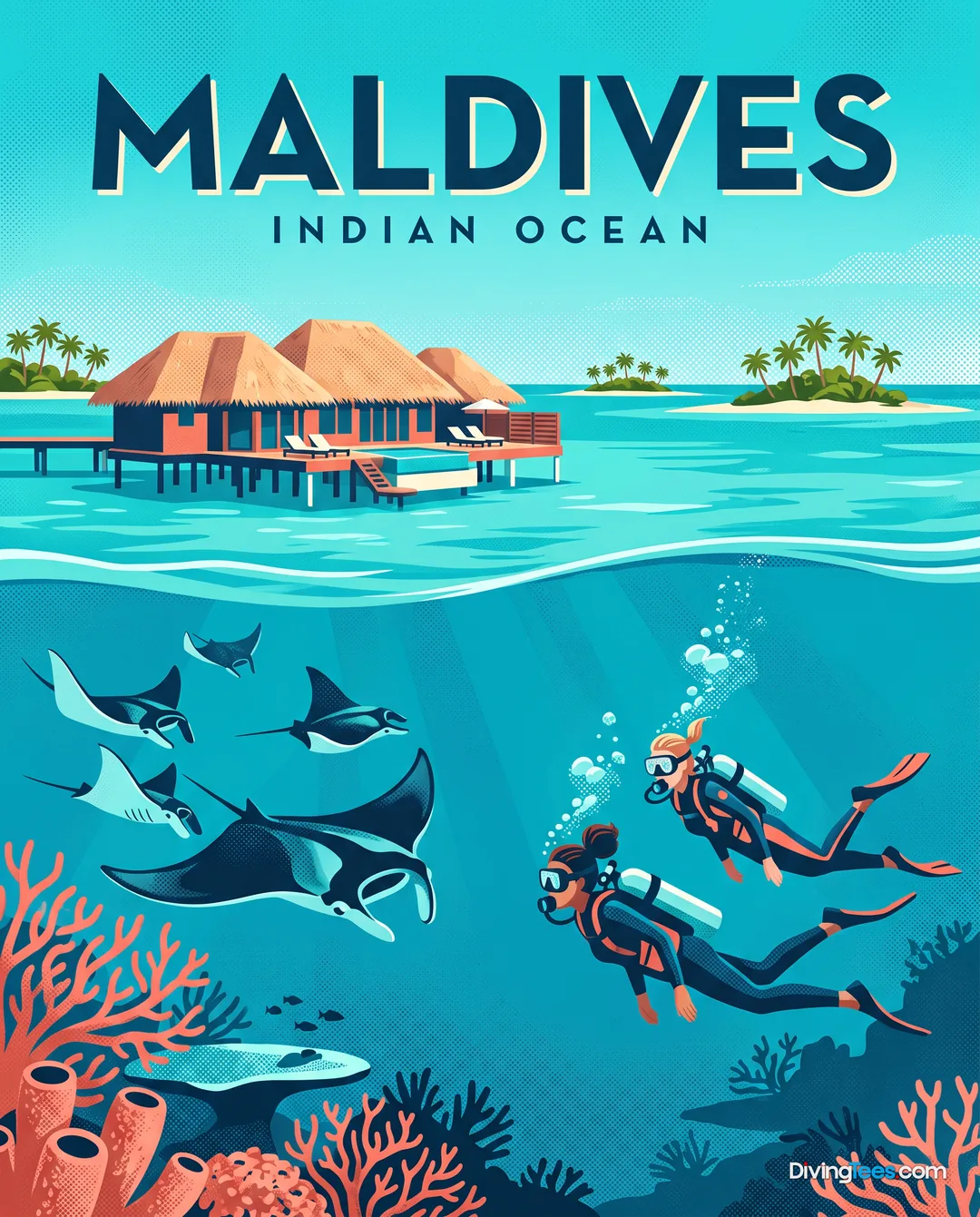
Maldives · Indian Ocean
Thilas, channel walls and cleaning stations meet reef mantas, with guided snorkelling at Hanifaru Bay from the inhabited island of Dharavandhoo.
For subtitles in English: start the video firstthen click the gearat the top right of the video, select “Subtitles/CC”, then “Auto-translate” and choose “English”.
Dharavandhoo puts the thilas, channels, drop-offs and cleaning stations of Baa Atoll within reach of an inhabited island rather than a sealed resort. The main attraction has two distinct parts. Boat dives explore the surrounding reefs, where currents can turn a straightforward descent into a proper drift dive. Hanifaru Bay offers the famous manta gatherings, but only from the surface, under a managed snorkelling system. That combination suits divers who want real Maldivian reef diving and a chance to spend time with mantas without pretending the bay is a bottle-diving site.
Most diving is by boat, over Baa Atoll's thilas, channel edges, drop-offs and cleaning stations. The shape of a dive depends on the site and the tide: current is variable, and a calm descent may develop into a drift dive along a wall or across a channel. A Drift qualification is useful, though the local profile is not reserved for specialists. Visibility is not a fixed selling point here. Plankton that brings mantas into Hanifaru Bay can also make the water less clear, particularly during the productive south-west monsoon. Hanifaru itself is different from the surrounding dive sites. It is a regulated snorkelling excursion, with a guide, a controlled time in the water and no scuba equipment. Keep the bottle dives for the nearby thilas and reserve the bay for watching animals feed from above.
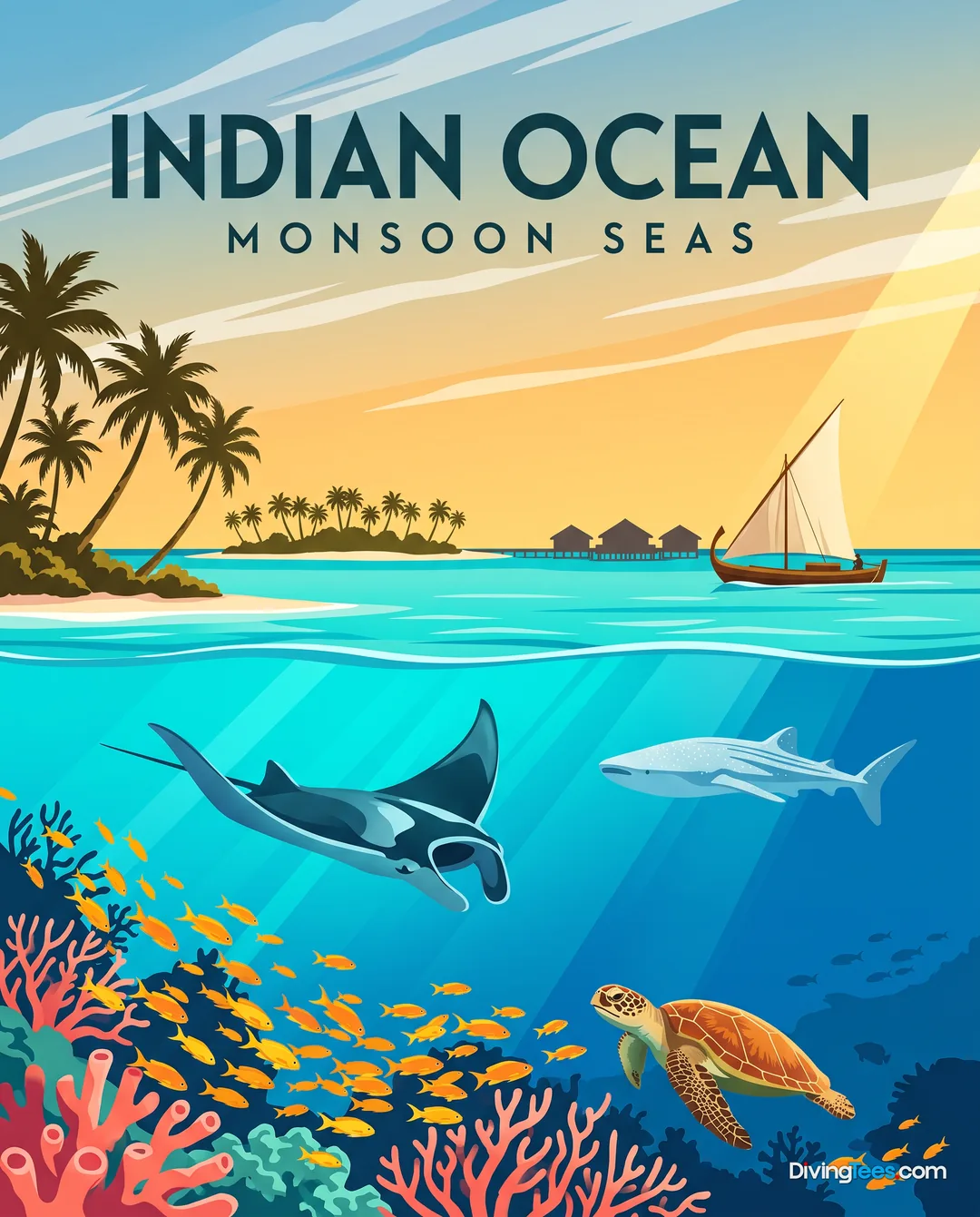
Reef manta rays are the seasonal headline, gathering in the wider Hanifaru Bay region when plankton is concentrated by the south-west monsoon. From May to November they may be seen in the area, with encounters generally strongest from July to October. The surrounding cleaning stations and nearby reefs also give boat dives a chance of manta sightings, while the bay concentrates the spectacle in a protected snorkelling setting. Whale sharks can appear in the region during the same plankton-rich period, although their presence is less predictable than that of the mantas. Hanifaru is about watching feeding behaviour, not approaching an animal for a close photograph. Leave the manta or whale shark a clear line, stay with the guide and accept that natural encounters vary from one tide to the next.
July to October is the most useful window for combining Dharavandhoo's boat diving with Hanifaru Bay's manta season. The south-west monsoon, from May to November, brings plankton into the region and makes manta gatherings more likely, with the strongest activity usually reported in the middle of that period. The same plankton can reduce visibility in the bay, so this is not a simple clear-water season. Whale sharks are possible too, but never the reason to regard a particular outing as guaranteed. A stay of seven to ten days gives several tides and weather windows, rather than placing the whole trip on one snorkelling attempt.
Dharavandhoo works for all levels, including divers building experience, because the surrounding reefs offer different conditions and local guides can assess the current on each outing. The variable flow through channels and around thilas means comfort in open water matters more than a certificate alone. A Drift qualification is useful, and BSAC, PADI and SSI divers should be prepared to follow a site-specific plan. Beginners should treat the current as a condition to assess on the day, not as a permanent feature of every dive.
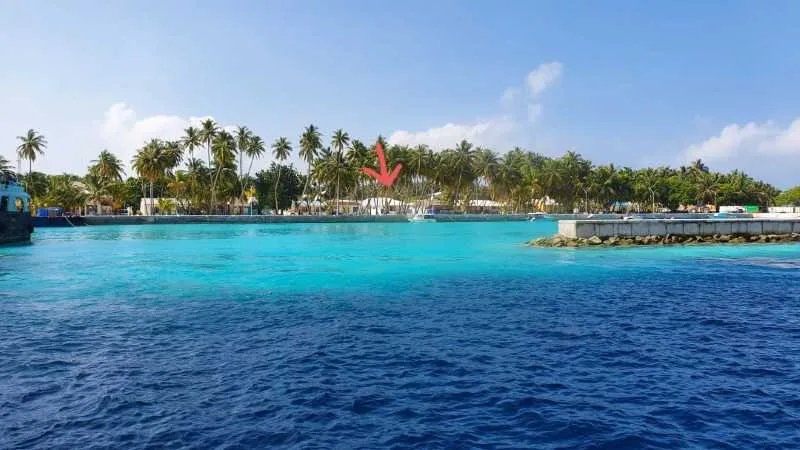
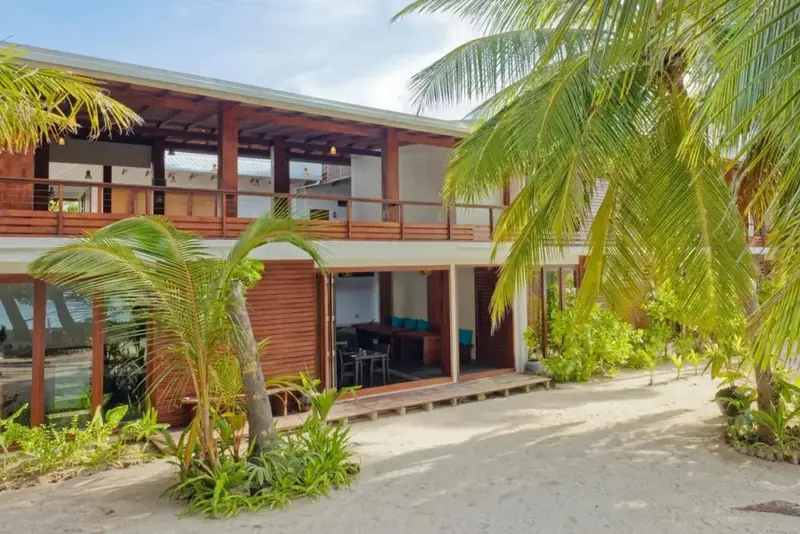
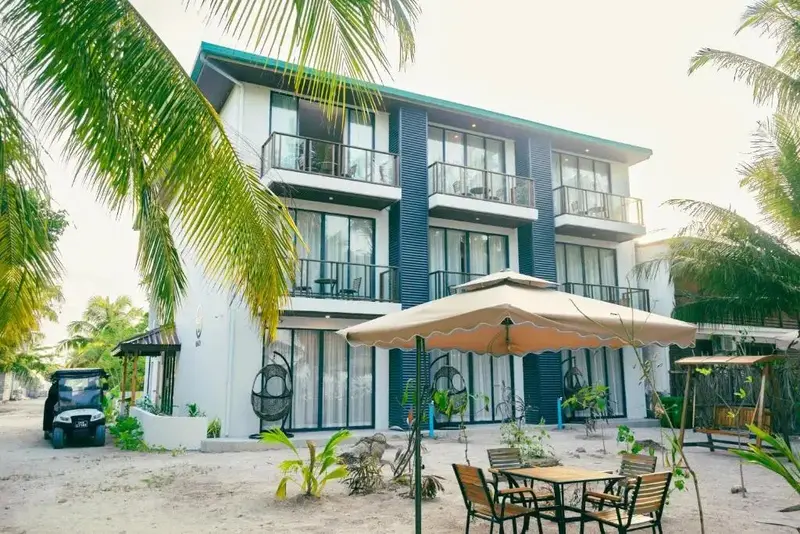
From London Heathrow or Gatwick, or from Manchester, the journey runs through Malé before the domestic connection to Dharavandhoo. The domestic flight takes about twenty minutes and lands on the island itself, so there is no compulsory ferry or road transfer to the diving base. Allow sensible connection time between the international arrival and the domestic departure, and check the timetable against the booking rather than assuming the two legs will align. Once on Dharavandhoo, the island is compact. Walking may cover the journey between accommodation and the local dive operation, with a local transfer available where the particular lodging makes that more practical. Inter-island boats exist, but they are not the structural link for reaching Dharavandhoo.
Do not book Hanifaru Bay as a dive. The bay requires a permit, an authorised guide and a controlled visiting slot, and scuba is prohibited. Arrange the snorkelling ahead during July to October, carry a well-fitting mask, snorkel and fins, and keep the outing flexible around tides, plankton and the day's conditions. Plan several possible attempts rather than building the holiday around one manta trip. Ask which nearby boat dives offer manta viewing and which are the separate Hanifaru snorkelling excursions. Never arrive at the bay expecting to enter independently, and do not touch, chase, block or ride a manta or whale shark. Feeding is prohibited, as is anchoring. Stay with the guide and observe the required distance. Keep a day free before the return flight, both for normal flying discipline and to leave room for a cancelled or unproductive outing.
Dharavandhoo is best treated as a seven- to ten-day land-based stay. Days can alternate between boat dives on Baa Atoll, guided snorkelling at Hanifaru Bay and time on the inhabited island or its house reef. Several days in the manta season make more sense than a single tightly timed excursion, because animal activity follows plankton and tides. Non-divers can join the bay trip, snorkel locally or explore neighbouring islands, so the stay need not revolve entirely around scuba.
Hello, I'm Marina, DivingDeal.com's AI assistant. I guide you through destinations, areas and countries.
Thinking about the whole trip and the flights? Talk it over with Edith →
Marina is an AI. Some links are affiliate links: DivingDeal may earn a commission, at no extra cost to you. Bookings are made with the partner.
Visit Dharavandhoo from May to November for the south-west monsoon plankton that draws reef mantas into the Hanifaru Bay region. July to October is the most useful period for combining boat diving with guided bay snorkelling. Plankton can reduce visibility, while whale shark sightings remain possible but unpredictable.
Dharavandhoo suits divers of all levels, including those building experience, because guides assess conditions for each outing. Currents around thilas and channels can change, so comfort in open water matters. A Drift qualification is useful, but the area is not reserved for specialists. Beginners should assess current conditions on the day.
Around Dharavandhoo, boat dives explore Baa Atoll thilas, channel edges, steep drop-offs and cleaning stations, with reef mantas possible at nearby reefs. Hanifaru Bay offers guided, regulated snorkelling with feeding reef mantas from the surface. Whale sharks may also visit during the plankton-rich season, though encounters vary.
Plan a seven- to ten-day land-based stay, allowing time for boat dives, guided Hanifaru Bay snorkelling and changing tides or weather. Fly through Malé, then take the domestic flight to Dharavandhoo. Arrange the permitted bay excursion ahead, keep alternative attempts available, and leave a day before your return flight.