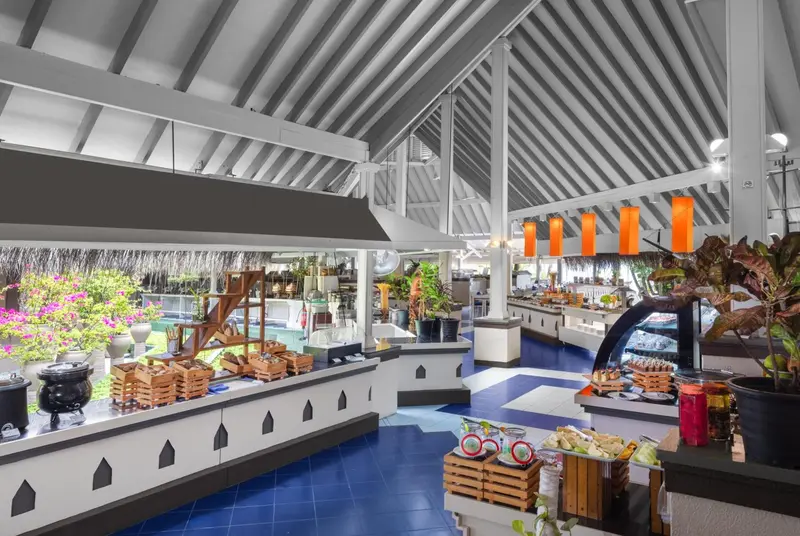
 Dive centre in the hotel
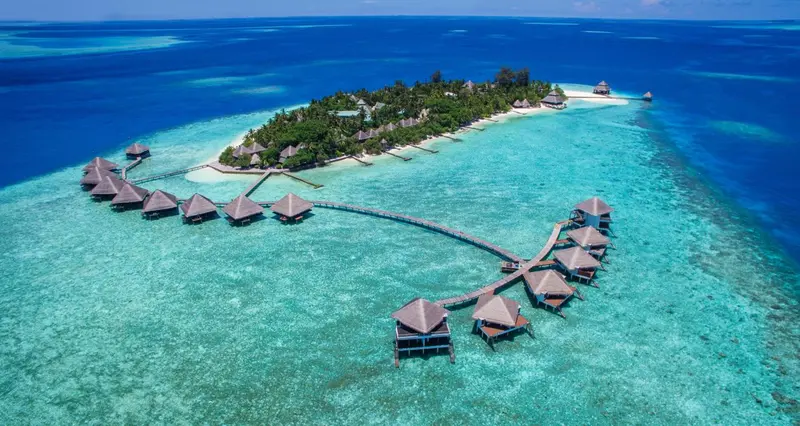
Adaaran Club Rannalhi
★★★★
Google 4.7/5 (4,911 reviews)
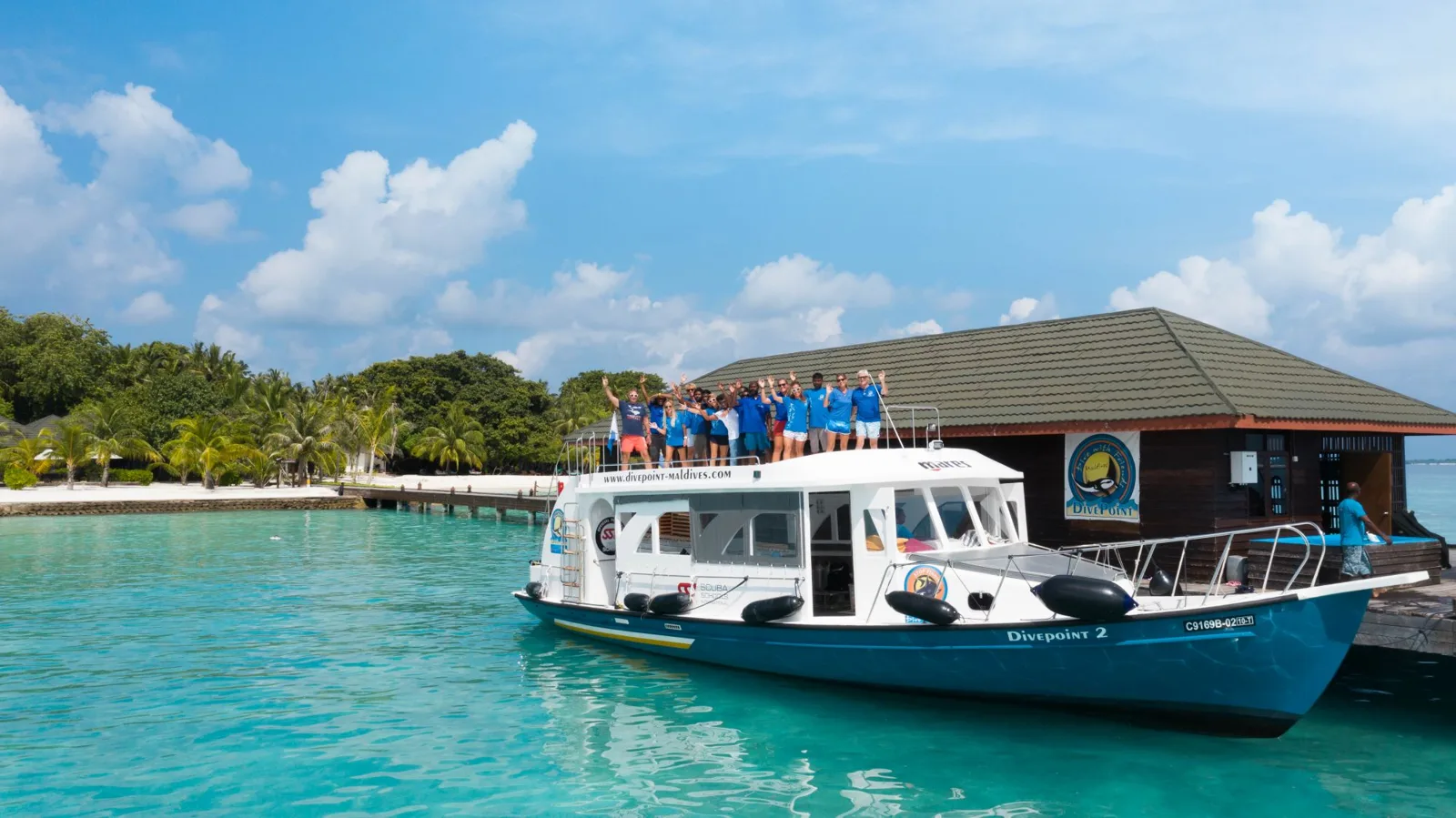
The dive centre
plongee avec divepoint rannalhi
SSI
Google 5/5 (45 reviews)
Dives: House Reef, Thilas, Canaux autour de Rannalhi
Maldives · Indian Ocean
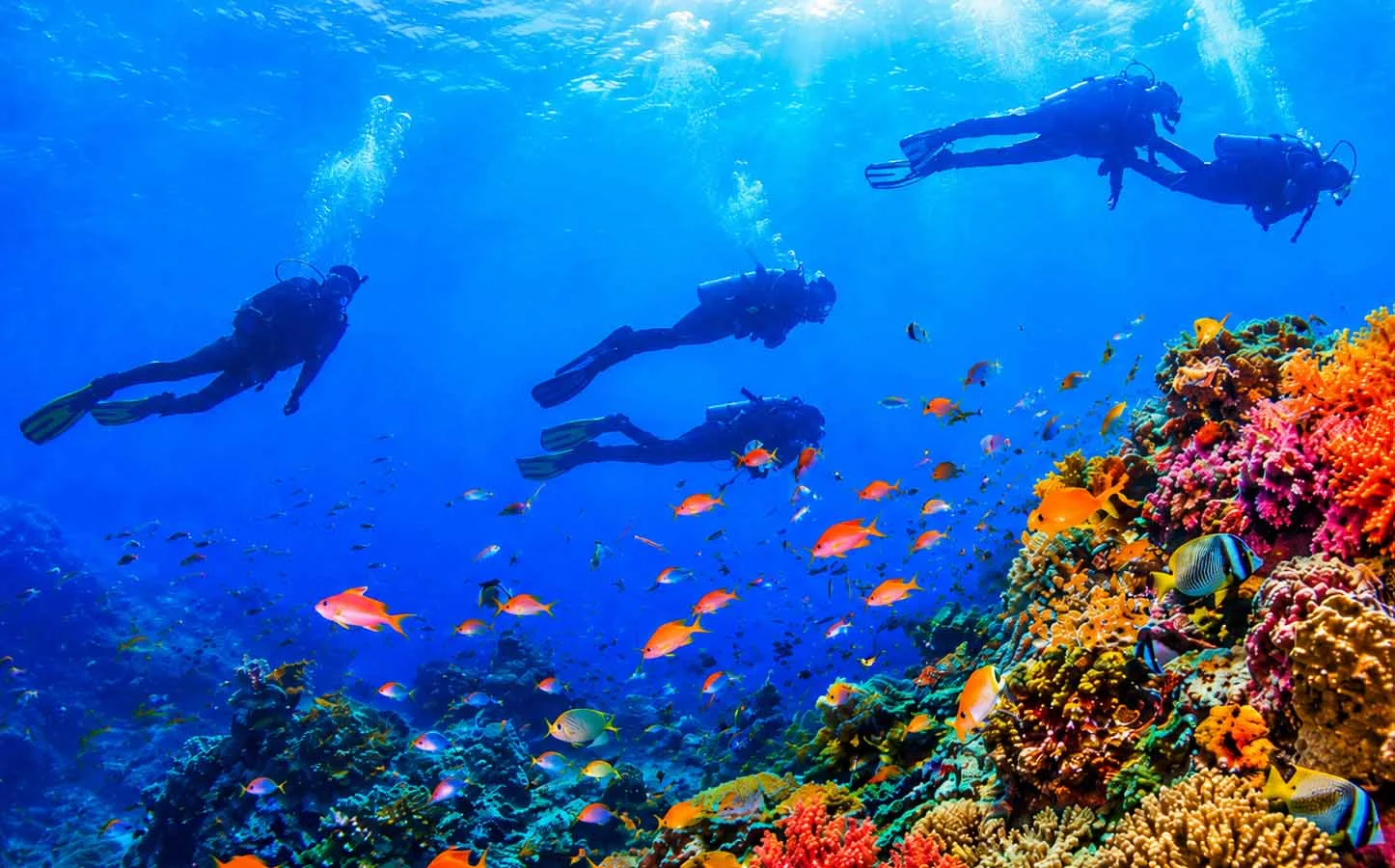
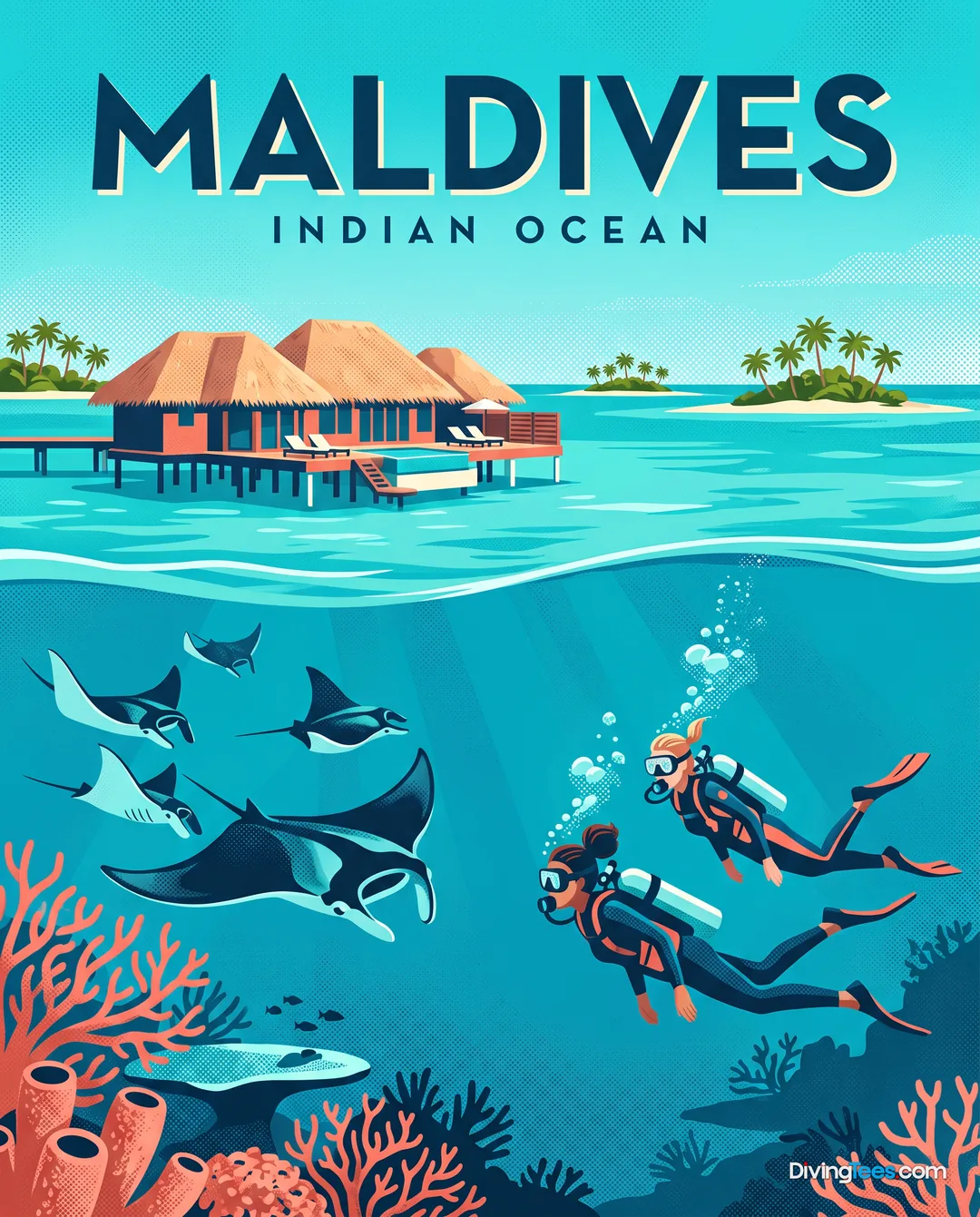
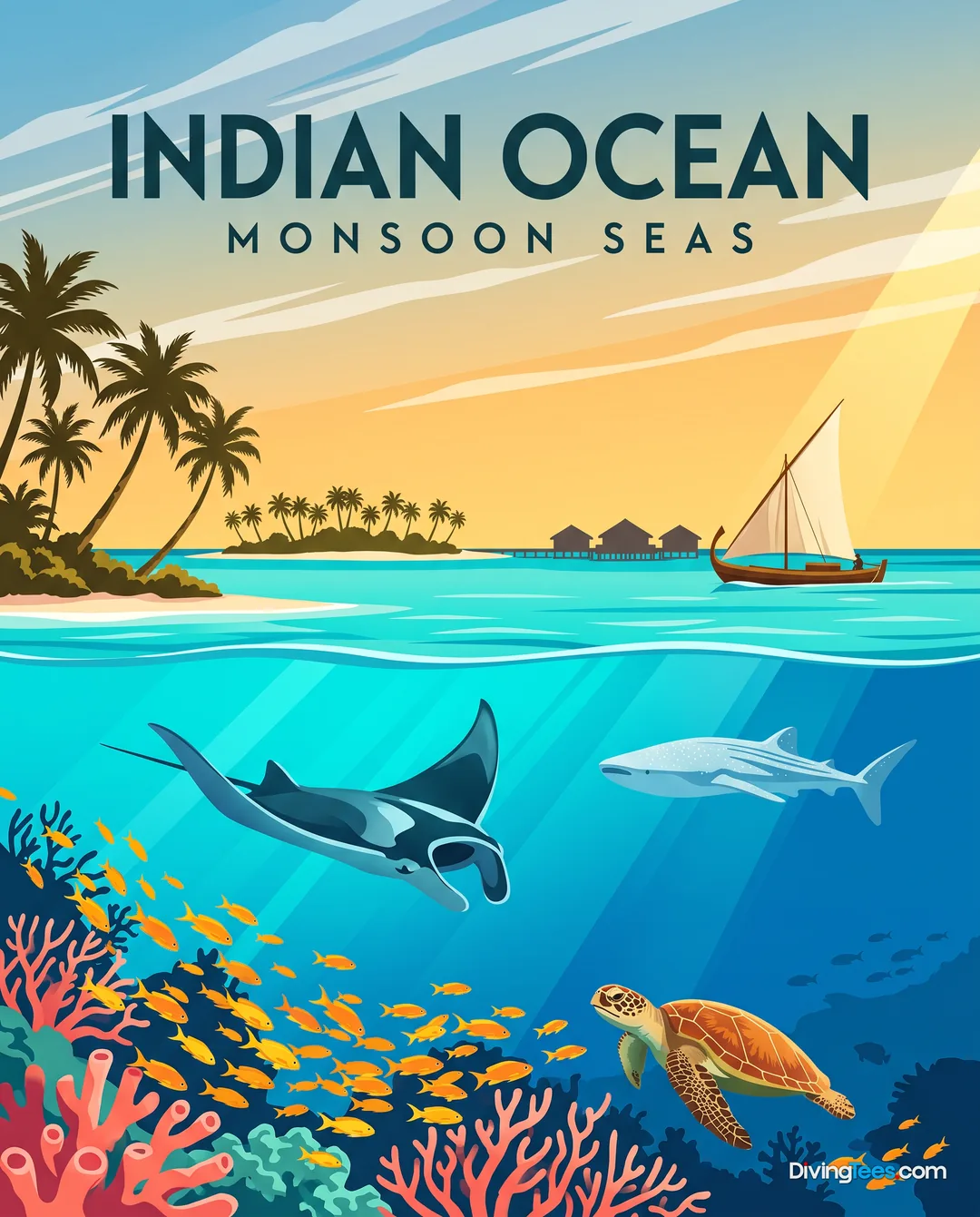
Current-swept kandus, grey reef sharks, eagle rays and drifting schools of reef fish define South Malé Atoll, reached by boat from Malé.
For subtitles in English: start the video firstthen click the gearat the top right of the video, select “Subtitles/CC”, then “Auto-translate” and choose “English”.
Guraidhoo Kandu brings the defining South Malé experience into focus: a tidal channel where the current carries divers past reef structure and pelagic traffic. Around it, thilas, drop-offs, wrecks, caves and quieter inner reefs give the area more range than a simple pass-diving itinerary. You can base yourself on a local island or at a resort and reach the sites by day boat, without committing to a liveaboard. The attraction is straightforward: serious drift diving, close access from Malé and enough sheltered water to make the trip workable for mixed-experience groups.
Most dives revolve around kandus, the channels cut through the atoll, and thilas rising from deeper water. Current is the engine of the place. It may be manageable along a reef edge, then become a fast downcurrent around a corner or at the mouth of a pass. That movement brings grey reef sharks, rays and dense schools of fish, but it also dictates the entry, route and exit. Kandooma Thila and the Guraidhoo channels are names to discuss with the boat crew in relation to the tide, not fixed items on a timetable. Other outings cover walls, wrecks, caves and inner reefs with more shelter. Visibility is commonly around 15 to 30 metres, though plankton, sea conditions, current and the side of the atoll can reduce it. Expect boat-based drift dives rather than long, leisurely swims from shore.
Grey reef sharks are the dependable headline attraction, particularly where tidal water runs through the channels. Eagle rays and large schools of reef fish are also regular encounters, often best appreciated when the current holds the group along a reef shoulder or thila. The southwest monsoon, from May to November, brings more plankton into the water. Visibility can suffer, but that food supply may bring reef manta rays and other pelagics within reach of a careful group. From December to April, clearer water makes it easier to read the reef, judge the current and watch a school approach from distance. Nothing here makes wildlife automatic, however. The tide, the site selected and the position of the boat matter more than a promise attached to a calendar.
December to April is the sensible choice for clearer water, lighter winds and generally calmer sea conditions. Visibility is often at its most useful then, especially when reading a pass before committing to a drift. May to November is the rainy season and the southwest monsoon makes surface conditions less predictable, but it also loads the water with plankton. That can reduce visibility while improving the chance of reef manta rays and other pelagics. There is no month that has to be ruled out. Choose the dry season for easier logistics and reef definition, or accept more unsettled conditions when manta sightings matter more than clear water.
South Malé can suit beginners, provided the centre uses sheltered inner reefs and keeps the current within their experience. The main passes and exposed thilas are a different proposition. An Advanced Open Water qualification is useful for deeper dives and pass work, while a Drift speciality gives a diver the right background for being carried through a channel. Comfortable buoyancy, controlled descents and a calm response to changing current matter more than a particular agency, whether the training is BSAC, PADI or SSI.
From London Heathrow, London Gatwick or Manchester, allow roughly 12 to 18 hours for flights and connections before the maritime transfer. The destination is reached through Velana International Airport, then by speedboat towards the southern local islands and resorts. Gulhi is about 25 minutes by speedboat, while public ferries from Malé serve Gulhi, Maafushi and Guraidhoo on limited timetables. Those ferries do not provide a flexible daily link on every route, so a missed sailing can mean a long wait or a private boat. Once on a local island, accommodation and dive operations are often within walking distance. Resorts use their own island logistics, followed by the dive boat to the sites.
Treat every pass dive as tide-dependent. Ask what the current is expected to do at the planned entry and exit, rather than accepting a site name on its own. Kandooma Thila and the Guraidhoo channels can be excellent in the right flow and unpleasant in the wrong one. If you are new to drift diving, use an inner reef or sheltered site first. A personal surface marker buoy and a computer suited to drift diving are worthwhile here, because a group can travel quickly away from the boat. Book the most popular sites on an early departure when possible, before several boats converge on the same thila. Leave slack in the day for a rough transfer or a changed tide, and do not build the whole week around one pass. Public ferries are useful only when their actual sailing day fits your plan. After a choppy crossing, allow yourself time before an important dive, and keep a proper interval after the final repetitive or deep pass dives before flying.
A seven to ten-day stay gives the weather and tide some room to work, while allowing dives around Guraidhoo, Maafushi, Gulhi and the outer thilas. Local islands keep the practical side simple: rooms, restaurants and dive boats are generally close together, and much of the island can be covered on foot. Resorts organise transport internally. Non-divers have beaches, lagoons, sandbanks, snorkelling and local-island visits to fill the surface hours. A liveaboard may include South Malé within a wider central-atoll route, but it is not needed for this area.
Hello, I'm Marina, DivingDeal.com's AI assistant. I guide you through destinations, areas and countries.
Thinking about the whole trip and the flights? Talk it over with Edith →
Marina is an AI. Some links are affiliate links: DivingDeal may earn a commission, at no extra cost to you. Bookings are made with the partner.
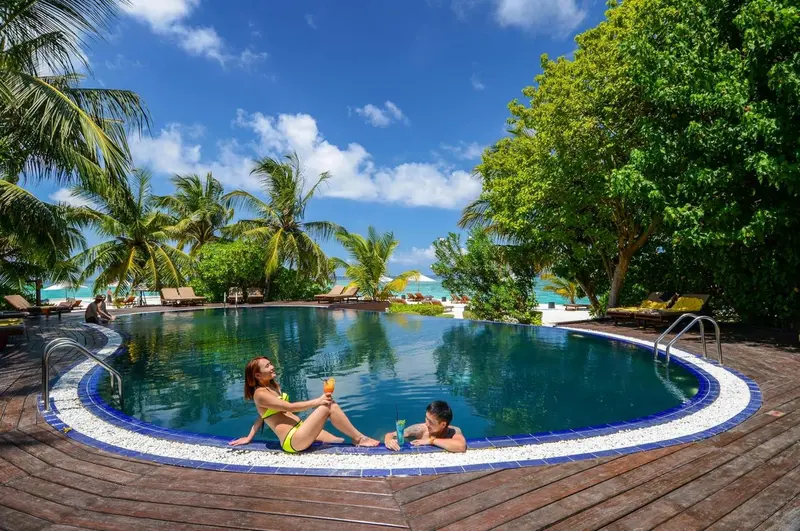
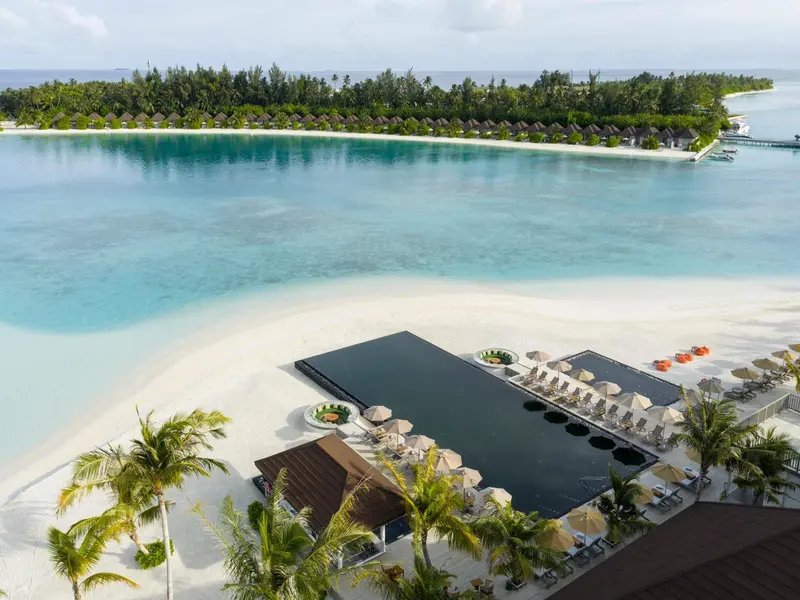
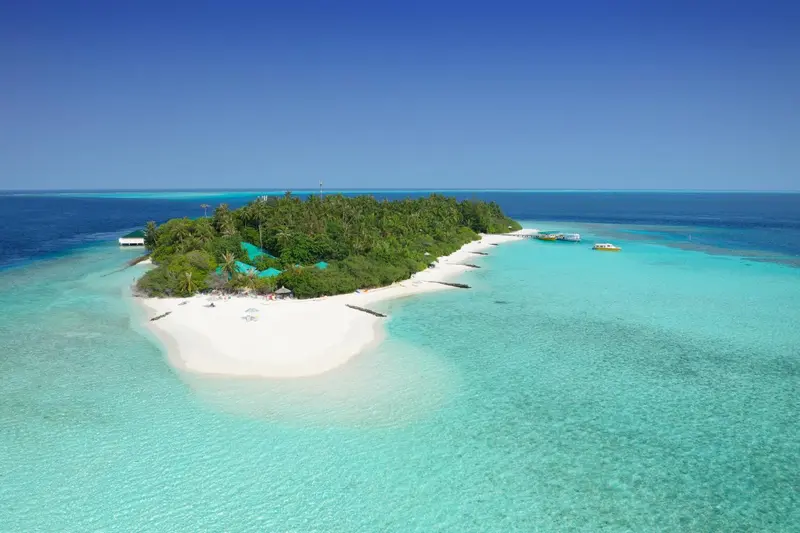
In each one, the dive centre is inside the hotel: step out of your room and go diving.
Dive centre in the hotel★★★★
Google 4.7/5 (4,911 reviews)
The dive centre
plongee avec divepoint rannalhi
SSI
Google 5/5 (45 reviews)
Dives: House Reef, Thilas, Canaux autour de Rannalhi
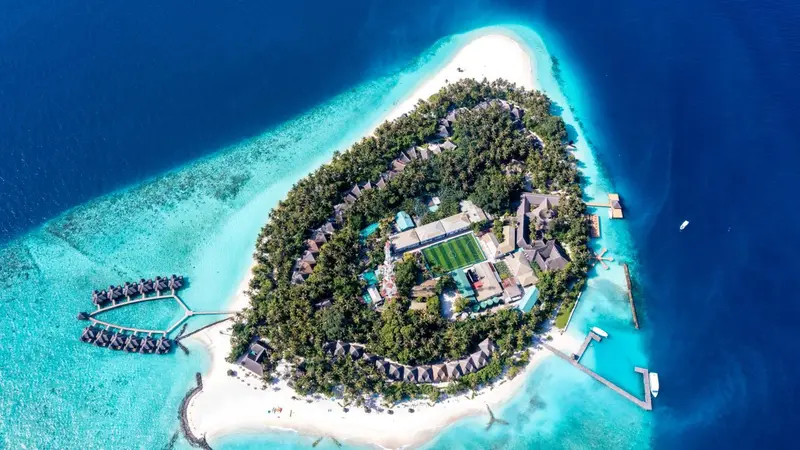 Dive centre in the hotel
★★★★
Google 4.5/5 (615 reviews)
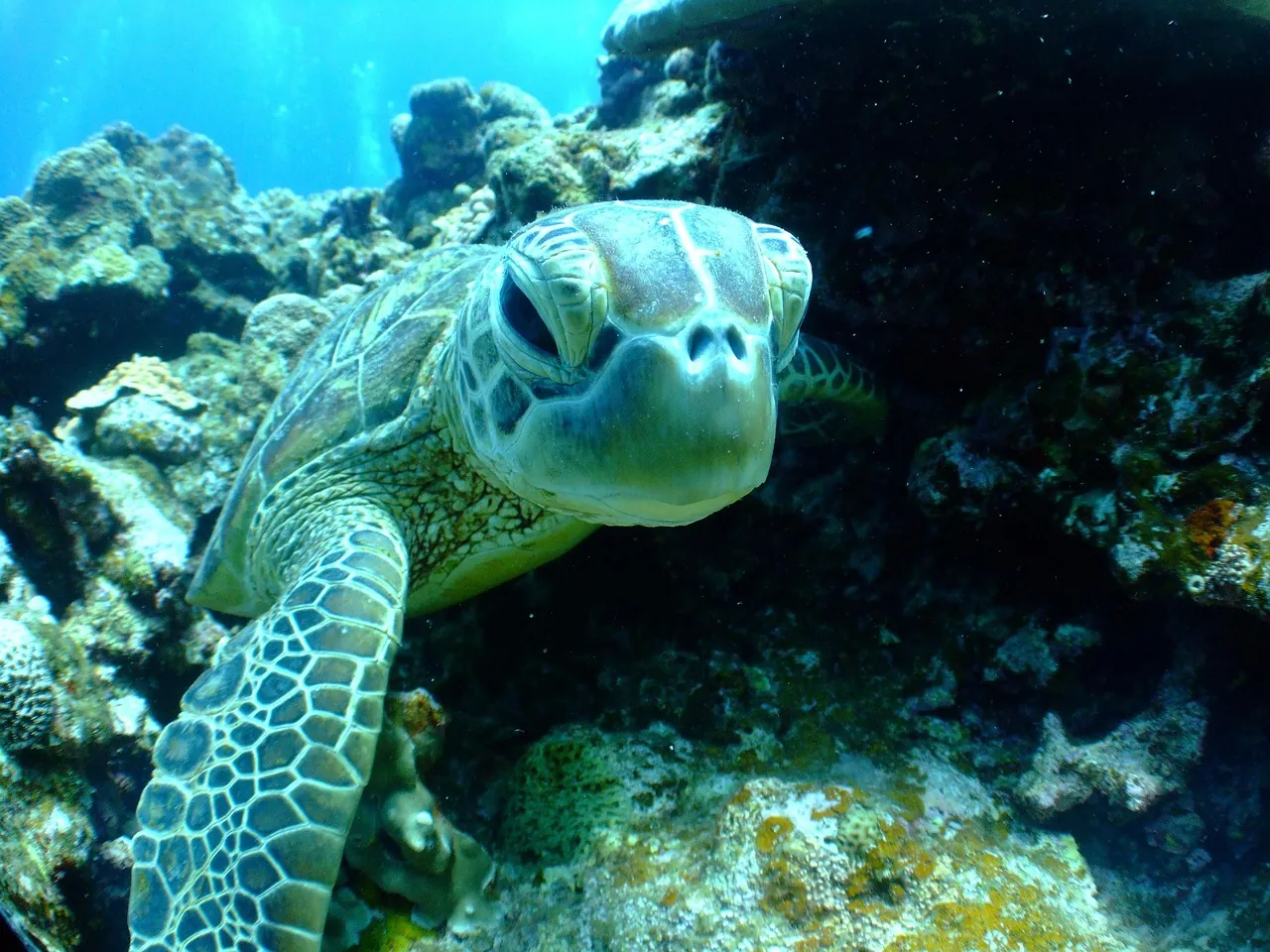
The dive centre
Fiha Dive Center
PADI
Google 4.5/5 (628 reviews)
 Dive centre in the hotel
★★★★
Google 4.3/5 (2,276 reviews)
The dive centre
Arena Dive Club
PADI
Google 5/5 (773 reviews)
Visit South Malé Atoll from December to April for clearer water, lighter winds and generally calmer seas, with visibility often more useful for judging passes and reading reefs. From May to November, the southwest monsoon can bring unsettled conditions and reduced visibility, but plankton may attract reef manta rays and other pelagics.
South Malé Atoll can suit beginners when a dive centre chooses sheltered inner reefs and keeps the current within your experience. Main passes and exposed thilas require more comfort in moving water. Advanced Open Water training helps with deeper and pass dives, while drift-diving experience, controlled descents and calm buoyancy are valuable.
In South Malé Atoll, tidal channels and thilas bring grey reef sharks, eagle rays and large schools of reef fish. You can also explore walls, wrecks, caves and quieter inner reefs. During the southwest monsoon, plankton may draw reef manta rays and other pelagics, although encounters depend on tide, site and boat position.
Plan South Malé Atoll around boat-based drift dives, tides and flexible weather days rather than a fixed pass itinerary. You can stay on a local island or at a resort and reach sites by day boat from Malé. Local islands offer walkable accommodation, restaurants and dive operations, while resorts arrange their own island logistics.