
Thoddoo Diving Center, PDH Maldives
Google 4.9/5 (277 reviews)
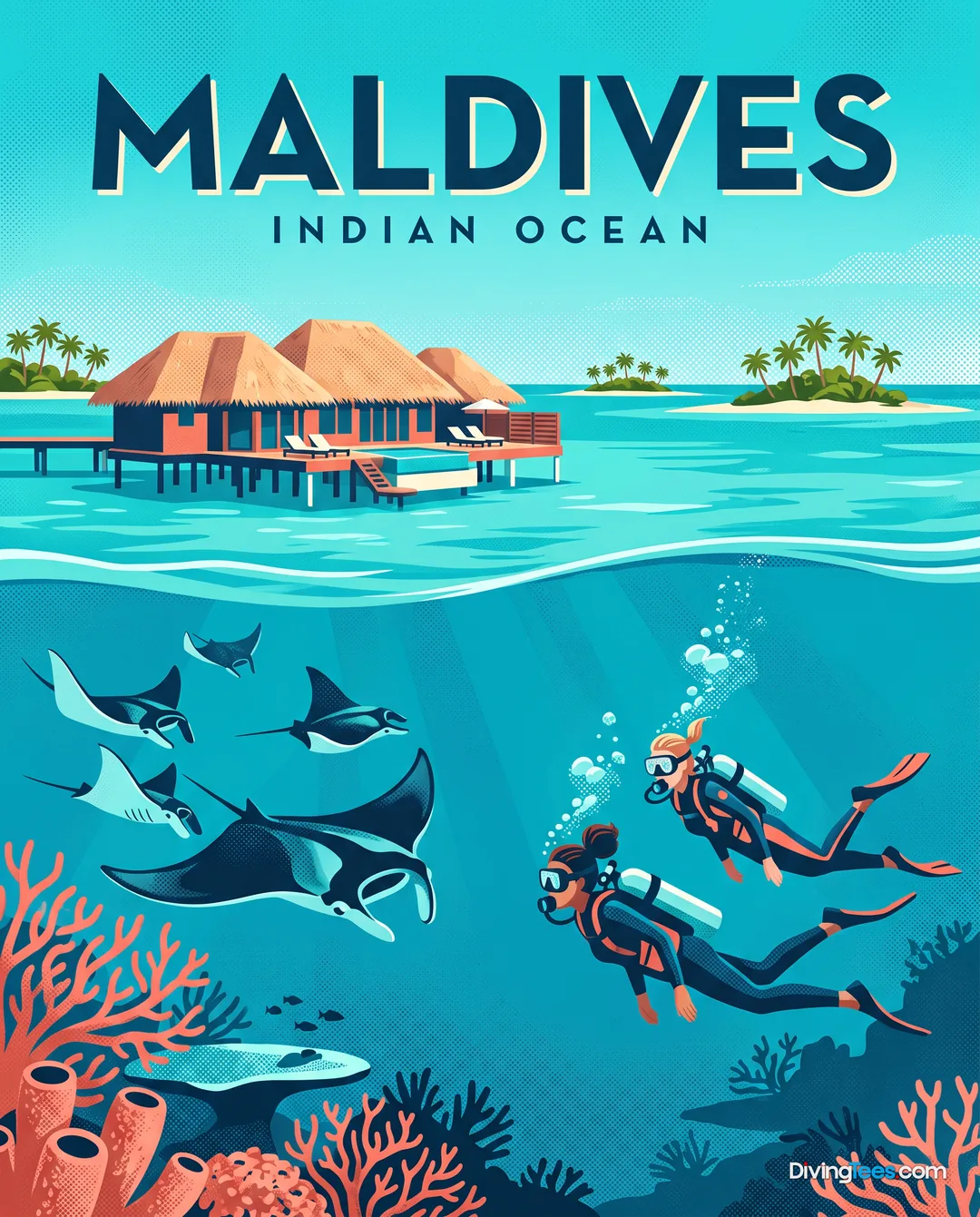
Maldives · Indian Ocean
Reef sharks patrol the house reef, turtles graze beside thilas, and boat trips reach the current-swept kandus around Rasdhoo and Ukulhas.
For subtitles in English: start the video firstthen click the gearat the top right of the video, select “Subtitles/CC”, then “Auto-translate” and choose “English”.
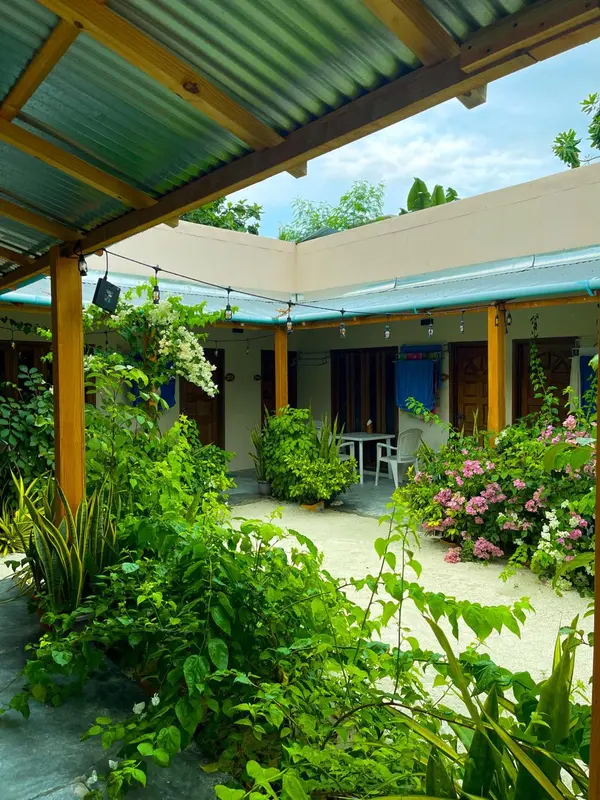
Thoddoo is a local island base for divers who want a guesthouse stay rather than a liveaboard or large resort. There is a house reef for simpler days, while boats head towards thilas, drop-offs and kandus around Rasdhoo, Ukulhas and the northern Ari Atoll. That makes the island useful for a week or more: you can combine reef dives, current work and shore time, with beaches, agriculture and snorkelling available to non-diving companions.
The diving moves between Thoddoo’s house reef and boat sites where thilas, steep drop-offs and kandus put the current at the centre of the dive. Conditions are variable. The house reef can provide a calmer option, while a pass may become a proper drift dive, with a downcurrent risk and a boat pickup after the safety stop. Most outings are arranged as morning boat trips, and longer runs towards Rasdhoo or Ukulhas depend more heavily on sea conditions. During the dry monsoon, visibility is often above 25 metres, giving clear views of schooling fusiliers, trevally and the reef contours. Advanced Open Water training is useful for deeper sites, but the area is not reserved for experienced divers.
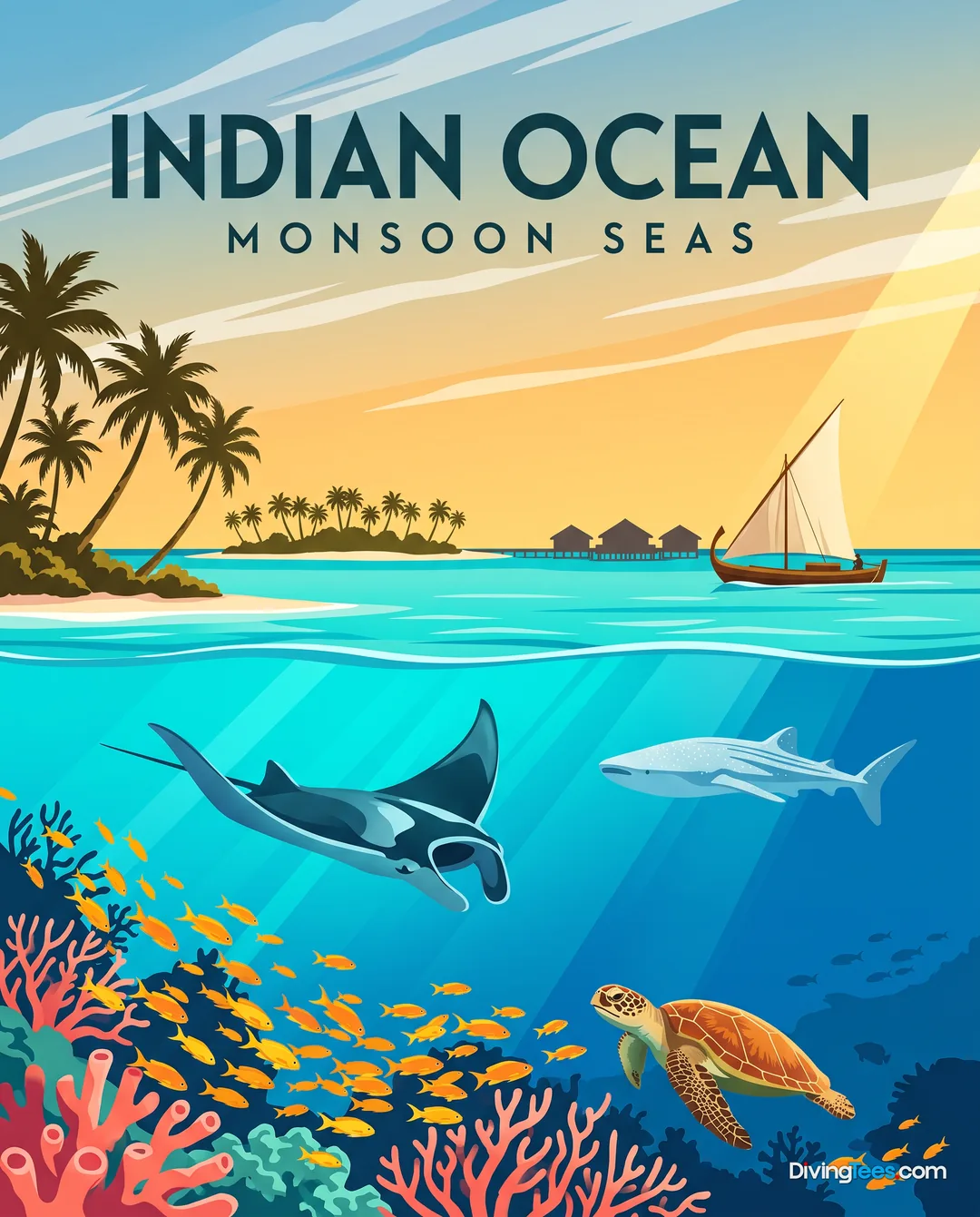
Reef sharks are a regular possibility, with grey reef sharks and whitetip reef sharks reported according to the site and the day. Turtles, rays and the everyday cast of fusiliers, trevally, groupers and moray eels give the house reef and nearby thilas plenty to look at between the larger encounters. Manta rays are more likely during the wet monsoon, when cleaning stations and feeding areas elsewhere in the atoll may become productive, but they remain an occasional sighting rather than a booking guarantee. Hammerhead sharks require a specific trip to deeper sites around Rasdhoo and are rare. Dolphins and other headline encounters should be treated as luck, not itinerary.
December to April is the sensible window for a first visit, because the dry northeast monsoon usually brings more manageable seas and steadier visibility. This is when the water is often clear beyond 25 metres and boat plans are less exposed to wind and swell. May to August falls within the wetter southwest monsoon, when rain, wind and changing sea conditions can restrict the more exposed sites, although diving does not stop altogether. The trade-off is that manta rays may be more likely during this rainy season, so a flexible diver can accept less predictable boat days for a chance at those encounters.
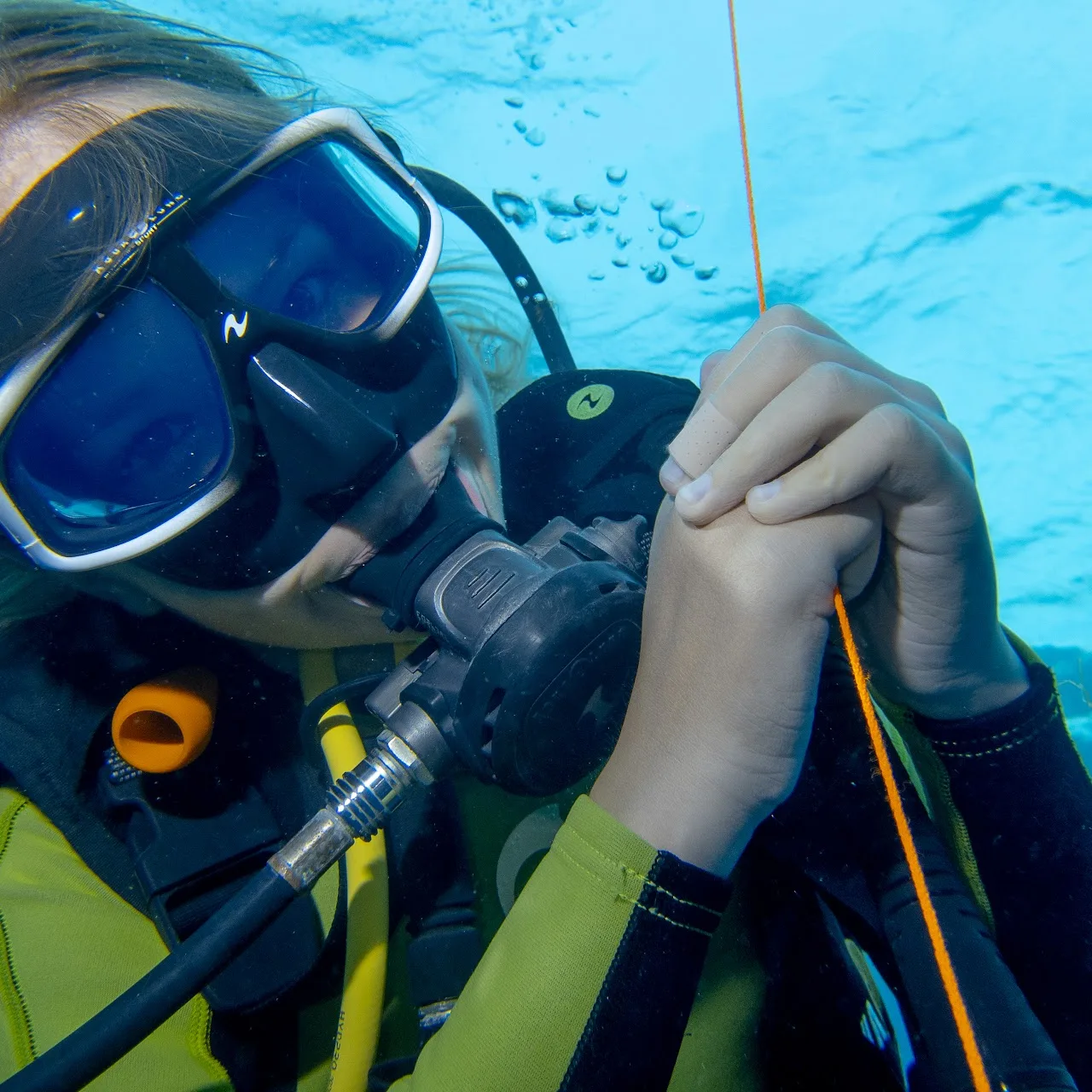
Thoddoo works for beginners on suitable house-reef dives and for divers building experience, provided the day’s current is matched to the group. Passes, deeper thilas and a proper drift dive call for calm decision-making and comfort with an open-water pickup. Advanced Open Water is useful for the deeper work, while a Drift qualification helps with kandus. BSAC, PADI and SSI divers should ask how the planned site will be conducted rather than relying on the island name alone.
From London Heathrow, London Gatwick or Manchester, the journey runs through Malé and then continues by speedboat to Thoddoo, normally taking about 80 to 90 minutes from the international airport. The boat is the structural link to the island, so its timetable must be matched to the flight rather than treated as an afterthought. A slower public ferry route can involve a change at Rasdhoo and takes substantially longer. Reserve the boat before travelling, allow a proper margin after landing, and avoid placing an important flight immediately after the return crossing. On Thoddoo, most guesthouses and dive centres are walkable; a local transfer can be arranged when accommodation lies farther away.
Treat Thoddoo as a base for changing boat plans, not as a promise of one particular pass. Ask whether the day’s site is a drift dive, how strong the current may be, and whether a surface-marker recovery is planned, especially for kandus where conditions can be markedly stronger than on the house reef. Keep a day or two uncommitted for Rasdhoo and Ukulhas, since a long crossing may be dropped or altered when the sea turns. Morning departures usually offer calmer conditions and fewer boats at well-known sites. Check that a distant trip is confirmed for your group before building the holiday around it. Carry your own computer and SMB if you need a particular model or line length. Do not book mantas, hammerheads or dolphins as certainties, and do not confuse the direct speedboat with the slower ferry via Rasdhoo.
A seven to ten-day stay gives room for several boat days, house-reef dives and weather-related changes without making every morning critical. Between dives, Thoddoo is easy to explore by bicycle, with plantations and agricultural areas giving the island a character quite different from a resort. Snorkelling, beaches, sunset walks and occasional dolphin or ray trips fill non-diving time, while the final day can be kept light before flying.
Hello, I'm Marina, DivingDeal.com's AI assistant. I guide you through destinations, areas and countries.
Thinking about the whole trip and the flights? Talk it over with Edith →
Marina is an AI. Some links are affiliate links: DivingDeal may earn a commission, at no extra cost to you. Bookings are made with the partner.
Visit Thoddoo during the dry northeast monsoon, when seas are usually more manageable and visibility is often above twenty-five metres. The wetter southwest monsoon can bring rain, wind and changing conditions that affect exposed sites, but manta rays may be more likely then. A flexible plan suits either season.
Thoddoo suits beginners on appropriate house-reef dives and divers developing their experience, provided the current matches the group. Passes, deeper thilas and drift dives require comfort with current and an open-water pickup. Advanced Open Water training helps for deeper sites, while a Drift qualification is useful for kandus.
Diving around Thoddoo can include grey reef sharks, whitetip reef sharks, turtles, fusiliers, trevally, groupers and moray eels. Manta rays may be more likely during the wet monsoon, while hammerheads require a specific deeper trip around Rasdhoo and remain rare. Dolphins and other notable encounters are occasional.
Use Thoddoo as a guesthouse base, combining house-reef dives with morning boat trips toward thilas, drop-offs and kandus around Rasdhoo and Ukulhas. Reserve the speedboat from Malé before travelling and match it to your flight. Keep days uncommitted for weather changes, and confirm distant trips before relying on them.