
Fulidhoo Dive & Water Sports
Google 4.9/5 (264 reviews)
Maldives · Indian Ocean
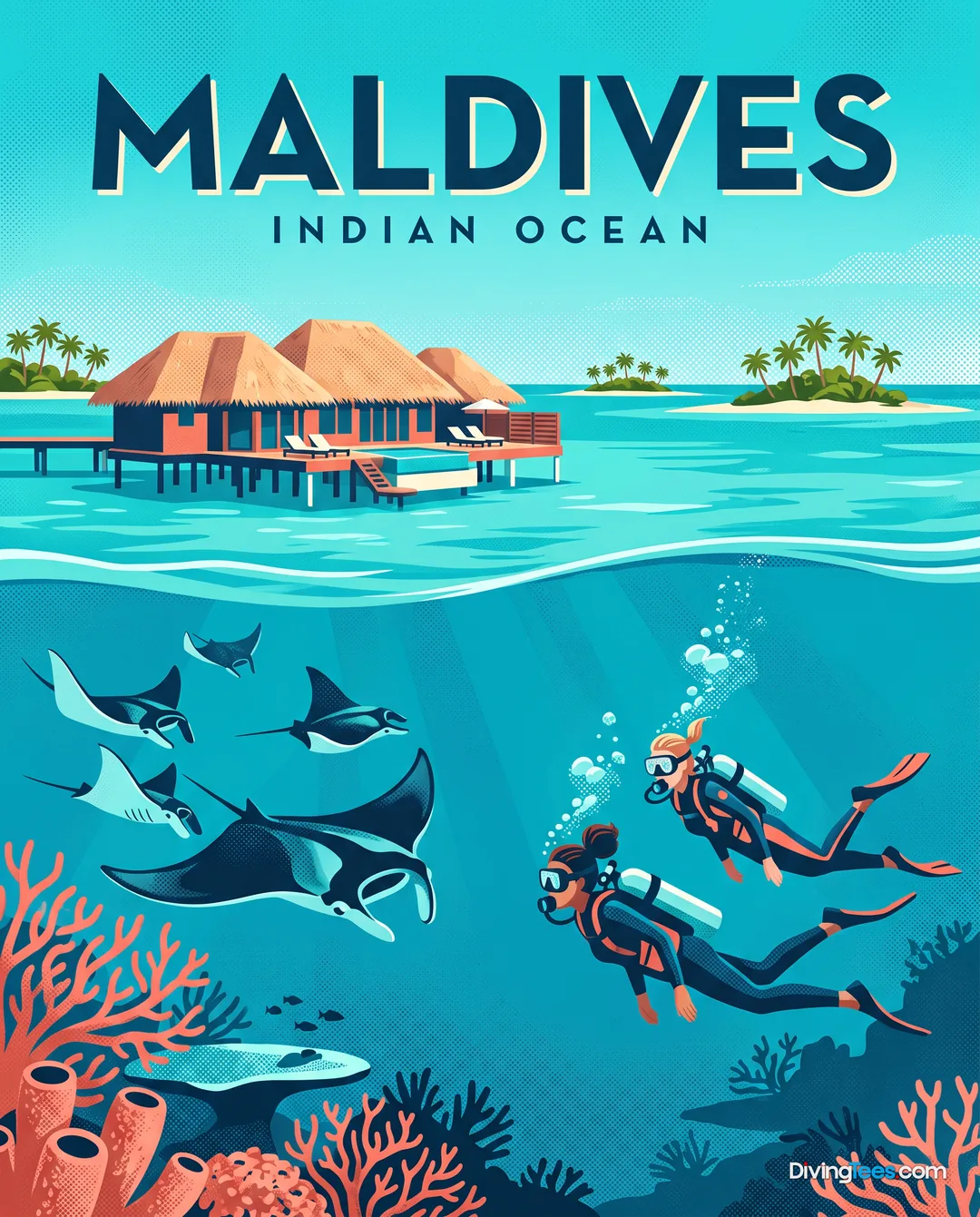
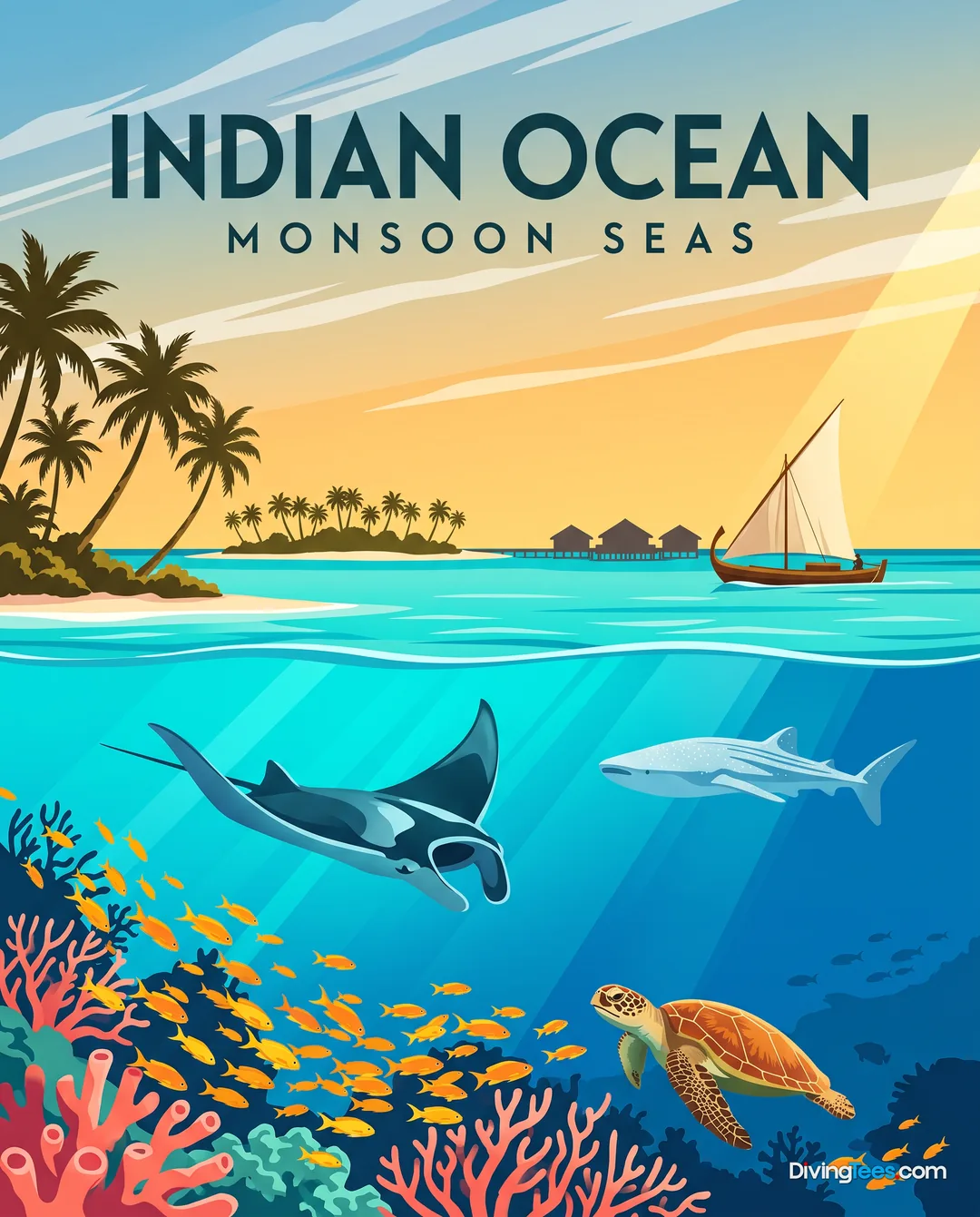
Grey reef sharks in kandus, eagle rays over reef edges, schools of fish in moving water, and manta rays when the south-west monsoon brings plankton.
For subtitles in English: start the video firstthen click the gearat the top right of the video, select “Subtitles/CC”, then “Auto-translate” and choose “English”.
At Fotteyo Kandu and Miyaru Kandu, the reef edge becomes a viewing platform as grey reef sharks, whitetip reef sharks, eagle rays and schools of fish move through the channel. Vaavu suits divers who enjoy letting the current do the travelling, but it is not limited to demanding pass dives. Vattaru Reef offers calmer water for a more measured start. Stay on an inhabited island for local life and selected nearby kandus, or join a liveaboard to range more widely.
Vaavu is shaped by kandus, the channels where tidal water runs between the atoll and the outer reef. A typical dive is a drift dive: enter at the point chosen for that tide, settle on the reef edge, and watch the current carry sharks, rays and fish past you. The flow can be gentle or strong, and may change noticeably inside the pass, so the same site can feel very different from one outing to the next. Fotteyo Kandu and Miyaru Kandu are the names associated with this style of diving. Vattaru Reef provides a more sheltered alternative when conditions or experience call for it. Visibility is commonly 15 to 30 metres from December to April, although plankton, swell, current and sediment moving through the passes can reduce it. Expect boat-based outings, a safety stop in open water and a possible surface drift away from the boat.
Grey reef sharks are the dependable attraction in Vaavu's passes, with whitetip reef sharks also present throughout the year. At the reef edge, eagle rays may cross the blue, while schools of fish hold their shape in the moving water. These are encounters built around position and current rather than a slow search along a sheltered reef. Manta rays are more often reported from May to September, when plankton-rich water associated with the south-west monsoon can bring them into the atoll, although no sighting is guaranteed. The same conditions may also increase activity from larger pelagics. In the clearer months, from December to April, the appeal is the clean view through the kandu, with sharks and fish appearing against the reef structure as the drift carries you onwards.
January to April is the straightforward choice if calm crossings and clearer water matter most. The north-east monsoon normally brings lighter winds and a quieter sea, while visibility is generally at its strongest. From May to November, the south-west monsoon brings more wind and swell, and conditions become less predictable. That is also when plankton can increase, improving the chances of manta rays and other pelagics. There is no universal month to avoid, only a choice between easier travel and more variable diving with greater potential for plankton-feeding visitors. A light 3 mm full suit is usually suitable, with extra protection sensible for long series of dives or anyone who feels the cold.
Vaavu works for all levels, provided the dive is matched to the diver. Beginners should start on a sheltered reef such as Vattaru Reef rather than entering a strong kandu immediately. Advanced Open Water is useful for deeper pass diving, and a Drift Diver speciality helps with positioning, entries and current management. BSAC, PADI and SSI divers should be comfortable deploying a delayed surface marker buoy and managing a drift dive before tackling Fotteyo Kandu or Miyaru Kandu in stronger conditions.
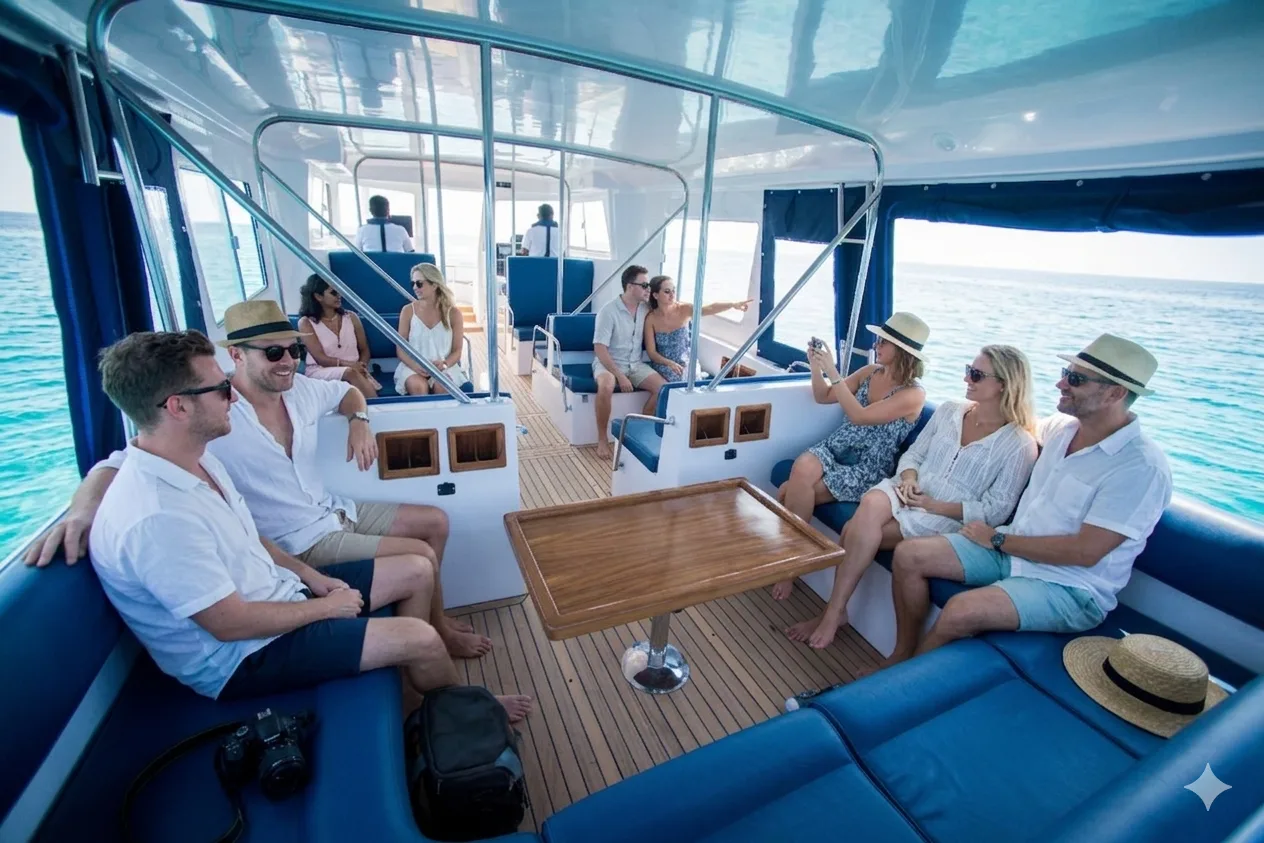
From London Heathrow, London Gatwick or Manchester, fly to Malé and continue by sea. The usual onward connection is a speedboat to an inhabited island in Vaavu, normally taking about one to two hours depending on the island and sea conditions. A public ferry is available on some routes, but it is slower and runs to a limited timetable rather than meeting every flight. Do not assume that a late arrival will connect neatly with either service. Allow for a private transfer or an overnight stay near Malé if necessary. Once on an inhabited island, accommodation and the dive centre are generally within walking distance, with a short local transfer to the harbour when required. Resort boats normally leave directly from the resort jetty.
Treat every kandu as a current dive, even when the previous day was easy. Ask which tide is being used and whether the plan is the pass edge, a thila or sheltered water, because “Vaavu” covers very different dives. For a first outing, build up on Vattaru Reef before committing to Fotteyo Kandu or Miyaru Kandu, particularly during the south-west monsoon. Carry a personal delayed surface marker buoy and reel if their availability locally has not been confirmed, since a drift dive can finish well away from the boat. Keep the surface marker buoy deployment and the safety stop routine familiar. Plan the transfer back to Malé with generous slack: swell can delay a speedboat or ferry. Do not book a tight onward connection after diving, and do not place a boat transfer immediately before a flight without allowing the required post-dive interval. Check the tide-led plan each morning rather than expecting a fixed site time.
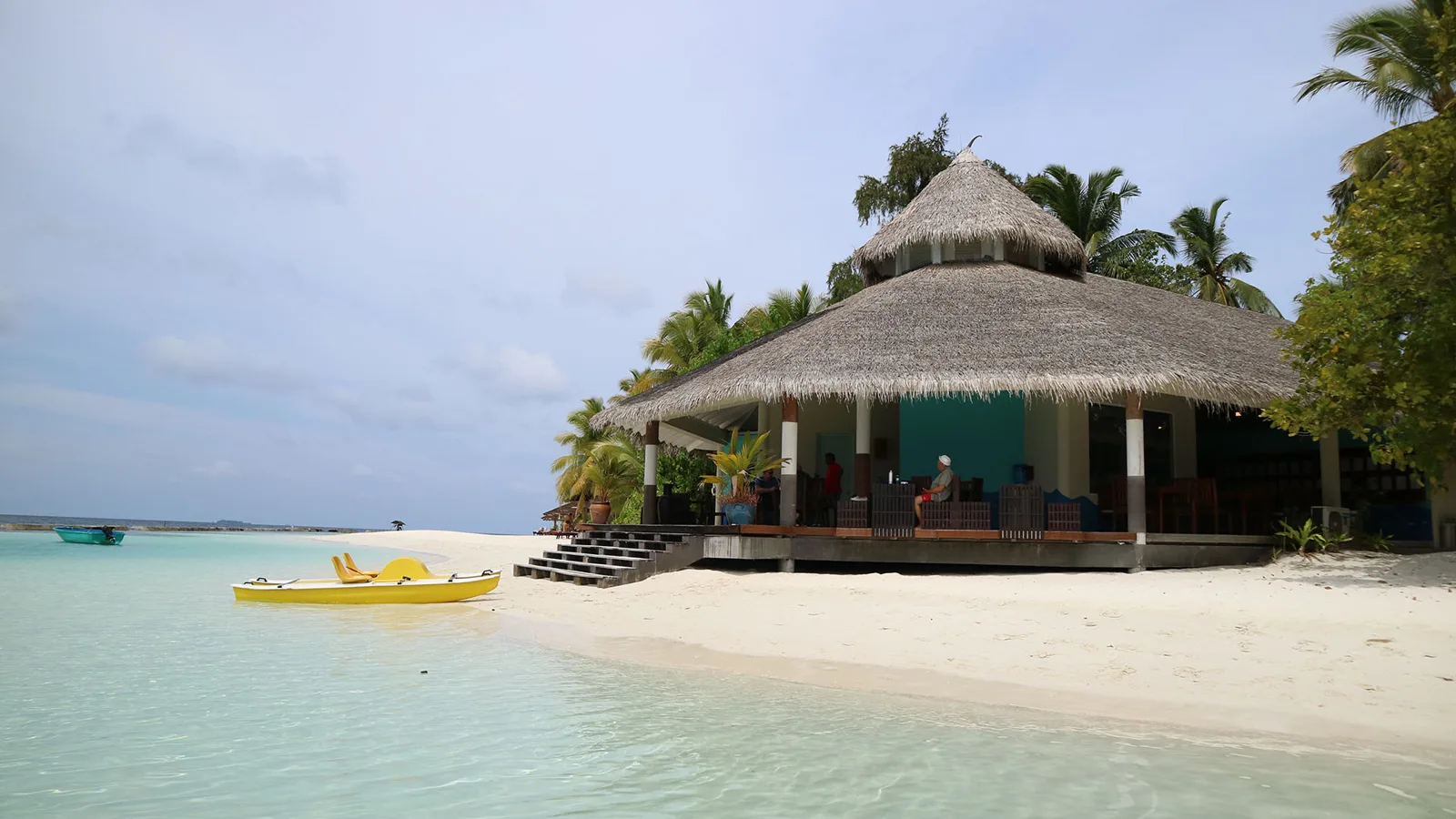
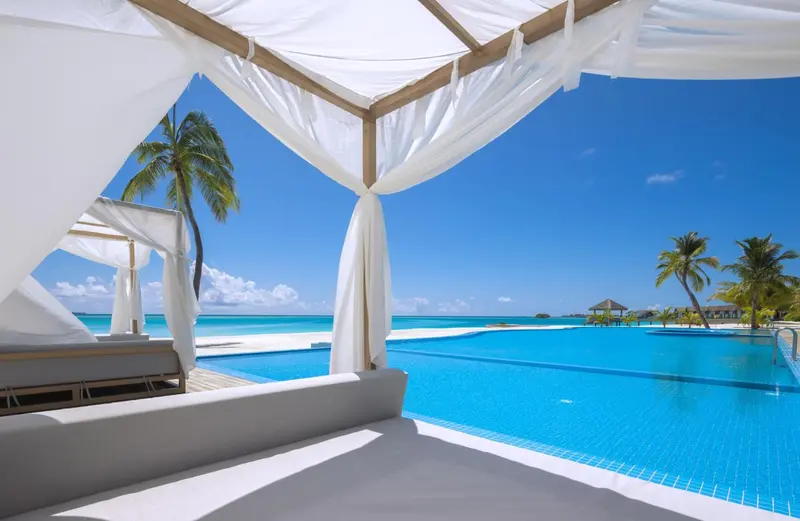
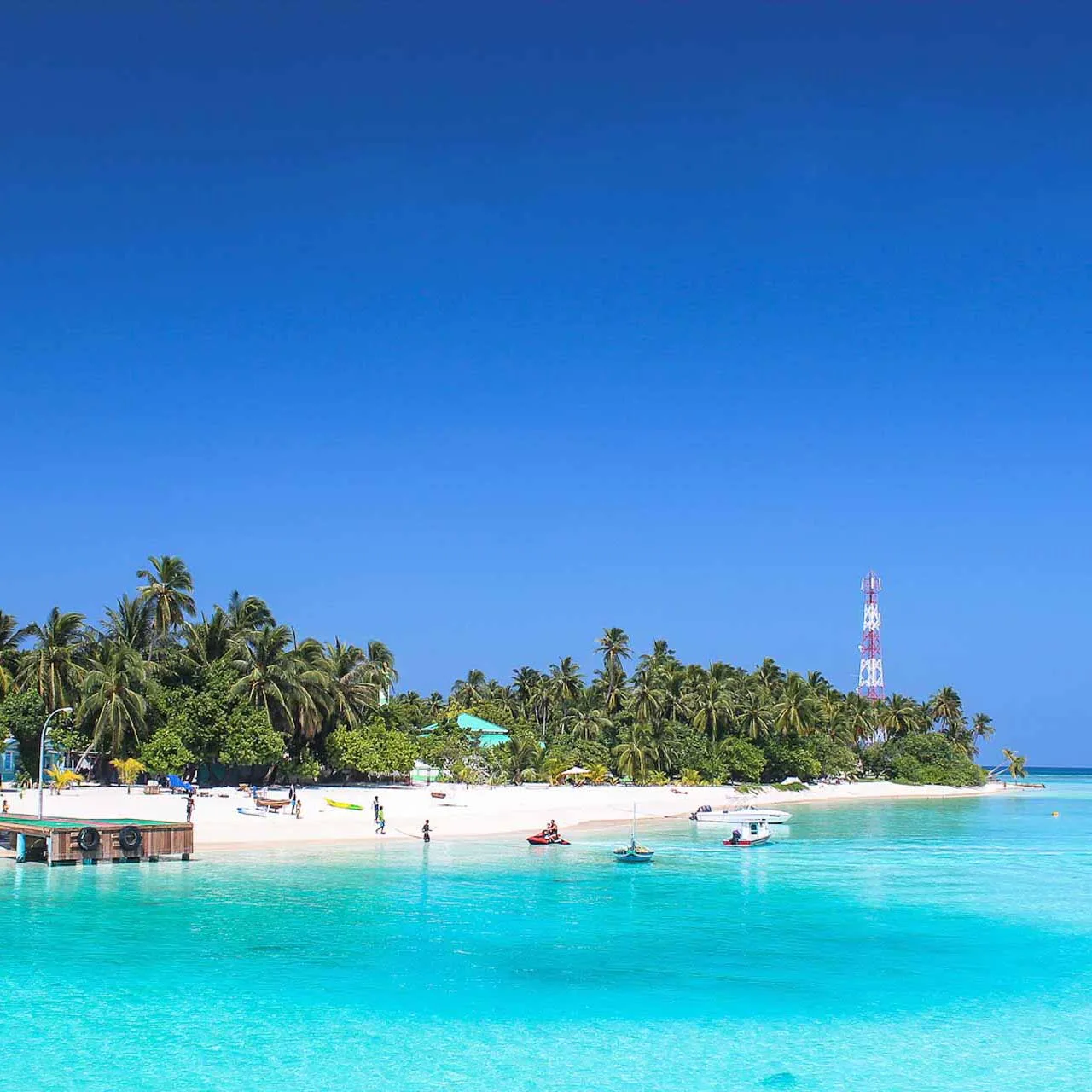
A land-based stay works well when the aim is to repeat nearby passes while keeping evenings free for island life. Inhabited islands offer beaches, snorkelling, sandbank trips, fishing and walks through local communities, although the choice of activities is more modest than in the main resort areas. Resorts provide more direct boat access and non-diving facilities. A liveaboard makes better sense when the priority is to follow several kandus and extend the range towards neighbouring atolls. Seven to ten days gives room for diving, weather delays and time above water.
Hello, I'm Marina, DivingDeal.com's AI assistant. I guide you through destinations, areas and countries.
Thinking about the whole trip and the flights? Talk it over with Edith →
Marina is an AI. Some links are affiliate links: DivingDeal may earn a commission, at no extra cost to you. Bookings are made with the partner.
Choose January to April if you want calmer crossings and clearer water, as the north-east monsoon usually brings lighter winds and visibility is generally strongest. From May to November, the south-west monsoon brings more wind, swell and changeable conditions, but plankton may attract manta rays and other pelagics.
Vaavu Atoll can suit all levels when the site matches your experience. Begin on sheltered Vattaru Reef if you are new to drift diving, rather than entering a strong kandu. Deeper pass dives suit more experienced divers. You should be comfortable with current management, drift procedures and delayed surface marker buoy deployment before stronger pass conditions.
Expect grey reef sharks in the passes, with whitetip reef sharks present throughout the year. Eagle rays may cross the blue at reef edges, while schools of fish move through the channels. Manta rays are more often reported from May to September, when plankton-rich water can draw them into Vaavu, though sightings are not guaranteed.
Plan to fly to Malé, then continue by speedboat to an inhabited island, allowing extra time because sea conditions can delay transfers. A land-based stay suits nearby passes and local life, while a resort offers direct jetty access. Choose a liveaboard to cover more kandus and neighbouring atolls, and leave room for weather delays.