
Atoll Divers Seychelles
Google 5/5 (608 reviews)
1.2 km away as the crow flies
Mahe · Seychelles · Indian Ocean
Max. depth · 26 mExplore two identical barges, purposefully sunk off Bel Ombre, now thriving artificial reefs teeming with marine life.
For subtitles in English: start the video firstthen click the gearat the top right of the video, select “Subtitles/CC”, then “Auto-translate” and choose “English”.
The Twin Barges site is located just off Bel Ombre, near the Corsair reef on Mahe. These aren't wrecks born of accident or storm; they were intentionally scuttled in February 1989 by the Association of Professional Divers of Seychelles. This deliberate act created a complex underwater structure, designed to attract marine species and provide new feeding grounds. As you approach the site, the distinct outlines of two identical vessels emerge from the blue, promising an engaging dive on interconnected wrecks.
Dropping down onto the Twin Barges, you immediately see how quickly marine ecosystems colonise new structures. The barges are relatively intact, offering interesting penetration opportunities for divers with appropriate training and experience, while their exteriors provide countless hiding spots for resident fish. The proximity and layout of the two vessels create the impression of a larger, continuous wreck system, allowing for a comfortable circuit that maximises your bottom time exploring both within a single dive profile.
The topography of the site consists of these two small steel barges resting on a sandy bottom. They lie near each other, connected by a rope, and are situated off the northwest coast of Mahé, close to Beau Vallon and Bel Ombre. Over more than two decades, dense growth of hard corals, fan corals, and sponges has encrusted the structures, transforming the metal into a vibrant, living reef. Each barge measures approximately 15 to 30 metres in length, providing ample structure to explore.
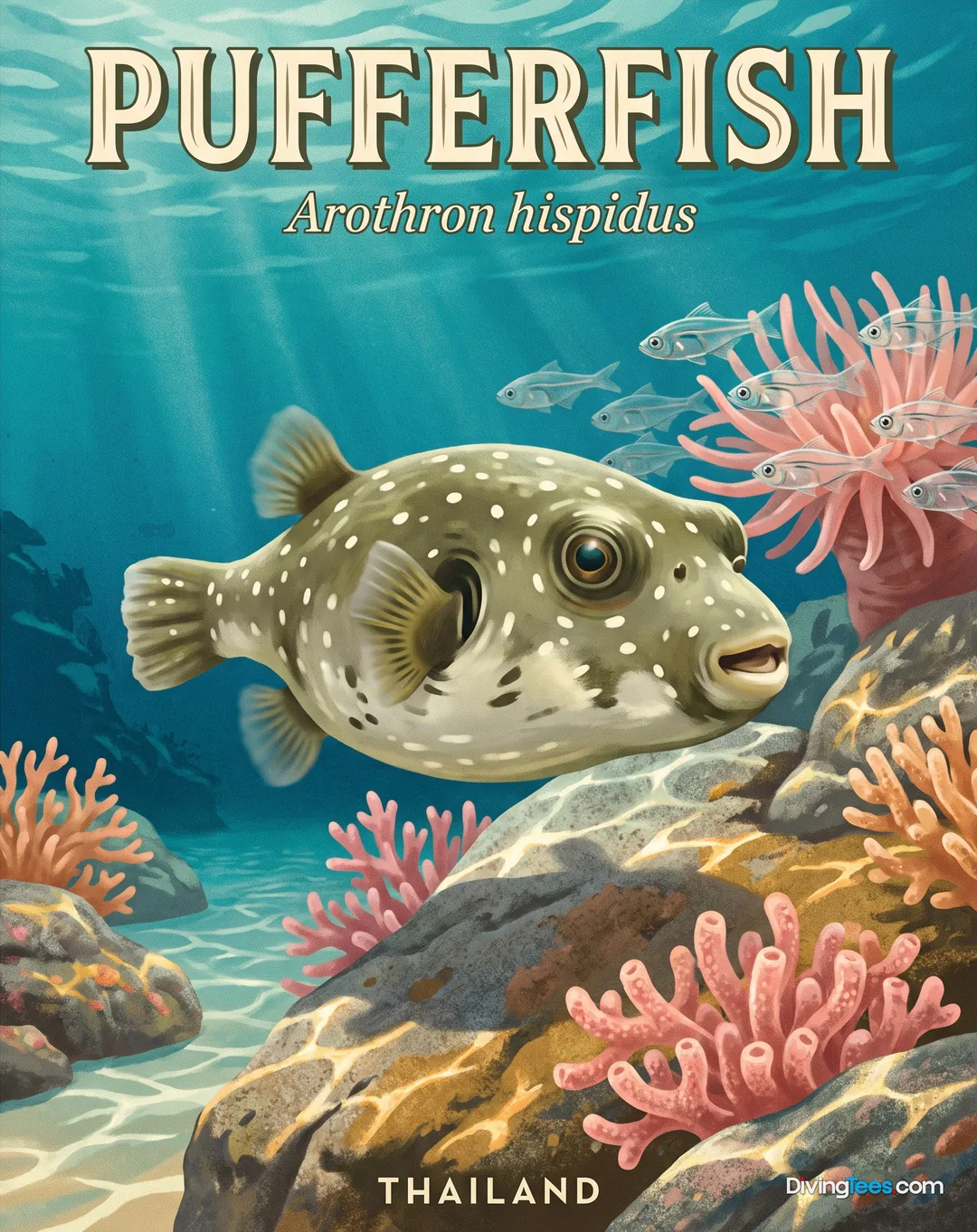
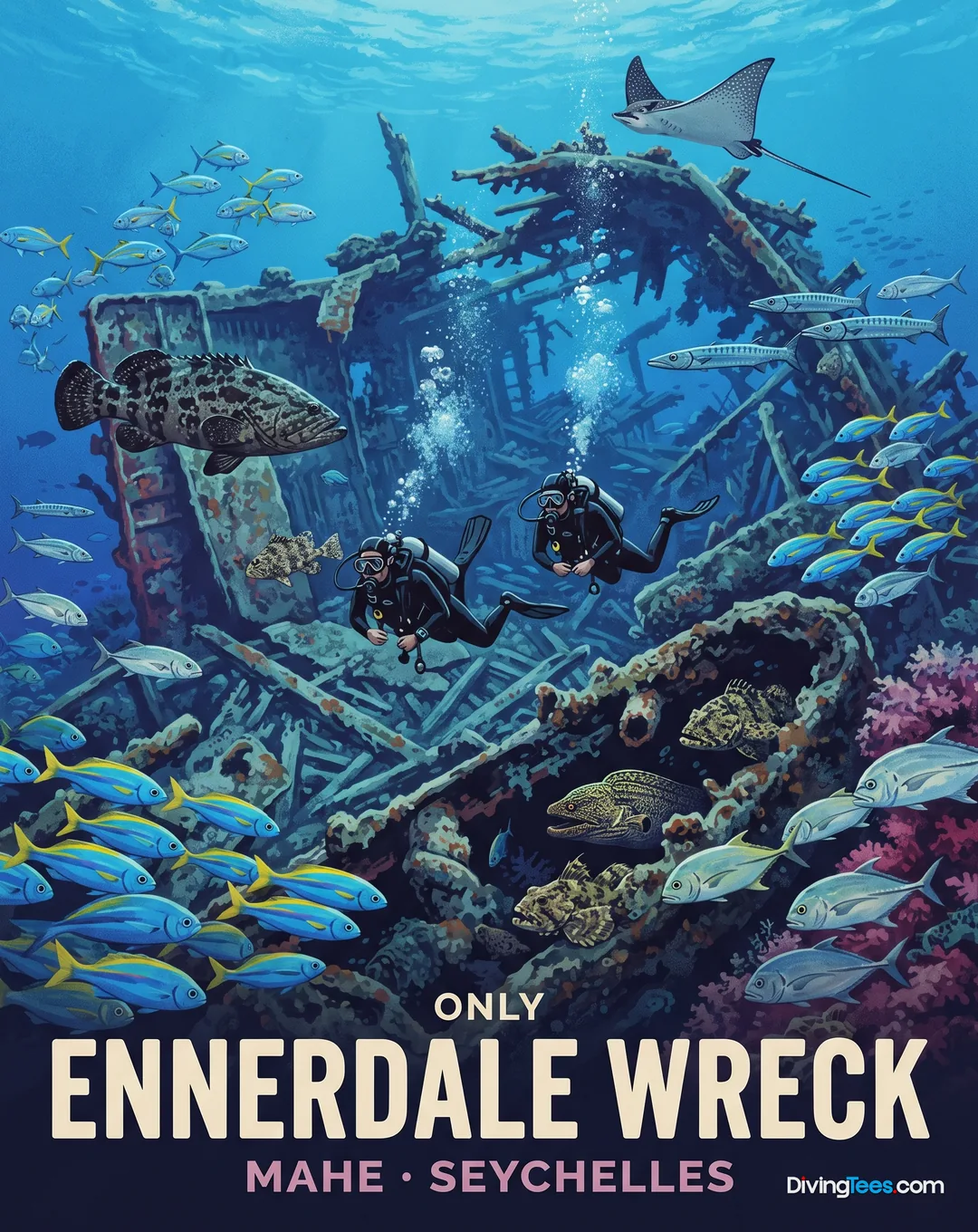
Life on the barges is vibrant, making these wrecks a magnet for local reef species. You'll encounter pufferfish, porcupinefish, and various moray eels seeking shelter within the structures. Lionfish, scorpionfish, and stonefish are often seen camouflaged against the encrusted surfaces, while crocodilefish lie in wait on the sandy bottom nearby. The wrecks also attract schools of jackfish and trevally, along with sweetlips, parrotfish, and pipefish moving through the coral growth.
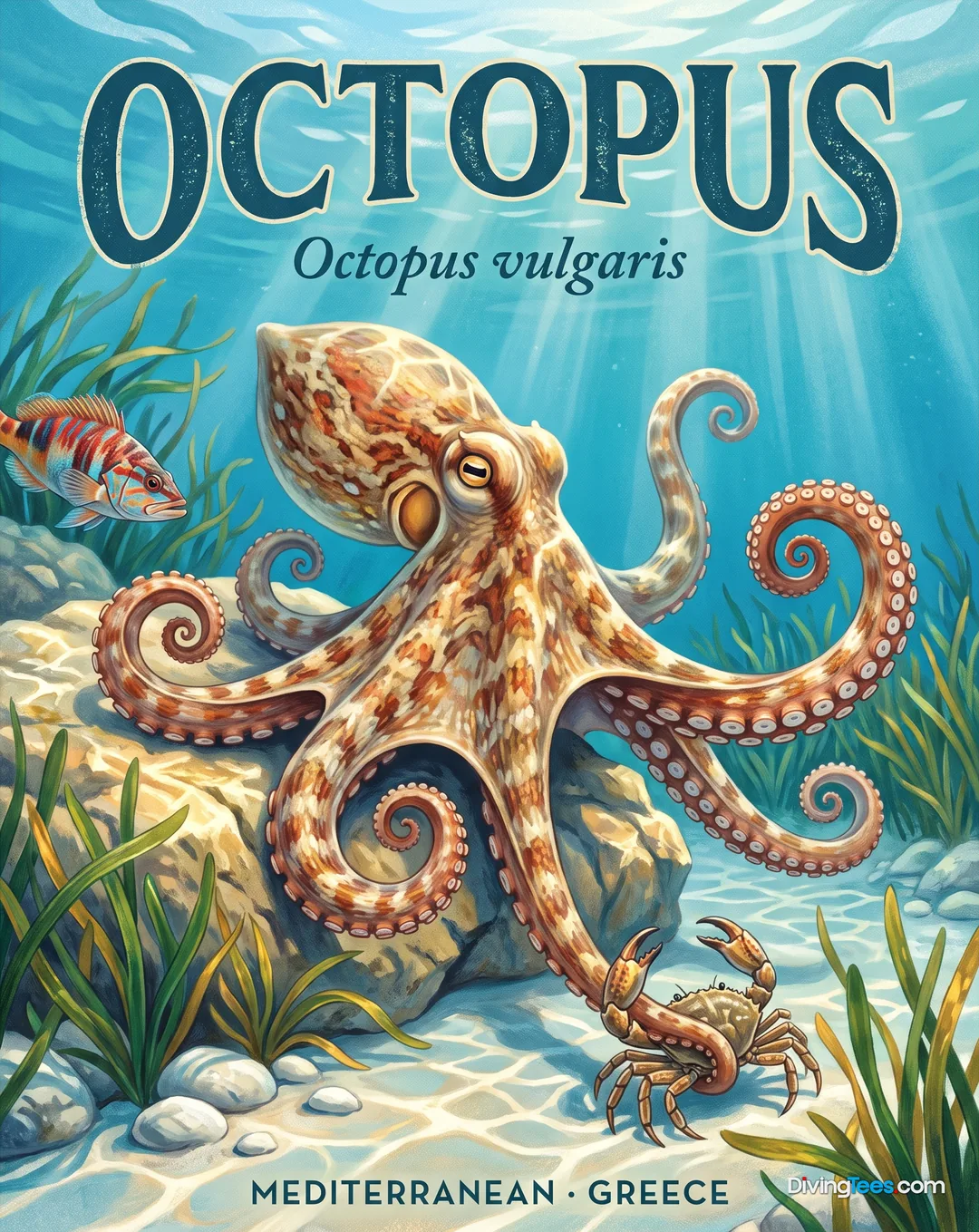
Beyond the immediate wreck inhabitants, the surrounding waters bring in a wider array of marine life. Octopus are frequently observed, along with catfish and snappers. Stingrays can be found gliding over the sandy areas adjacent to the barges, and turtles occasionally pass by. Angelfish add splashes of colour to the reef, contributing to the dynamic environment where the structure itself dictates the flow and interaction of marine inhabitants, inviting close inspection of every nook and cranny.
Navigating the Twin Barges presents an engaging profile for divers. Whether you choose to explore the deck structures, peer into shadowed cargo holds, or simply observe the marine life congregating around the exteriors, there's always something to capture your attention. The clear purpose of their sinking means they are positioned for ease of access and exploration, making for a relaxed yet rewarding wreck dive. This site serves as a testament to how quickly marine ecosystems can colonise and thrive on new, thoughtfully placed structures.
The site is particularly popular for night dives due to its generally calm conditions and the abundance of nocturnal marine life that emerges after sunset. The deliberate placement and subsequent colonisation by corals and fish have made the Twin Barges one of the well-known wreck dives off Mahé, offering a consistent and accessible experience for divers looking to explore artificial reefs.
The Twin Barges site is accessible from a minimum depth of 10 metres, extending down to a maximum of 26 metres. It is suitable for Open Water Divers (PADI OW, CMAS* and above) and all skill levels, making it a good option for those new to wreck diving or seeking a relaxed exploration. Currents are generally light to non-existent, contributing to its accessibility and popularity for night dives. Visibility typically ranges between 10 and 30 metres. The best conditions for diving are reported around March to June and September to December, with peak periods in April to May and October to November.
You will generally find the best conditions at Twin Barges from March to June and from September to December. Peak periods are April to May and October to November. The site is also popular for night dives, when calm conditions and nocturnal marine life add another way to explore the wrecks.
Twin Barges is suitable for Open Water Divers, including PADI Open Water and CMAS* divers, as well as all skill levels. You can explore the exteriors as a relaxed wreck dive, while penetration of the relatively intact barges requires appropriate training and experience. This makes the site accessible to divers new to wreck diving.
At Twin Barges, you can dive from ten metres down to twenty-six metres. Currents are generally light to non-existent, supporting a relaxed exploration and making the site accessible to all skill levels. Visibility typically ranges between ten and thirty metres, giving you space to view the two barges and their reef growth.
You will explore two identical barges resting on a sandy bottom, connected by a rope and covered with hard corals, fan corals, and sponges. Marine life includes pufferfish, moray eels, lionfish, octopus, stingrays, turtles, jackfish, trevally, sweetlips, parrotfish, and pipefish, with nocturnal species appearing after sunset.