

Atoll Divers Seychelles
Google 5/5 (608 reviews)
7.9 km away as the crow flies
Mahe · Seychelles · Indian Ocean
Max. depth · 24 mGranite gullies and steep walls meet a deep-water channel teeming with sharks and rays.
For subtitles in English: start the video firstthen click the gearat the top right of the video, select “Subtitles/CC”, then “Auto-translate” and choose “English”.
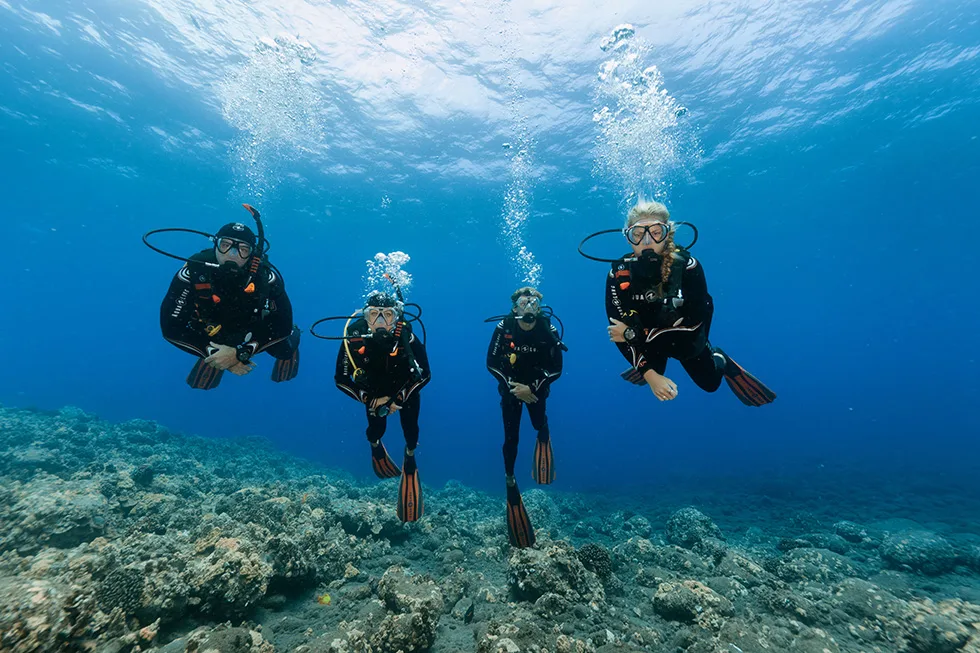
Cap Matoopa sits at the westernmost extremity of Baie Ternay Marine Park on the island of Mahé. This site is defined by its dramatic granite topography, where massive boulders and sheer rock walls create a complex underwater landscape. Unlike the coral-only structures found elsewhere, the terrain here is built from heavy granite that forms steep slopes and deep canyons. You will find yourself navigating through narrow gullies and multiple swim-throughs that define the character of this reef. The structure drops sharply from the upper levels down to sandy and boulder-filled fields at the base.
The dive profile begins on the upper granite slopes before transitioning into more technical terrain. As you descend, the reef structure becomes more complex, offering numerous overhangs and sheltered pockets. The depth reaches its maximum between 20 and 24 metres, where the granite walls meet the sandy bottom of the channel. This transition zone between the reef edge and the deep-water corridor is where most of the site's action occurs. You can spend your time exploring the intricate topography of the walls or hovering near the channel edge to watch the passing currents.
The position of Cap Matoopa is strategic for those looking for larger marine life. Because the site sits directly adjacent to a deep-water channel running up the west coast, it acts as a natural funnel for moving water. This constant movement brings a steady supply of nutrients, making it one of the most fish-rich locations on the northwest coast of Mahé. You will frequently encounter large schools of fusiliers, jacks, and yellow snappers patrolling the edges of the granite walls. The combination of complex rocky structure and open water makes this a highly productive zone.
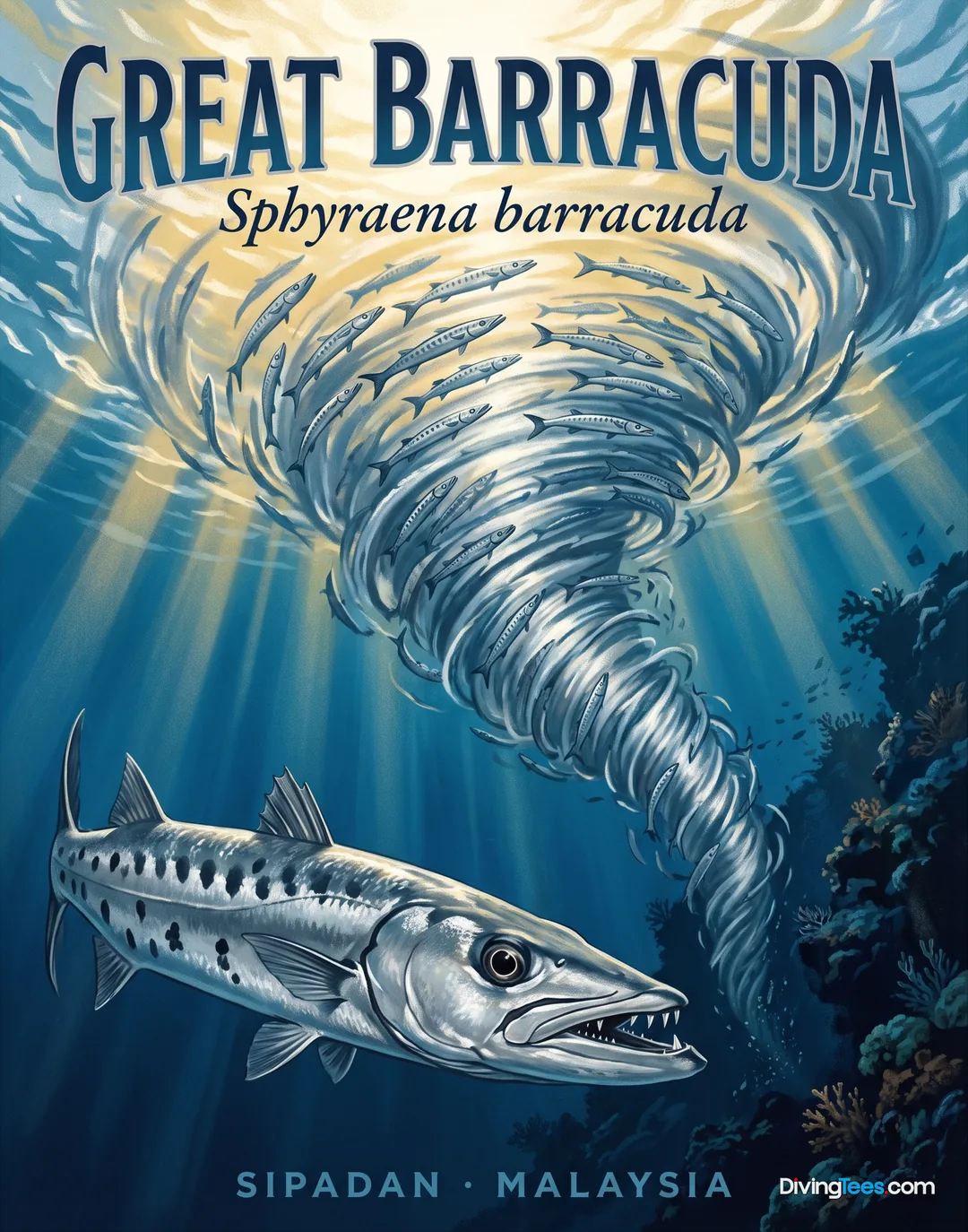
Pelagic species are a primary reason for diving this specific location. The deep channel brings regular visitors such as eagle rays and manta rays that cruise the currents near the reef edge. You can also expect to encounter whitetip reef sharks moving through the deeper sections of the site. During certain seasons, the area becomes a significant location for encounters with whale sharks and manta rays. These larger animals are often drawn to the nutrient-rich waters that flow through the channel, often appearing in the clearer, calmer inter-monsoon periods.
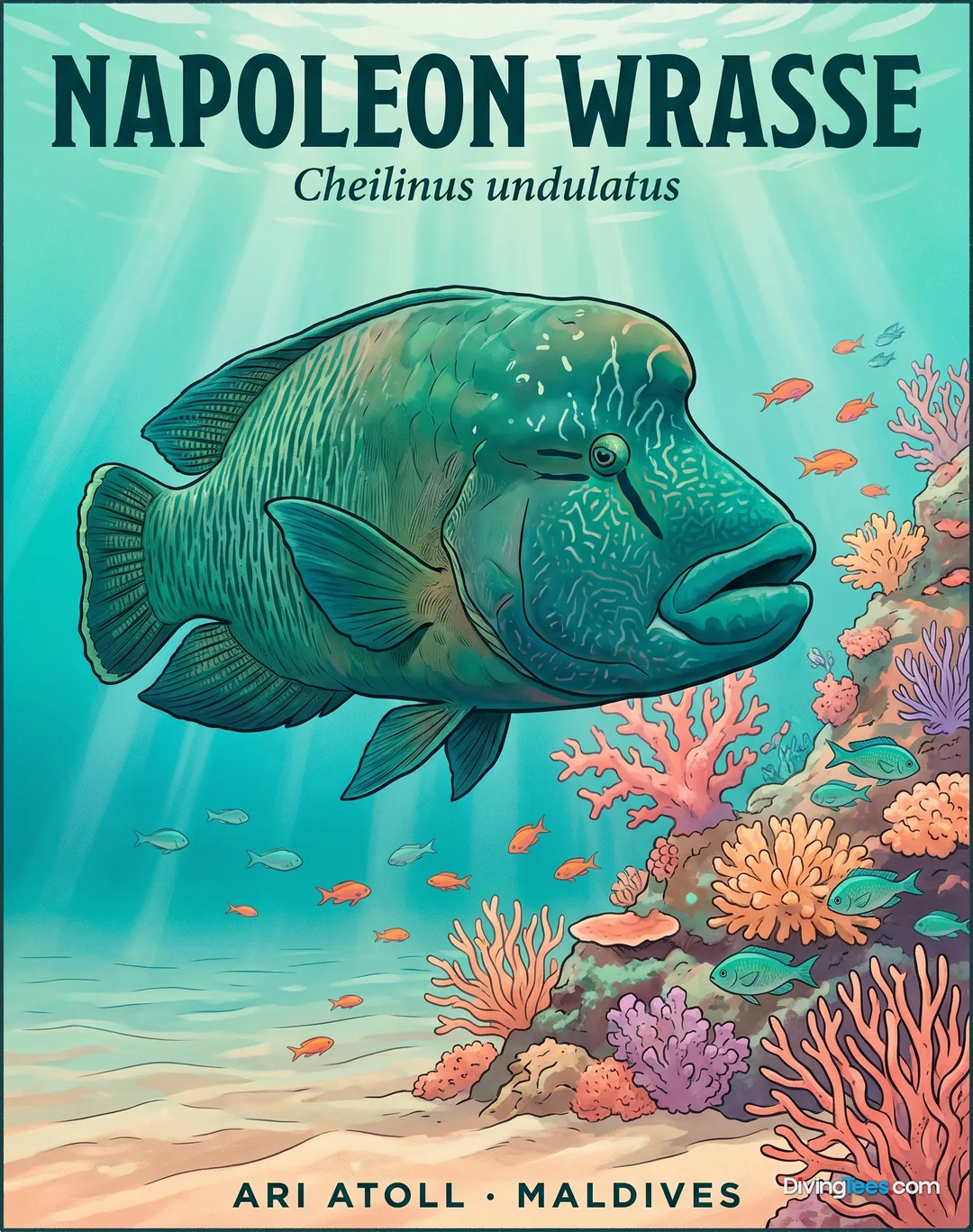
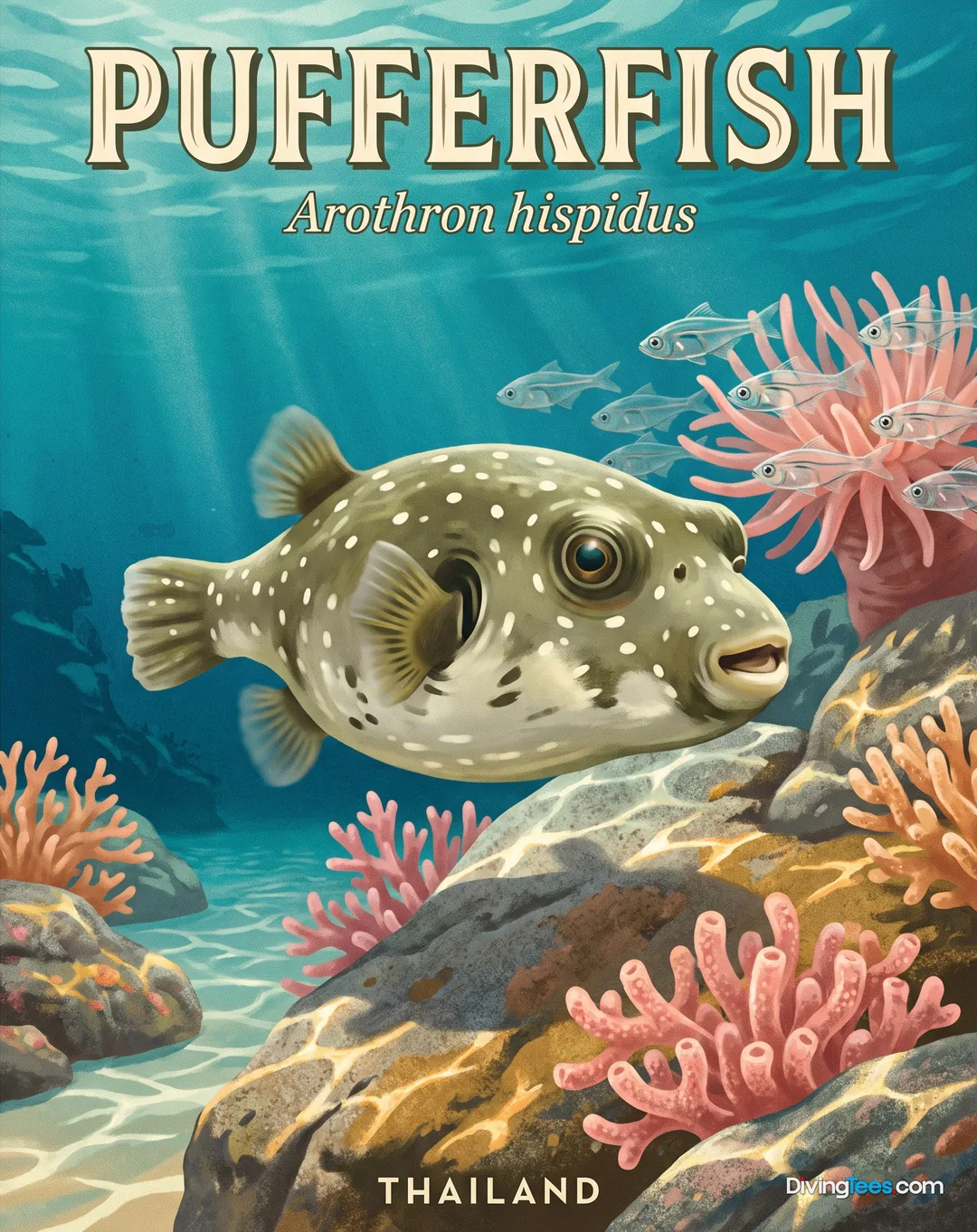
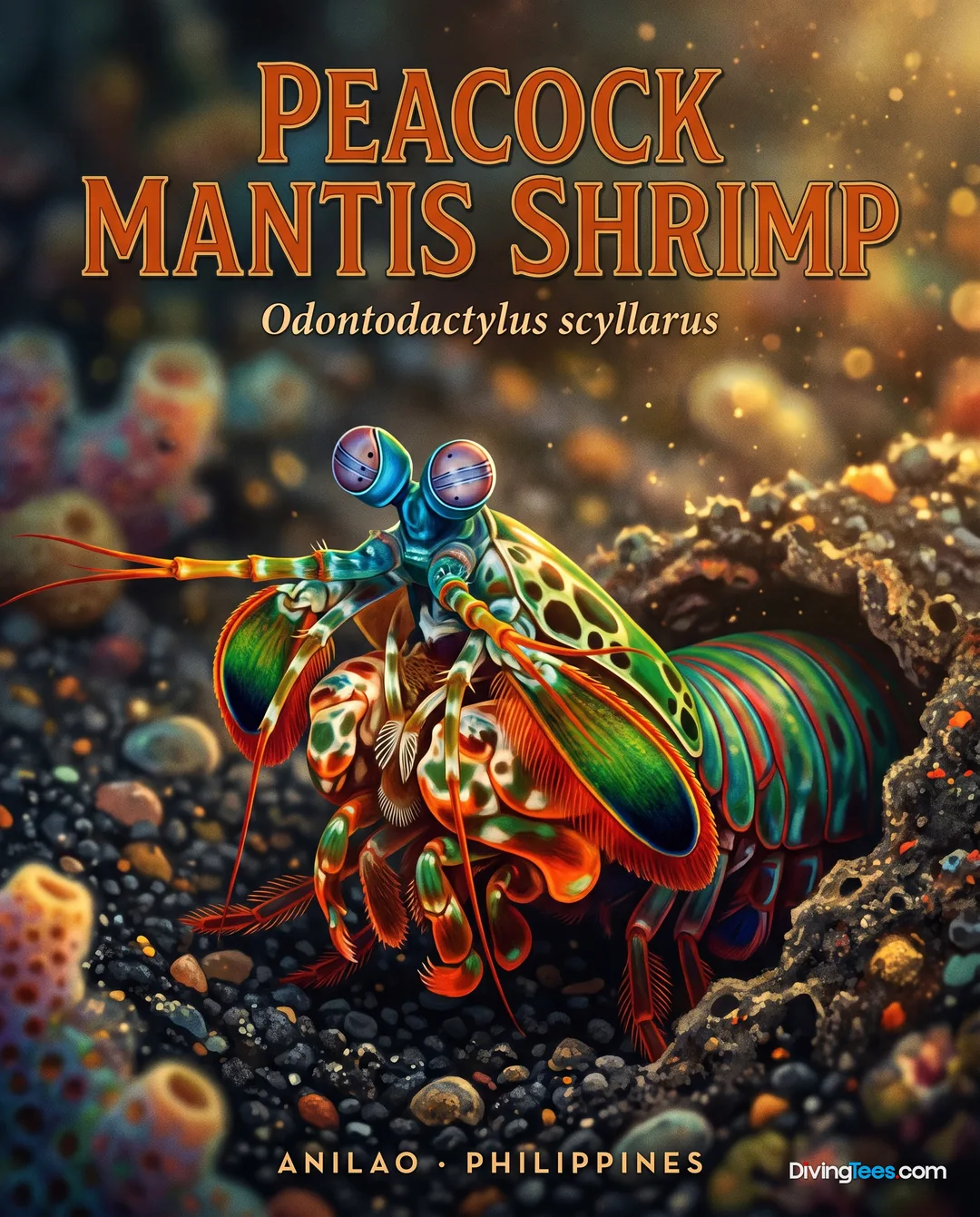
The reef's biodiversity is anchored by a variety of resident species that thrive in the granite crevices. You will often see large Napoleon wrasse and various grouper species patrolling the deeper parts of the walls. The rocky surfaces are heavily covered in hard and soft corals alongside various sea fans. For those looking closely at the smaller details, the site hosts scorpionfish, stonefish, and pufferfish among the boulders. Smaller inhabitants like mantis shrimp and leaf scorpionfish use the intricate cracks and shadows of the granite to remain hidden from predators.
Visibility at Cap Matoopa is generally good, typically ranging between 10 and 25 metres depending on the season. During the inter-monsoon periods, which occur between April–May and October–November, the seas are calmer and the water is notably clearer. This seasonality is a key factor in planning your dive, as the monsoon seasons can bring different conditions. In clearer water, the scale of the granite walls and the distance at which you can spot pelagic species becomes much more apparent. This clarity allows for better viewing of the deep-water channel's edge.
Currents at this site are a defining feature and should be respected. Because the reef borders a deep-water channel, there is regular current flow that can vary from light to strong. These conditions are influenced by the tides, the swell, and the specific season, with currents often picking up during monsoon periods. Divers must be comfortable working in moving water and be prepared for the site's specific topology, which can create unpredictable movements near the walls. Being aware of the tidal flow is essential for managing your depth and heading.
Maximum depth reaches 24 metres. The site is suitable for Open Water divers who are comfortable in currents and navigating granite terrain. Regular current flow is present due to the deep-water channel, which can become strong depending on the tide and season. Visibility typically ranges from 10 to 25 metres. Best conditions are during the inter-monsoon periods (April–May and October–November).
Plan your dive during the inter-monsoon periods in April to May or October to November, when seas are calmer and water is notably clearer. Visibility typically ranges from 10 to 25 metres, helping you appreciate the granite walls and spot pelagic species near the deep-water channel edge.
Cap Matoopa is suitable for Open Water divers who are comfortable in currents and navigating granite terrain. You should be ready to move through narrow gullies, deep canyons, overhangs, and multiple swim-throughs as the reef becomes more complex with depth.
At Cap Matoopa, the dive profile begins on the upper granite slopes and descends through increasingly complex terrain. The site reaches 24 metres, with the maximum depth between 20 and 24 metres where granite walls meet the sandy bottom of the channel. Deeper sections include sandy and boulder-filled fields.
At Cap Matoopa, regular current flow comes from the deep-water channel and can become strong depending on the tide and season. You may encounter eagle rays, manta rays, whitetip reef sharks, schools of fusiliers, jacks, and yellow snappers, plus larger groupers and Napoleon wrasse near the granite walls.