
Amorgos - Amorgos Diving Center
Google 4.8/5 (535 reviews)
Greece · Mediterranean
Boat dives from Amorgos reach rocky walls, sea caves, small islets and the Marina 3 wreck near Skinopi.
For subtitles in English: start the video firstthen click the gearat the top right of the video, select “Subtitles/CC”, then “Auto-translate” and choose “English”.
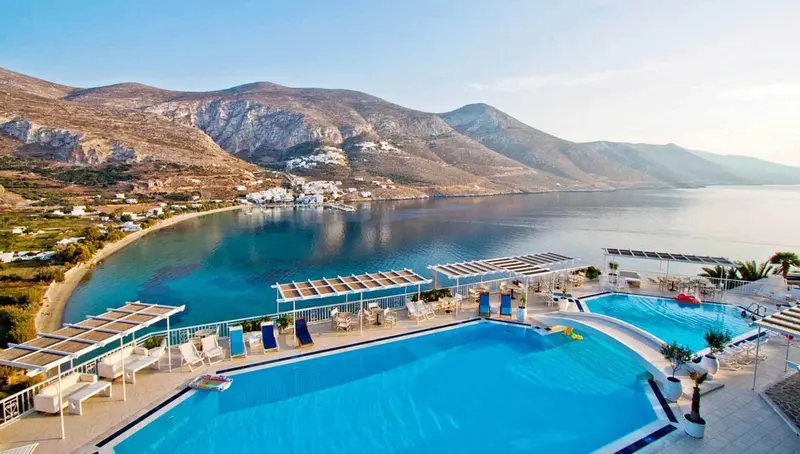
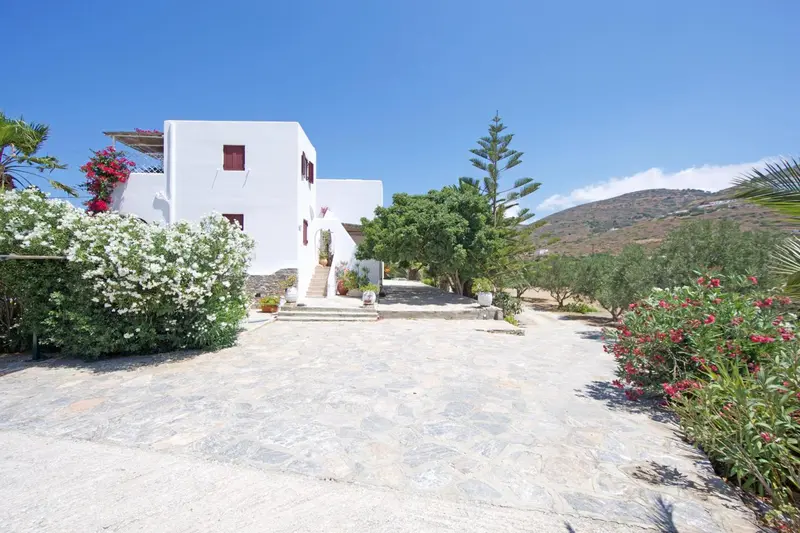
Amorgos suits divers who prefer a shore-based Greek island holiday to a liveaboard routine. The underwater day is spent in a boat, heading for rocky walls, caves, islets and the Marina 3 cargo wreck near Skinopi. Aegiali and Katapola provide the two practical bases, while the island itself adds villages, walking trails, beaches and the Panagia Hozoviotissa monastery. It is a sensible choice for a mixed group, provided everyone accepts that wind can change the plan.
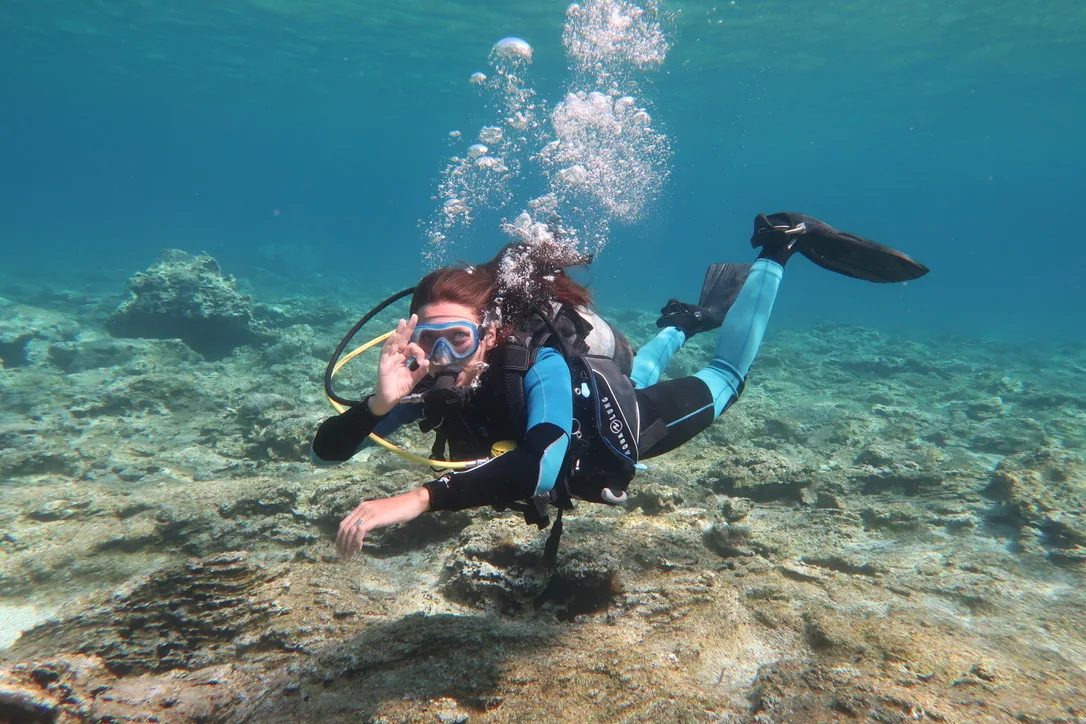
The diving is built around rock rather than a coral reef: walls, drop-offs, caves and uneven boulder-strewn ground form the main scenery. Nikouria and Agios Pavlos put small-island and exposed-coast landscapes into the day, while the Marina 3 offers a very different dive on a cargo wreck that sank near Skinopi in 1981. Current is variable, so a calm-looking itinerary is not a promise of identical conditions at depth. Visibility is frequently very high, although the centres select sites according to wind and sea state. Most outings are boat-based and may include guided dives, deeper profiles or night diving. The result is a day shaped by the coast and the forecast, not a fixed circuit repeated regardless of conditions.
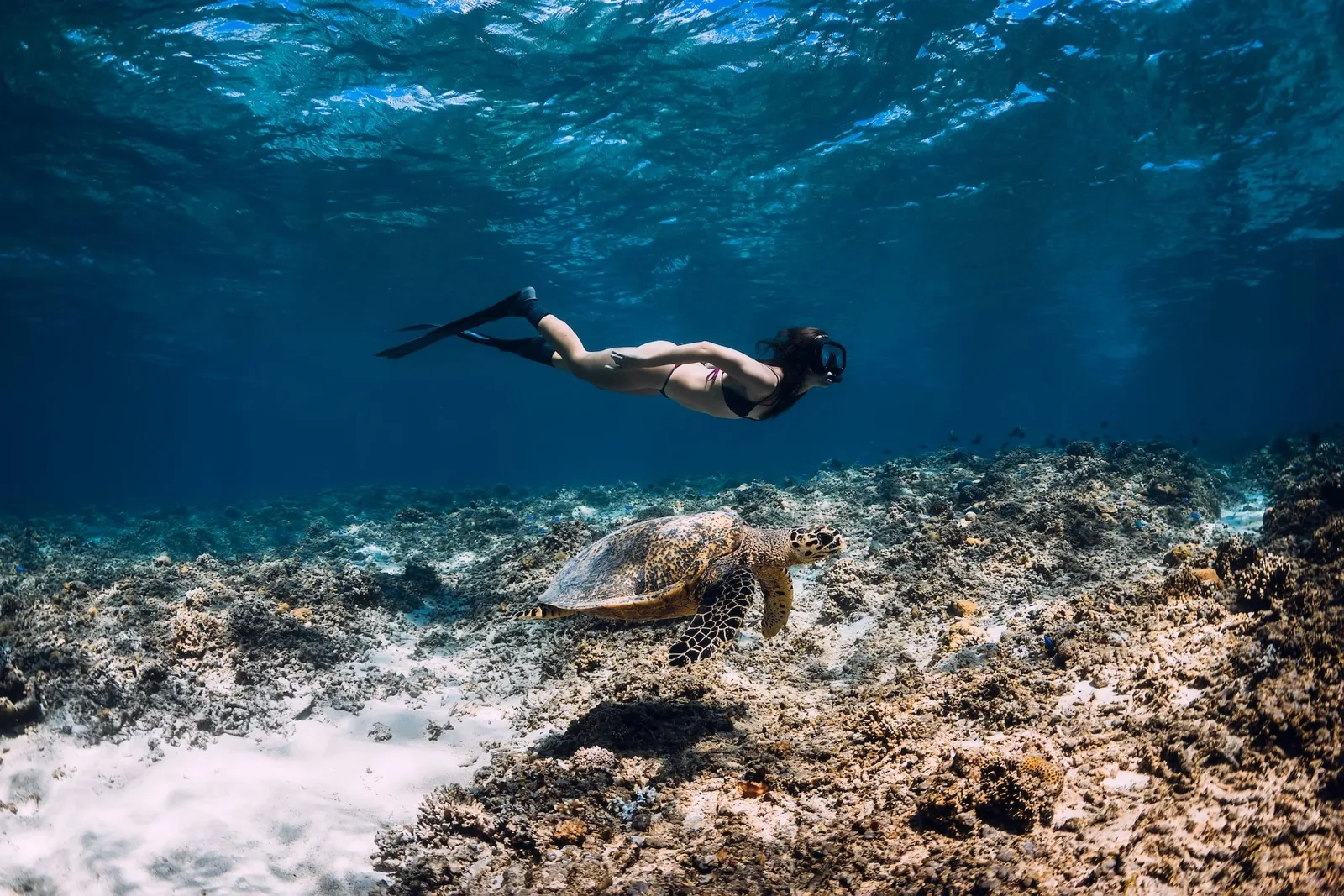
Life here is encountered against rock, inside caves and along walls rather than across a named tropical reef. Fish and sponges are part of the underwater picture, with the terrain often doing as much of the visual work as the animals. Around Nikouria, Agios Pavlos and the neighbouring islets, look into cracks and across the rocky bottom as the boat moves between exposed and sheltered sites. Night dives offer a different way to read the same coast, with torchlight picking out details that are easy to pass during daylight. There is no particular wildlife month to build the trip around, so the most dependable approach is to allow several diving days and let the skipper match the site to the conditions.
May, June, September and October are the most attractive months for a diving holiday. The reason is practical: the boat programme depends on wind and sea state, and these periods generally offer a better balance between workable conditions and fewer visitors than the height of summer. July and August bring more transport links and more diving rotations, but also busier ports and beaches. Early and late season can be quieter, although the choice of ferry connections and available outings may be narrower. Keep spare days in the itinerary, because Amorgos chooses the accessible sector day by day rather than guaranteeing a particular site.
Beginners can start here with an introductory dive, training or a guided outing, so Amorgos is not reserved for experienced divers. Certified divers should still match the plan to the conditions, particularly where a deeper profile or a more exposed wall is involved. An Advanced Open Water qualification is useful for deeper dives. The Marina 3 should be treated as a proper wreck dive, with suitable experience and a wreck-diving speciality alongside PADI, SSI or BSAC training, rather than as an automatic first dive.
From London Heathrow, London Gatwick or Manchester, the journey starts with Athens, followed by the compulsory transfer to Piraeus by road or urban transport. From the port, conventional ferries to Amorgos take roughly nine to ten hours, while some seasonal fast services take about six to seven. Routes through Naxos or another Cycladic island are also possible. Allow a full travel day from Britain, and longer if a flight and ferry connection requires an overnight stop. Check whether the ferry arrives at Katapola or Aegiali before booking accommodation. Once on Amorgos, nearby harbour and beach areas can often be managed on foot, but a taxi or local transfer may be needed from more distant villages and lodgings.
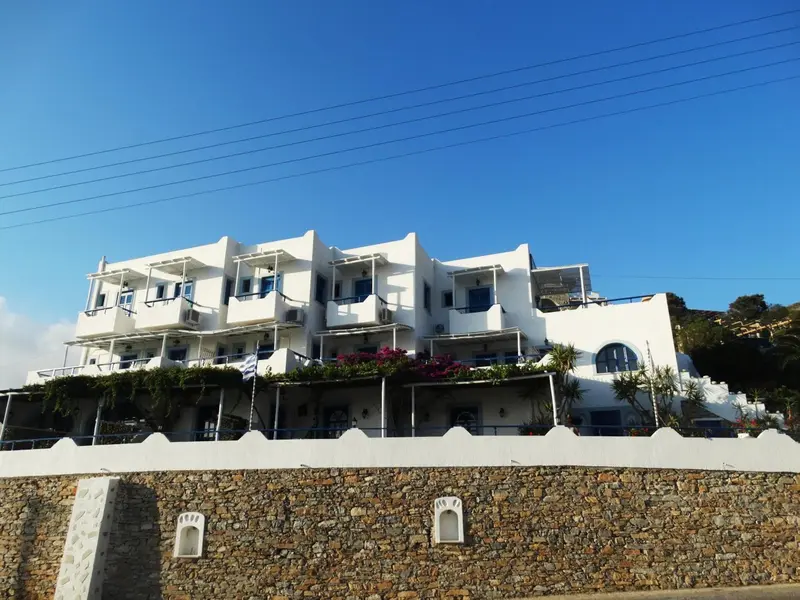
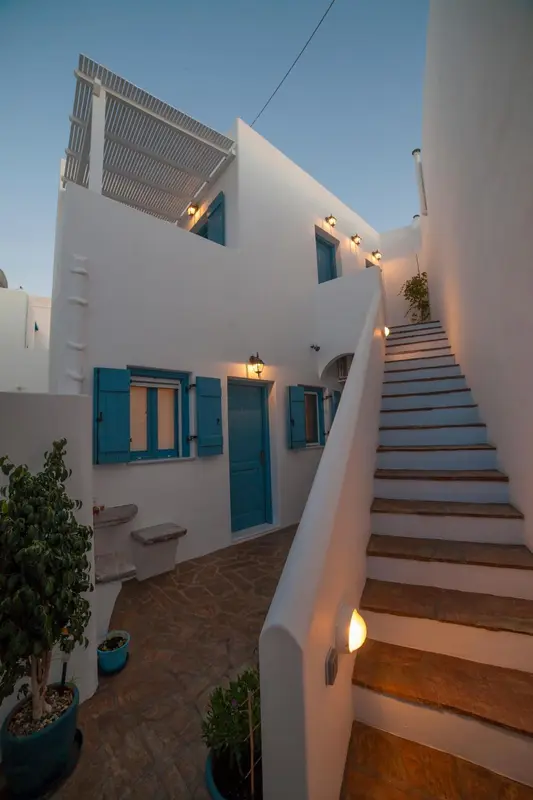
The first decision is Aegiali or Katapola. They are separate parts of a long, mountainous island, and a room that looks convenient on a map may still mean repeated taxi journeys to the boat. Check the departure harbour before committing to accommodation. Leave several days available for diving rather than stacking every outing at the start of the stay. Wind may shift the programme or replace the planned sector, and a ferry booked immediately after the final boat trip leaves no useful margin if the sea turns. If the Marina 3 is a priority, arrive with the appropriate wreck qualification already in place and ask about depth, experience and conditions before treating it as a standard excursion. Reserve ferries and diving in the busier summer period, then keep a non-boating day for Chora, the villages, walking trails or Panagia Hozoviotissa.
A seven- to ten-day stay makes sense because it absorbs the long ferry journey, leaves room for wind-related changes and allows diving to share the timetable with the island. Accommodation works best when matched to the actual departure harbour, whether Aegiali or Katapola. Boat days can be mixed with snorkelling around Agios Pavlos and Nikouria, excursions to nearby coves and islets, village visits and walks. That arrangement suits non-divers as well as companions who want a Greek island holiday rather than a week spent solely on a dive boat.
Hello, I'm Marina, DivingDeal.com's AI assistant. I guide you through destinations, areas and countries.
Thinking about the whole trip and the flights? Talk it over with Edith →
Marina is an AI. Some links are affiliate links: DivingDeal may earn a commission, at no extra cost to you. Bookings are made with the partner.
Choose May, June, September or October for a practical balance of workable boat conditions and fewer visitors. July and August offer more transport links and diving rotations but bring busier ports and beaches. Early and late season can be quieter, though ferry connections and available outings may be narrower. Keep spare days for wind changes.
You can begin with an introductory dive, training or a guided outing, so Amorgos also suits beginners. Certified divers should match plans to conditions, especially on deeper profiles or exposed walls. An Advanced Open Water qualification helps with deeper dives. Treat the Marina 3 as a proper wreck dive requiring suitable experience and wreck training.
You will explore rocky walls, drop-offs, sea caves, boulder-strewn ground and small islets around Nikouria and Agios Pavlos. Fish and sponges appear among the rock, while the Marina 3 provides a cargo-wreck setting near Skinopi. Night dives reveal different details along the rocky coast, and visibility is frequently very high.
Choose Aegiali or Katapola according to the boat departure harbour, then leave several days available for diving because wind can change the programme. Allow a full travel day from Britain for the Athens, Piraeus and ferry journey. A seven- to ten-day stay leaves room for diving, island walks, villages, beaches and weather changes.