
Karpathos Diving Center
Google 4.8/5 (136 reviews)
Greece · Mediterranean
Rocky walls, light-filled caves, accessible wrecks and the occasional monk seal shape Karpathos diving from Pigadia, with clear water and sites reaching 30 metres.
For subtitles in English: start the video firstthen click the gearat the top right of the video, select “Subtitles/CC”, then “Auto-translate” and choose “English”.
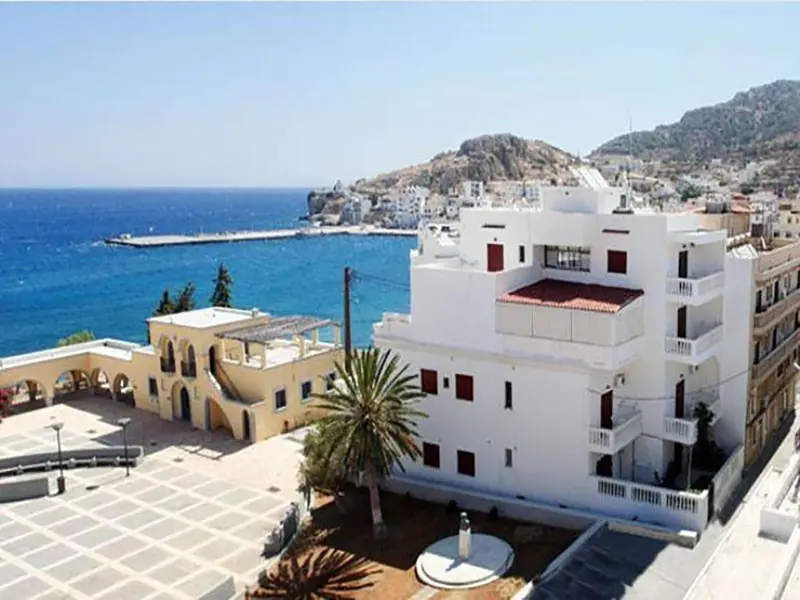
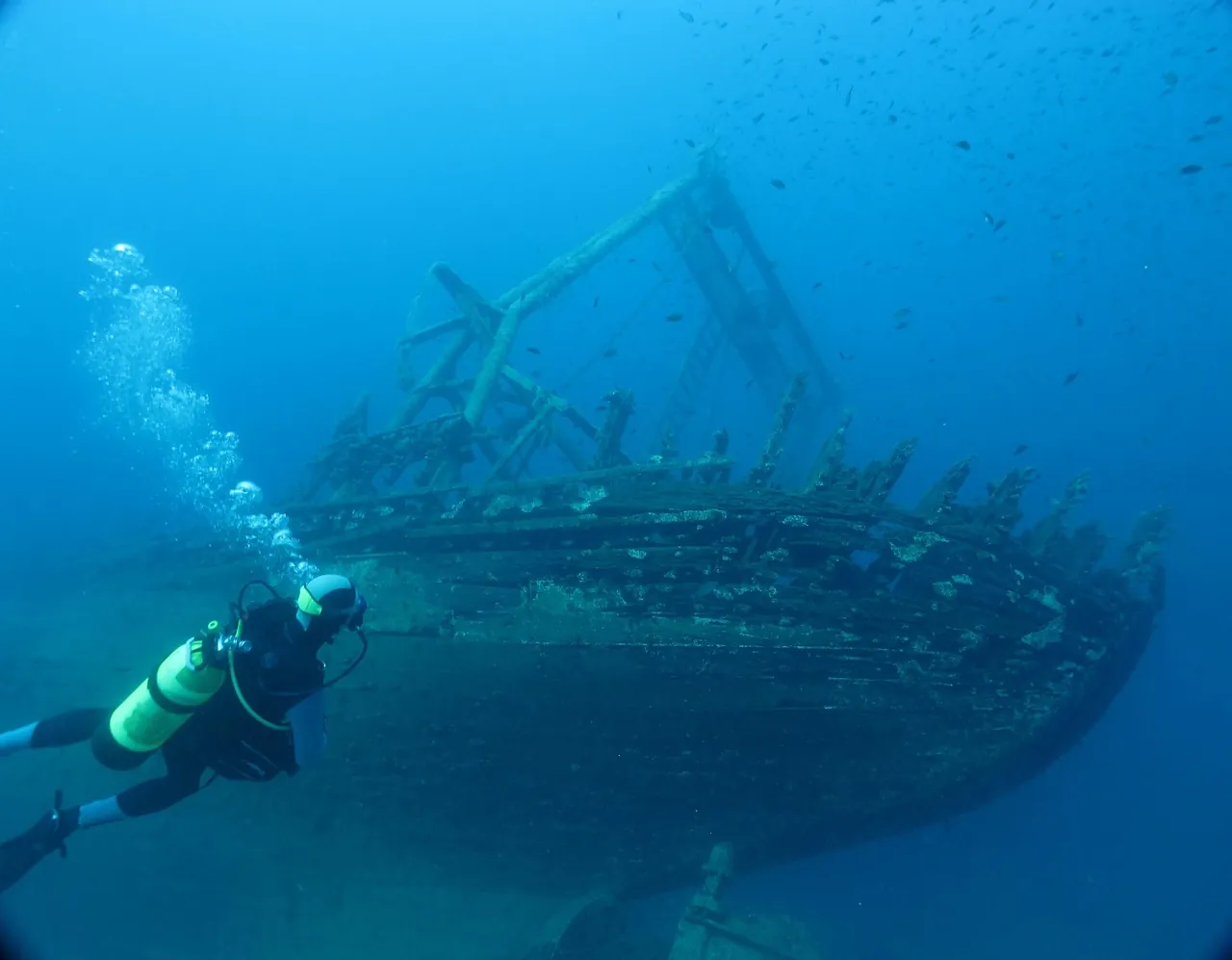
An accessible wreck gives Karpathos one of its most straightforward underwater encounters, but the island does not stop there. From Pigadia, diving ranges from shallow coastal rock suitable for a first immersion to boat-accessed walls, arches, caves and deeper formations. The practical base is the harbour town, while the eastern and southern coasts provide the wider choice of scenery. A week on land allows time for both nearby dives and outings towards the more exposed parts of the island, with beaches, mountain villages and walking for non-divers.
Karpathos puts rocky Mediterranean terrain at the centre of the experience. Expect reefs, walls, arches, caves and wrecks rather than a single repeated format, with both shore dives around Pigadia and boat trips to more distant sites. Some cave entrances begin at around 25 to 30 metres, and certain walls or exposed formations can carry a marked, variable current. This is not a destination where every dive is automatically sheltered. Visibility is commonly around 20 to 30 metres from June to September, although wind and swell can change the picture. Ask exactly whether a planned outing is a cave, wall, wreck or reef dive, because the depth, light and current can differ sharply. A shallow Pigadia dive makes a sensible introduction before committing to the longer boat days.
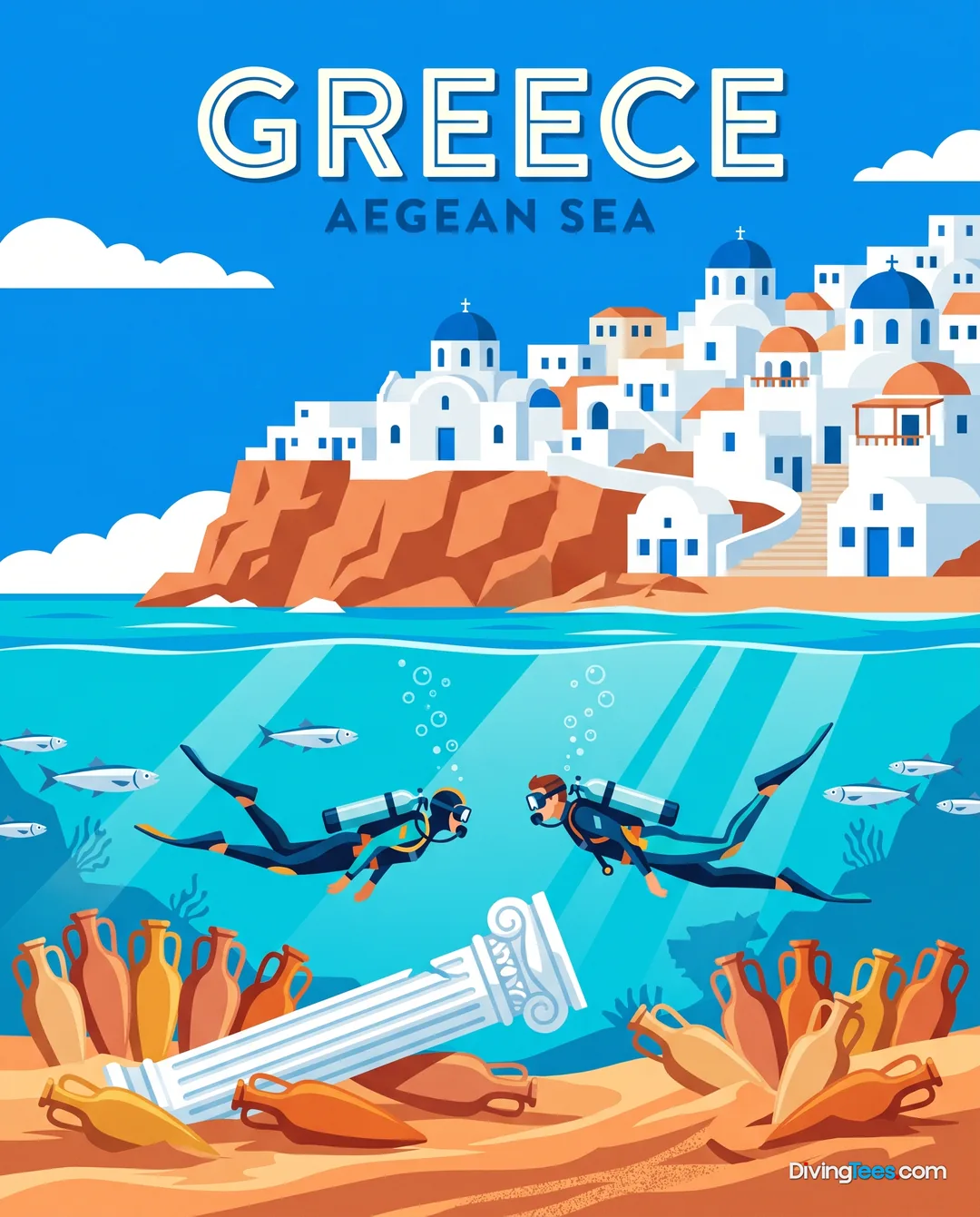
From May to October, grouper and moray eel are regular encounters, with spiny lobster and slipper lobster adding interest in cracks and rocky shelter. Marine turtles and barracuda are occasional rather than dependable sightings, so they are best treated as a bonus to the terrain. The rare possibility of a Mediterranean monk seal adds a more memorable possibility near a cave entrance, although it should never shape the itinerary. Karpathos rewards slow observation of the rock, arches and cave margins: the wildlife is Mediterranean and often tucked into structure rather than presented in open water. The main attraction is the combination of animal life with walls, wreckage and clear blue space.
The most reliable diving period runs from late spring to early autumn, with June and September the most attractive compromise. Visibility is generally good then, and the centres and boat programme are more dependable than outside the main season. July and August bring greater holiday traffic, particularly to sites easily reached from Pigadia. June offers an earlier-season balance, while September keeps the water and diving season in place after the busiest weeks. Leave room for wind and sea conditions, especially if the plan depends on exposed boat sites. Outside the main season, fewer outings may be running, so a carefully built itinerary matters more than simply arriving out of season.
Karpathos suits beginners on its shallow coastal dives, provided they start with a straightforward site and settle into local conditions. Divers heading for walls, caves or deeper formations need appropriate experience, buoyancy and depth training. PADI Advanced Open Water, an SSI equivalent or suitable BSAC experience is useful for the more demanding profiles, but an advanced card alone does not replace comfort in overhead or limited-light environments. Current awareness matters on exposed sites, where the dive may feel considerably more serious than a sheltered Pigadia shore outing.
From London Heathrow, London Gatwick or Manchester, allow a full day for the journey, normally with an air connection through Athens or Rhodes. Domestic flights also link Karpathos with Athens, Thessaloniki and Rhodes, while seasonal European charter links vary from year to year. The alternative is the ferry from Piraeus or neighbouring islands, with the Piraeus crossing usually taking around 18 to 24 hours and the overall journey generally requiring at least two days. On arrival, reach Pigadia by road from the airport or port. The harbour and dive centres are walkable from some accommodation, while a taxi or hire car is more useful for beaches and places beyond the capital.
Keep one day uncommitted for the boat programme. Wind or sea state can remove an exposed eastern-coast outing from the schedule, and the sensible fallback is a shore dive near Pigadia rather than forcing the plan. Do not build the whole holiday around distant boat sites. Put the longer trips together, then leave nearby dives for flexible days. Before booking, ask whether the objective is a wreck, cave, wall or reef, and what depth the profile reaches. A cave starting at 25 to 30 metres is a different proposition from a shallow introduction, particularly where light is limited. If the island’s wider beaches and remote diving appeal, arrange transport in advance rather than assuming the harbour base covers every road journey. June or September also makes practical sense if quieter sites matter more than peak-summer bustle.
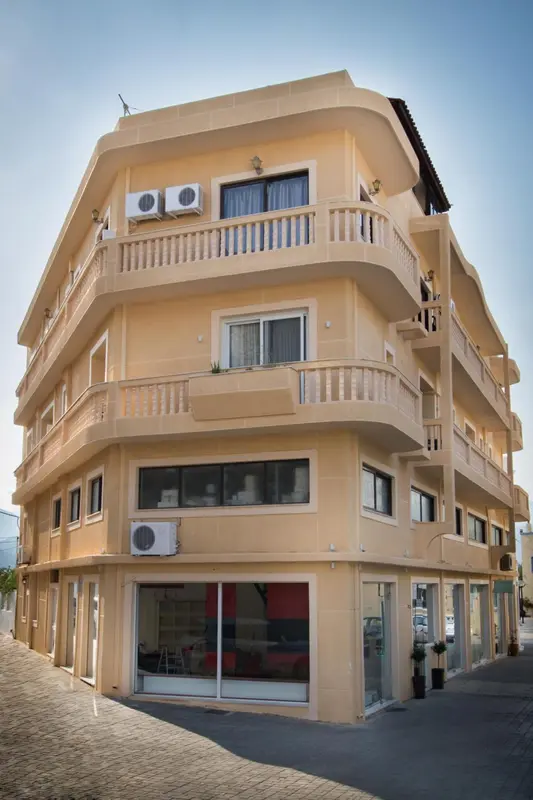
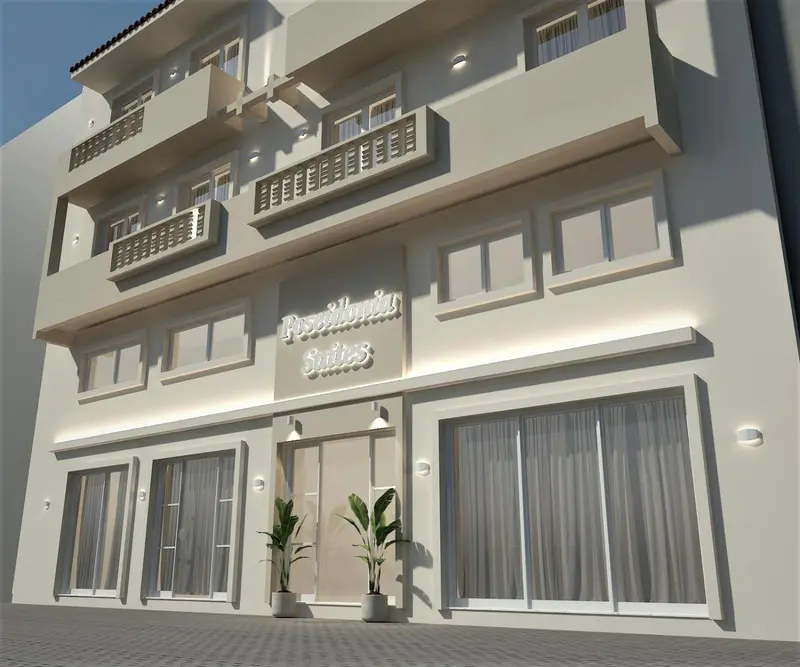
Pigadia works best as a fixed land base, with nearby shore dives mixed with boat days towards the eastern and southern coasts. Allow seven to ten days so that several outings can be combined with a weather reserve, rather than trying to compress every exposed site into a short break. Accommodation near the harbour may allow walking to the centres, while a car or taxi opens up the rest of the island. Non-divers have beaches, snorkelling, mountain villages, walking and boat excursions to fill the gaps.
Hello, I'm Marina, DivingDeal.com's AI assistant. I guide you through destinations, areas and countries.
Thinking about the whole trip and the flights? Talk it over with Edith →
Marina is an AI. Some links are affiliate links: DivingDeal may earn a commission, at no extra cost to you. Bookings are made with the partner.
Choose late spring through early autumn for the main diving period, with June or September offering a balance of good visibility, reliable centre and boat operations, and less holiday traffic than July or August. Keep wind and sea conditions in mind, since exposed outings can change, and fewer trips may run outside the main season.
Beginners can start with a straightforward Pigadia shore dive and settle into local conditions. Walls, caves and deeper formations call for suitable experience, buoyancy and depth training. Advanced certification or equivalent experience is useful, but you also need comfort with limited light, overhead environments and variable currents on exposed sites.
Karpathos offers rocky reefs, walls, arches, caves and accessible wrecks, with clear blue water and good visibility during the main season. Grouper, moray eels and spiny or slipper lobsters live around rocky shelter. Marine turtles, barracuda and a rare monk seal are possible seasonal or occasional encounters rather than expected sightings.
Use Pigadia as your base, combining nearby shore dives with boat trips toward the eastern and southern coasts. Keep a day flexible for wind or sea changes, and ask whether each outing is a wreck, cave, wall or reef dive. Arrange transport for beaches and remote sites, while non-divers can enjoy villages, walking and boat excursions.