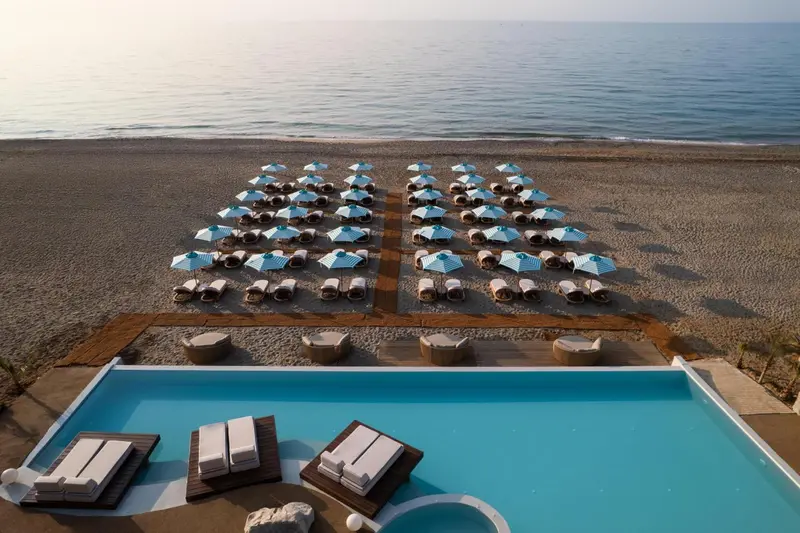
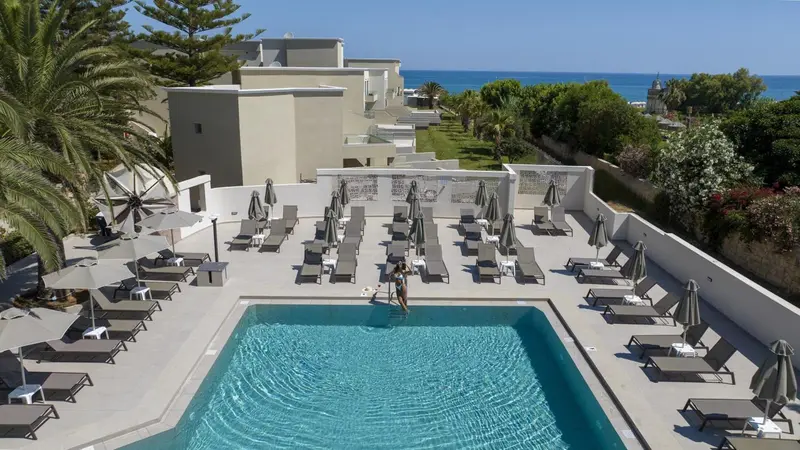
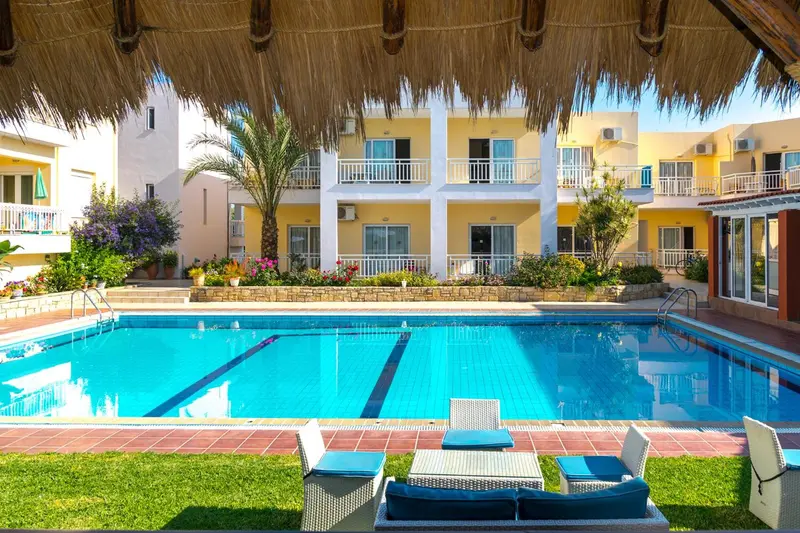
 Dive centre in the hotel
Evelin Hotel
★★
Google 4.8/5 (196 reviews)
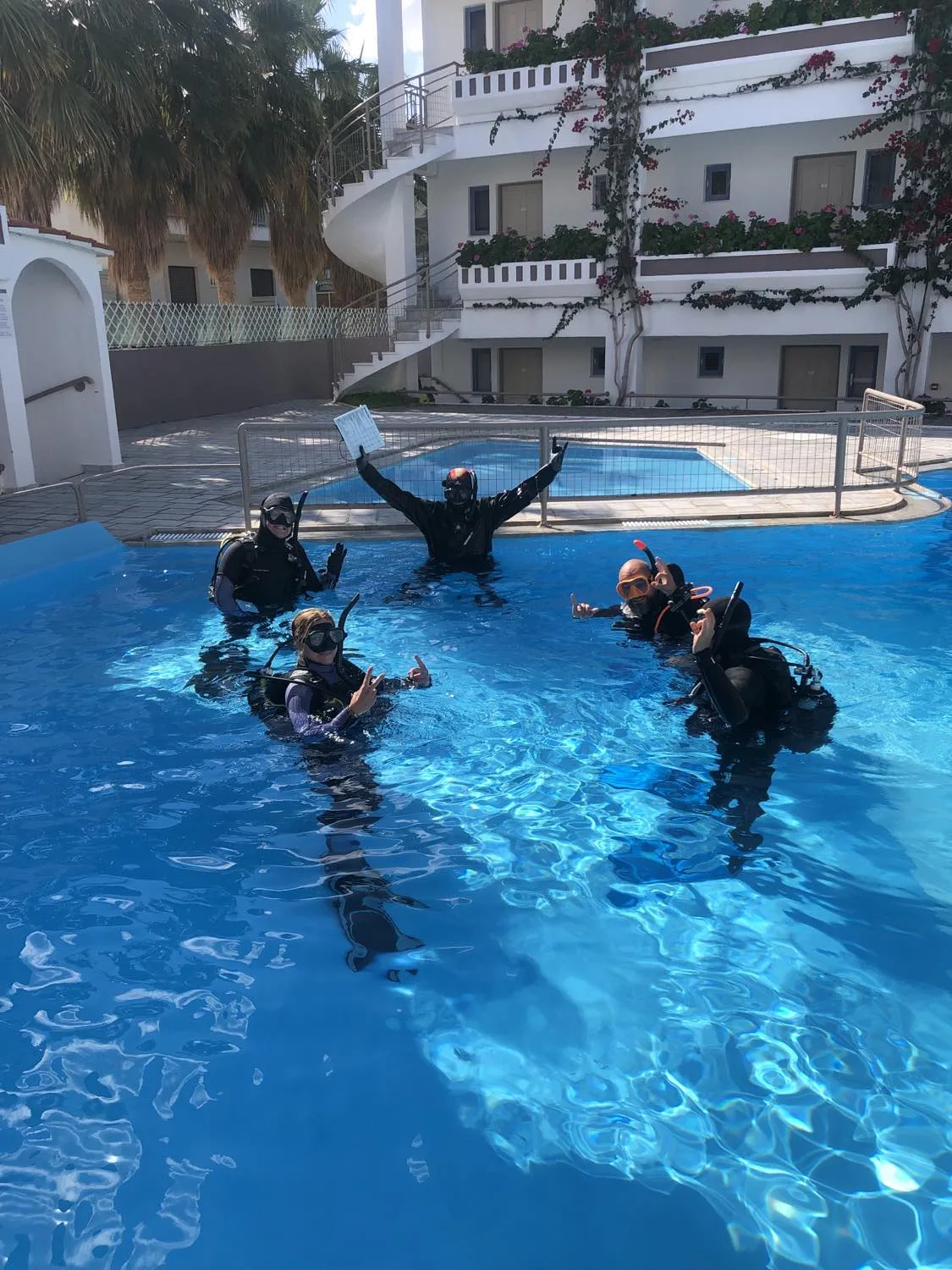
The dive centre
Evelin Dive Center
PADI
Google 4.8/5 (380 reviews)
Dives: Elephant cave, Zebra Garden, Nudies Cliff
Greece · Mediterranean
Rocky walls, Posidonia seagrass, shore-entry caverns and autumn barracudas give Rethimno a distinctly coastal style across northern and southern Crete
For subtitles in English: start the video firstthen click the gearat the top right of the video, select “Subtitles/CC”, then “Auto-translate” and choose “English”.
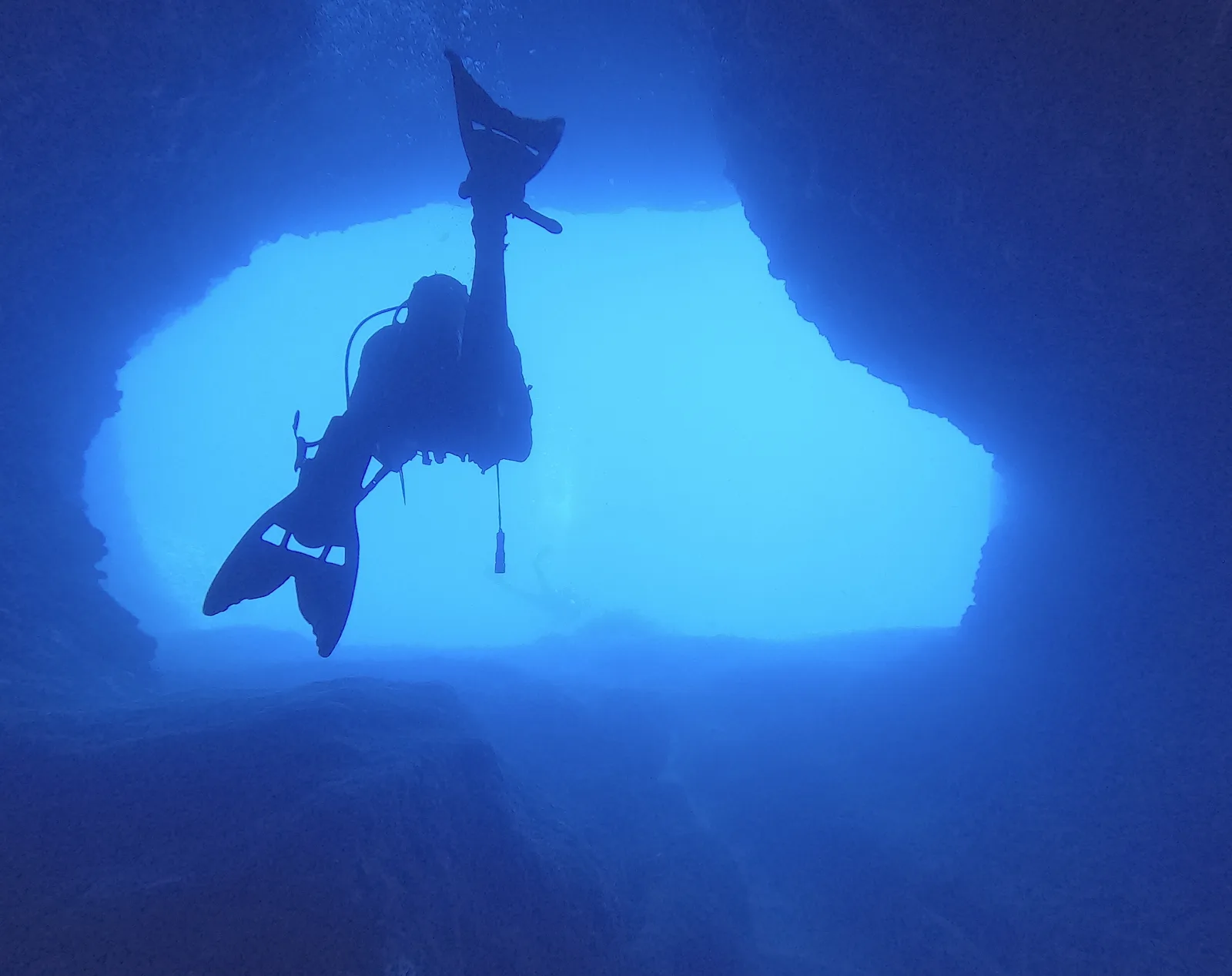
Rethimno works best as a land-based diving holiday rather than a liveaboard destination. From the town and nearby resorts, local centres reach rocky shore sites and short boat trips, while Bali and Panormo extend the northern and eastern choice. Plakias, Ammoudi and Damnoni open the southern coast when conditions suit. Underwater, expect rock, Posidonia seagrass, caverns, walls and a few accessible wrecks, with enough variety to keep a week interesting without making every day a major expedition.
The diving is mainly from the shore, supported by short boat runs to rocky reefs, walls, caverns, seagrass beds and occasional wrecks. Some sites stay shallow and straightforward, while the walls and cavities call for better buoyancy and a firm grasp of depth management. Currents are variable, so a quiet-looking entry does not guarantee a still dive. Visibility is often in the 15 to 30 metre range from June into October, although swell, coastal run-off and small-boat traffic can reduce it close to shore. The meltemi can make the northern coast less comfortable, which is why centres may switch to the south. A morning start is practical at popular beaches, before swimmers and leisure boats build up. There is no single harbour that organises the whole region, so the character of the outing changes with the coast and the weather.
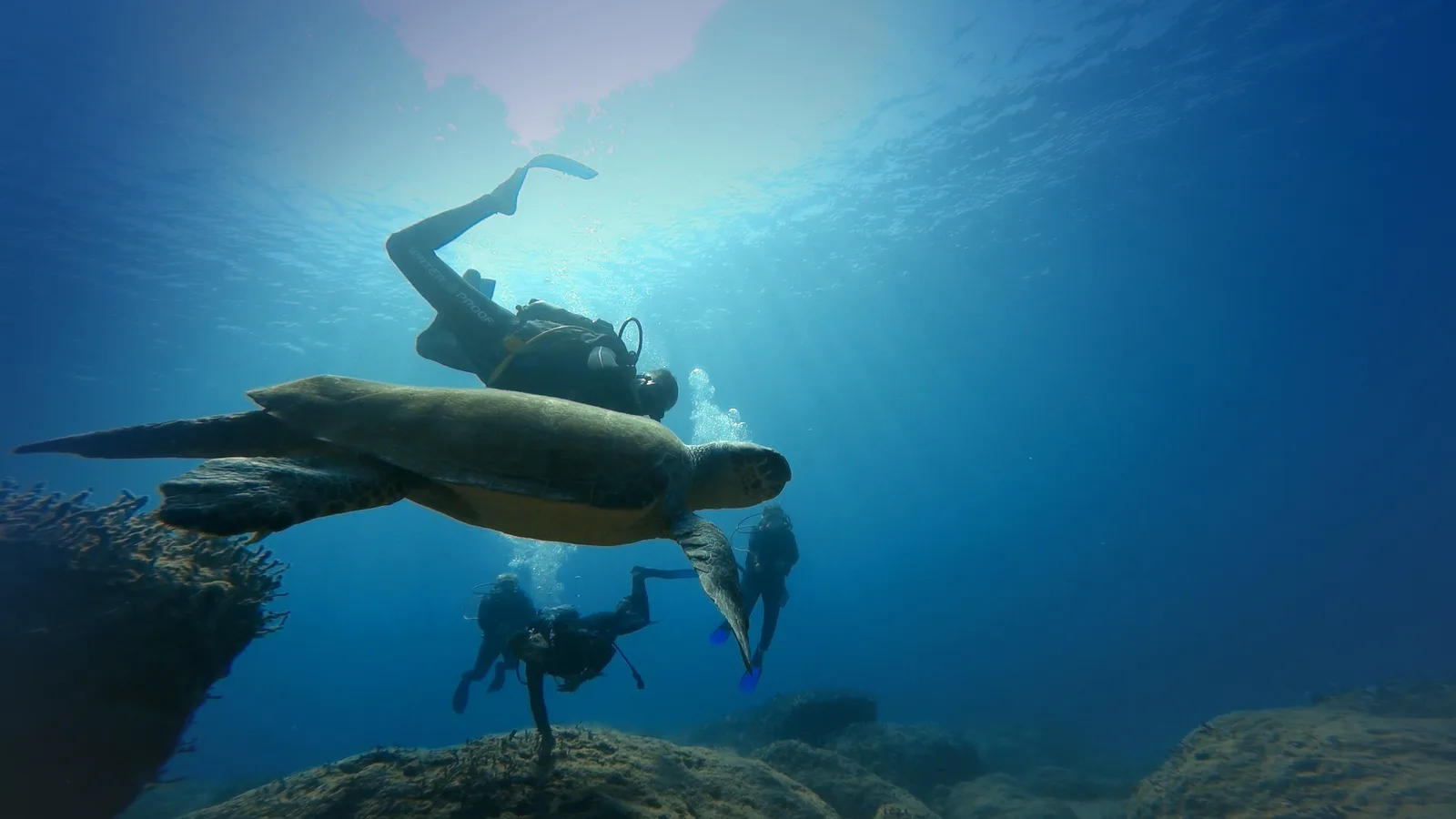
Rocky ground and Posidonia seagrass are the places to slow down. Look among the crevices for groupers, moray eels, octopuses and scorpionfish, with wrasse, salps and nudibranchs moving through or over the reef. The seagrass and rock suit close observation, particularly with a macro lens, rather than a fast swim across open sand. Seahorses are an occasional, rare find in September and October, so they reward patience rather than expectation. Barracudas are seen more regularly towards the end of September and during October, making autumn a sensible period for anyone hoping for a passing shoal. The wildlife is Mediterranean in character, with the interest often lying in small details and careful searching.
The local diving season runs broadly from spring until late October or early November. May, June, September and October are the useful compromise months: the sea is generally settled enough for varied plans, while the northern beach resorts are less crowded than in high summer. June to October usually brings the clearest water. July and August offer the calmest conditions and warmest water, but also more swimmers and pleasure craft around the popular beaches. September and October add the chance of barracudas, with rare seahorses in the same period. Keep some flexibility in the plan, because the meltemi can shift the better diving from the north to the south.
Rethimno suits beginners, qualified divers returning to the water and experienced divers who want walls or cavities without committing to a liveaboard. Shallow shore sites support training and uncomplicated dives. More demanding relief requires reliable buoyancy, sensible depth control and comfort with changing conditions. An Advanced Open Water qualification, or equivalent experience, is useful for deeper walls and more involved profiles. BSAC, PADI and SSI divers should check each site’s requirements rather than assuming that every cavern or wall is an entry-level dive.
From London Heathrow, Gatwick or Manchester, travel is arranged around a flight to Chania or Heraklion, followed by a road transfer to Rethimno or the chosen coastal base. Direct flights and connections vary with the departure city and season, so allow room for the onward journey rather than treating the flight as the end of the trip. The road leg usually takes around one to two hours, depending on the airport and where you are staying. Once there, some centres near Rethimno and its resorts can be reached on foot or by arranged transfer. Reaching Bali, Panormo or the southern bases around Plakias generally means hiring a car or booking road transport, particularly if you intend to change coast during the week.
Do not book the whole holiday around Rethimno’s northern waterfront. Decide first whether the priority is northern and eastern diving around Rethimno, Bali and Panormo, or repeated access to Plakias, Ammoudi and Damnoni, because the road transfers are significant. If staying in town, keep at least one day flexible for the southern coast when the meltemi affects the north. On busy beaches, ask for early departures, when swimmers and leisure boats are less intrusive. If you have the experience, ask specifically about a wall or cavern, but confirm the depth and site requirements before committing. Do not assume that the quoted visibility will hold close to shore after swell or coastal run-off. In autumn, mention barracudas when discussing the plan. A macro camera is worthwhile for Posidonia and rocky crevices, where the small life is easier to find than on bare sand.
Allow seven to ten days if you want to combine Rethimno with Bali or Panormo and still spend time around Plakias, Ammoudi or Damnoni. Staying near Rethimno keeps northern departures simple, while Plakias makes several southern diving days less tiring. A car or pre-arranged transfer is useful for crossing between these areas. Non-divers have plenty to do on land, from the old town and its Venetian and Ottoman heritage to villages, gorges, archaeological sites and the beaches of the southern coast.
Hello, I'm Marina, DivingDeal.com's AI assistant. I guide you through destinations, areas and countries.
Thinking about the whole trip and the flights? Talk it over with Edith →
Marina is an AI. Some links are affiliate links: DivingDeal may earn a commission, at no extra cost to you. Bookings are made with the partner.
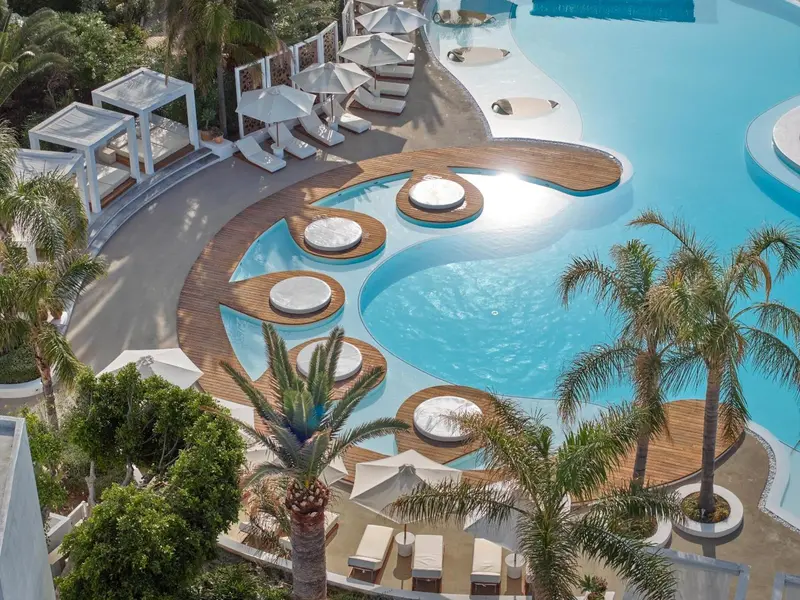
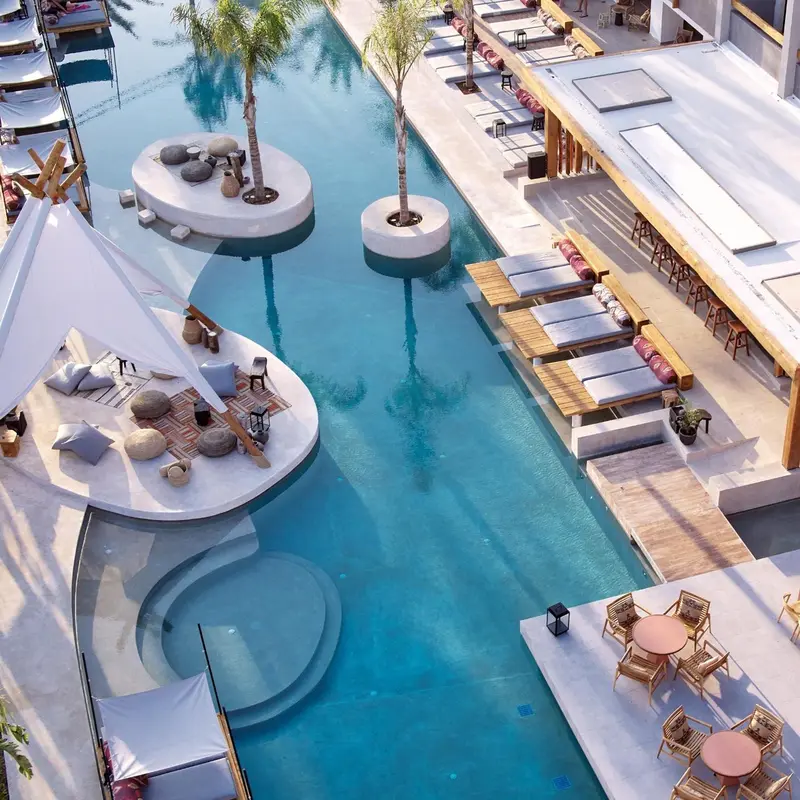
In each one, the dive centre is inside the hotel: step out of your room and go diving.
Dive centre in the hotel★★
Google 4.8/5 (196 reviews)
The dive centre
Evelin Dive Center
PADI
Google 4.8/5 (380 reviews)
Dives: Elephant cave, Zebra Garden, Nudies Cliff
Rethimno’s diving season runs from spring until late October or early November. May, June, September and October offer useful balance between settled conditions and fewer beach crowds. June to October usually brings clearer water. July and August have warm water and calmer conditions, while autumn adds more chances of barracudas.
Rethimno suits beginners, qualified divers returning to the water and experienced divers. Shallow shore sites support training and uncomplicated dives. Walls and cavities require reliable buoyancy, sensible depth control and comfort with changing conditions. An Advanced Open Water qualification or equivalent experience is useful for deeper walls and more involved profiles.
Rethimno offers rocky reefs, walls, caverns, Posidonia seagrass and a few accessible wrecks. Look closely in crevices for groupers, moray eels, octopuses, scorpionfish, wrasse, salps and nudibranchs. Seahorses are an occasional find in September and October, while barracudas appear more regularly towards late September and October.
Plan Rethimno as a land-based holiday, choosing whether to focus on northern and eastern sites around Rethimno, Bali and Panormo, or southern bases near Plakias, Ammoudi and Damnoni. A car or arranged transfer helps between coasts. Keep plans flexible for the meltemi, ask about early departures, and confirm site requirements.