
Azure Diving Center
Google 5/5 (274 reviews)
Greece · Mediterranean
Rocky coves around Platanitsi, shore dives to sheltered shallows, boat trips towards 30 metres, and 10 to 20 metres of Greek visibility from a beach base.
For subtitles in English: start the video firstthen click the gearat the top right of the video, select “Subtitles/CC”, then “Auto-translate” and choose “English”.
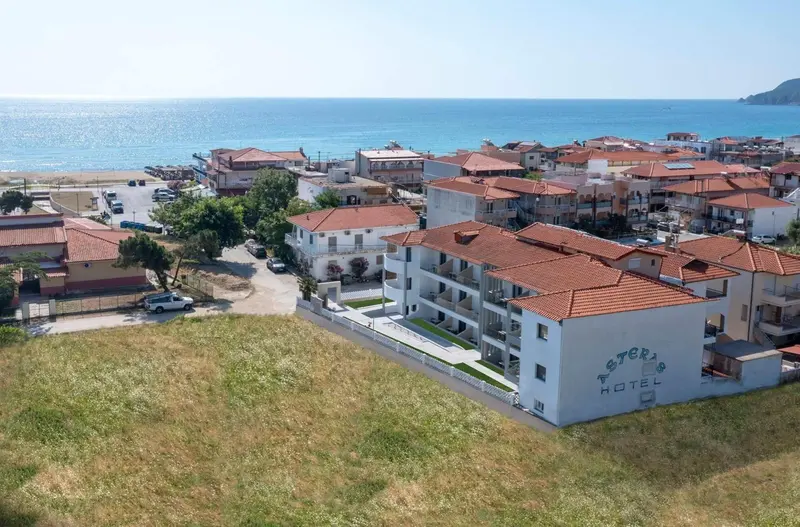
At around 30 metres, rocky relief off Sithonia’s east coast gives Sarti its underwater shape. This is a shore-and-boat destination based in a proper Greek resort, not an isolated dive outpost. Platanitsi and neighbouring coves are within reach, while the long beach, walking routes and boat excursions give non-divers plenty to do. For divers, the appeal is straightforward: a fixed base, manageable depths, and enough coastal variety to build a week around without turning the holiday into a liveaboard routine.
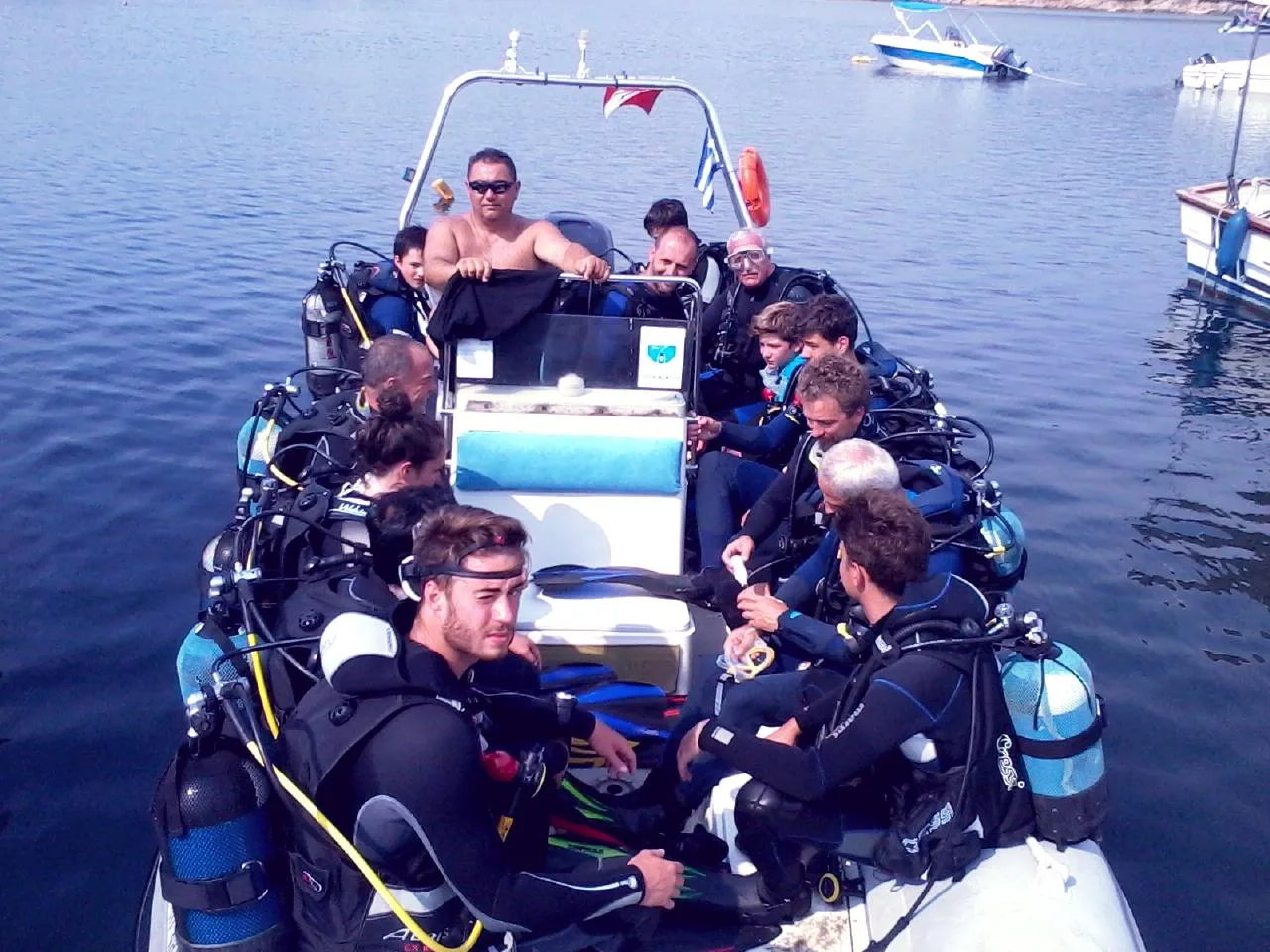
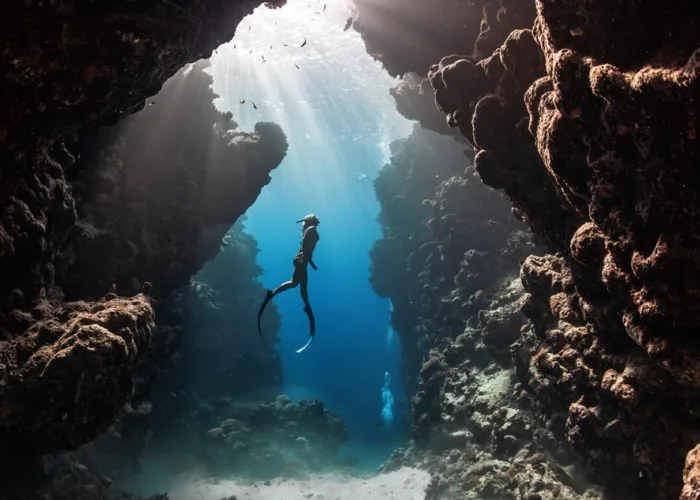
Sarti’s diving follows the eastern coast of Sithonia, where rocky coves and underwater relief replace the flat, open seabed found in some beach resorts. Platanitsi is a useful reference point, but the same base also opens towards Rodia, Manasu and Bahia. Some dives begin from shore, while others use a boat to reach neighbouring bays and deeper rock. Depths can reach approximately 30 metres, with visibility generally quoted at 10 to 20 metres. Currents are variable rather than a defining feature, so do not arrive expecting a standard drift dive, downcurrent run or technical profile. Ask before booking whether the plan is a shore dive or boat dive, and check the maximum depth as well as the entry. A sensible first outing is a shallow, sheltered site before moving on to deeper relief.
Marine life at Sarti is best treated as part of a rocky coastal dive rather than as a destination built around a named animal or a guaranteed seasonal encounter. The underwater interest lies in following the contours of the rock around Platanitsi and the neighbouring coves, with the changing depth and visibility shaping what you notice from one outing to the next. Rodia, Manasu and Bahia offer alternatives to the busy beach frontage, particularly when you want a quieter look at the coast. June through September is the practical diving season, but there is no established wildlife calendar to plan around. Come for the combination of rock, clear water and accessible profiles, not for a promised migration or biological spectacle.
June, July, August and September form the main diving season at Sarti, matching the period when Sithonia’s beach and boating businesses are operating fully. Visibility is generally around 10 to 20 metres, although the actual view depends on the site and the day. July and August bring the greatest beach traffic, especially around Platanitsi and other road-accessible coves. The beginning and end of the season should feel less crowded, while still offering the same coastal layout. There is no rainy season or monsoon pattern shaping the calendar, and no regular biological event dictates a particular month. Allow some flexibility in the programme because boat outings remain dependent on local conditions.
Sarti suits beginners, returning divers and autonomous divers who want uncomplicated coastal profiles rather than a specialist itinerary. A first dive can be kept shallow and sheltered, while experienced divers can ask for the deeper rocky relief, reaching approximately 30 metres. PADI, SSI and BSAC divers should find the level familiar, provided their certification and recent experience match the planned depth and entry. The variable current does not create a stated need for a specialist qualification, but normal comfort with shore entries, boat procedures and a safety stop matters.
From London Heathrow, London Gatwick or Manchester, the practical route is by air to Thessaloniki, followed by a road journey of roughly two to three hours. There is no direct flight or railway to Sarti, and no ferry is structurally required. By public transport, expect regional bus connections, including a change through Halkidiki’s bus station, so a tightly timed arrival is unwise. The road continues via Nea Moudania and Nikiti before following Sithonia’s eastern coast. The route through Vourvourou is the more direct approach; going via Neos Marmaras adds distance. In Sarti itself, the centre and seafront are compact enough for everyday walking, but a car or other independent transport is useful for Platanitsi and the more distant coves.
Clarify the format of every booking before you commit: ‘Sarti diving’ can mean a shore entry at a nearby beach or a boat trip to a different cove. Ask for the exact entry, maximum depth and transfer arrangements, rather than assuming that a site described online is walkable from the village. If Platanitsi, Rodia, Manasu or Bahia is your aim, arrange independent road transport and leave time for the coastal drive. Start with a shallow, sheltered dive if you are new to Sithonia, then use the later outings for deeper rock. To avoid the busiest beach periods, visit the more outlying coves outside the main swimming hours. Do not route the holiday through Neos Marmaras by mistake, and do not book a same-day flight connection after the return journey. The peninsula road and public-transport changes deserve breathing space.
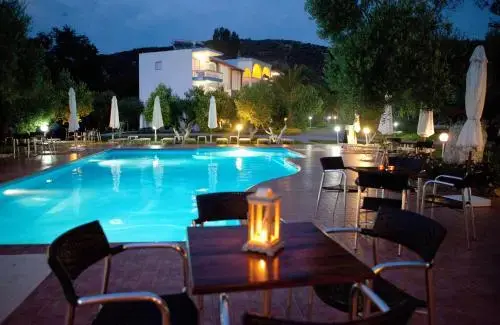
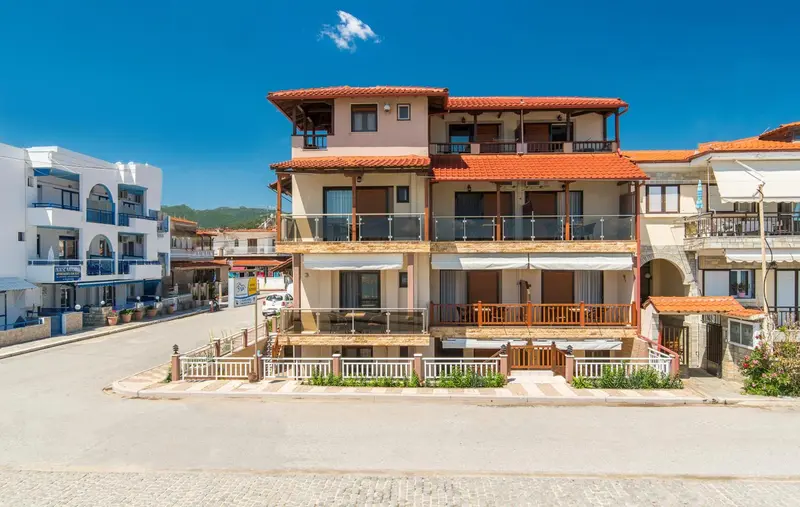
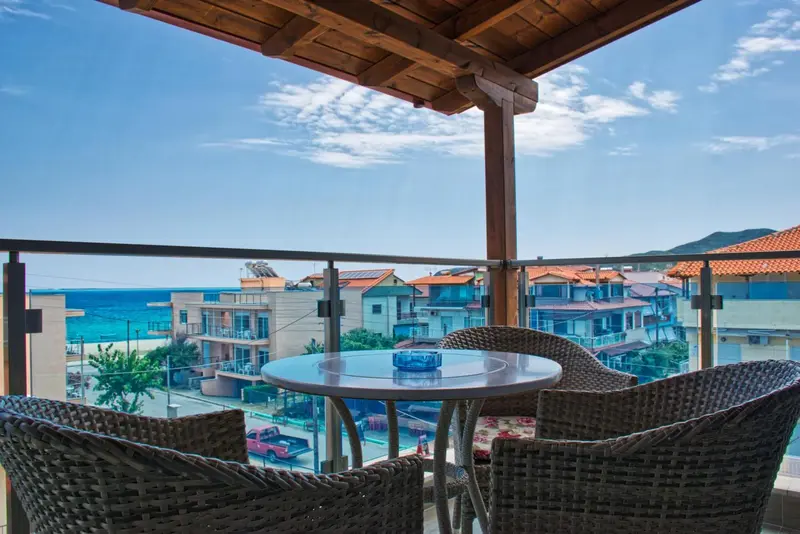
Plan on five to seven days, allowing several diving outings alongside the road journey and a day or two for Sithonia above water. Sarti works well as a fixed base, with accommodation around the centre and seafront close to everyday services and potentially close to diving arrangements. Keep at least one non-diving day for the long beach, a boat excursion, or a drive and walk through the wooded coastal landscape. The village is a resort, so an accompanying non-diver is not left with diving as the only activity.
Hello, I'm Marina, DivingDeal.com's AI assistant. I guide you through destinations, areas and countries.
Thinking about the whole trip and the flights? Talk it over with Edith →
Marina is an AI. Some links are affiliate links: DivingDeal may earn a commission, at no extra cost to you. Bookings are made with the partner.
June through September is the established diving window, when Sithonia’s beach and boating businesses operate fully. July and August bring more beach traffic, especially around Platanitsi and other accessible coves. The beginning and end of the season should feel less crowded, while visibility generally ranges from 10 to 20 metres.
Sarti suits beginners, returning divers and autonomous divers looking for uncomplicated coastal profiles. You can begin with a shallow, sheltered shore dive before trying deeper rocky relief reaching approximately 30 metres. Normal comfort with shore entries, boat procedures and a safety stop matters, while your certification and recent experience should match the planned dive.
You can explore rocky coves and underwater relief around Platanitsi on Sithonia’s eastern shore, with alternatives towards Rodia, Manasu and Bahia. Shore dives and boat trips reveal changing contours, depths and visibility, generally ranging from 10 to 20 metres. The appeal is rocky coastal scenery rather than a named animal or guaranteed wildlife encounter.
Use Sarti as a fixed base near the centre and seafront, then clarify whether each booking is a shore entry or boat trip. Ask about the exact entry, maximum depth and transfers. Allow time for road journeys to Platanitsi and other coves, and keep a non-diving day for the beach, boat excursions or coastal walks.