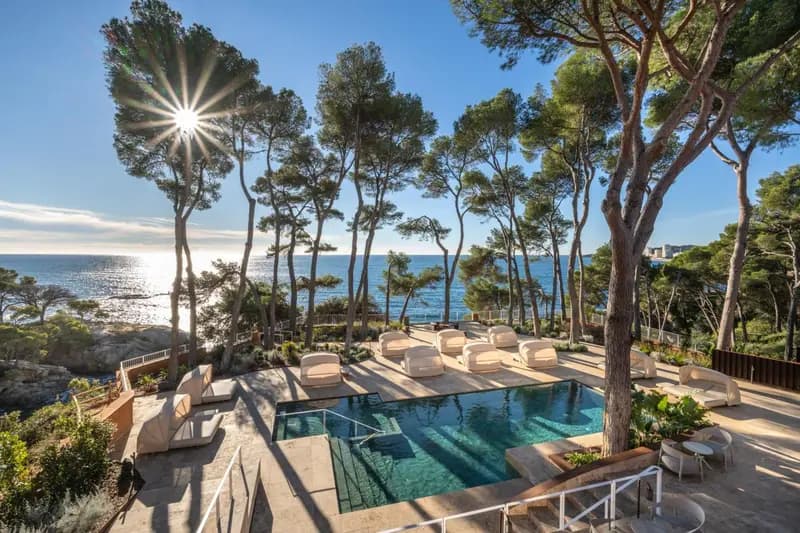
Hotel Cala del Pi - Adults Only
★★★★★
★ 9.5/10 (553 reviews)
5.4 km away as the crow flies
Dive centre · Palamós · Spain
4.7207 Google reviewsExplore the Mediterranean's rocky canyons and historic wrecks from the Port Marina de Palamós aboard the aluminium boat MANSABA.
For subtitles in English: start the video firstthen click the gearat the top right of the video, select “Subtitles/CC”, then “Auto-translate” and choose “English”.
Located in the Port Marina de Palamós, H2O Diving Center serves as a gateway to the diverse underwater topography of the Costa Brava. The centre is positioned just 100 kilometres from Barcelona and 30 minutes from Girona, making it a convenient base for divers exploring the Mediterranean coast.
The centre operates with a strong emphasis on marine biology and environmental awareness. As the official diving centre for the Philippe Cousteau Foundation 'Unión de los Océanos', the team integrates scientific understanding into their approach to the sea, focusing on both exploration and conservation.
The centre is directed by Mario Bofill Doutres, a professional diver and SSI instructor with a degree in biology. This scientific background informs the centre's approach to diving, particularly regarding the local marine ecosystems.
H2O is an SSI affiliated centre, providing a structured pathway for divers from their first breaths underwater through to professional-level certifications. The team is committed to environmental education, organising activities such as port clean-ups to foster respect for the marine environment.
H2O offers a comprehensive range of SSI training programmes. Beginners can start with introductory dives or work towards their Open Water Diver certification.
For those looking to progress, the centre provides various SSI specialties and Advanced Open Water Diver training. They also cater to professional ambitions, offering full Professional courses for those aiming to join the industry.
For offshore excursions, the centre operates the MANSABA, a sturdy aluminium boat with a capacity for 30 people. The vessel allows for easy access to the deeper reefs and wrecks of the region.
Shore dives are also a core part of the operation, particularly from Cala del Morro del Vedell. The centre ensures that all necessary kit is available at the beach, removing the need to carry heavy cylinders or navigate long distances on foot.
The shore-based facilities at the Port Marina de Palamós are designed for efficiency and diver comfort. You will find changing rooms equipped with showers, a dedicated area for desalinating and drying kit, and a classroom for theoretical instruction.
A technical service area is available on-site to handle equipment maintenance and servicing. The centre's location within the marina also provides easy access to parking for those travelling by car.
The Boreas is a significant wreck dive located just 5 minutes from the centre. This former German tugboat rests at 32 metres and serves as a thriving artificial reef.
Ullastres III offers a dramatic experience for those comfortable with depth, with a vertical wall that descends to 54 metres. The descent is lined with impressive red and yellow gorgonians.
Coves de Sant Feliu features three beautiful underwater tunnels and caves. These formations are easy to navigate and provide excellent opportunities to see groupers and lobsters among the rocky channels.
Llosa de Palamós is a versatile site suitable for all levels, ranging from 3 to 34 metres. The area is characterised by rocky canyons and sandy expanses, with the wreck of the El Cairo resting at the deeper end.
And some of the dive sites the centre runs.
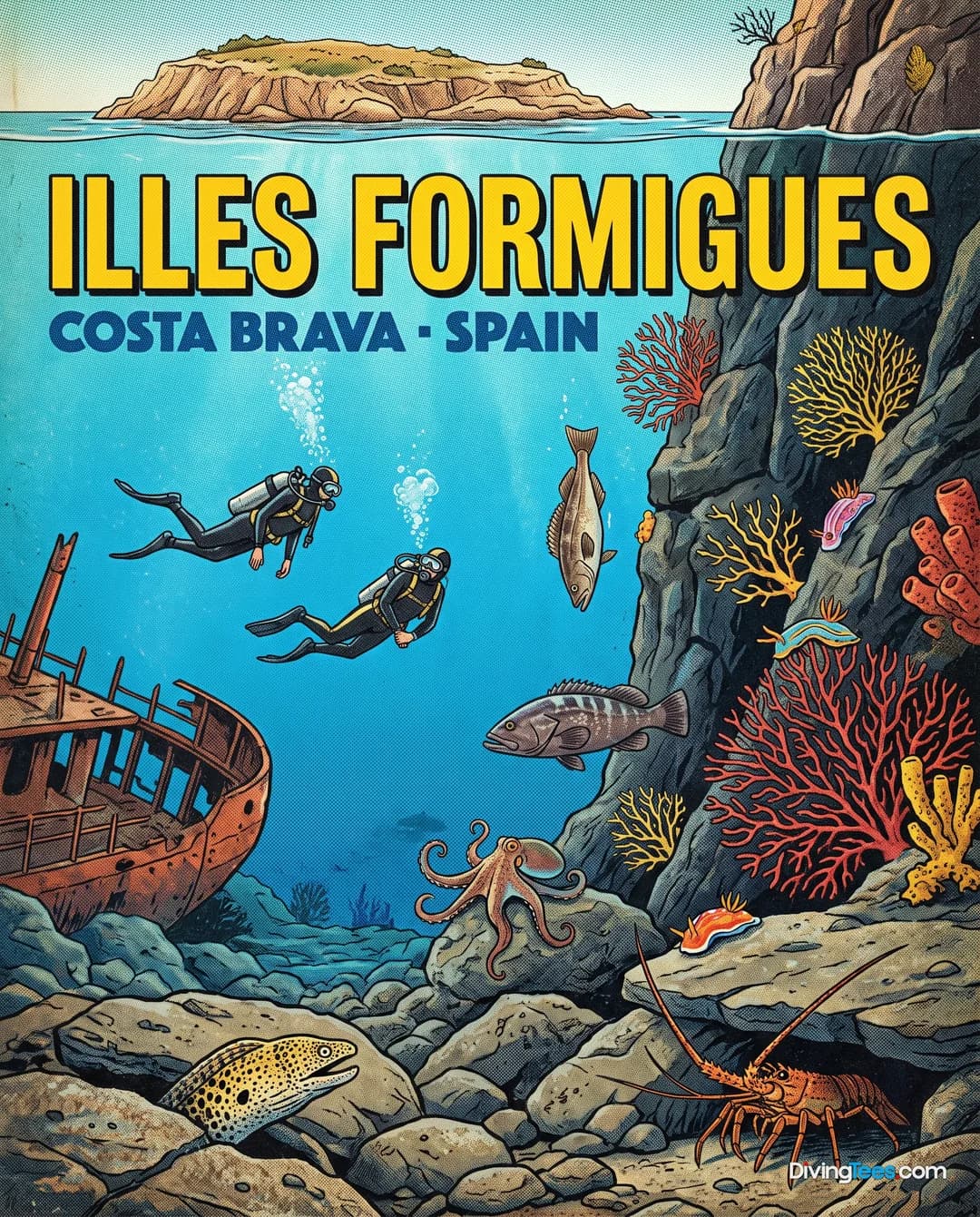
The rocky walls and canyons of the Costa Brava are defined by their rich gorgonian forests. You will find various Sea fan (Gorgoniidae) species alongside vibrant red and yellow gorgonians clinging to the vertical faces.
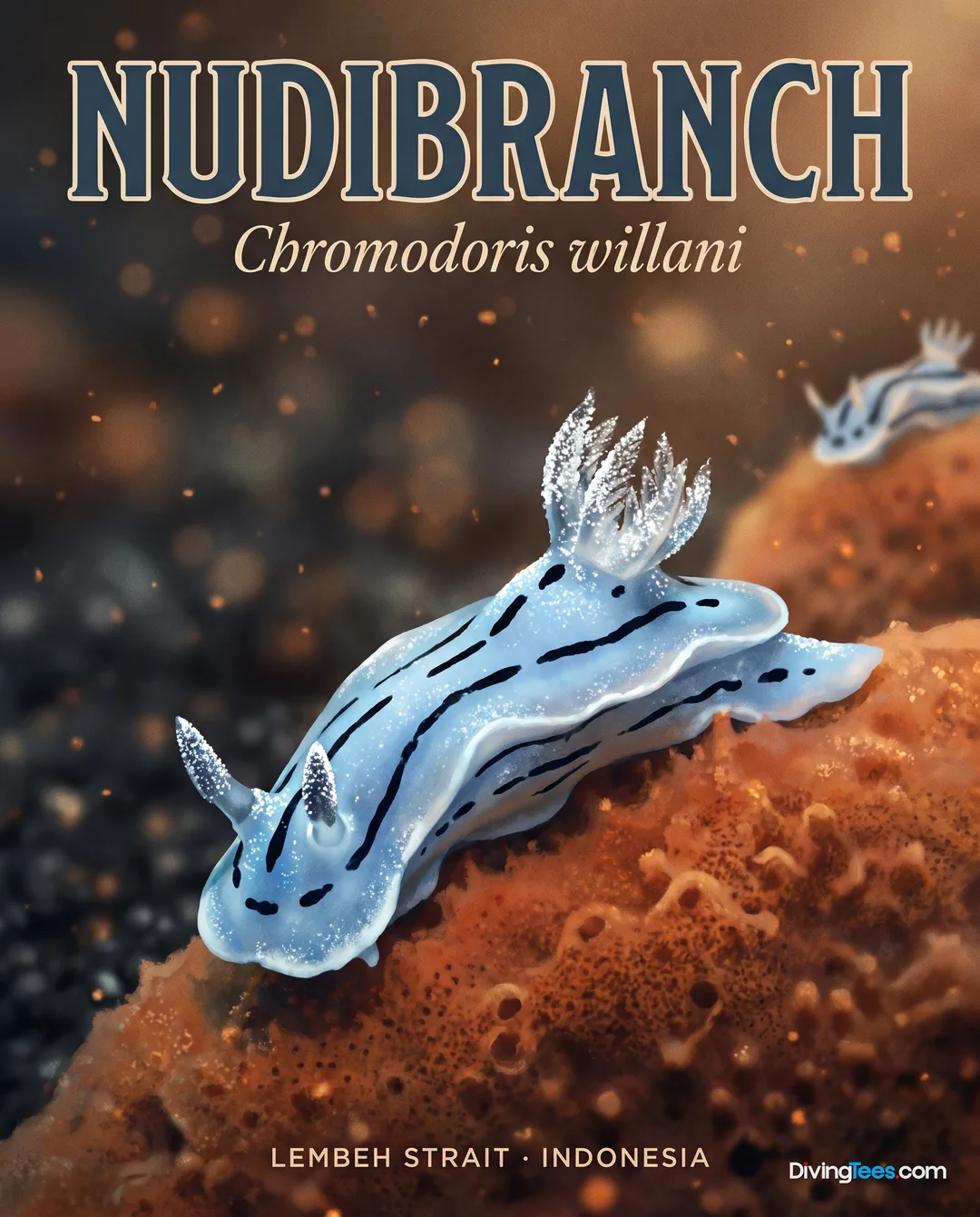
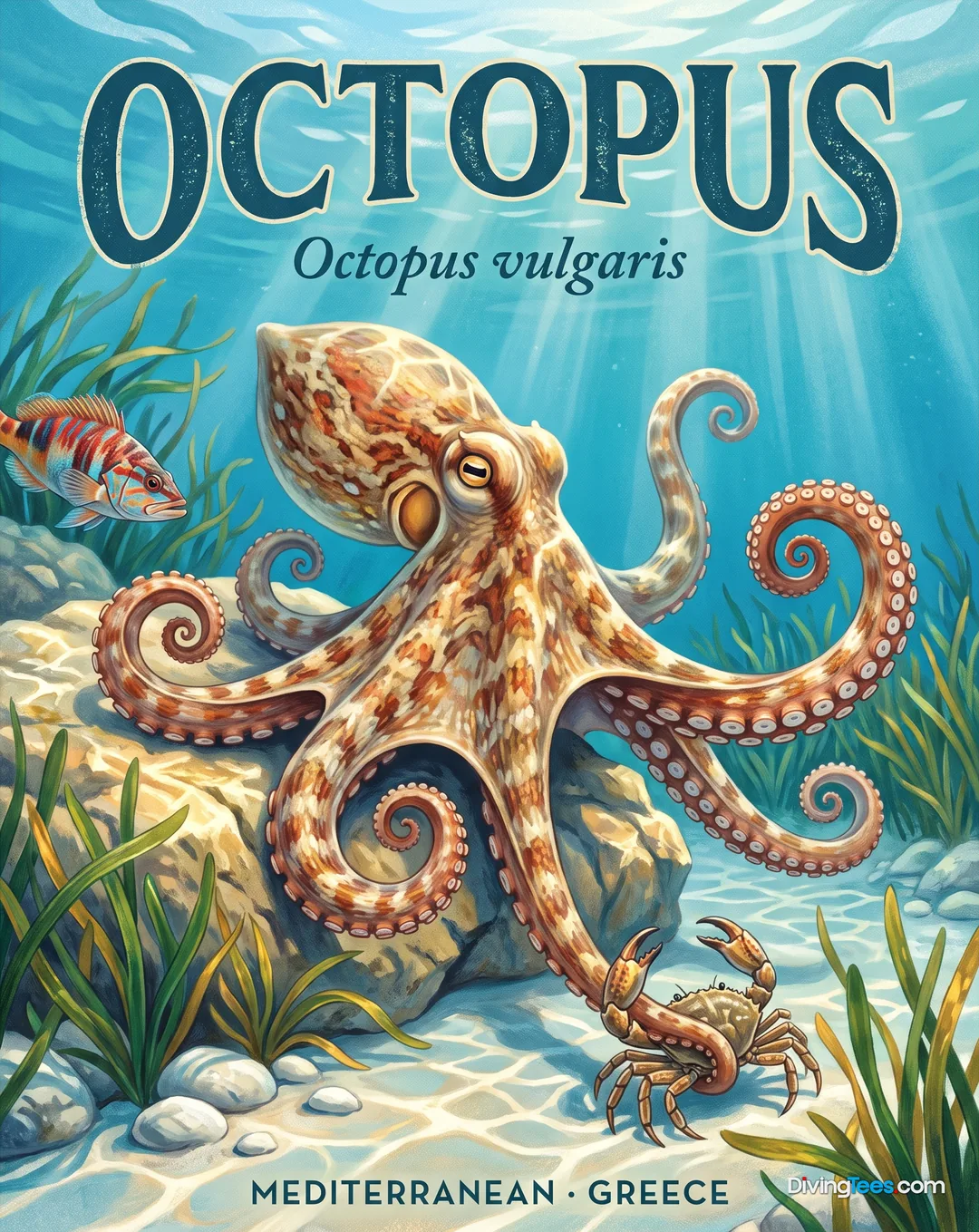
In the seagrass meadows and sandy patches, the macro life is abundant. Divers can encounter many species of octopuses, Moray eel (Muraenidae), and various sea slugs, including Nudibranch (Chromodoris willani). Spiny lobster (Palinuridae) and Lobster (Homaridae) are also frequently spotted among the crevices.
The larger pelagic and reef fish include Great barracuda, groupers (Epinephelus), and various species of seabream and sargues. In the deeper sections, you may encounter large schools of mojarras and castañuelas.
Seasonality plays a role in what you might see; during the winter months, anglerfish and Saint-Pierre fish become more common, while squid are frequently observed during night dives.
The area offers a variety of diving profiles, from shallow coves for beginners to deep offshore mountains. While many sites are accessible to all levels, the deeper walls and canyons often require more experience.
Night diving is a regular part of the local programme, particularly in the coves, where the nocturnal activity of species like squid can be observed.
Hello, I'm Marina, DivingDeal.com's AI assistant. I answer in detail about hotels, dive centres and liveaboards.

Thinking about the whole trip and the flights? Talk it over with Edith →
Marina is an AI. Some links are affiliate links: DivingDeal may earn a commission, at no extra cost to you. Bookings are made with the partner.
★★★★★
★ 9.5/10 (553 reviews)
5.4 km away as the crow flies
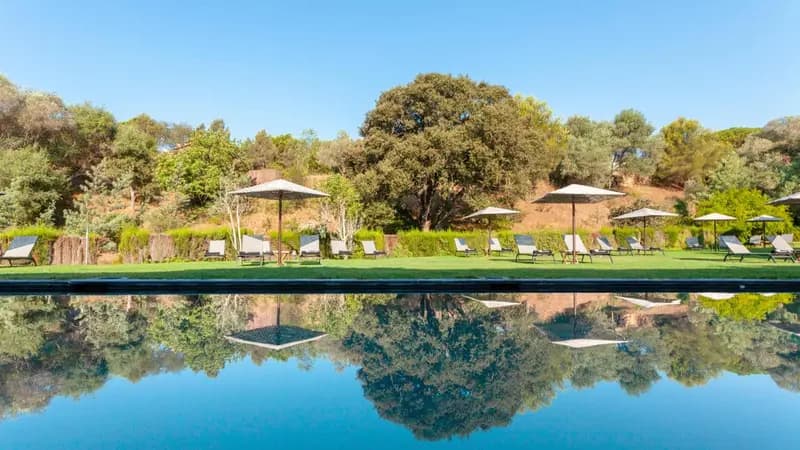
★ 9.4/10 (459 reviews)
7.4 km away as the crow flies
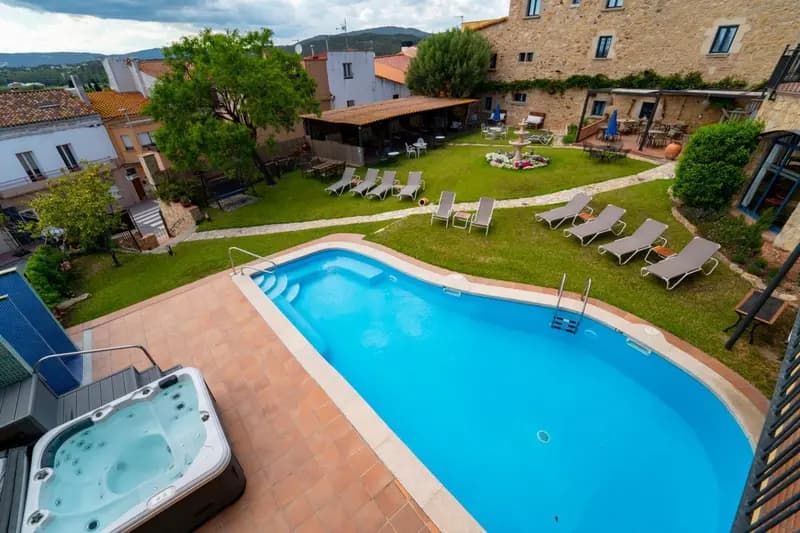
★★★
★ 9.5/10 (355 reviews)
less than 1 km away as the crow flies
★★★
★ 9.2/10 (765 reviews)
5.9 km away as the crow flies