
Poseidon Diving
Google 5/5 (1,065 reviews)
2.8 km away as the crow flies
Palamós · Spain · Mediterranean
Max. depth · 32 mIlles Formigues offers a varied dive profile, from shallow reefs teeming with nudibranchs to gorgonian-clad walls and deeper canyons housing lobsters and moray eels.
For subtitles in English: start the video firstthen click the gearat the top right of the video, select “Subtitles/CC”, then “Auto-translate” and choose “English”.
Diving Illes Formigues places you in a small reserve formed by a cluster of islets located between Palamós and Calella de Palafrugell, opposite Cap de Planes. This site offers distinct diving experiences depending on your heading and depth. The topography begins just below the surface, allowing for shallow explorations of the rocky formations that break the water, making it accessible from the first metres of descent.
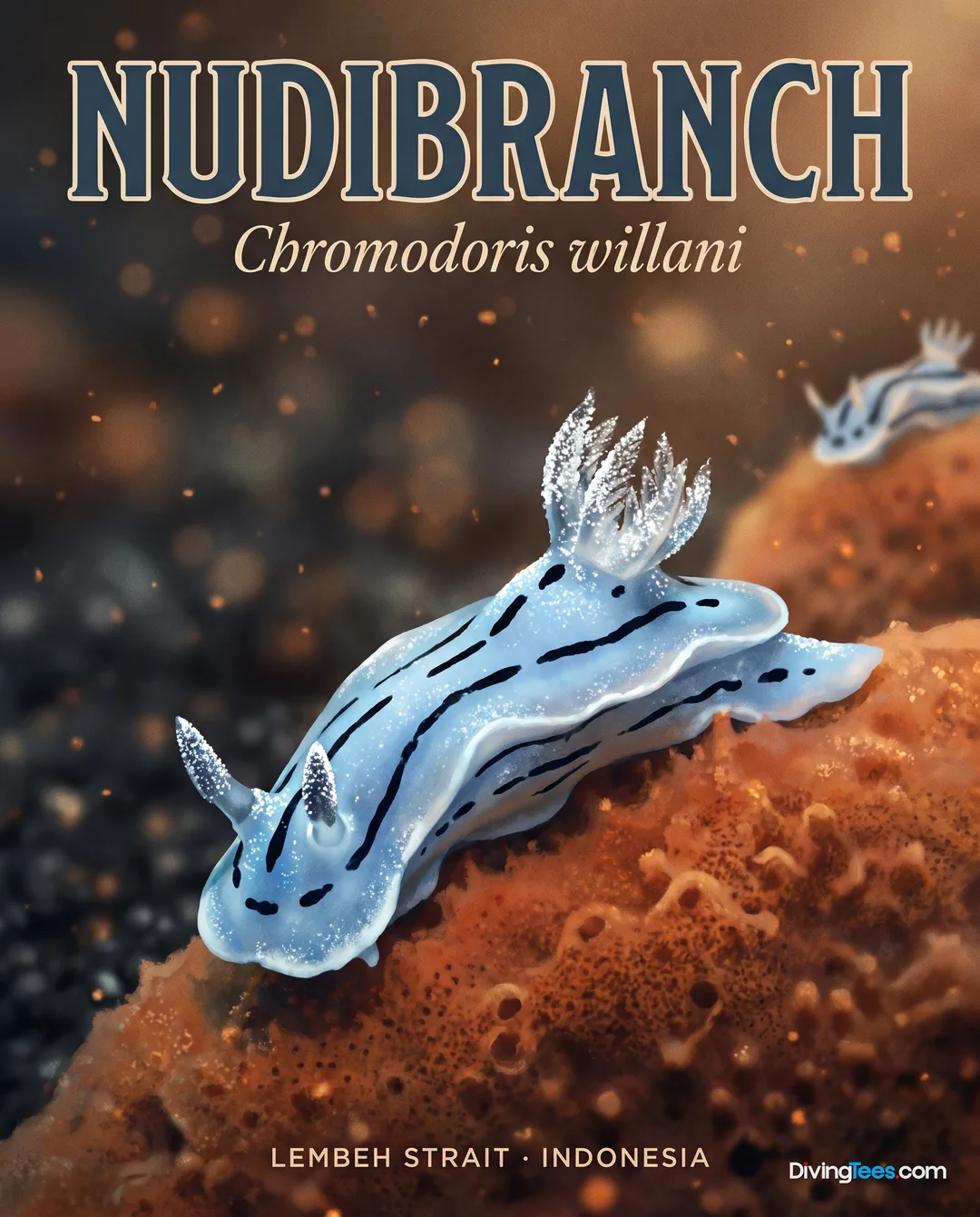
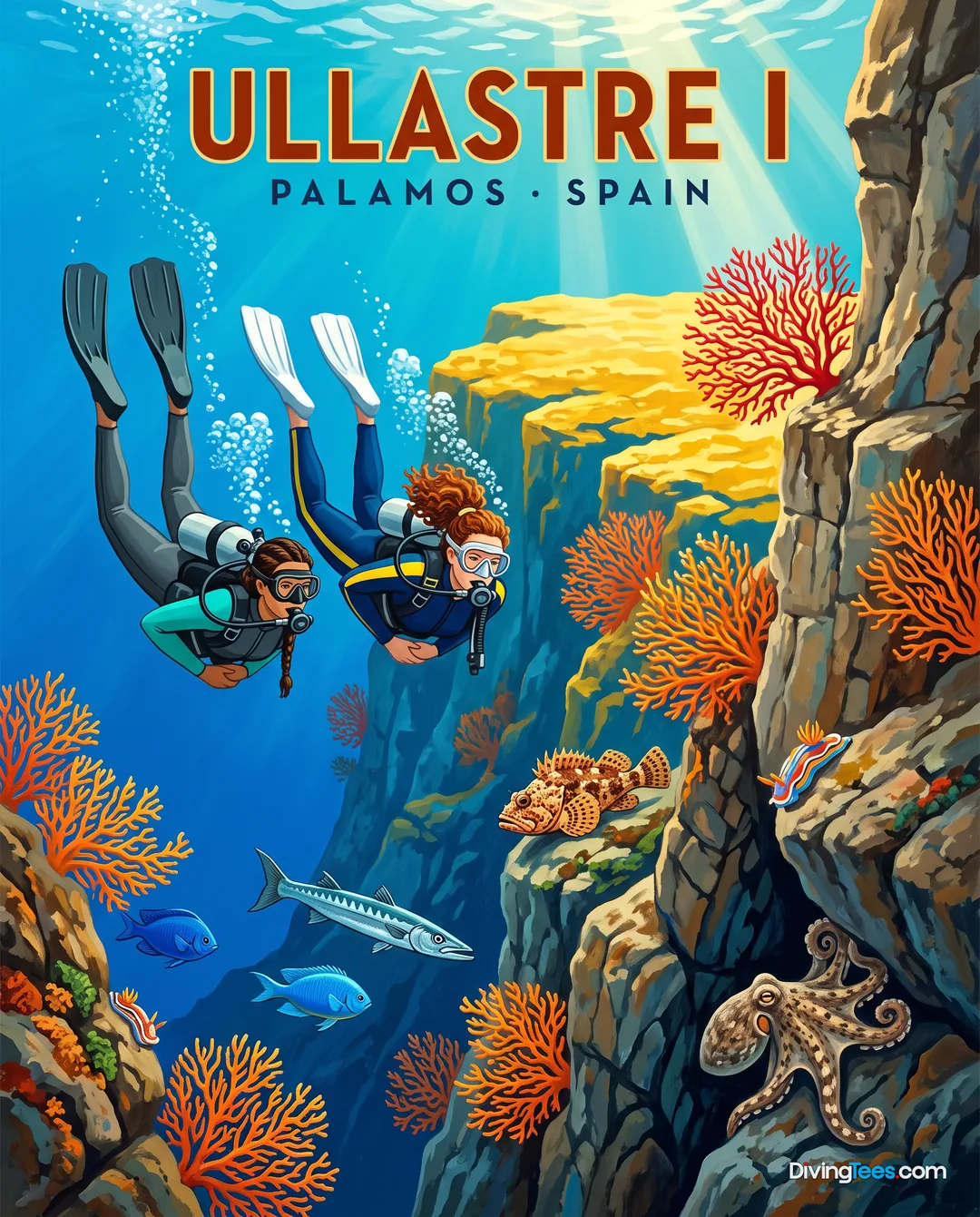
Heading northeast from the islets, you'll encounter a series of underwater canyons. These deep fissures are notably adorned with gorgonians, both red and yellow, creating vibrant underwater landscapes. As you follow the canyon walls deeper, you'll start noticing the resident fauna, including various nudibranchs that graze on the fixed life, and the occasional lobster tucked into crevices. This section offers a descent that rewards careful observation.
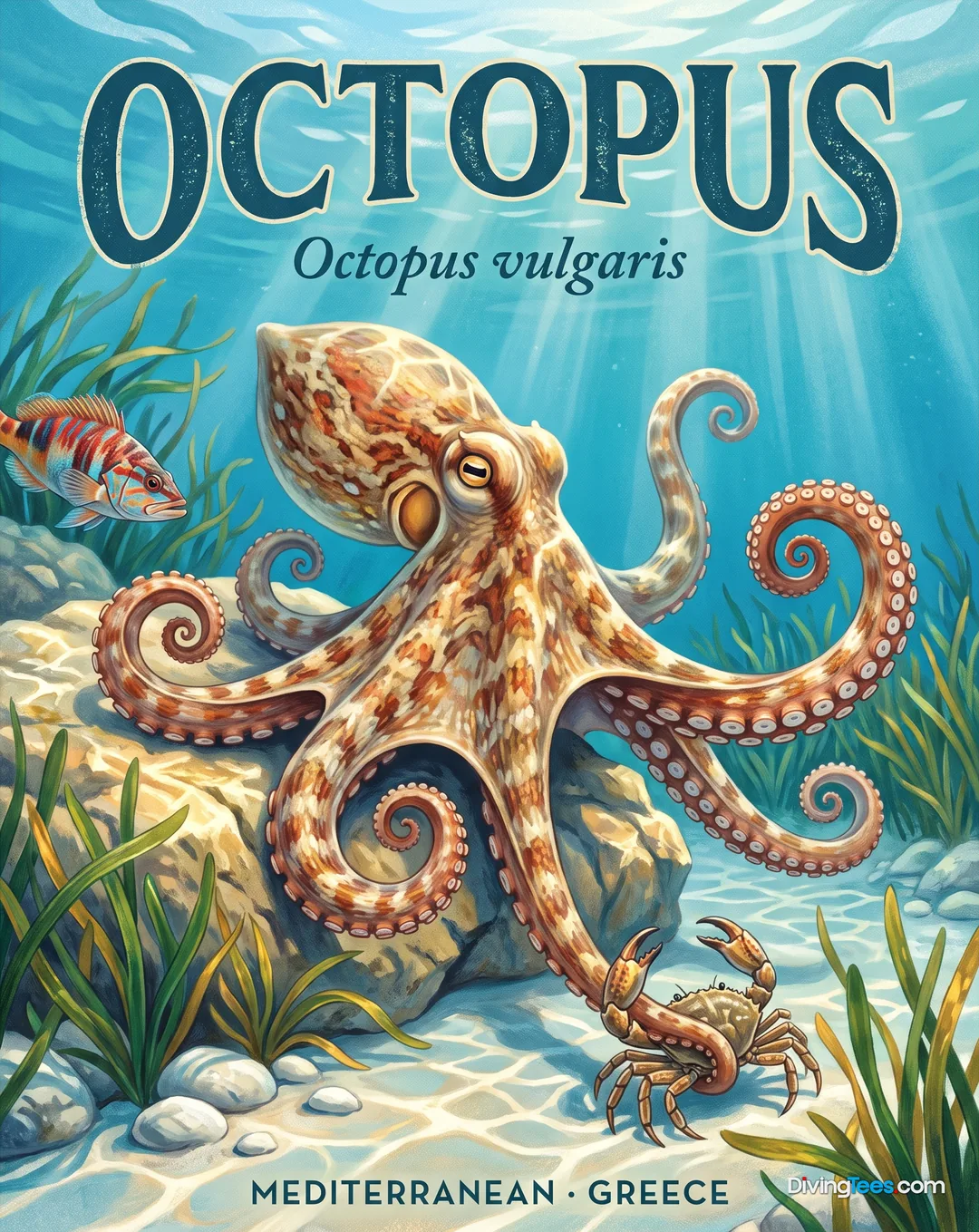
Further down in the canyons, typically from around 20 metres, the chances of encountering larger invertebrates increase. You'll often find octopuses camouflaged against the rock, and moray eels peeking from their rocky lairs. The depth in these northeastern canyons can extend to 32 metres, providing ample space to explore and observe the shift in marine life as the light changes with depth.
If you navigate towards the southwest of the islets, the landscape changes to reveal different canyons. These are generally wider and present a striking contrast of light and shadow, making them suitable for divers developing their navigation skills. While still rich in marine life, this side offers a more open feel compared to the narrower fissures found on the northeast, with similar opportunities to spot resident species.
Across the entire Formigues site, the rocky formations and small cavities provide habitat for a range of smaller marine animals. You'll find brótulas and lobsters sheltering in these protected spots, alongside various sea slugs and nudibranchs. The sheer density of macro-life makes this a rewarding site for those who enjoy taking their time to observe the intricate details of the reef.
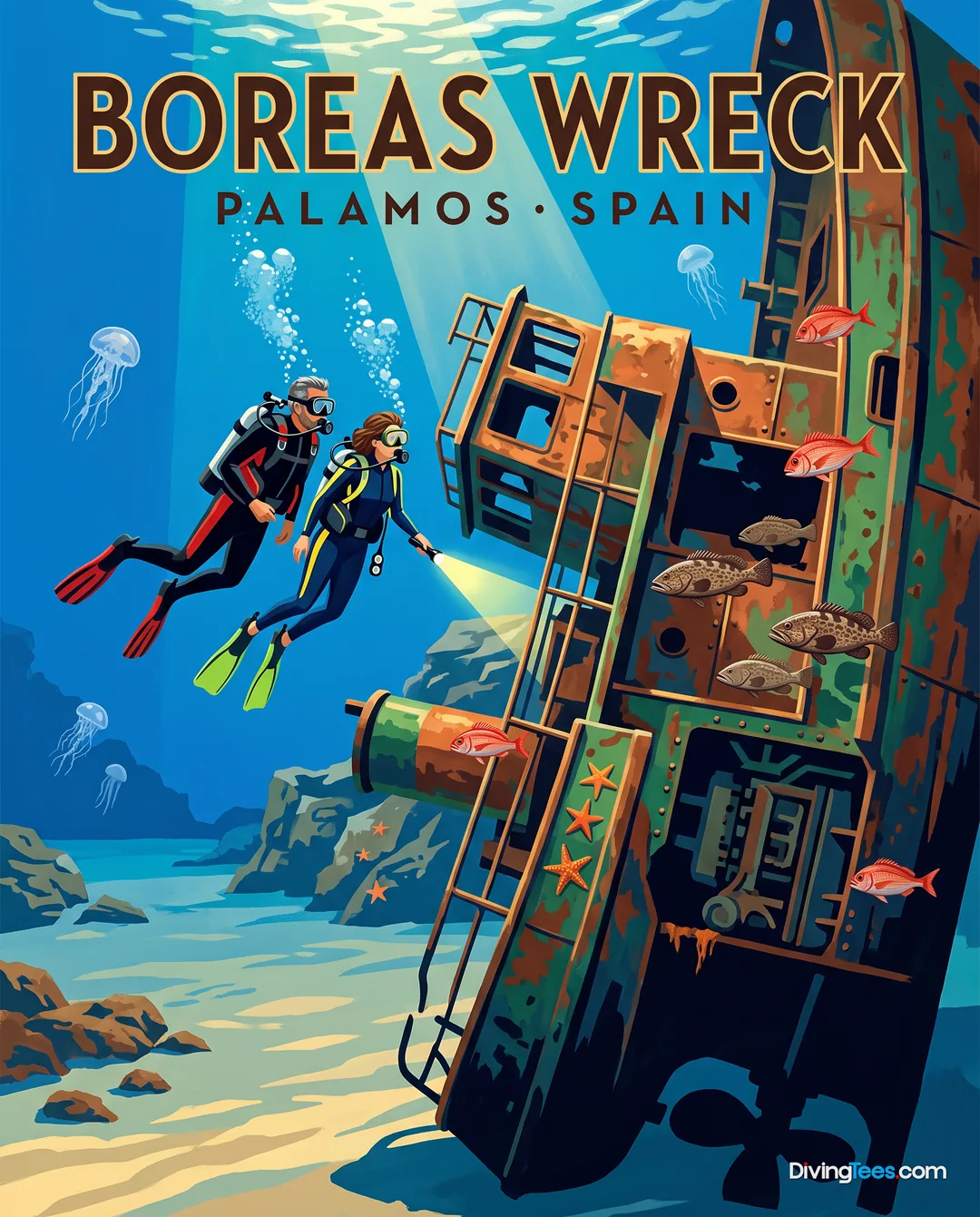
Beyond the natural reef, there is also a wreck located at approximately 10 metres depth, though details on its size or type are not extensively documented. This adds another layer of exploration to the site, particularly for those interested in mixed topography dives. The wreck structure itself is likely to host its own unique community of marine organisms, complementing the surrounding reef life.
Illes Formigues is accessible to all certification levels, with depths ranging from 3 metres near the surface down to 32 metres in the deeper canyons. This allows for tailored dive plans based on experience, from Open Water Diver exploratory routes to deeper forays for Advanced divers. Current is generally mild, but as with any site featuring islets and channels, it's prudent to be aware of local conditions. Visibility is typically good, allowing clear views of the extensive gorgonian fields and rock formations.
Illes Formigues is accessible to all certification levels. You can plan shallow exploratory routes from the first metres of descent, while Open Water Divers can follow suitable exploratory routes and Advanced divers can make deeper forays into the canyons. The site allows plans to be tailored to your experience.
Illes Formigues ranges from three metres near the surface to thirty-two metres in the deeper northeastern canyons. Shallow rocky areas are available for all diver levels, while the deeper canyon routes extend down to thirty-two metres. A wreck is also located at approximately ten metres.
Current at Illes Formigues is generally mild, but you should remain aware of local conditions around the islets and channels. The site includes northeastern canyons and wider southwestern canyons, with the latter offering a more open setting that can suit divers developing their navigation skills.
At Illes Formigues, you can explore underwater canyons, rocky formations, and extensive red and yellow gorgonian fields. Look for brótulas, lobsters, moray eels, nudibranchs, sea slugs, and octopuses camouflaged among the rocks. You can also visit a wreck at approximately ten metres and observe the resident marine life.