Coral Sea · Australia · Pacific
Max. depth · 40 mOsprey Reef, Coral Sea: Walls, Pelagics, and Remote Atoll Diving
Osprey Reef offers an unparalleled open-ocean atoll experience with sheer walls dropping to 1,000 metres and consistent pelagic encounters.
What makes this site special
- Sheer outer walls dropping to 1,000 metres
- Encounters with grey reef sharks and silvertip sharks
- Potential for hammerhead shark sightings
- Exceptional open-ocean visibility (30-60m)
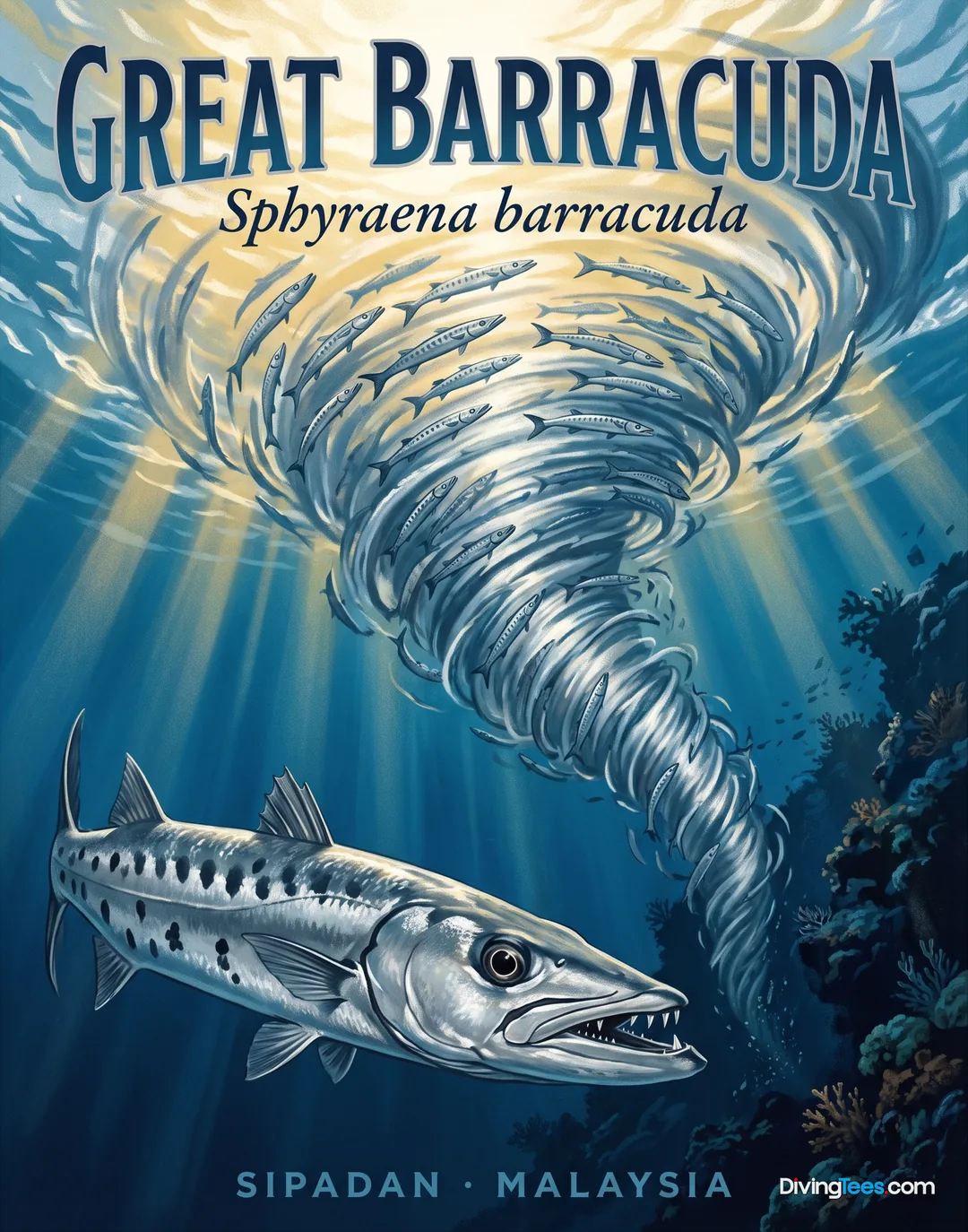
- Abundant pelagic fish life: tuna, trevally, barracuda
- Vibrant soft and hard coral gardens on walls
- Signature shark feed at North Horn
- Remote, liveaboard-only oceanic atoll experience
Osprey Reef about the site
Osprey Reef is a classic oceanic atoll, roughly oval in shape, rising from the Coral Sea. Unlike fringing reefs, this standalone structure features a relatively shallow lagoon, typically 30 to 50 metres deep, enclosed by outer walls that plunge vertically for over a kilometre. This dramatic underwater landscape creates a unique environment for pelagic encounters and offers diverse diving, from exposed promontories to sheltered sections of the wall. Approaching the reef, you immediately sense the scale of this open-ocean environment.
Diving Osprey Reef means exploring steep drop-offs and vertical walls that are adorned with a vibrant array of soft and hard corals. You'll find gorgonian fans and whips extending into the blue, flourishing in the nutrient-rich currents that sweep past the atoll. Specific areas like North Horn stand out as prominent features, acting as focal points for marine life congregation. The sheer face of the wall disappears into the depths, making every descent an exploration of a vast, vertical world.
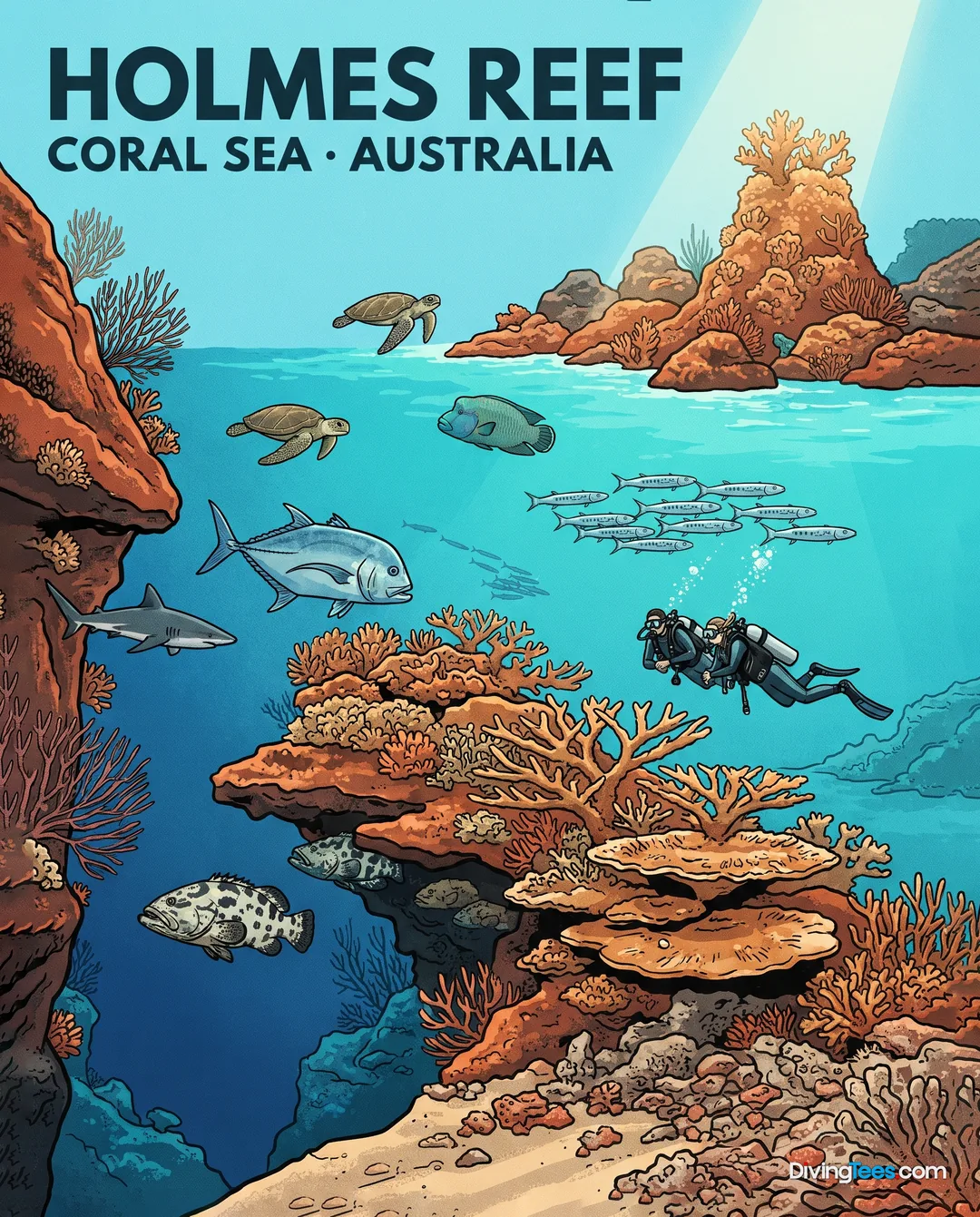
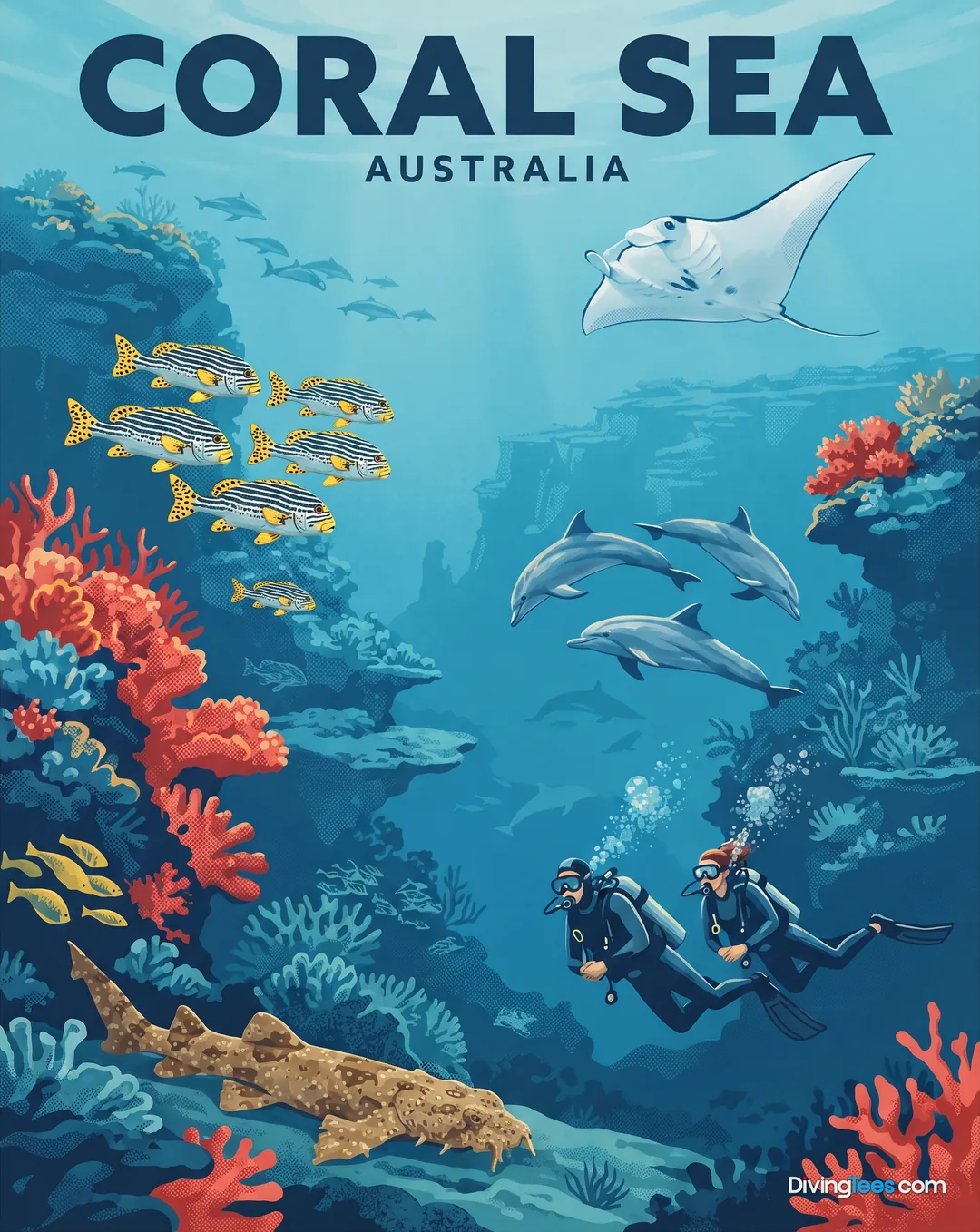
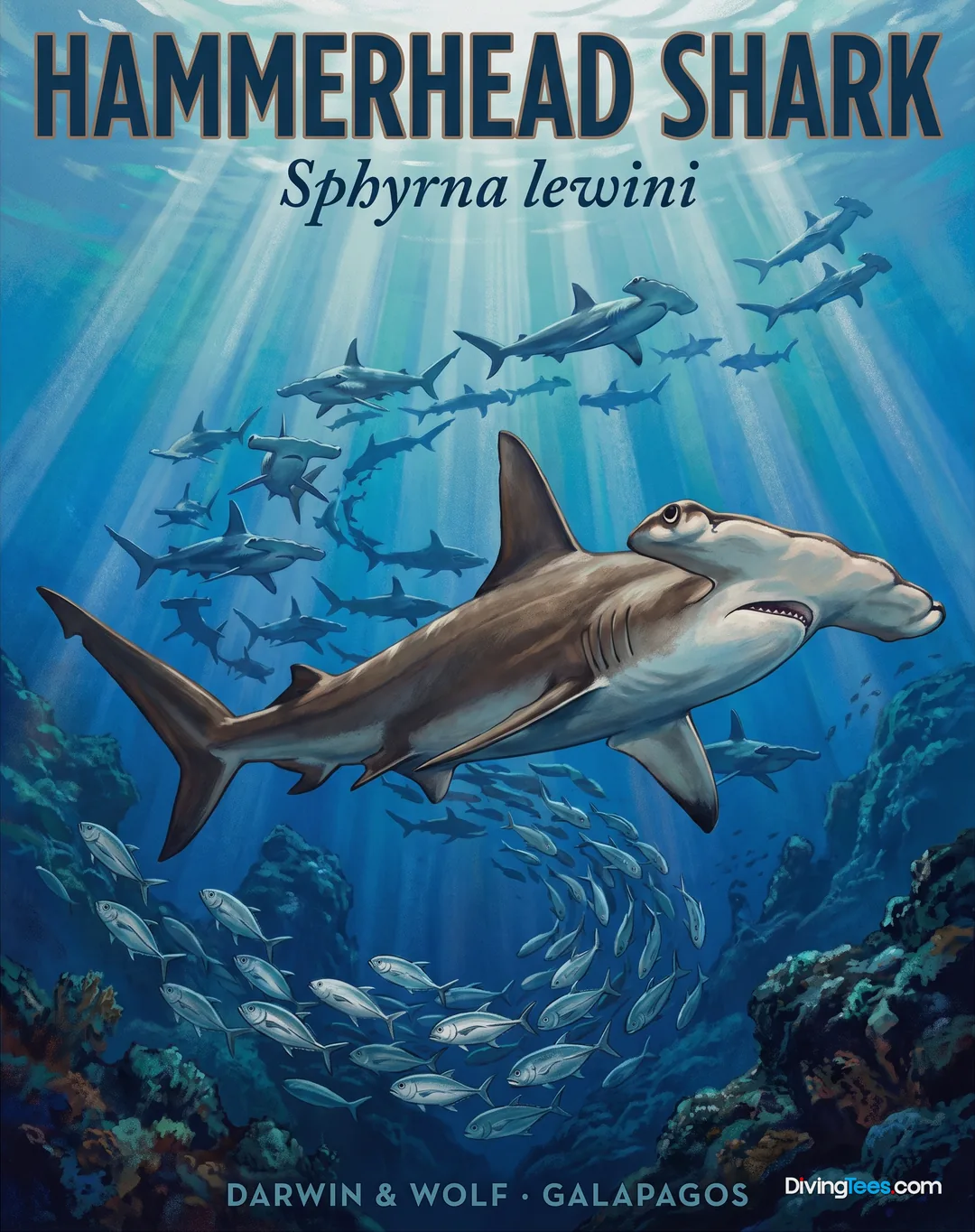
One of the defining characteristics of Osprey Reef is its abundant shark population. You'll routinely encounter grey reef sharks and whitetip reef sharks patrolling the reef edge. Silvertip sharks are also a common sight, often seen alongside schools of big-eye trevally and barracuda. For those seeking larger predators, there is the potential for hammerhead shark encounters, typically around deeper pinnacles or at the top of the seamount structures. The presence of these apex predators speaks to the health and richness of this remote ecosystem.
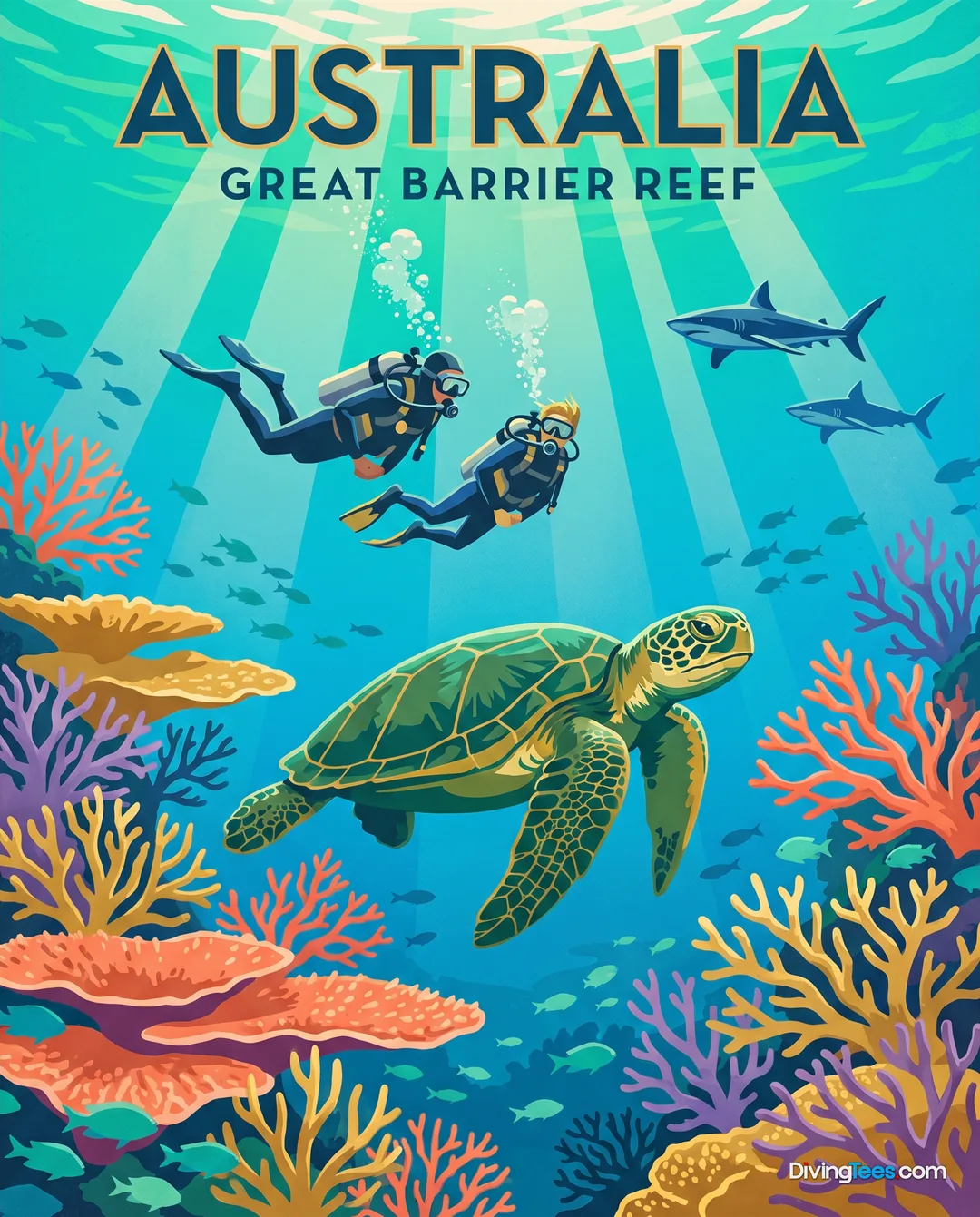
Pelagic action extends beyond sharks. Look out for green turtles gliding along the wall, and the occasional manta ray gracefully moving through the water column. Large schools of tuna and various trevally species are often seen hunting in the blue, drawn by the currents that bring in food. Black marlin are also known to frequent the area, particularly during certain seasons, adding to the excitement of an open-ocean dive. This constant movement of large fish is a hallmark of diving here.
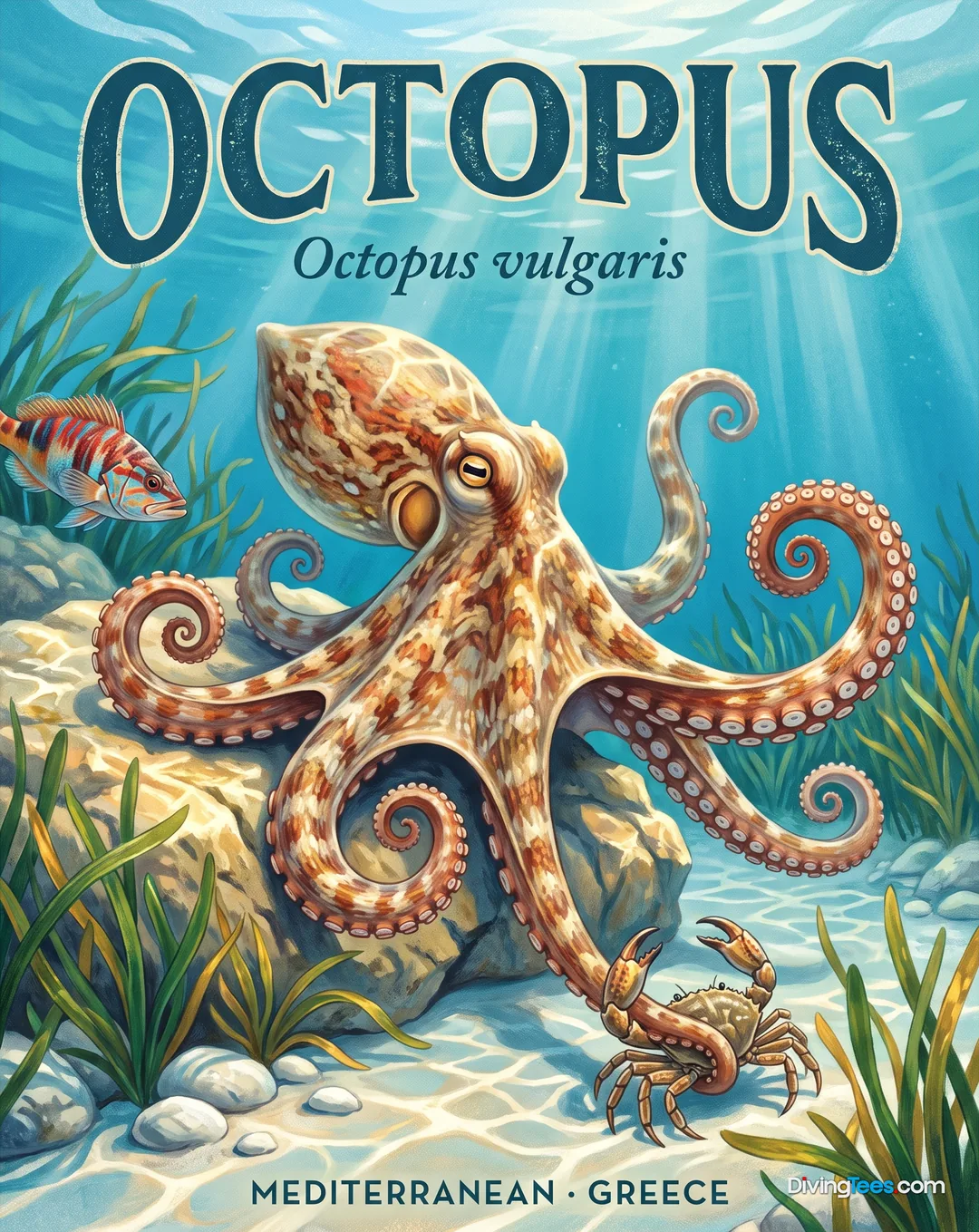
The reef structure itself provides refuge and hunting grounds for a variety of resident species. You'll find wobbegongs camouflaged on the reef floor and massive potato cod and Queensland groupers taking shelter in crevices. Bumphead parrotfish graze on corals, while red bass and sweetlips add splashes of colour to the reef. Moray eels peer from their dens, and if you have a keen eye, you might spot an octopus camouflaged against the coral. These diverse communities highlight the pristine nature of Osprey Reef.
North Horn is a signature dive, known for its shark feed. While feeds are conducted for specific purposes, they provide a reliable opportunity to witness dozens of reef sharks and silvertip sharks congregating in close proximity. This experience allows for observation of their natural behaviours in a controlled environment. The sheer volume of sharks present underscores the ecological significance of this location and offers a visceral reminder of the power of the open ocean.
Osprey Reef stands apart from the Great Barrier Reef due to its remote, oceanic atoll status. Its isolation contributes to the exceptional water clarity and the robust pelagic populations. The site is a liveaboard-only destination, meaning divers spend multiple days immersed in this environment, moving between different sections of the reef to experience its full diversity. This remote setting ensures a truly wild and untamed diving experience, far from coastal influences.
Diving Osprey Reef: the marine life you’ll meet


Diving conditions
Diving at Osprey Reef involves depths typically between 5 and 40 metres. Due to its remote location, deep walls, and the potential for strong, variable currents driven by open-ocean conditions, this site is reserved for Advanced Open Water divers. A minimum of 50 logged dives is recommended to comfortably handle the conditions. Visibility is consistently high, ranging from 30 to 60 metres. The best time to dive Osprey Reef is during the dry season, from April to October.