

Dive Academy Fiji
Google 4.7/5 (43 reviews)
4 km away as the crow flies
Taveuni · Fiji · Pacific
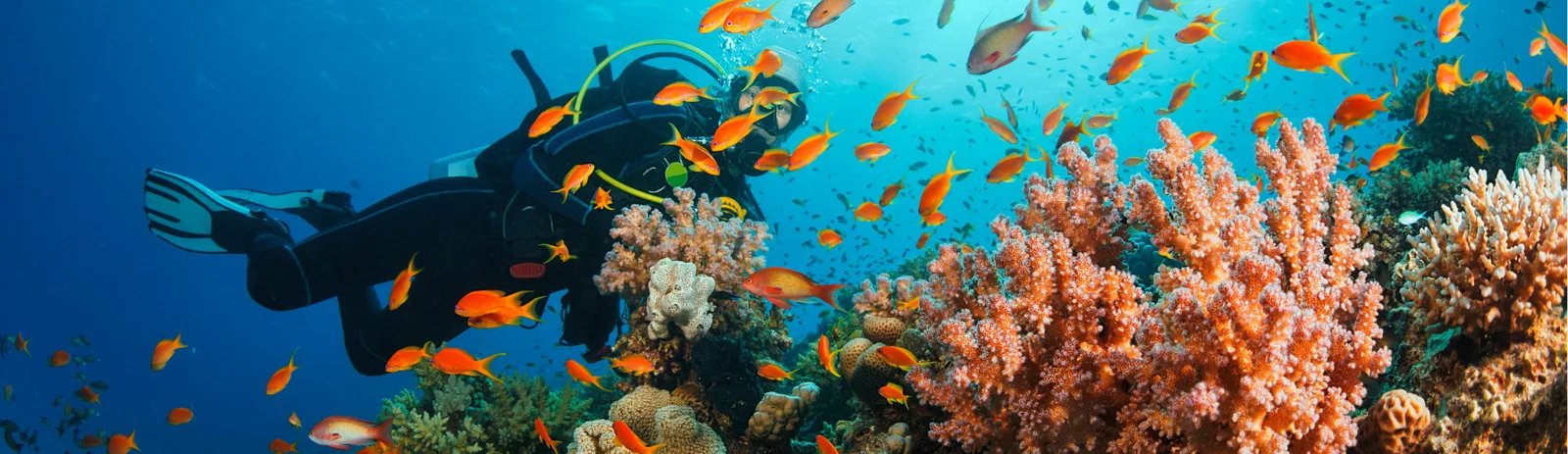
At Sam's Point, you'll experience the reef awakening as the tide recedes, painting the soft corals in a multitude of colors and drawing out an abundance of schooling fish.
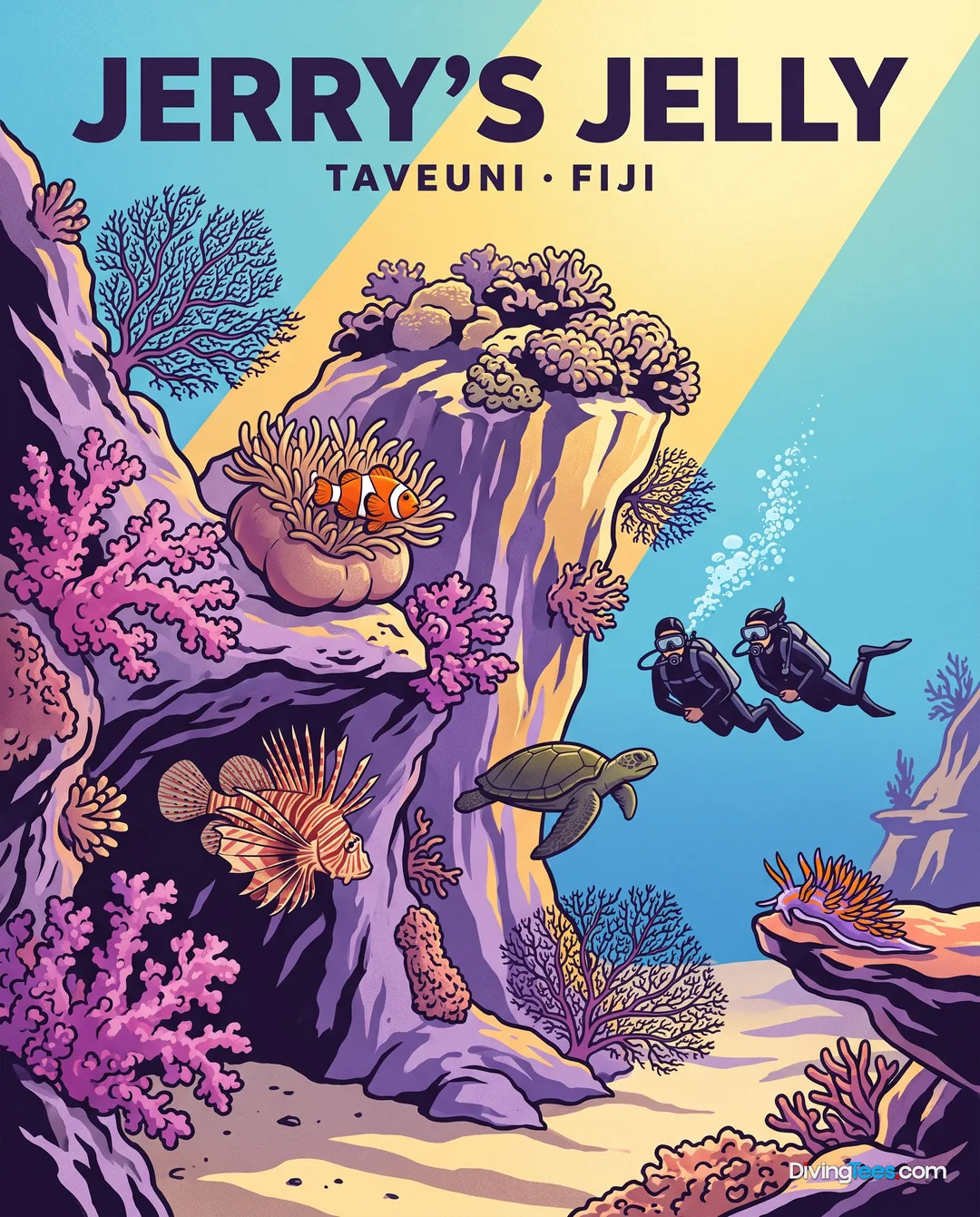
Diving Sam's Point often begins downstream, drifting from a neighbouring reef known as 'Jerry's Jelly', which sets the tone for a dynamic underwater journey. From there, you'll feel the gentle push of the current guiding you towards Sam's Point itself, a sloping reef punctuated by numerous small coral bommies. This initial approach allows you to cover significant ground, taking in the broader landscape of the Taveuni reef system before settling into the heart of the site.
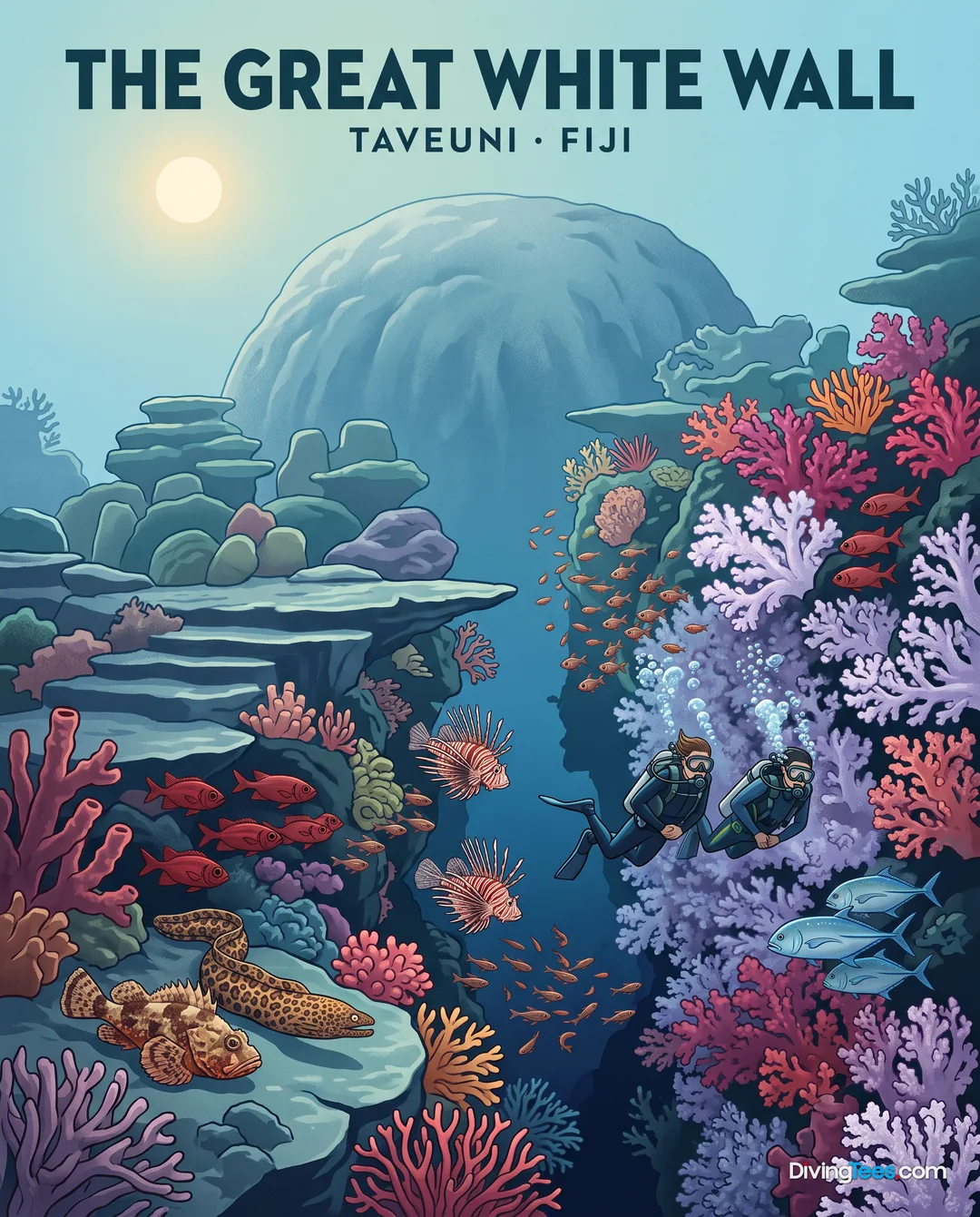
As you approach Sam's Point, the reef gradient becomes more defined, leading you into a diverse environment where sandy patches intersperse with the coral formations. Here, your attention will be drawn to the smaller wonders of the reef. Keep an eye out for the elusive blue ribbon eels (Rhinomuraena quaesita) darting in and out of crevices, and the camouflage masters, leaf scorpionfish (Taenianotus triacanthus), blending seamlessly with their surroundings. The intricate details of this ecosystem reveal themselves with patience and a keen eye.
The true spectacle of Sam's Point unfolds as the outgoing tide begins to exert its influence. This shift in water movement acts as a catalyst, triggering a dramatic change in the reef's activity. Soft corals, which may appear subdued during slack tide, blossom into vibrant displays, their polyps extended to capture the nutrient-rich flow. Simultaneously, countless schooling fish emerge, their coordinated movements creating swirling walls of silver against the backdrop of the invigorated reef.
Beyond the vibrant colours and teeming schools, Sam's Point offers encounters with larger inhabitants. Look carefully in the sandy areas adjacent to the reef slope, where white-tip reef sharks (Triaenodon obesus) are frequently observed resting on the seabed, oblivious to the passing divers. These moments provide a calm contrast to the active reef, offering a glimpse into their nocturnal hunting grounds even in daylight hours. Occasionally, the commanding presence of dogtooth tuna (Gymnosarda unicolor) can be felt as they sweep by in the blue, hunting along the reef edge.
Concluding your dive at Sam's Point can be as exhilarating as the beginning, with the option to continue drifting across to another section of reef. This extended drift offers an opportunity to experience an aerial perspective of the reef, essentially 'flying' above the vibrant, living ecosystem. This final surge of movement ensures that the dive leaves a lasting impression, combining the intimacy of macro life with the grandeur of swift current and the broader reef geography.
During the summer (November-April) and winter (May-October), Sam's Point is at its best. Currents here can be significant, especially with the outgoing tide, making this a prime location for drift diving. The dive crew will typically use an anchor and deploy a descent line to help you navigate the initial entry and ascent through the current. Water temperatures generally range between 24°C and 30°C.
Diving Sam’s Point is at its best during both summer, November through April, and winter, May through October. To see the reef change with the water movement, plan around the outgoing tide, when soft corals bloom and schooling fish become especially active.
Sam’s Point can have significant currents, particularly with the outgoing tide, making it a drift diving site. The dive commonly carries you from Jerry’s Jelly toward Sam’s Point, with the option to continue across another reef section for an extended drift over the reef.
At Sam’s Point, the dive crew will typically use an anchor and deploy a descent line to help you navigate your initial entry and ascent through the current. The dive begins downstream at Jerry’s Jelly before the current guides you toward the sloping reef at Sam’s Point.
At Sam’s Point, you can look for blue ribbon eels, leaf scorpionfish, soft corals, schooling fish, white-tip reef sharks resting on sandy patches, and passing dogtooth tuna. Sandy areas and coral bommies offer close-up details, while the reef drift provides broader views of the living reef.