
Pro Dive Paradise Taveuni
Google 4.8/5 (192 reviews)
16 km away as the crow flies
Taveuni · Fiji · Pacific
Max. depth · 30 mDescend along Taveuni's Great White Wall, a vertical expanse blanketed in white soft corals, revealing a unique underwater landscape.
For subtitles in English: start the video firstthen click the gearat the top right of the video, select “Subtitles/CC”, then “Auto-translate” and choose “English”.
Diving the Great White Wall means entering a distinct underwater environment. This site, also known as White Wall or Great White Wall, Rainbow Reef, is a vertical wall on the southern section of Rainbow Reef. The dive often begins by navigating wide channels and lava-tube style swim-throughs, which typically start between 12 and 15 metres and exit onto the main wall around 22 to 25 metres. These natural formations add a unique topographical element to the descent, preparing you for the main event.
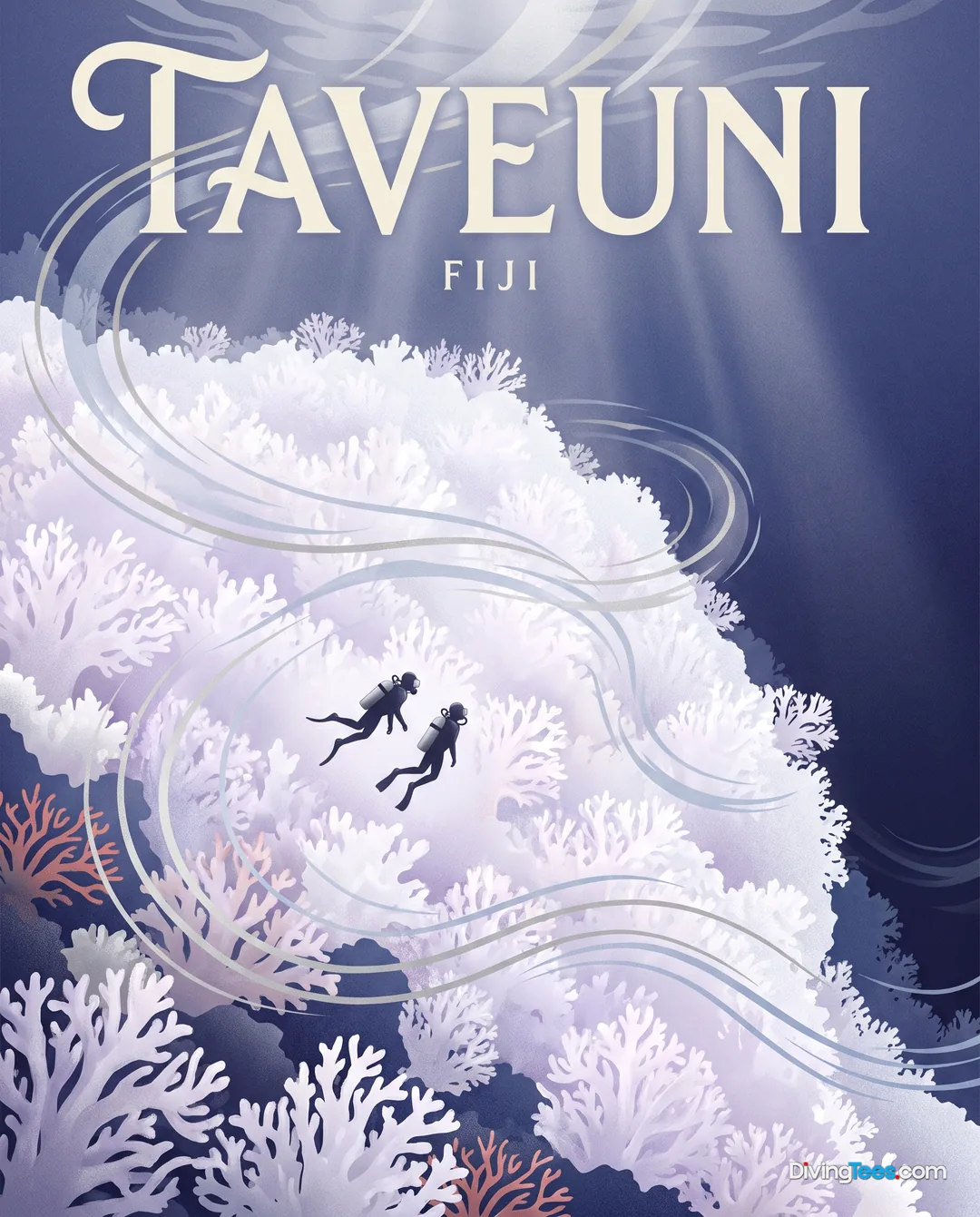
The defining feature of this site is the wall itself, which is covered in a dense growth of white dendronephthya soft corals. This living tapestry begins around 20 metres and extends beyond 30 metres, creating a striking visual contrast against the blue water. When the conditions are right, these corals are fully open, presenting a glowing white vista that gives the site its name. It's not just a patch of white; it's a continuous, expansive display that shifts with the subtle movements of the water.
As you trace the contours of the wall, you'll notice the rhythmic sway of the soft corals, a movement often enhanced by the prevailing currents. This motion adds an ethereal quality to the dive, making the entire wall feel alive. While the dominant white hue is the primary draw, the wall's structural complexity provides numerous hiding spots for various reef fish. You'll observe them darting in and out of the coral branches, making their homes within this unique, monochromatic environment.
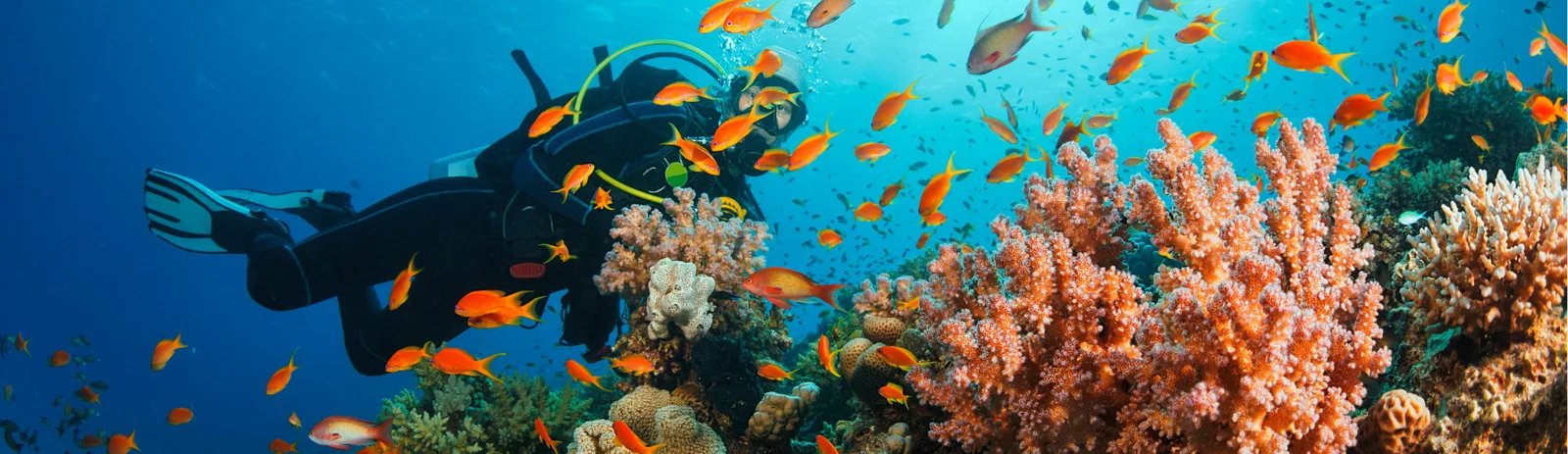
Beyond the soft corals, the site also features hard corals on a bommie and reef-top plateau situated around 8 to 11 metres. This shallower section offers a different perspective, contrasting the deep white wall with a more typical reef ecosystem. The transition from the vibrant, shallower reef to the deep, glowing white wall is a key part of the dive profile, showcasing the diverse habitats present within a single site.
The Great White Wall is not just about the corals; it's also home to a variety of marine life. While exploring, you may encounter sharks, turtles, and various invertebrates. The site's position on Rainbow Reef, an area known for its biodiversity, means that even against the backdrop of the white corals, there's always a chance to observe different species interacting with this unique habitat. Dolphins and whales are also known to pass through the wider area, though encounters are less frequent.
Access to the Great White Wall is exclusively by boat from Taveuni, typically a 7 to 20-minute ride depending on your departure point. Dive operators, such as Sau Bay Divers and Taveuni-based resorts, meticulously schedule dives around mid-lunar cycles and precise tidal timings. This careful planning is crucial to ensure the soft corals are open and to manage the variable currents, which can be extremely strong during peak tidal cycles, particularly around full and new moons.
The experience of diving the Great White Wall is distinct from many other coral reefs. Here, the focus shifts from a kaleidoscope of colours to the texture, movement, and sheer scale of the white soft corals. It's a dive where the environmental conditions and nutrient upwellings have created a truly specific and visually impactful scene, offering a sensory shift that highlights the unique artistry of Fiji's underwater world.
This is a wall dive with a minimum depth of 8 metres and a maximum recreational depth of 30 metres. It requires an Advanced Open Water certification or equivalent, along with experience in deep and drift diving, due to the potential for strong, variable currents. Visibility typically ranges from 20 to over 30 metres. Dives are tightly scheduled around tidal cycles to ensure optimal conditions and to experience the corals fully open, avoiding periods of strong current when the site can become challenging.
You should dive Great White Wall when the schedule aligns with the tidal cycles and the soft corals are fully open. Operators plan dives around precise tidal timings and mid-lunar cycles, while avoiding periods of strong current. Currents can be particularly strong around full and new moons, making timing important.
You need an Advanced Open Water certification or equivalent to dive Great White Wall. Experience in deep and drift diving is also required because the site can have strong, variable currents. The dive includes a vertical wall and deeper sections, so you should be comfortable managing depth and movement in current.
Great White Wall ranges from 8 to 30 metres, with the maximum recreational depth reaching 30 metres. Lava-tube style swim-throughs typically begin at 12 to 15 metres and exit near the wall around 22 to 25 metres. Currents may be strong and variable, especially during peak tidal cycles.
At Great White Wall, you can see a vertical wall covered in white dendronephthya soft corals from around 20 metres. The dive also features lava-tube style swim-throughs, hard corals on a shallower reef, reef fish, sharks, turtles, and invertebrates. Dolphins and whales may pass through the wider area less frequently.