Liveaboards · French Polynesia
Aqua Tiki II — a small, dive-focused base for Fakarava’s passes
What makes this boat unique
- Aqua Tiki II takes up to eight passengers in four air-conditioned cabins, with private bathrooms and hot showers.
- The Tuamotu North route runs between Fakarava and Fakarava, with recorded trips lasting from 9 to 12 days and 8 to 11 nights.
- Diving centres on Fakarava’s northern and southern passes, where grey reef sharks, manta rays, barracuda, tuna and Napoleon wrasse are part of the picture.
- Rental equipment, the dive package, nitrox-capable diving and airport and hotel transfers are available within the stated arrangements; nitrox is an extra.
- English- and French-speaking crew run the boat, while kayaks, snorkeling equipment, fishing and land excursions fill the surface intervals.
For subtitles in English: start the video firstthen click the gearat the top right of the video, select “Subtitles/CC”, then “Auto-translate” and choose “English”.
The invitation
Aqua Tiki II is for divers who want Fakarava rather than a floating resort. The boat keeps the group small, carries eight passengers, and is specially arranged around diving in the Tuamotu: tenders for the water work, rinse facilities for equipment, and a route built around the atoll’s passes and lagoon reefs. The attraction is the contrast. Garuae brings wide-pass drift diving and grey reef sharks; Tumakohua is narrower and generally calmer, with its own shark wall and coral gardens. Between those dives, the boat leaves room for kayaks, snorkeling, fishing and excursions ashore. The high diving and food feedback points to the right reason to choose it: the trip is remembered for what happens underwater and at the table, not for hotel-style polish. Choose Aqua Tiki II when a compact boat, a French Polynesian setting and serious access to Fakarava matter more than extra space.
Boarding
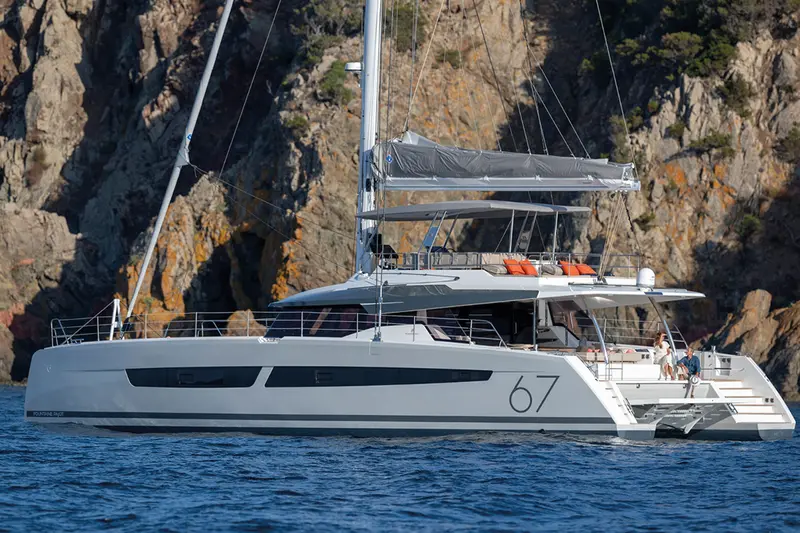
Aqua Tiki II comes across as a compact working dive boat rather than a large ship dressed up for divers. Its broad catamaran form gives the small group a clear sense of the people on board, while the layout keeps the important movements close: cabin, saloon, outside dining and the route to the diving equipment. The interior saloon and library offer a place to disappear with a book; outside, the boat opens onto the water and the atoll. It was built in 2011, so the character is established rather than brand-new. That is part of the appeal for a diver who values a boat organised around getting wet, eating well and moving between Fakarava’s sites. The crew speaks English and French, with French mixed into meals and life on board.
The atmosphere on board
With eight passengers, Aqua Tiki II creates the kind of group where the same faces meet at every meal, briefing and tender return. The crew’s role is felt in the practical details: keeping the diving moving, handling the boat between sites, and making food a central part of the day. English and French are spoken, and the atmosphere suits a group that wants to talk about the last pass dive without having to perform for a crowd. Evenings can stay quiet in the library or saloon, move outside for dinner and drinks, or continue with audio and video entertainment. The boat is not the choice for someone seeking a huge vessel with multiple social zones. It is better suited to divers who want a small circle, a crew close to the operation and a trip whose strongest memories are likely to come from Fakarava’s water and the table afterwards.
The sites you’ll dive
The Tuamotu North route starts and ends in Fakarava, with recorded departures of 9, 10, 11 or 12 days and 8, 9, 10 or 11 nights. At Maiuru, a channelled reef flat leads through varied coral structures to an abrupt, current-swept drop-off; the maximum listed depth is -20m. Pufana stays inside the North Pass lagoon, with coral gardens and possible blacktip, grey reef and whitetip reef sharks, down to -17m. Garuae Pass is the northern gateway: schools of grey reef sharks move through the pass, whose listed maximum is -70m. A separate Garuae Pass site is listed to -30m, describing the wide pass, drift diving, coral canyons and pelagic life. Ohotu Reef reaches -100m and sits within the Garuae Pass environment. Pufana Reef is a luminous lagoon dive to -50m. South, Tumakohua Pass offers a narrower, calmer drift, while Passe de Tumakohua adds coral gardens and a grey shark wall.
Itineraries, dates and prices
Prices per person. Each month shows its lowest price: click a month, or pick an itinerary.
Next departures · 6 departuresfrom £3,341$4,466€3,990
November 2026
December 2026
March 2027
April 2027
May 2027
See dates and prices
If you click these links and make a purchase on the partner site, DivingDeal may earn a commission, at no extra cost to you.
Dates and prices taken from liveaboard.com, updated 24 October 2026
What you’ll meet underwater
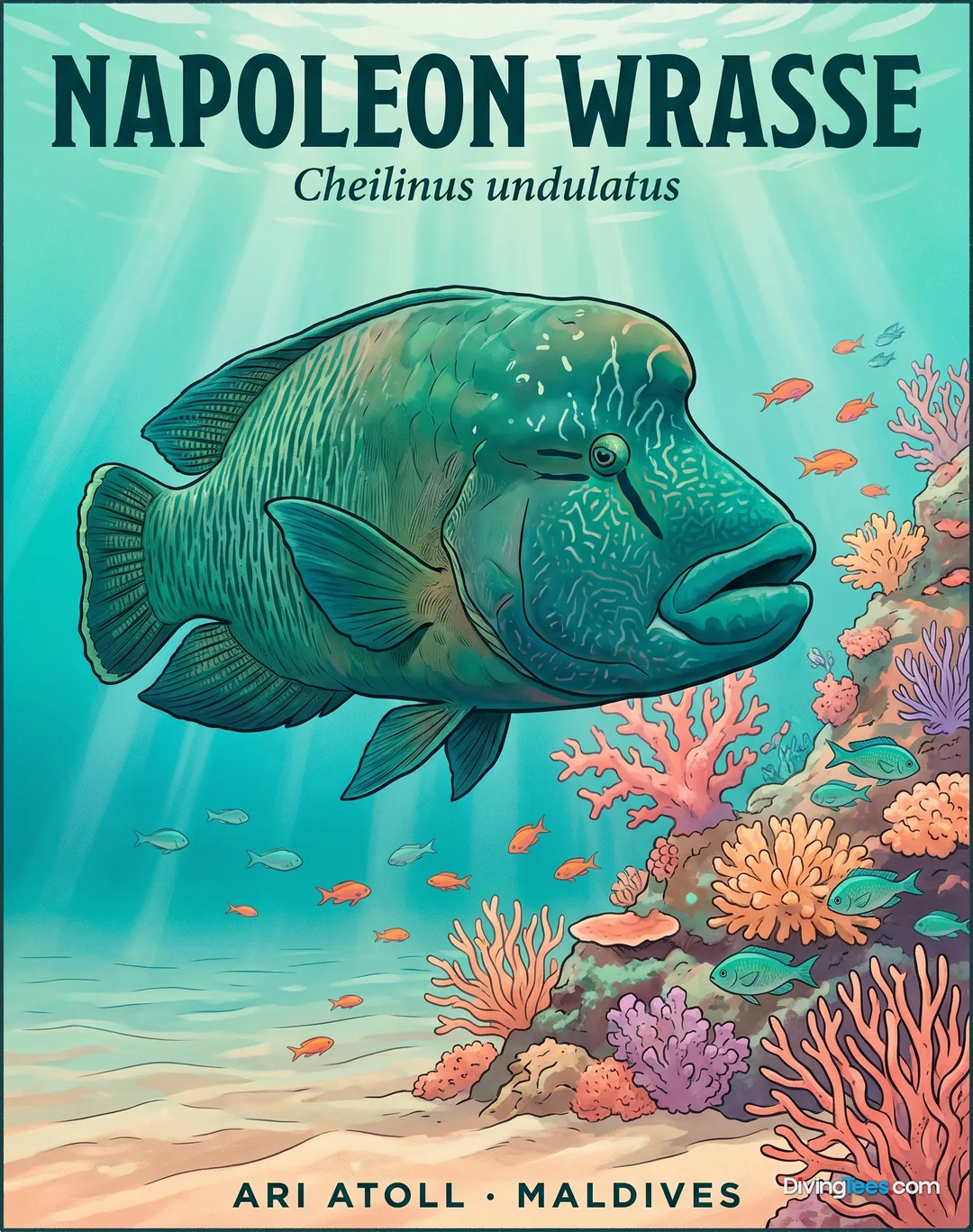
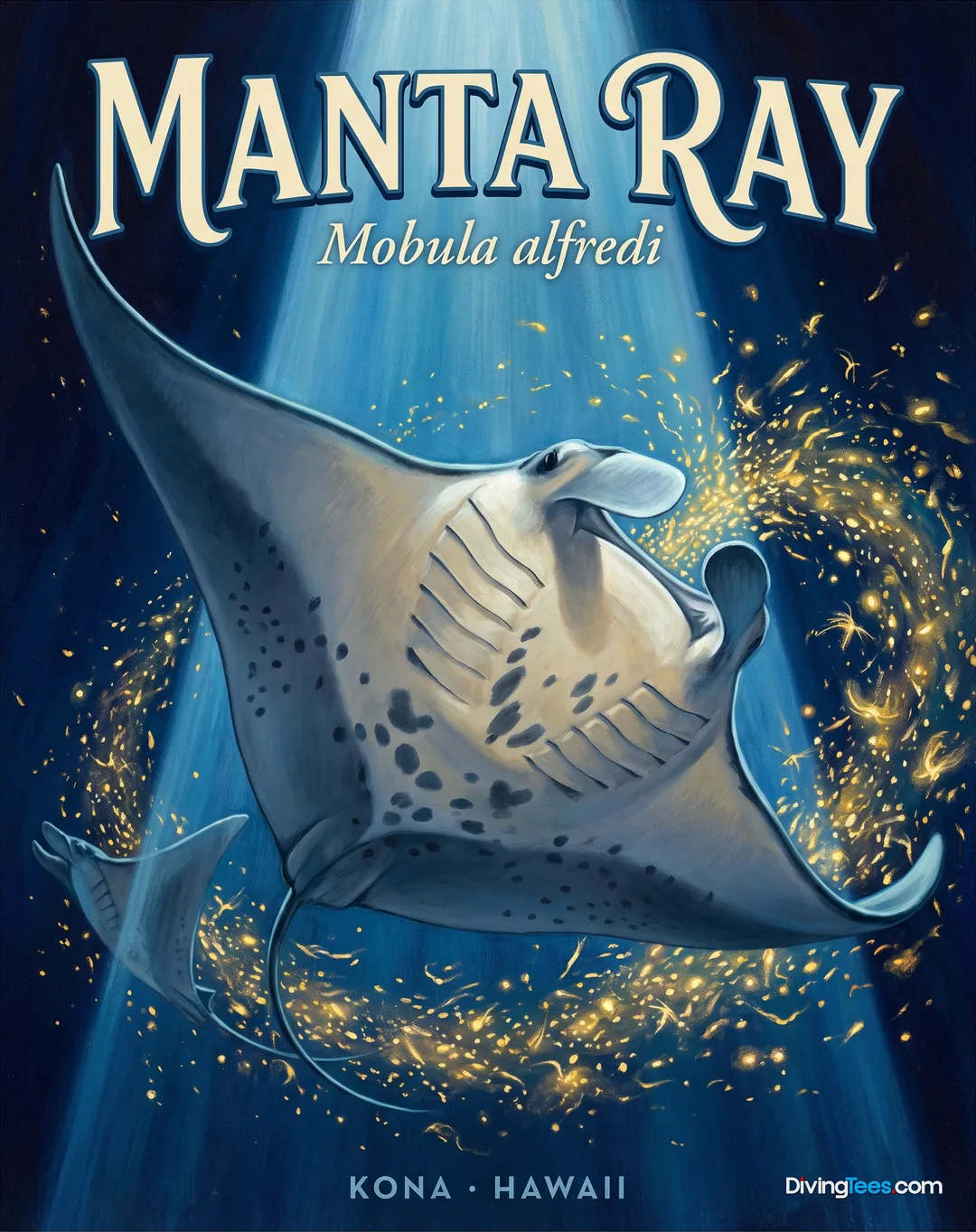
The recurring cast on this route is substantial: barracuda, Napoleon wrasse, manta rays, reef sharks and tuna are recorded across several sites. That is the broad Fakarava picture—large animals moving through passes, with coral structure and current shaping the encounters rather than a fixed aquarium-style circuit. The site-specific reasons to keep watching are just as clear. Passe de Garuae is the place associated with dolphins and whitetip reef sharks, as well as the grey reef sharks that navigate the pass. Pufana is where carangue, rays and eagle rays are recorded, alongside reef fish, parrotfish, Napoleon wrasse, red snapper and blacktip and grey reef sharks. The current in the passes can bring pelagic life into view, but no animal is guaranteed. The best approach is to stay alert through the whole descent, not just wait for the headline species.
Who puts you in the water
The crew speaks English and French, and diving is organised around the boat’s tenders and the sites on the Fakarava route. Safety equipment on board includes oxygen, first-aid kits, life jackets, fire alarms and extinguishers, radar, GPS, VHF/DSC/SSB radio, a locator beacon, and mobile and satellite telephones.
The dive deck and the gear
The dive setup is built for repeated use rather than decorative display. Aqua Tiki II has rinse bins, DIN adapters and tenders for divers, with rental equipment included in the stated arrangements. The boat offers nitrox, but it is charged by bottle; the nitrox certification activity is separate. That distinction matters if a diver plans to use enriched air throughout the trip. The tender system is central to the route, since the dives take place around Fakarava’s passes and reefs rather than directly beside a large liveaboard platform. The boat also carries snorkeling equipment for non-divers and surface intervals. The available details do not establish tank volume or material, compressor type, camera table, SMB provision, tender count or hot-water access specifically at the dive return point, so those are not presented as features.
Between dives
The quiet hours have a distinctly Polynesian shape. A kayak can take you away from the boat for a while, snorkeling equipment keeps the lagoon within reach, and fishing offers something slower than a pass dive. Land excursions are included, so the surface programme is not limited to sitting in the saloon. On board, the choice is simple: shade, the outdoor dining area, the bar, a book from the library or an hour listening to the boat and the water. Non-divers and snorkelers are welcome, which makes Aqua Tiki II workable for a mixed group. The boat also carries equipment for water activities, including optional water skiing and wakeboarding.
A day on board
A day on Aqua Tiki II is organised around the next dive rather than a sightseeing timetable. The briefing comes before the tender leaves, equipment is rinsed and secured after the return, and food marks the transition into the next surface interval. Between dives, the group can settle in the saloon or library, eat outside, kayak, snorkel, fish or go ashore when the itinerary allows. The boat moves between the Fakarava sites as the route requires, linking lagoon reefs with the passes and their drift dives. A night dive is available as an option, not an automatic part of every day. There are no published onboard times for waking, meals or departures, so the honest picture is the order: briefing, tender, dive, recovery, meal, rest, then the next briefing. That is the useful rhythm for a trip built around repeated immersion.
What you eat aboard
Food is one of Aqua Tiki II’s strongest points. Full board covers all meals, with western and local cooking, vegetarian options, and a table that brings French taste into a Polynesian setting. Breakfast, lunch and dinner matter here because they divide the diving day into usable stages: eat, kit up, dive, rinse, rest, then sit down again. Beer, wine and cocktails are available, while drinking water, tea and coffee are included. The outdoor dining area gives meals a place in the landscape instead of reducing them to refuelling below deck. Local ingredients are part of the character, not a decorative theme. After a pass dive or a long surface interval, a proper meal is one of the small practical luxuries that makes a compact boat work well over several nights.
Nights at sea
The four cabins are offered as double, twin or double VIP cabins. Each has air conditioning, a private bathroom, hot water and a standard window, so the nights are private and practical rather than tent-like. Aqua Tiki II carries only eight passengers, which keeps the cabin count from turning into a corridor of strangers; by the second day, everyone is familiar. The interior saloon and library provide a cooler retreat when the outside light becomes too strong, while the bar and outdoor dining area shift the evening back toward the sea. The cabins are non-smoking. There is no need to oversell the space: this is a small liveaboard, and the value lies in having a private place to sleep between dives, with the boat’s scale keeping the operation personal.
Double Cabins
Twin Cabins
Double VIP Cabin
What to know before boarding
Aqua Tiki II departs from and returns to Fakarava. Airport and hotel transfers are included, with the arrival flight number or the name of an existing Fakarava pension used when arranging the booking. Arriving in Fakarava the night before the cruise is sensible, so a delayed connection does not put the embarkation at risk.
Deck plan
- Year built
- 2011
- Length
- 18 m
- Beam
- 8.5 m
- Maximum number of passengers
- 8
- Number of cabins
- 4
- Number of bathrooms
- 5
- Engines
- 2 × 38 hp
- Website
- aquatiki.com ↗
Hello, I'm Marina, DivingDeal.com's AI assistant. I answer in detail about hotels, dive centres and liveaboards.
Thinking about the whole trip and the flights? Talk it over with Edith →
Marina is an AI. Some links are affiliate links: DivingDeal may earn a commission, at no extra cost to you. Bookings are made with the partner.