
Aliwal Dive Centre & Lodge
Google 4.7/5 (108 reviews)
35 km away as the crow flies
Aliwal Shoal · South Africa · Africa
Max. depth · 27 mThe Nebo wreck offers a unique opportunity to explore a historic wooden steamship, now a thriving artificial reef teeming with diverse marine life.
For subtitles in English: start the video firstthen click the gearat the top right of the video, select “Subtitles/CC”, then “Auto-translate” and choose “English”.
Diving the Nebo offers a unique journey into maritime history, taking you to the remnants of a wooden steamship that sank on May 20, 1884. This 2,000-ton vessel was on its maiden voyage, carrying materials for the Van Stadens railway bridge, and its inverted position on the seabed is attributed to incorrect loading. Lying about a kilometer northwest of the famous Aliwal Shoal, the wreck's structure, though old, still provides a fascinating landscape to explore. As you descend, the dark silhouette of the hull slowly takes shape, a testament to a bygone era, now a thriving artificial reef teeming with life. The Nebo wreck is a national monument, preserving a significant piece of maritime history. Its continued preservation offers a unique glimpse into the past while supporting a thriving underwater ecosystem. Diving this site provides a deep connection to both historical events and natural beauty.
The most prominent features of the Nebo wreck are its propeller and boiler, which remain remarkably intact and are central points of exploration. These large metal structures stand as silent sentinels, drawing in a diverse array of marine species. The wooden hull is broken into two primary sections, creating distinct habitats and exploration opportunities. While extensive penetration dives are not the focus here, navigating through the propeller section offers a unique experience. Good light penetration into the wreck enhances the visual impact of the structure near the surface.
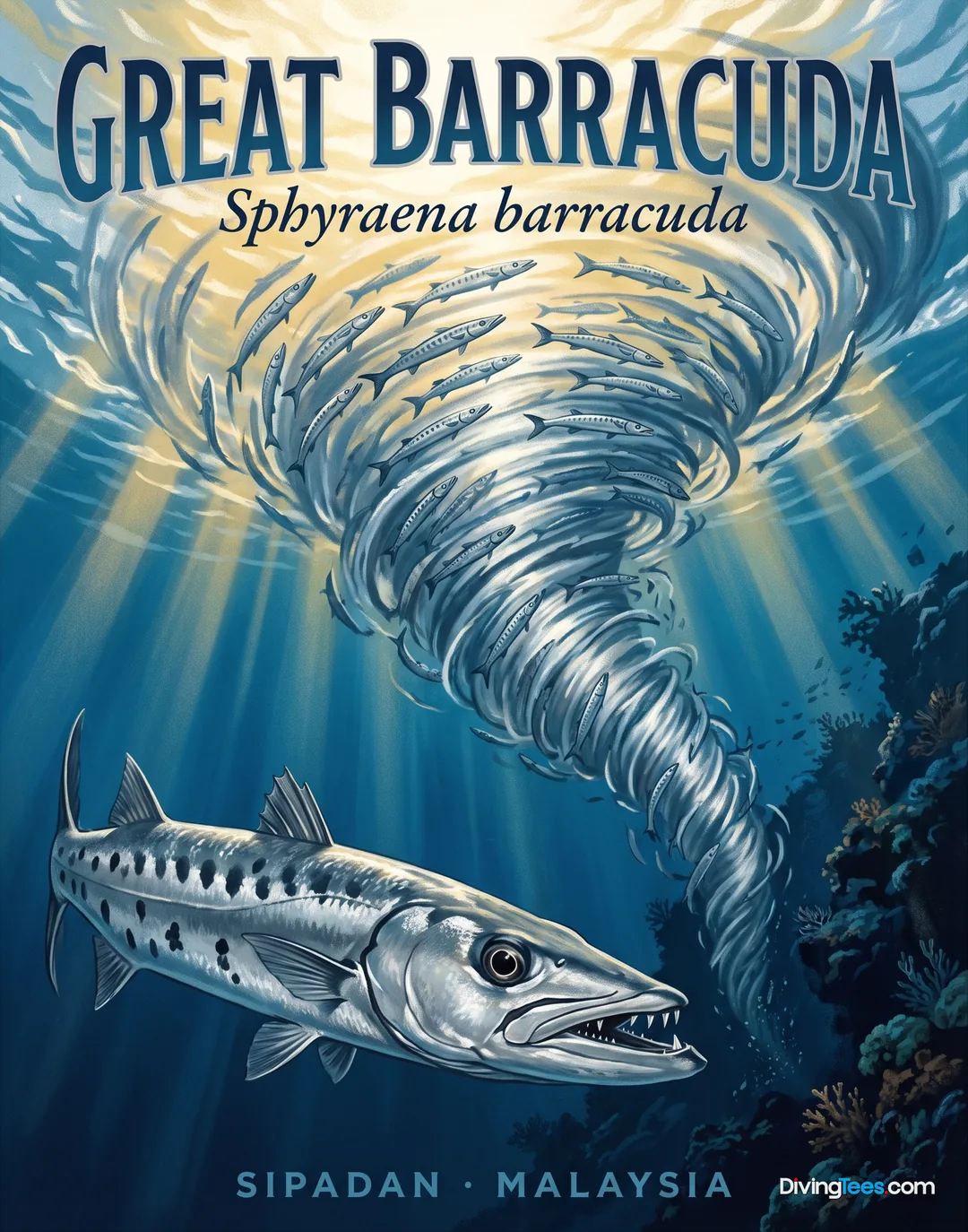
The wreck is a magnet for vast schools of baitfish, creating a dynamic environment throughout the year. These shimmering clouds attract larger, predatory species such as tuna and barracuda, which patrol the perimeter. Occasionally, hammerhead sharks are sighted, adding to the excitement. The constant interplay between predator and prey showcases the raw power of the ocean.
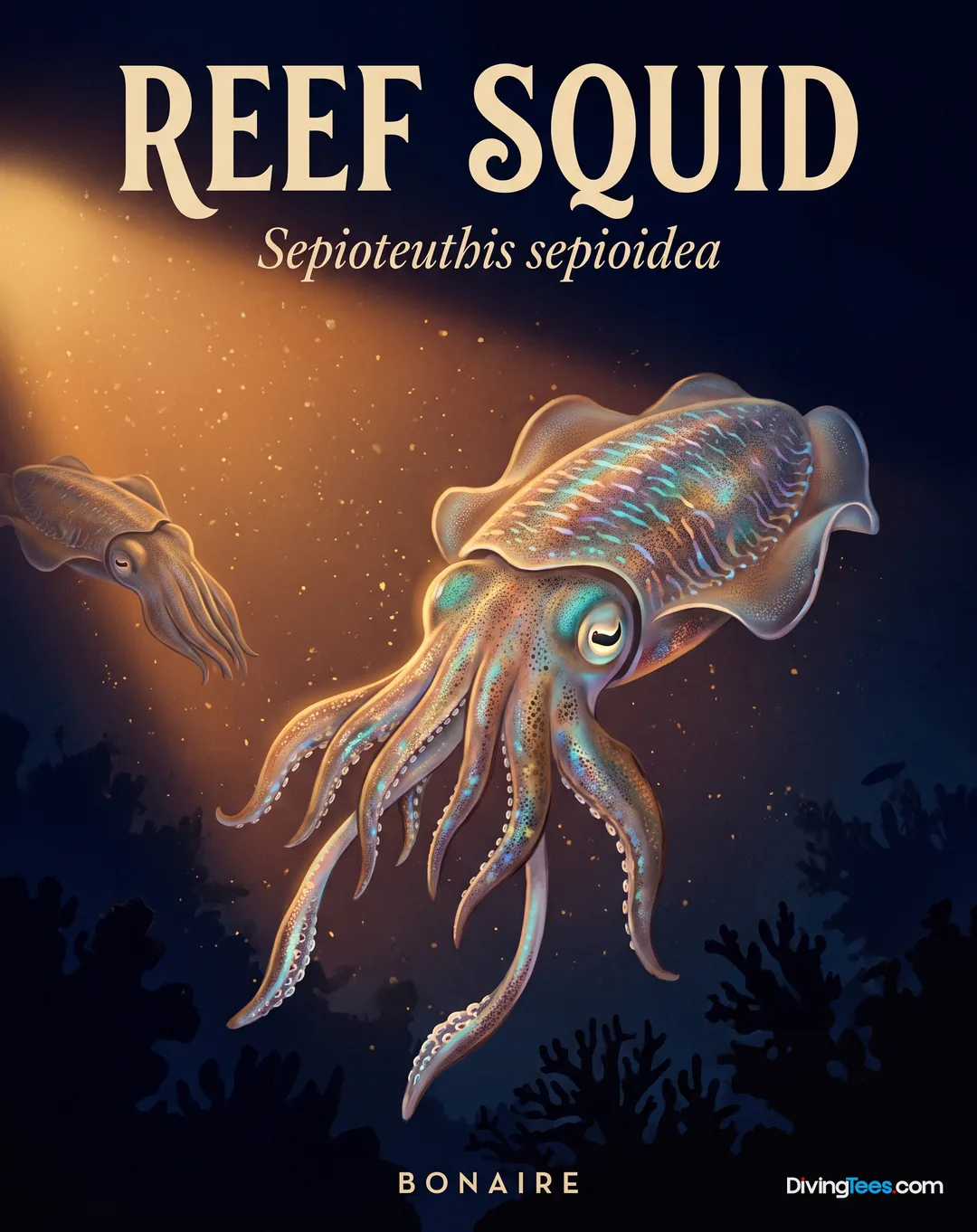
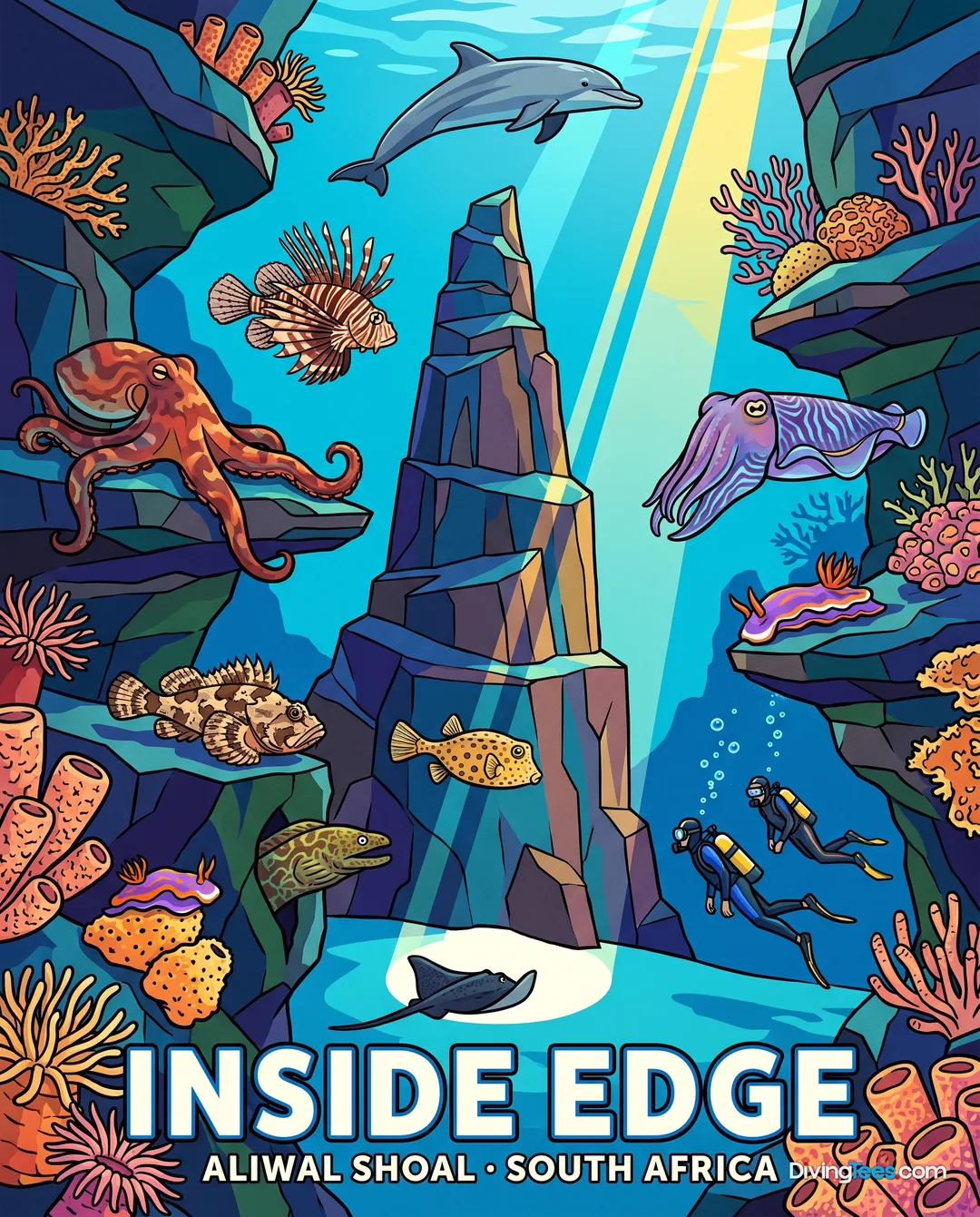
Beyond the pelagic action, the Nebo hosts a variety of marine life, with Natal wrasse frequently encountered around and within the wreck structure. Harlequin goldies, endemic to this region, add vibrant colour to the scene. Around the sandy areas surrounding the wreck, you can spot round ribbon rays, sharpnose stingrays, and grey-spotted guitar sharks. The boiler area holds a wealth of intricate microfauna, including numerous shrimp species finding refuge. With a keen eye, you might also spot the elusive paperfish and frogfish, blending seamlessly with their surroundings. Squid and scorpionfish are also found both inside and around the wreck, often camouflaged and providing a challenge for keen observers.
Soft corals have colonised parts of the Nebo, bringing a different texture to the structure. You will find green fern coral, various colours of polyp coral, and green and yellow turret coral. These sessile organisms contribute to the wreck's transformation into a living reef, providing additional shelter and feeding grounds for smaller invertebrates and fish.
The Nebo is an advanced dive, accessible for divers with an Advanced Open Water certification or equivalent, given its maximum depth of 27 metres. While the dive profile for exploring the main sections is straightforward, negotiating the wreck in a current requires experience. When diving on an incoming tide, expect a consistent south-north current. The warm Agulhas Current can bring challenging yet rewarding conditions to the region, offering opportunities for dynamic drifts. Visibility averages 8 to 30 metres, but can be significantly reduced by river outflow from the Umkomaas River after heavy rainfall, especially as it is the closest shore dive in the area. The Umkomaas region generally offers excellent diving conditions during the winter months, from June to August, which is also the prime time for encountering megafauna. Water temperatures vary between 18°C and 27°C, ensuring comfortable diving.
You can dive Nebo throughout the year, when conditions allow. Winter, from June to August, generally offers excellent diving in the Umkomaas region and is also the prime season for encountering megafauna. Water temperatures vary between eighteen and twenty-seven degrees Celsius, while heavy rainfall can reduce visibility through Umkomaas River outflow.
Nebo is an advanced dive for divers with Advanced Open Water certification or equivalent. The site ranges from nineteen to twenty-seven metres deep, with the maximum depth making appropriate training important. Exploring the main wreck sections has a straightforward profile, but negotiating the wreck in current requires experience.
At Nebo, an incoming tide brings a consistent south-to-north current. The warm Agulhas Current can create challenging but rewarding conditions and opportunities for dynamic drifts. Visibility averages eight to thirty metres, though river outflow after heavy rainfall can significantly reduce it because Nebo is the area's closest shore dive.
At Nebo, you explore an inverted wooden steamship wreck with intact propeller and boiler sections, soft corals, and large baitfish schools attracting barracudas and tunas. Around the structure, look for shrimp, paperfish, frogfish, Natal wrasse, harlequin goldies, rays, stingrays, guitar sharks, squid, scorpionfish, and occasionally hammerhead sharks.