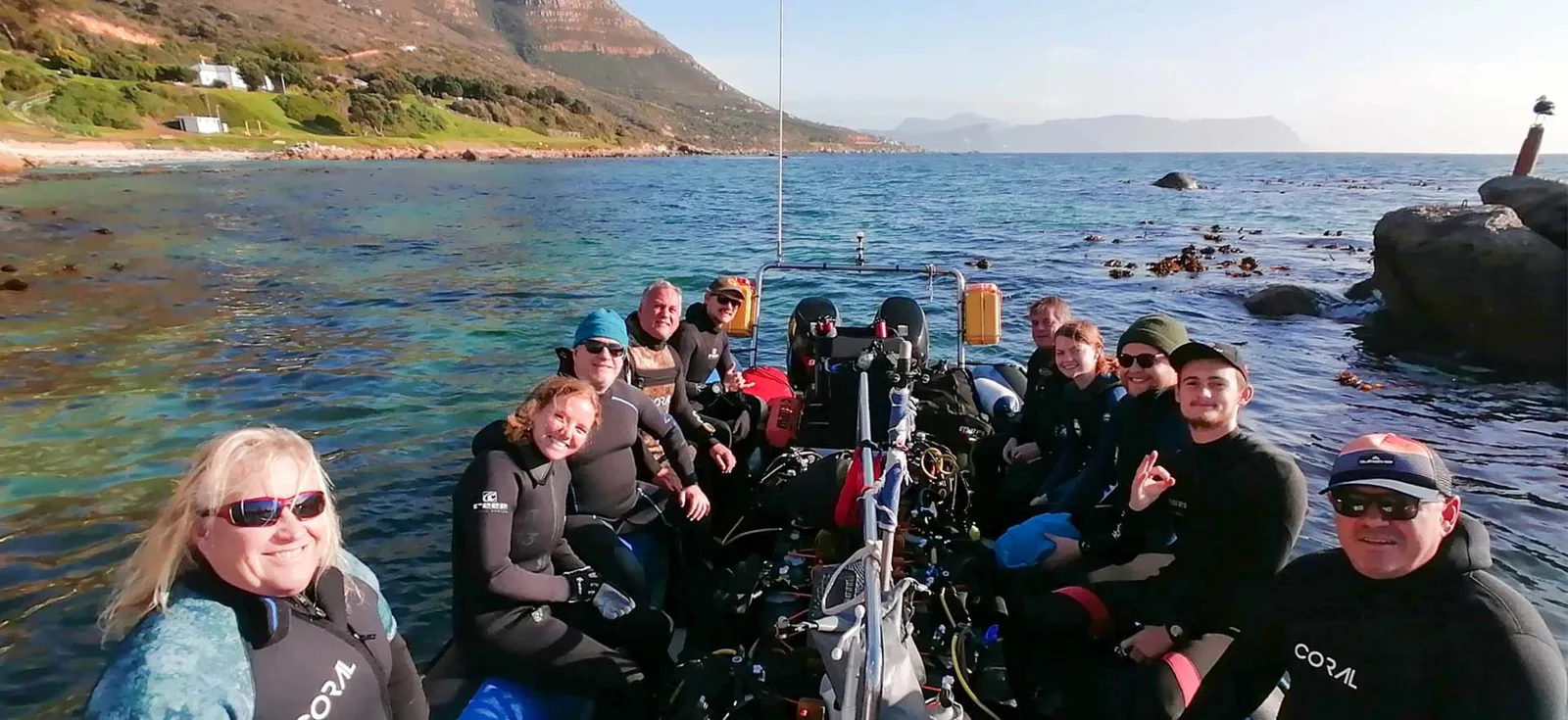

Dive Team
Google 5/5 (170 reviews)
Cape Town · South Africa · Africa
Max. depth · 12 mFalse Bay offers a unique shore diving experience, allowing you to explore its dense kelp forests and vibrant invertebrate life in an intimate setting.
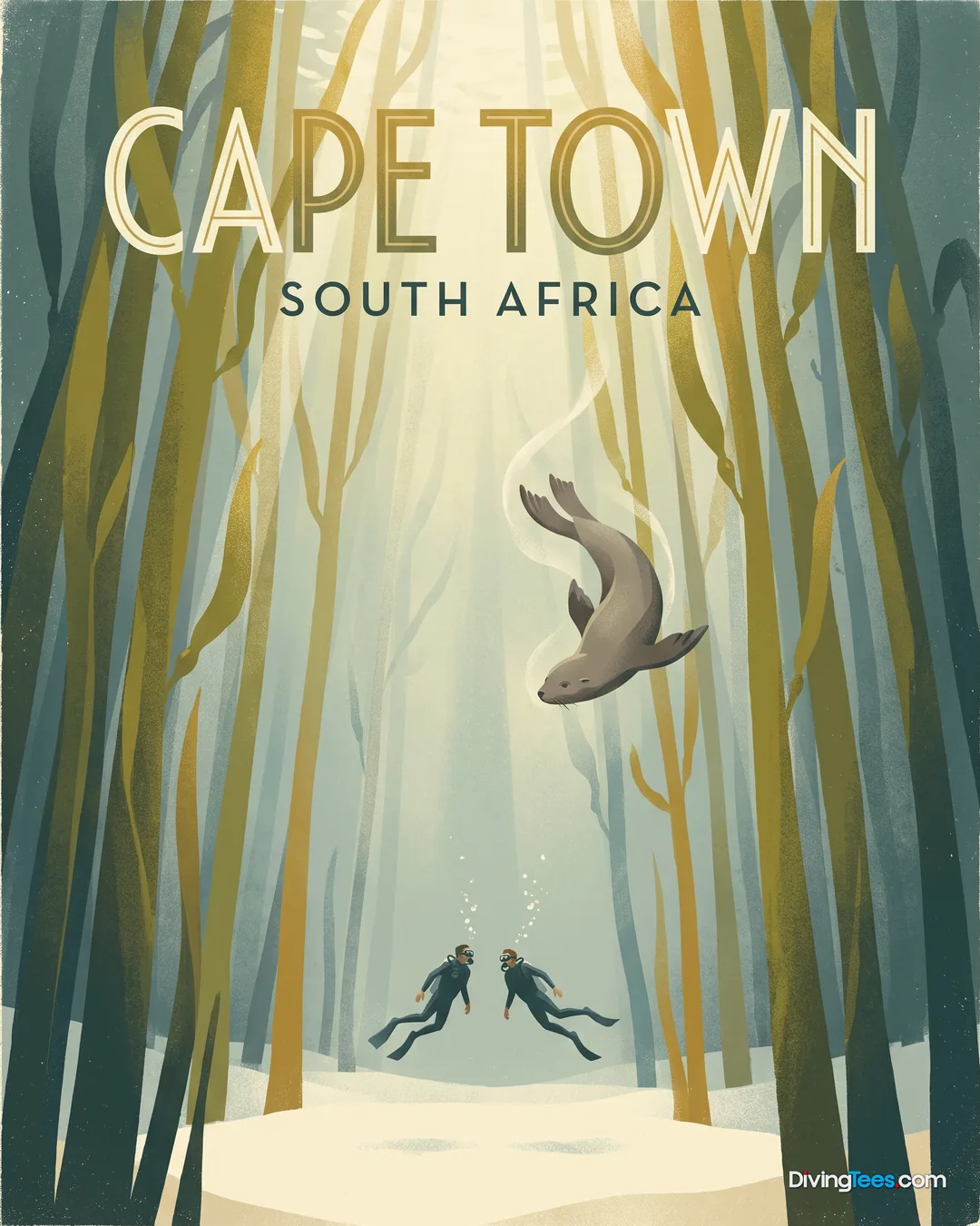
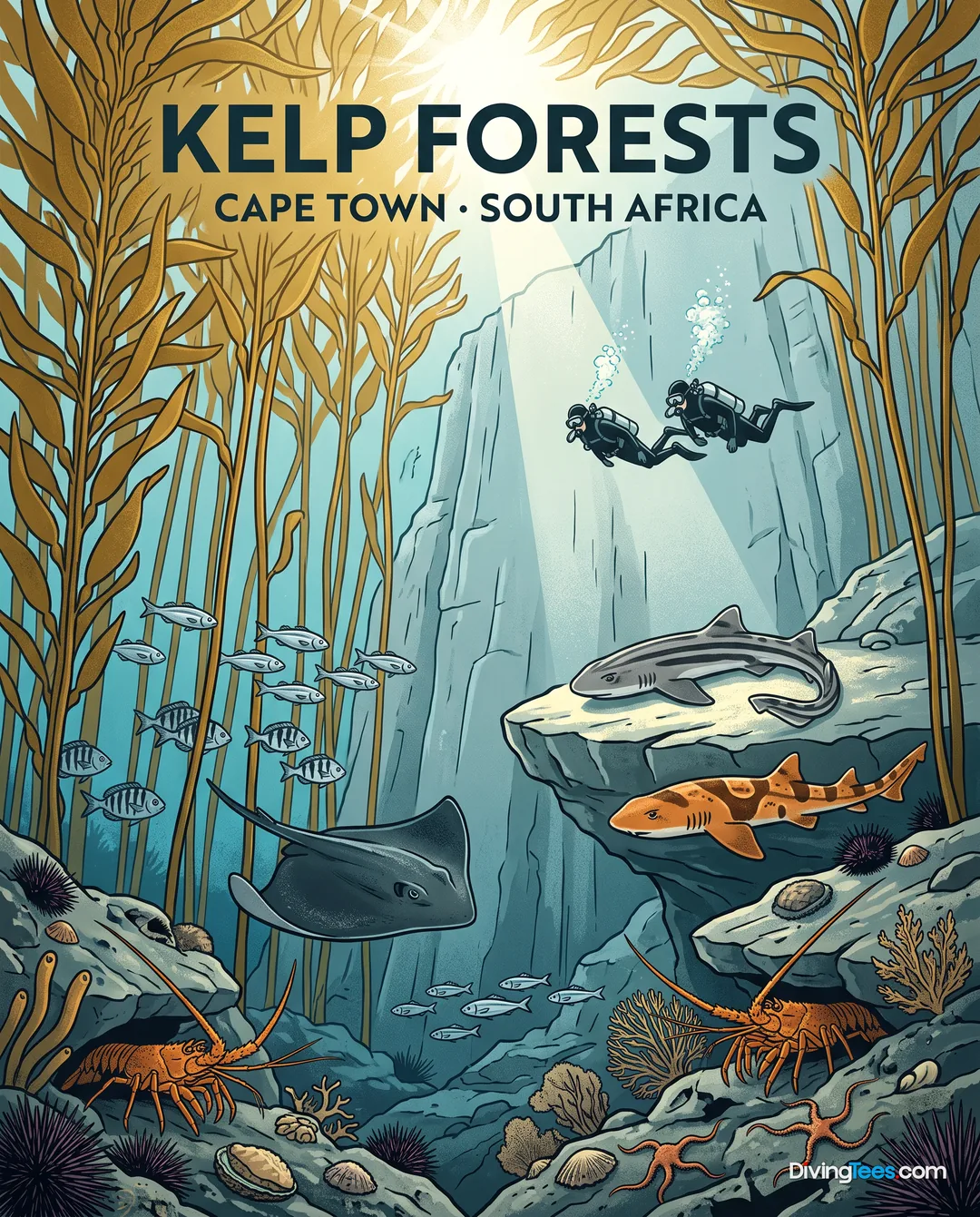
Diving in False Bay from the shore is a unique opportunity to explore the rich biodiversity thriving just steps from the land. You'll find yourself amidst dense kelp forests, an unusual and captivating environment that filters the light into shafts of emerald green and gold, creating a truly immersive undersea landscape. These forests are not just scenery; they form a crucial refuge and nursery for a myriad of small animals and schools of reef fish, offering endless opportunities for close observation.
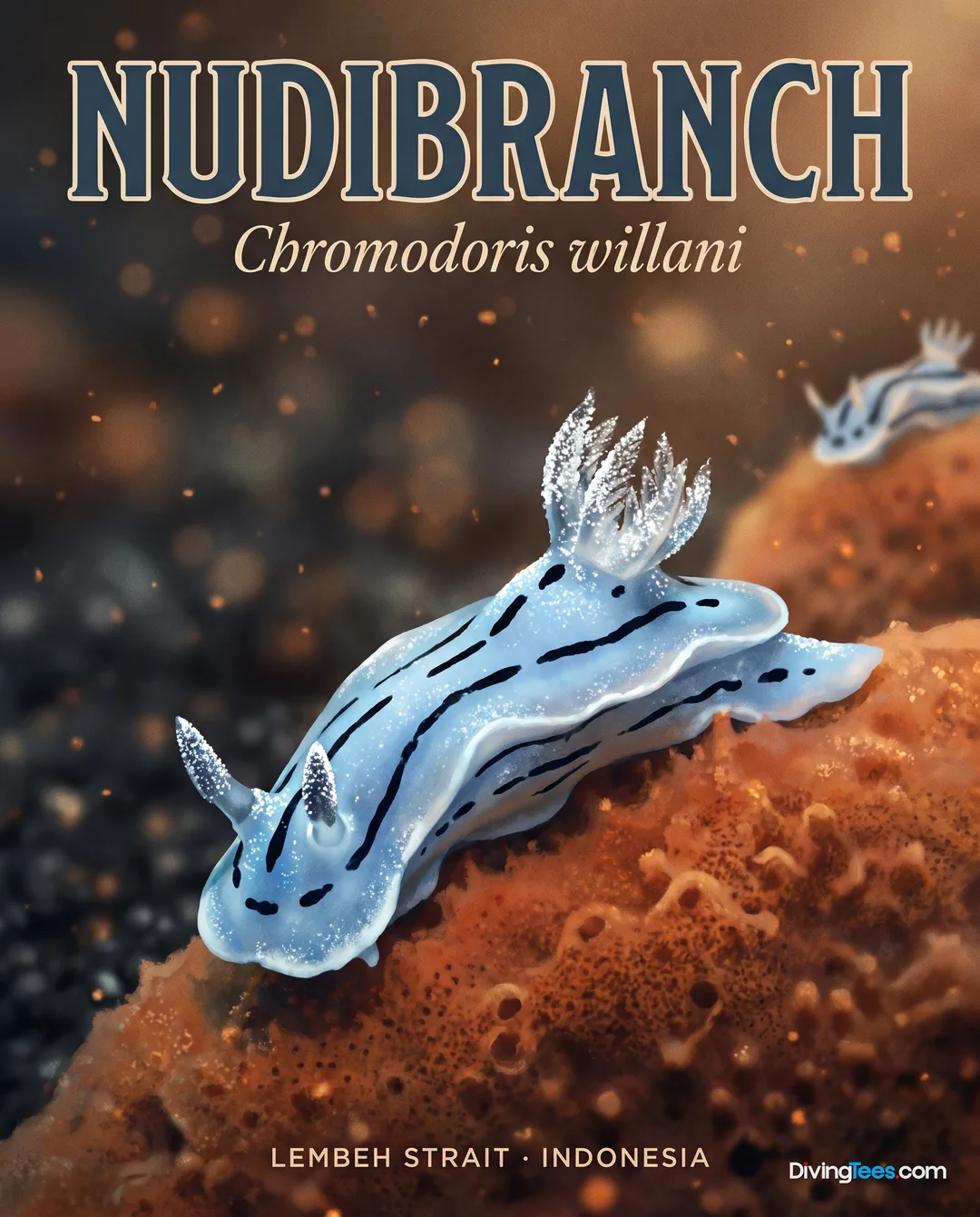
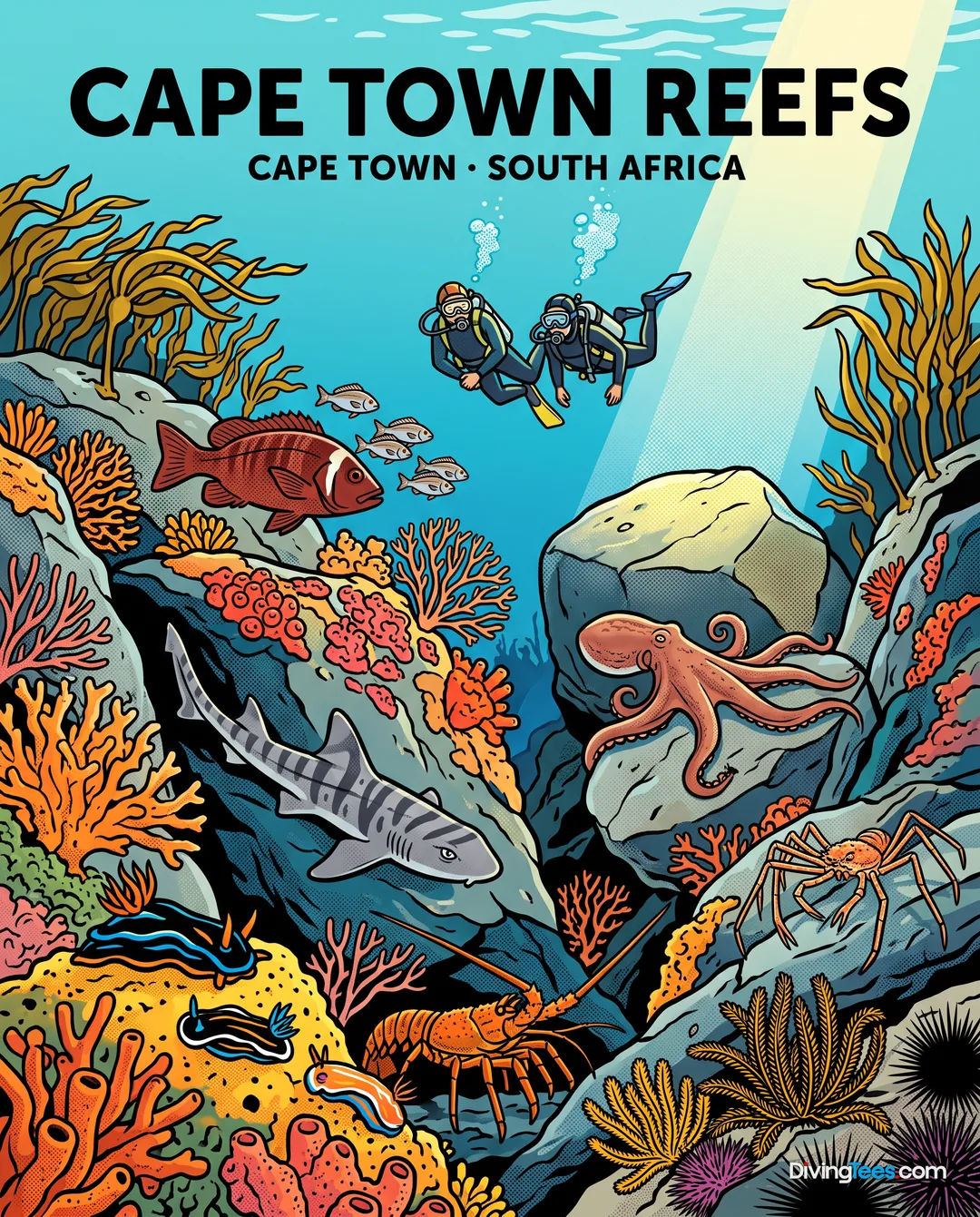
As you navigate through the swaying fronds of kelp, your attention will be drawn to the smaller wonders that populate this unique ecosystem. False Bay is a known hotspot for nudibranchs, with over 80 documented species, each a tiny jewel of colour and intricate form. Keep your eyes peeled as you move slowly, allowing these often cryptic creatures to reveal themselves on the kelp blades and substrate.
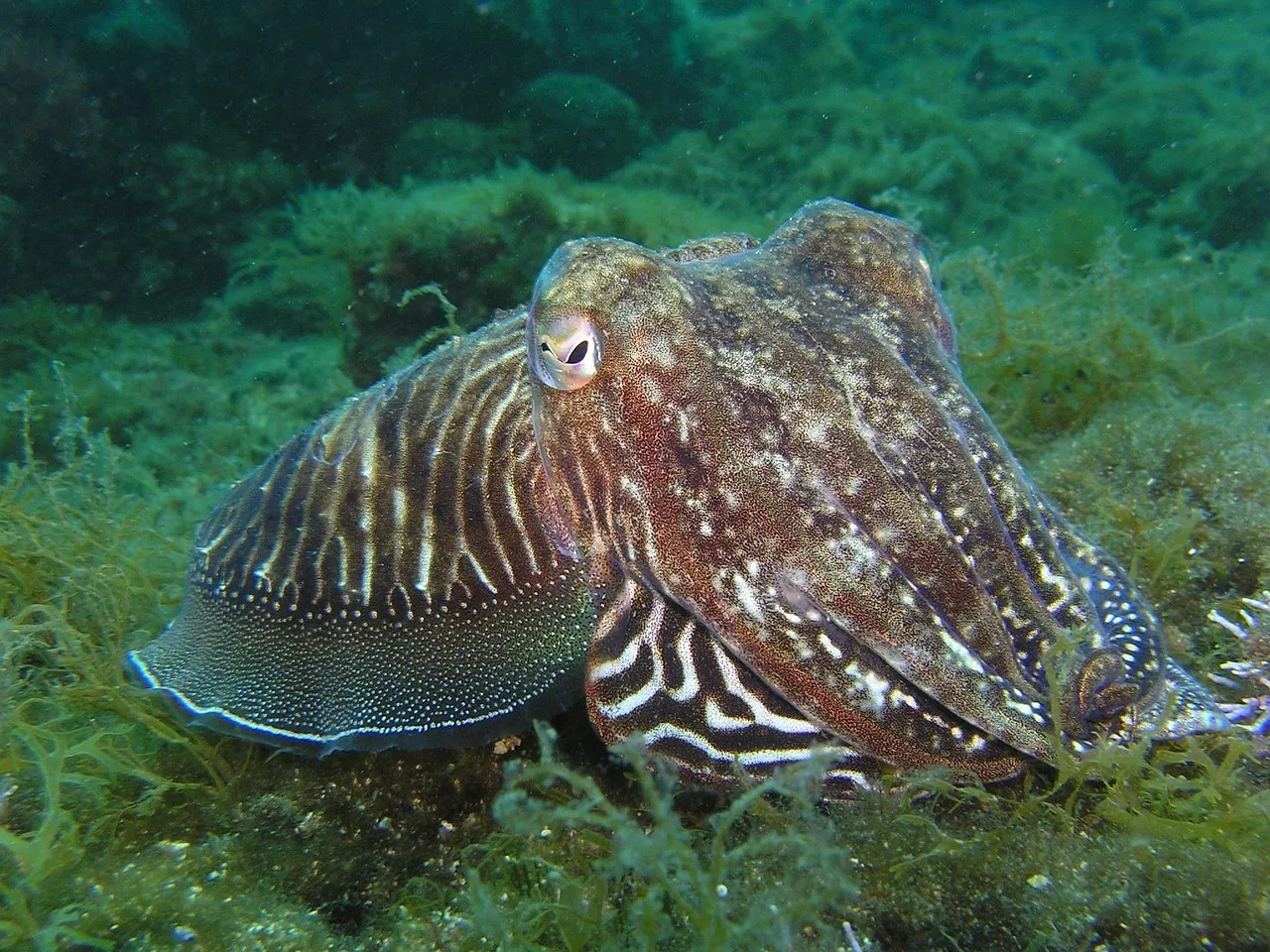
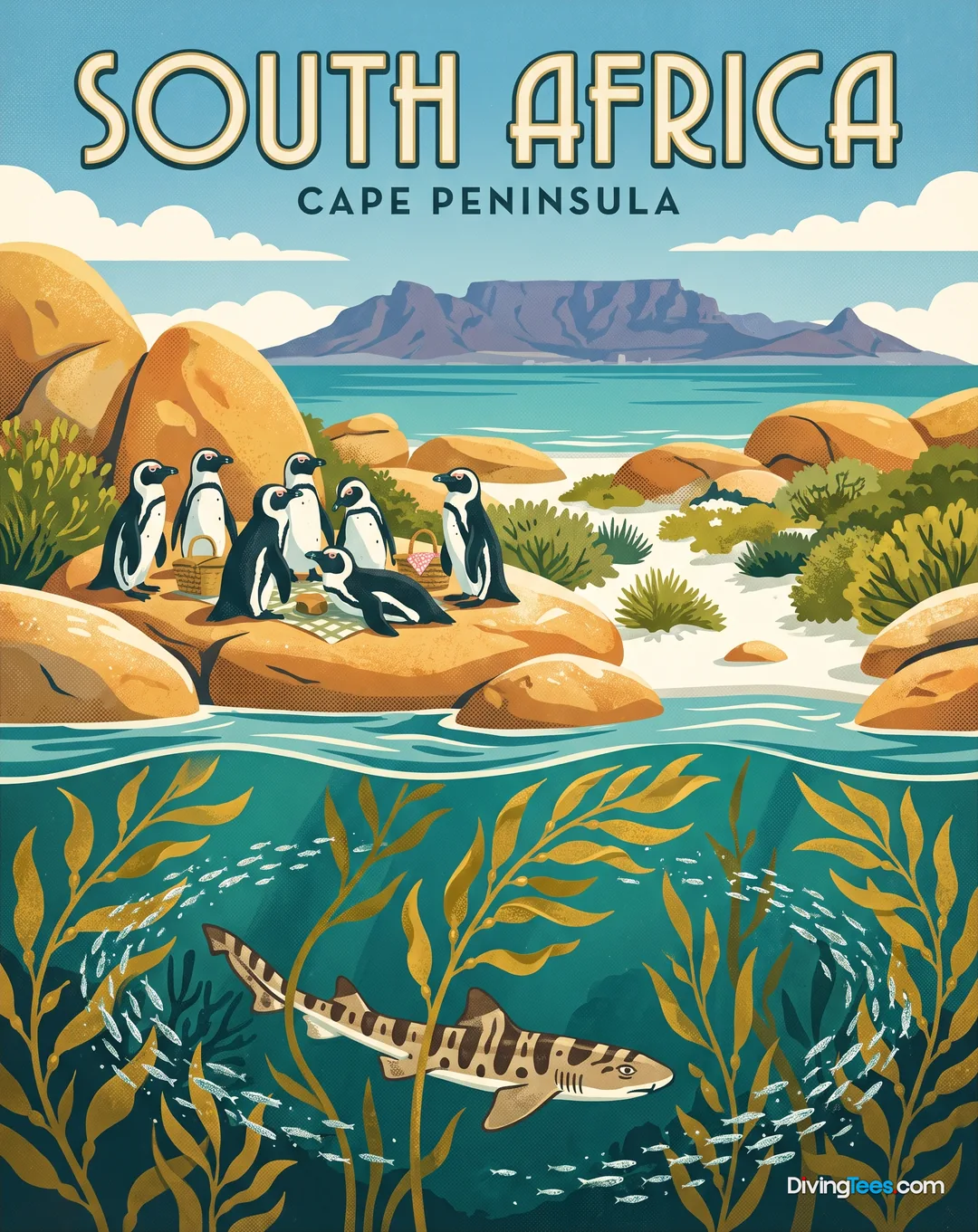
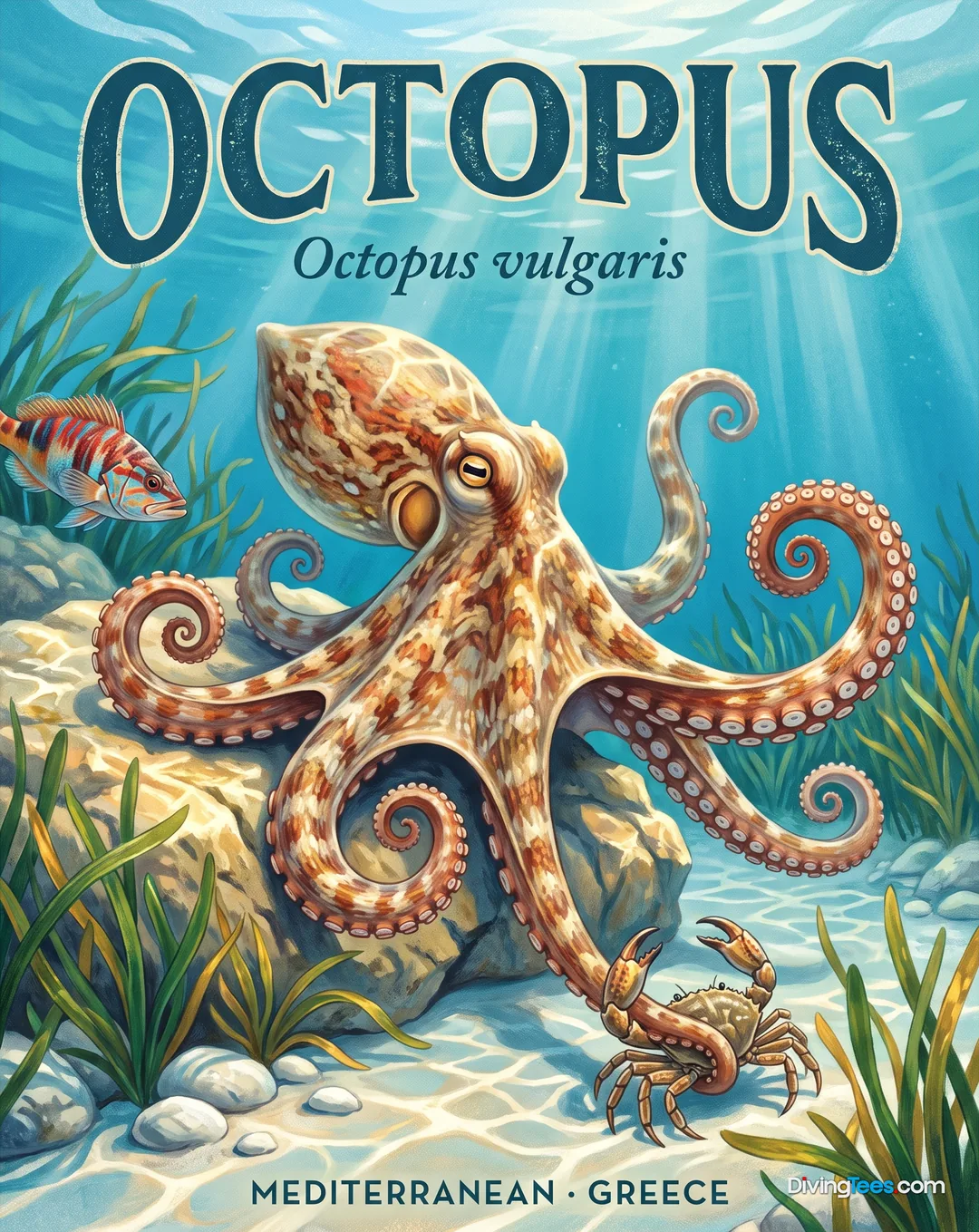
Beyond the dazzling nudibranchs, the benthic communities here are incredibly diverse. You'll encounter a wealth of crustaceans, including various lobsters, often tucked into crevices or foraging openly. Anemones of different shapes and hues anchor themselves to rocks, while starfish and brittle stars can be seen sprawling across surfaces. Look closely among the sponges and gorgonians, and you might spot the tell-tale eyes of an octopus or the camouflaged form of a cuttlefish among the rocky outcrops.
Fish life, though often overshadowed by the invertebrates, is equally compelling. The Klipvis (Clinidae), a family of blennies, is particularly well-represented here, with 34 species known to inhabit False Bay alone. These small, often colourful fish are masters of camouflage, blending seamlessly with their surroundings as they perch on rocks or navigate through the kelp, making for rewarding slow-motion observations.
The inherent nature of shore diving at False Bay lends itself to a more personal and unhurried exploration. Being able to access the site directly from the land allows for longer bottom times and a more intimate dive experience, often in smaller groups. This format is particularly appealing to underwater photographers, who benefit from the shallower depths and better available light, enhancing the vibrancy of the marine colours.
False Bay itself is part of a designated Marine Protected Area, a critical detail that underscores the pristine nature of these dive sites. This protection means that no marine organisms can be removed or disturbed, ensuring that the rich tapestry of life you observe remains undisturbed for future divers. This commitment to conservation directly contributes to the thriving ecosystem you experience during your dive.
Shore Dives in False Bay are accessible from Open Water Diver level or higher, making them suitable for a wide range of certifications. The dives typically reach a maximum depth of 12 metres, offering ample time to explore in the shallower, well-lit environment. Visibility here generally ranges from 5 metres to 15 metres, influenced by local conditions, and the site is diveable year-round.
You can dive Shore Dives year-round. Access from land lets you explore False Bay in a personal, unhurried way, often in smaller groups. The shallow setting also provides enhanced available light, which can help you appreciate marine colours and pursue underwater photography during your dive.
Shore Dives are accessible from Open Water Diver level or higher, making them suitable for a wide range of certifications. Dives typically reach a maximum depth of 12 metres, giving you ample time to explore a shallow, well-lit environment directly from shore.
At Shore Dives, visibility generally ranges from 5 metres to 15 metres and is influenced by local conditions. The dive remains relatively shallow, while the kelp filters sunlight into emerald green and gold shafts, creating a well-lit underwater environment with enhanced light for photography.
At Shore Dives, you can explore thick kelp forests and look for over 80 documented nudibranch species. Marine life also includes lobsters and other crustaceans, octopus, cuttlefish, anemones, starfish, brittle stars, sponges, gorgonians, and various Klipvis species among the rocky reef.