


Kibwana Divers Zanzibar
Google 4.9/5 (243 reviews)
5.4 km away as the crow flies
Zanzibar · Tanzania · Africa
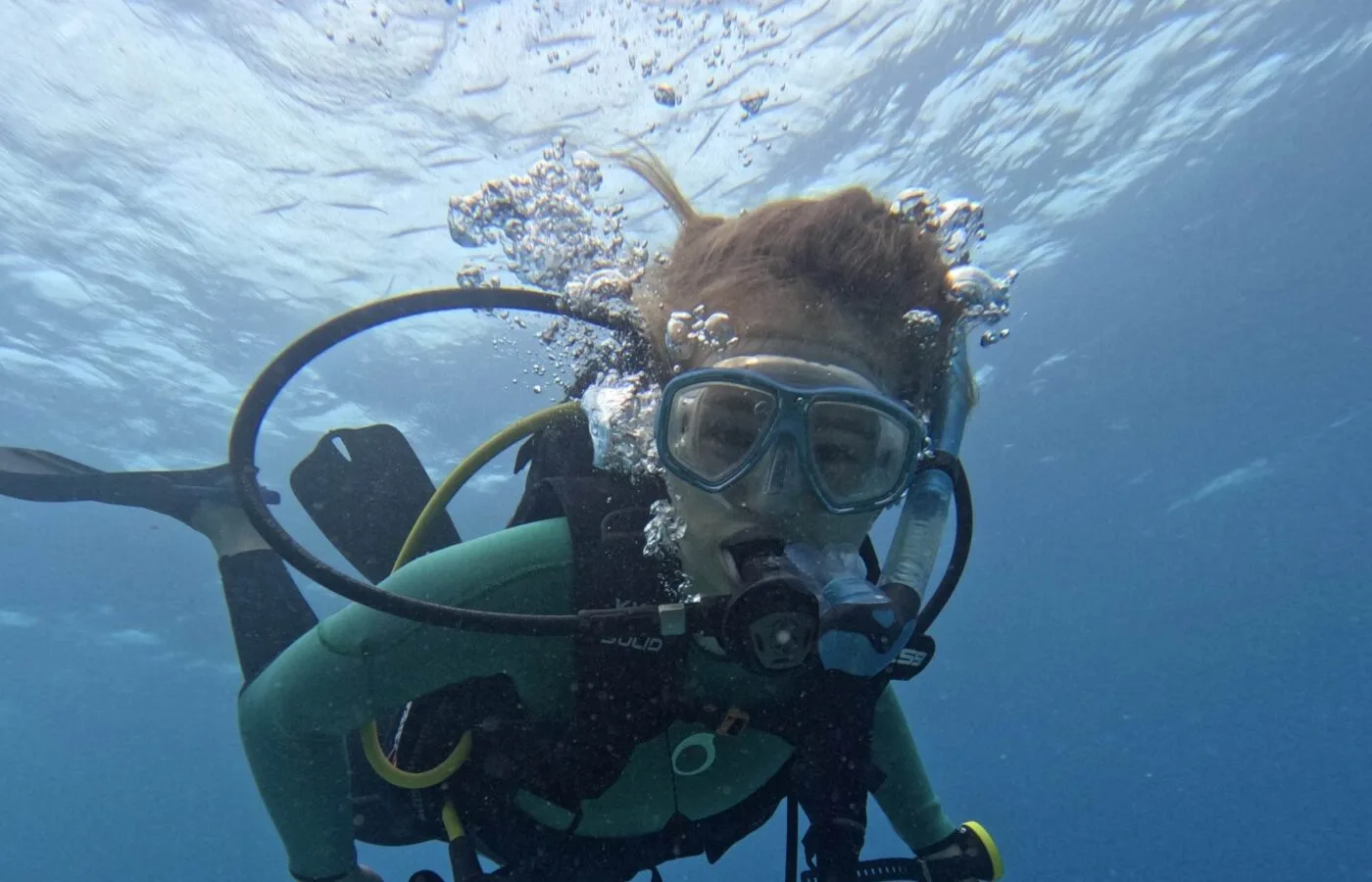
Max. depth · 30 mDescend along Kichwani's vibrant wall, a gentle slope alive with soft corals and swarms of reef fish, from the shallow sunlit reef crest down to 30 metres.
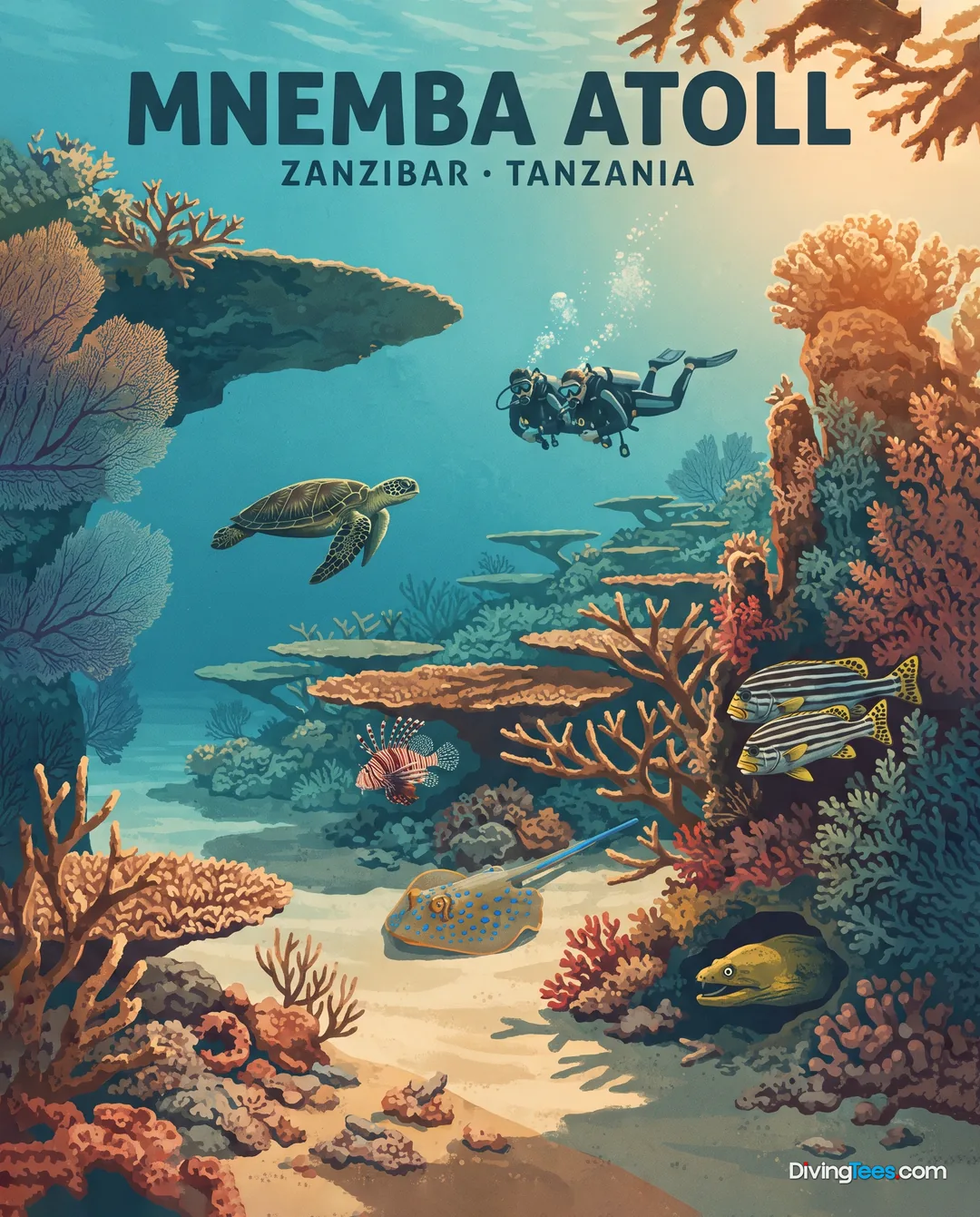
Kichwani presents a dive along a naturally sloping wall in the Mnemba Atoll, starting in the shallows at 2 metres and extending down to a maximum depth of 30 metres. The reef here is defined by its extensive coverage of soft corals, which create a continuous, colourful landscape as you move along the slope. This topography provides a rich habitat that sets the stage for a diverse array of reef life, offering a relaxed environment for observation.
As you descend, the gentle slope allows for a gradual depth profile, making it easy to manage your dive and bottom time while exploring the different sections of the wall. The abundant soft corals are a key feature, swaying gently with the subtle movements of the water. This living tapestry is home to numerous schooling reef fish, which add constant movement and colour to the underwater scenery as they feed and navigate the reef contours.
For divers taking their time and focusing on the detail, Kichwani reveals a more intricate ecosystem. Keep an eye out among the coral formations for smaller, well-camouflaged inhabitants. Pipefish (family Syngnathidae) are often found in the more sheltered areas, blending in perfectly with their surroundings. Similarly, leaf fish (Taenianotus triacanthus) can be spotted mimicking dead leaves, holding still as they ambush unsuspecting prey.
The site is also known for its nudibranchs, often found crawling on the soft corals or rocky substrates. These colourful sea slugs, or aeolid nudibranchs, are slow-moving and provide excellent opportunities for macro photography. Their presence indicates a healthy and biodiverse environment, where a variety of food sources supports these specific, often intricately patterned, molluscs.
Kichwani is accessible for beginner to intermediate divers, with a maximum depth of 30 metres. The site generally experiences light currents, allowing for comfortable exploration along the sloping wall. Visibility typically ranges between 10 and 30 metres. The best period to dive at Zanzibar is year-round, with dry seasons from June to October and December to March offering consistent conditions.
You can dive Kichwani year-round. Zanzibar’s dry seasons, from June to October and from December to March, offer consistent conditions. This makes the site suitable for planning a dive during either dry period, while diving remains possible throughout the rest of the year as well.
Kichwani is accessible to beginner and intermediate divers. The site generally has light currents, creating comfortable conditions for exploring its sloping wall. You can follow the gradual reef profile while managing your depth and bottom time, with visibility typically ranging from 10 to 30 metres.
Kichwani begins in shallow water at 2 metres and follows a naturally sloping coral wall down to 30 metres. The gradual depth profile lets you explore different sections of the wall as you descend, while the slope provides a straightforward setting for managing depth and bottom time.
At Kichwani, you can explore extensive soft coral coverage along the sloping wall, with numerous schooling reef fish moving across the reef. Look among sheltered coral areas for pipefish and leaf fish, and examine soft corals or rocky substrates for colourful, intricately patterned nudibranchs.