
Kibwana Divers Zanzibar
Google 4.9/5 (243 reviews)
4.3 km away as the crow flies
Zanzibar · Tanzania · Africa
Max. depth · 20 mDescend into Wattabomi, where Mnemba Atoll's Moray Eel City transitions into a puzzle of coral blocks teeming with elusive macro life and vibrant reef fish.
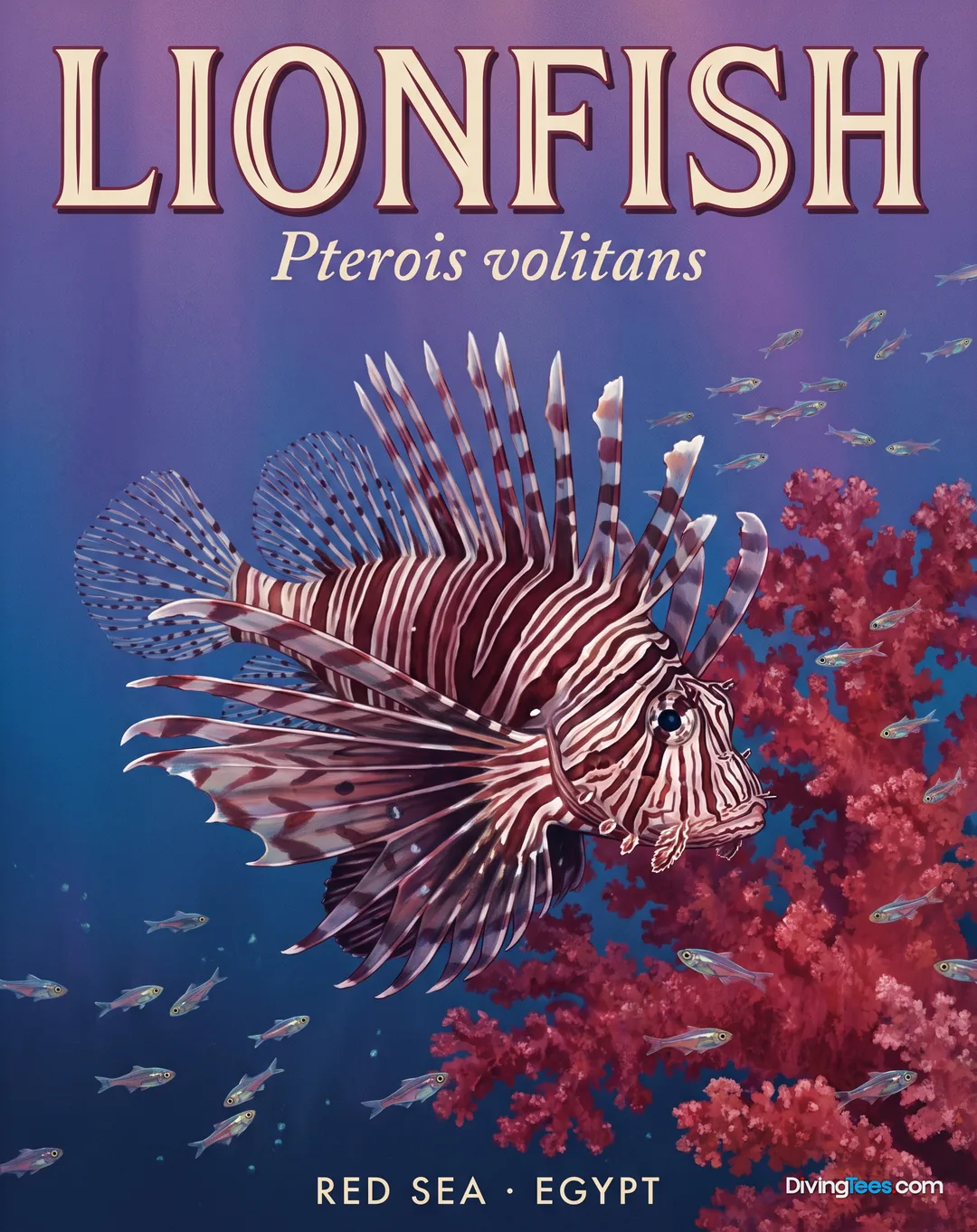
Diving Wattabomi at Mnemba Atoll submerges you into a vibrant reef that caters to a broad spectrum of dive experience. The adventure begins shallow, at a comfortable 5 metres, in an area affectionately known as Moray Eel City. Here, the reef is densely populated, a complex ecosystem where you'll immediately encounter the characteristic lionfish (Pterois miles/volitans), scorpionfish (Scorpaenopsis spp.), and numerous moray eels (Muraenidae) that give the spot its name, often peeking from their coral crevices.
As you move beyond Moray Eel City, the site gently slopes downwards, offering a natural progression through a range of depths right up to 20 metres. This gradual incline is a key feature of Wattabomi, allowing you to tailor your dive profile to your comfort and certification level. The dive unfolds over a unique topography—a sprawling puzzle of interconnected coral blocks, creating an intricate landscape that begs for close inspection.
Within this coral labyrinth, the focus shifts to the more camouflaged and elusive residents. Keep your eyes sharp for frogfish (Antennariidae), masters of disguise blending seamlessly with their surroundings on the coral. Leaf fish (Taenianotus triacanthus) sway gently, mimicking fallen leaves, while stonefish (Synanceia horrida) lie perfectly still, awaiting unsuspecting prey. These creatures require a keen eye and a patient approach, rewarding dedicated exploration.
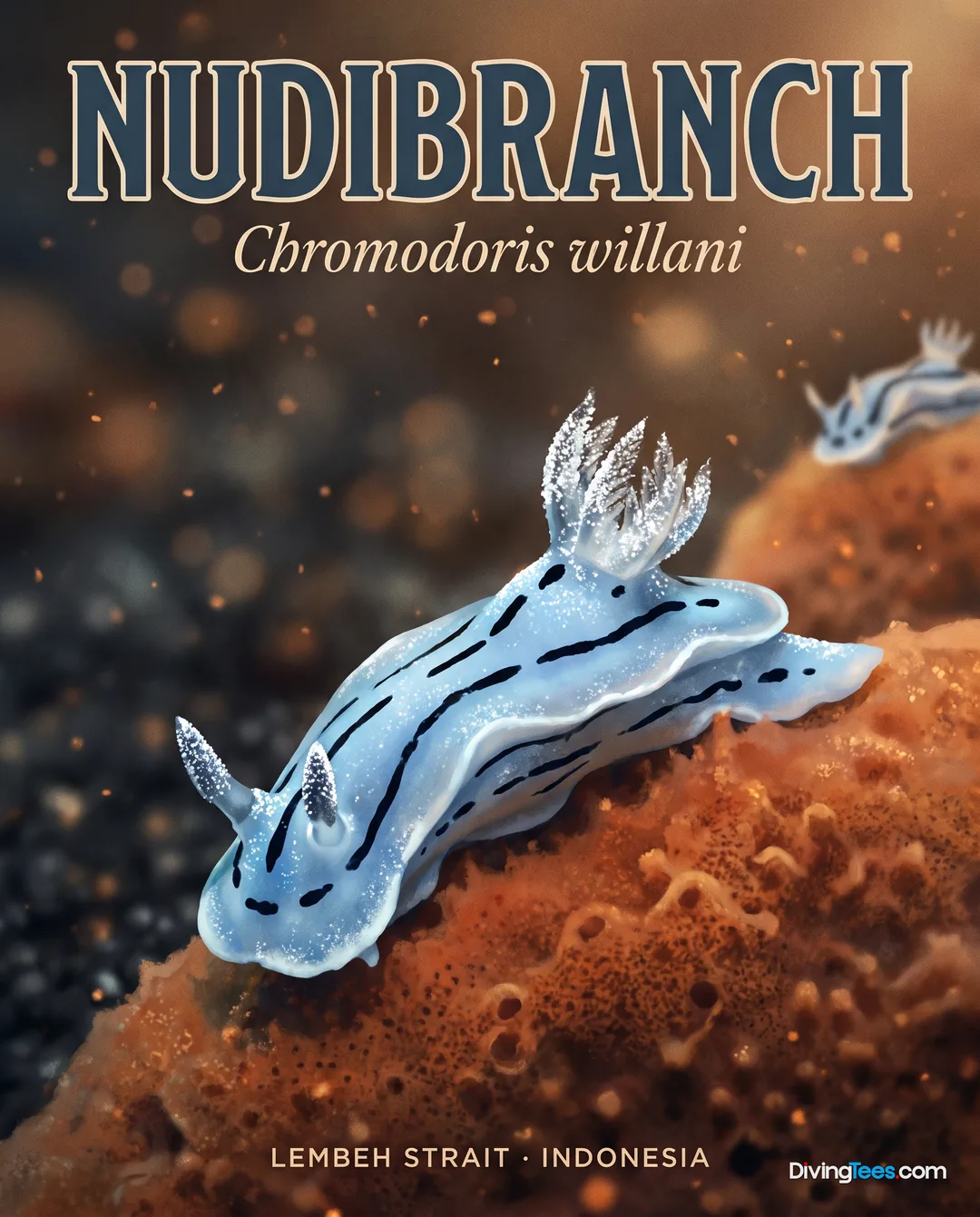
The intricate structure of Wattabomi's coral formations also provides a home for a rich variety of smaller invertebrates, showcasing the reef's incredible biodiversity. You'll discover the delicate beauty of anemone shrimp (Periclimenes spp.) nestled among their host anemones, along with the distinctive patterns of porcelain crabs (Porcellanidae). The vibrant colours and textures extend to an abundance of nudibranchs (Nudibranchia), making this site a macro photographer's dream and a delight for any diver who appreciates the smaller wonders of the underwater world.
Beyond the specific identified species like lionfish, scorpionfish, and moray eels, the reef here is alive with a general profusion of reef fish. Anthias (Pseudanthias squamipinnis) schools shimmer over the coral heads, adding dynamic movement and flashes of colour to the underwater scenery. This constant activity, combined with the varied inhabitants specific to the coral blocks, ensures that every section of Wattabomi offers new discoveries.
Wattabomi is accessible for beginner to intermediate divers, with a minimum depth of 5 metres and a maximum depth of 20 metres. While currents are generally light, a gentle slope facilitates comfortable diving. The dive site is good all year round, with a dry season from June to October and December to March.
You can dive Wattabomi all year round. The stated dry seasons run from June to October and from December to March, so those periods are specifically identified for planning. The site remains presented as a year-round option rather than one limited to a single season.
Wattabomi is accessible to beginner and intermediate divers. Its gentle slope lets you choose a depth that matches your comfort and certification level, while the reef’s structure provides plenty to explore. This makes the site suitable for divers developing confidence as well as those with more experience.
Wattabomi ranges from a minimum depth of five metres to a maximum of twenty metres. Currents are generally light, and the gentle slope supports comfortable diving. The gradual profile also lets you move through different depths and tailor your dive to your comfort and certification level.
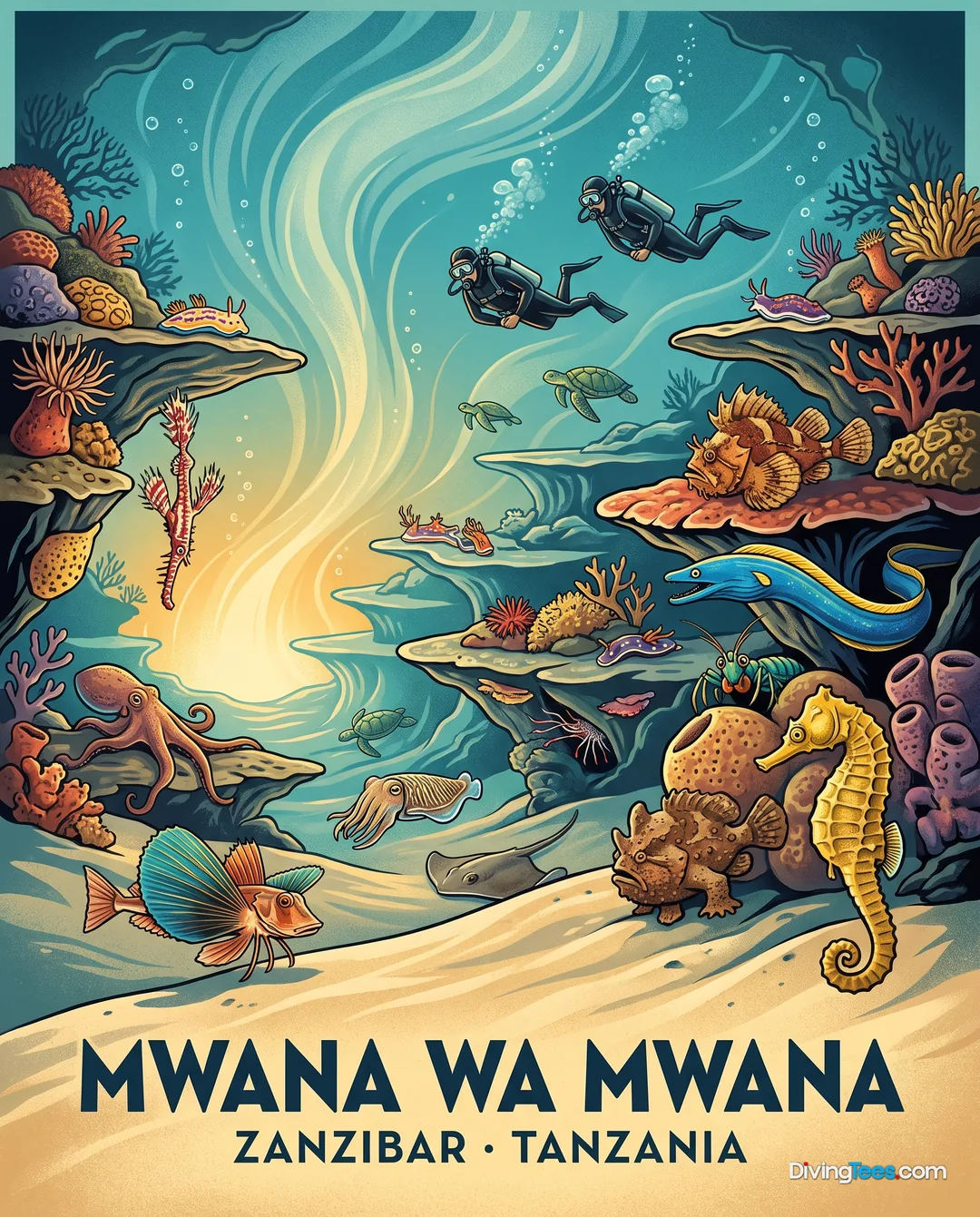
At Wattabomi, you can see moray eels, lionfish, and scorpionfish around Moray Eel City. Coral blocks shelter frogfish, leaf fish, and stonefish, while anemone shrimp, porcelain crabs, and nudibranchs add macro interest. Anthias schools move above the coral heads, alongside a range of reef fish.