
Ocean Lovers Taganga
Google 4.9/5 (776 reviews)
less than 1 km away as the crow flies
Santa Marta · Colombia · Americas
Max. depth · 40 mExplore the diverse underwater terrain around Taganga, from sheltered sandy bays to current-influenced reef walls reaching 40 metres.
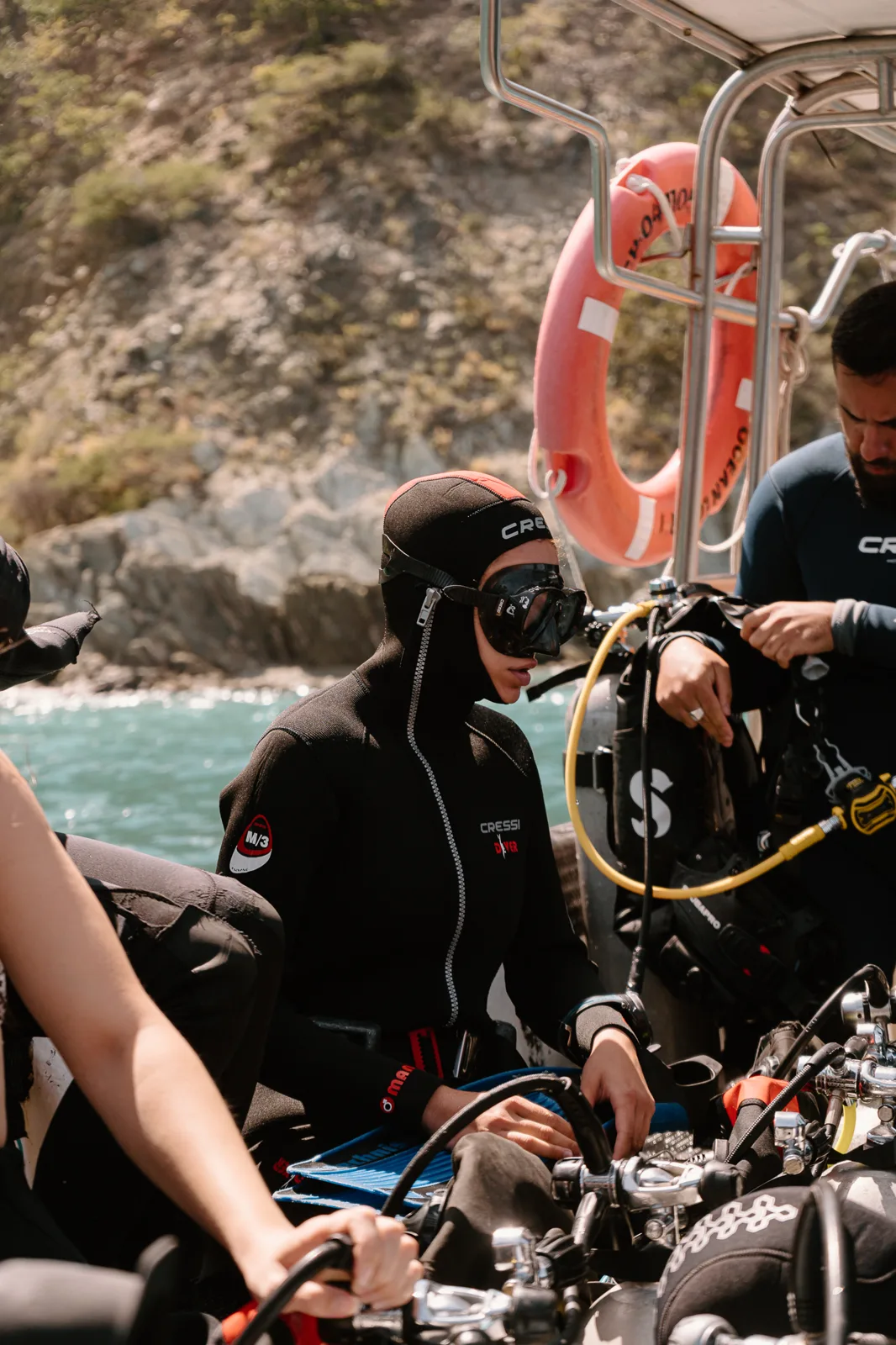
Taganga isn't a single dive site but rather a collection of distinct locations scattered off the coast of Taganga itself and extending into the waters of nearby Tayrona National Natural Park. This geographic spread means you'll encounter a broad range of underwater environments, from calm, sandy bay areas near the shore to more exposed, sloping reef walls further out. The access is primarily by boat, with typical travel times from Taganga ranging from 10 to 30 minutes, allowing for quick transitions between different dive profiles.
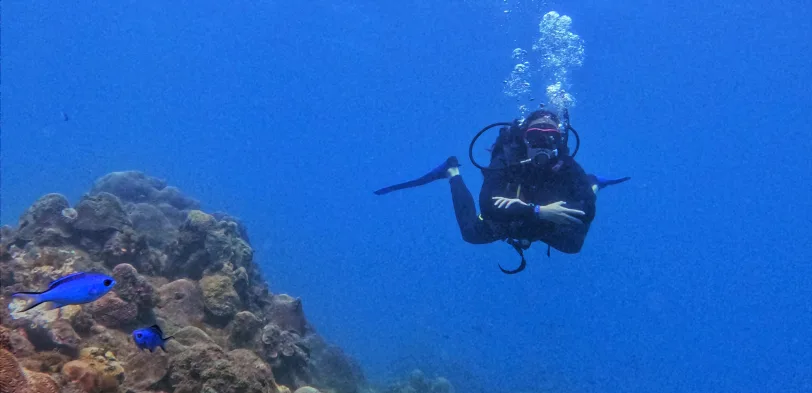
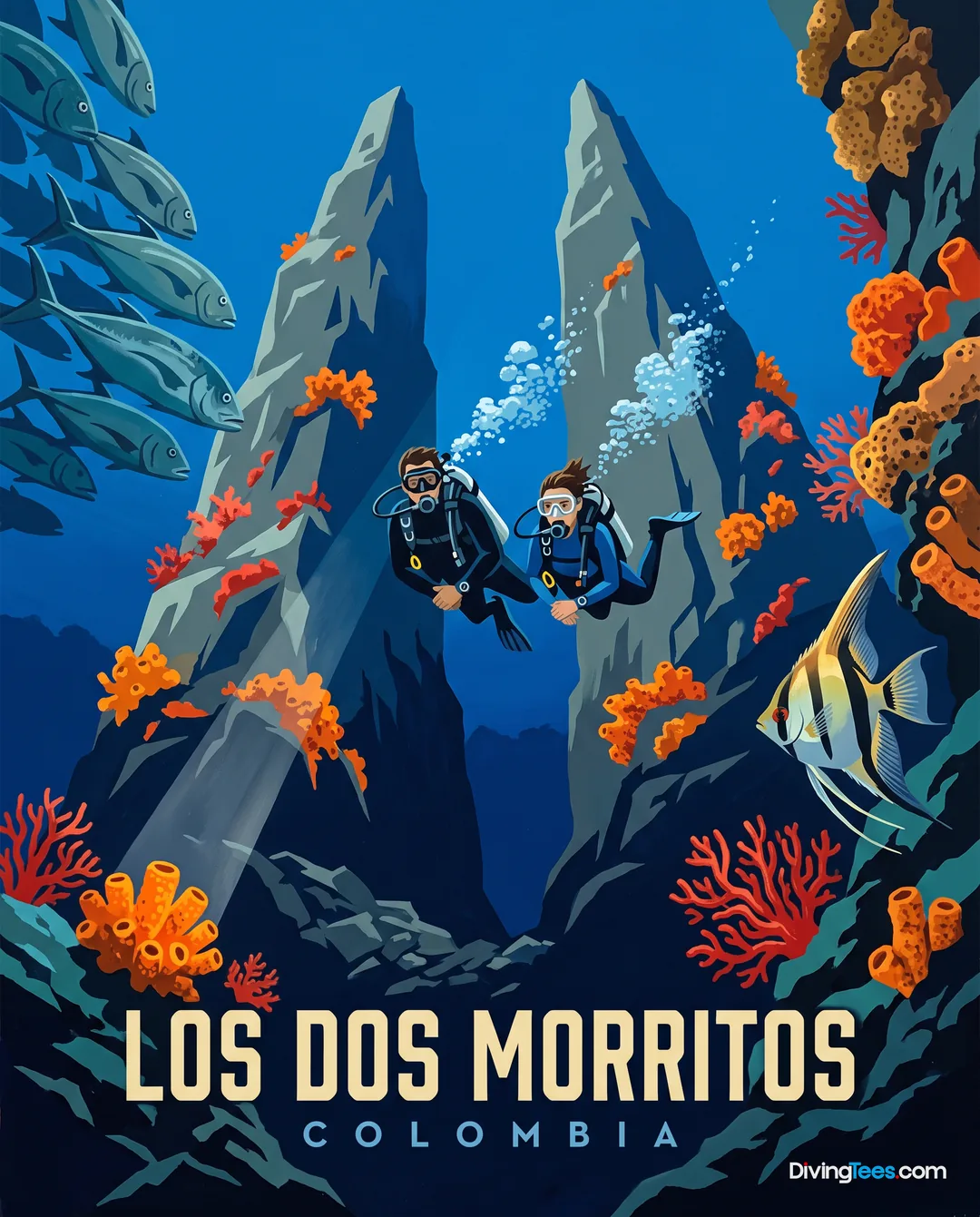
The underwater topography shifts significantly from one site to another. Closer to shore, you'll often descend into shallow, sheltered bays, ideal for checking gear and getting comfortable. As you venture towards sites like Punta Aguja or El Salidero, the profile changes to rocky reefs adorned with coral patches, some featuring small swim-throughs to explore. Deeper areas, particularly those in Tayrona waters, often present sloping reef walls interspersed with large boulders, creating a dynamic landscape that changes with depth.
Depths here cater to a wide range of experience, starting as shallow as 3 metres and dropping to 40 metres. This allows for multilevel diving, where you can spend your safety stop observing the activity in the shallower coral gardens after exploring the deeper sections. Some locations also incorporate artificial reef structures or pier environments, adding another dimension to the dive, contrasting with the natural coral and hard-bottom reefs found elsewhere.
Visibility in the Taganga area is generally good, often ranging from 10 to 30 metres, and on exceptional days, it can push beyond 30 metres, particularly during the dry season. This clear water, combined with varied light penetration depending on the depth and overhead topography, illuminates a vibrant reef. You'll find abundant small reef life, large sponges, and rich coral formations, especially noted at sites such as Punta Aguja and El Salidero, where the health of the ecosystem is evident.
Currents are variable, which is a key characteristic of diving here. You might find generally mild conditions in sheltered bay sites, offering relaxed exploration. However, venturing to deeper, more exposed locations, particularly within Tayrona, can introduce moderate currents, sometimes requiring a drift dive. These conditions fluctuate with the seasons, with sea state and visibility also impacted by windier or rainier periods, so understanding the local patterns is important for planning.
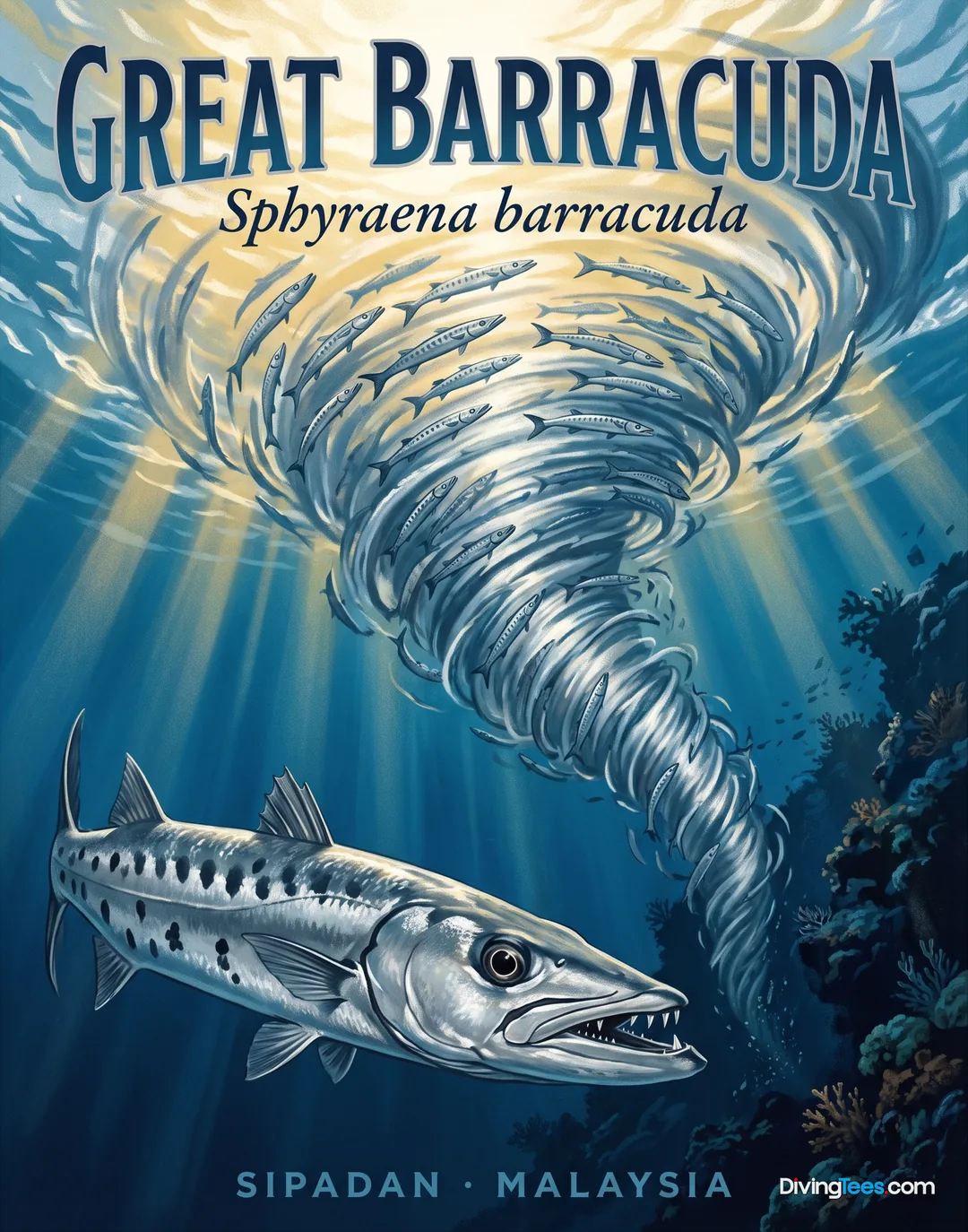
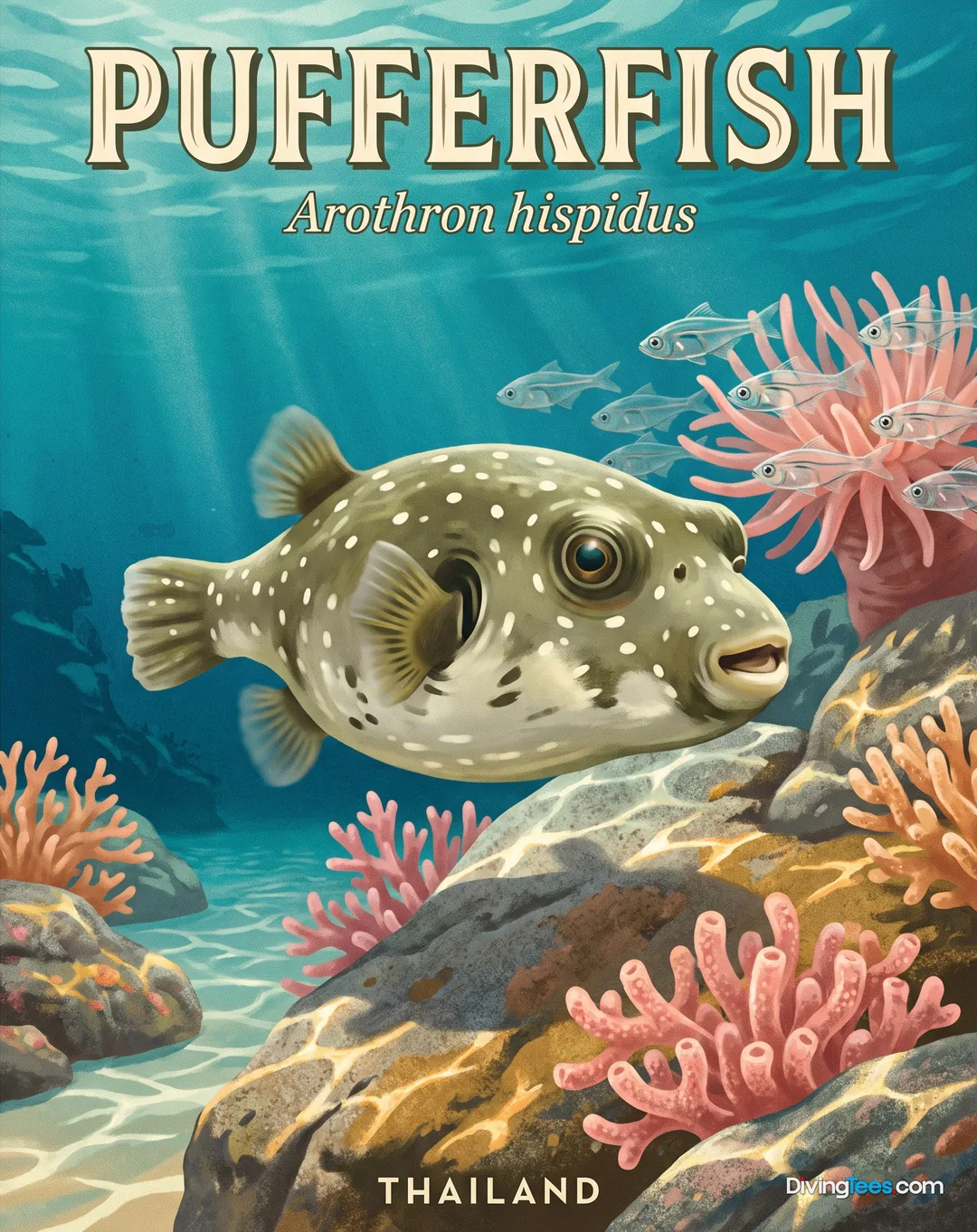
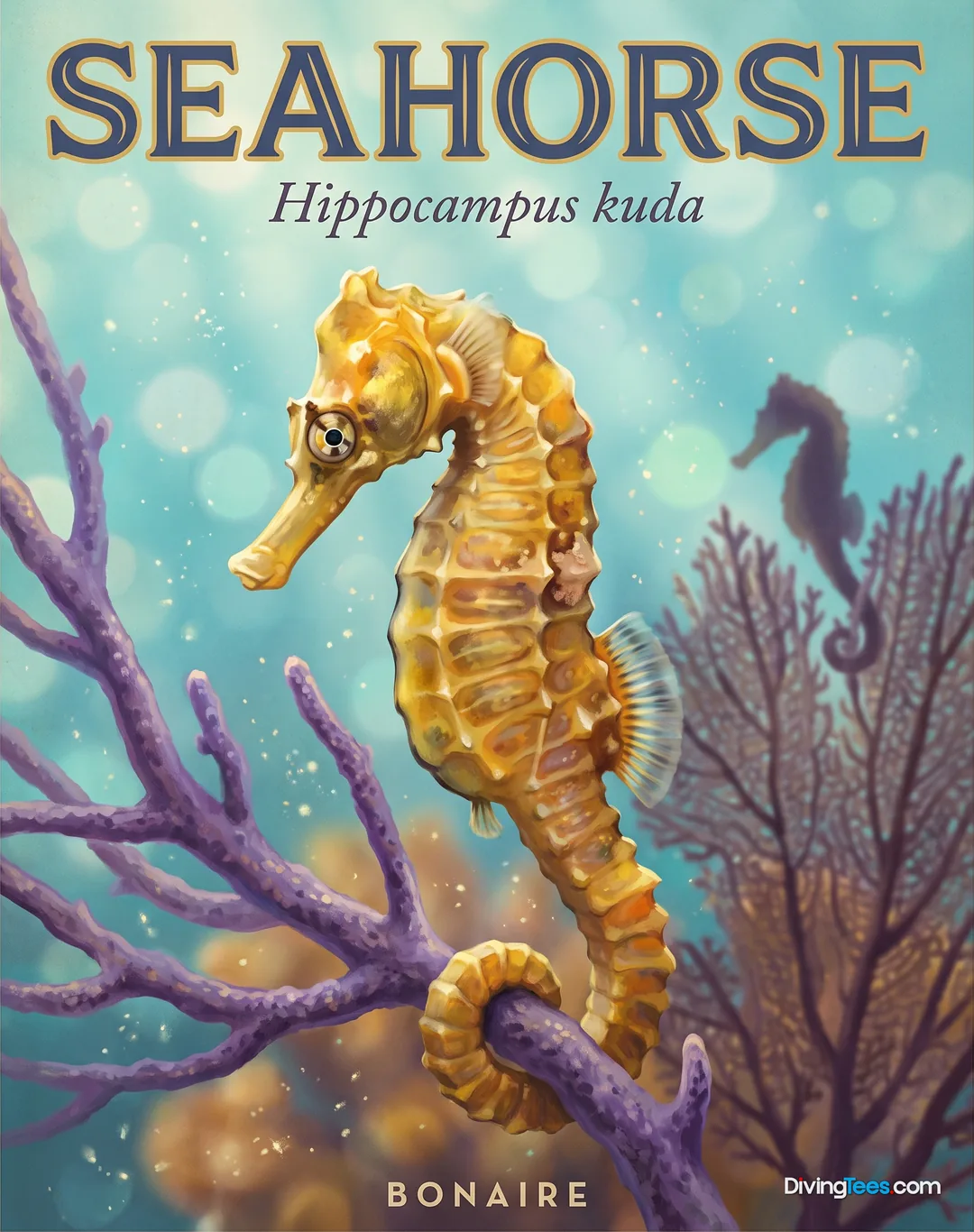
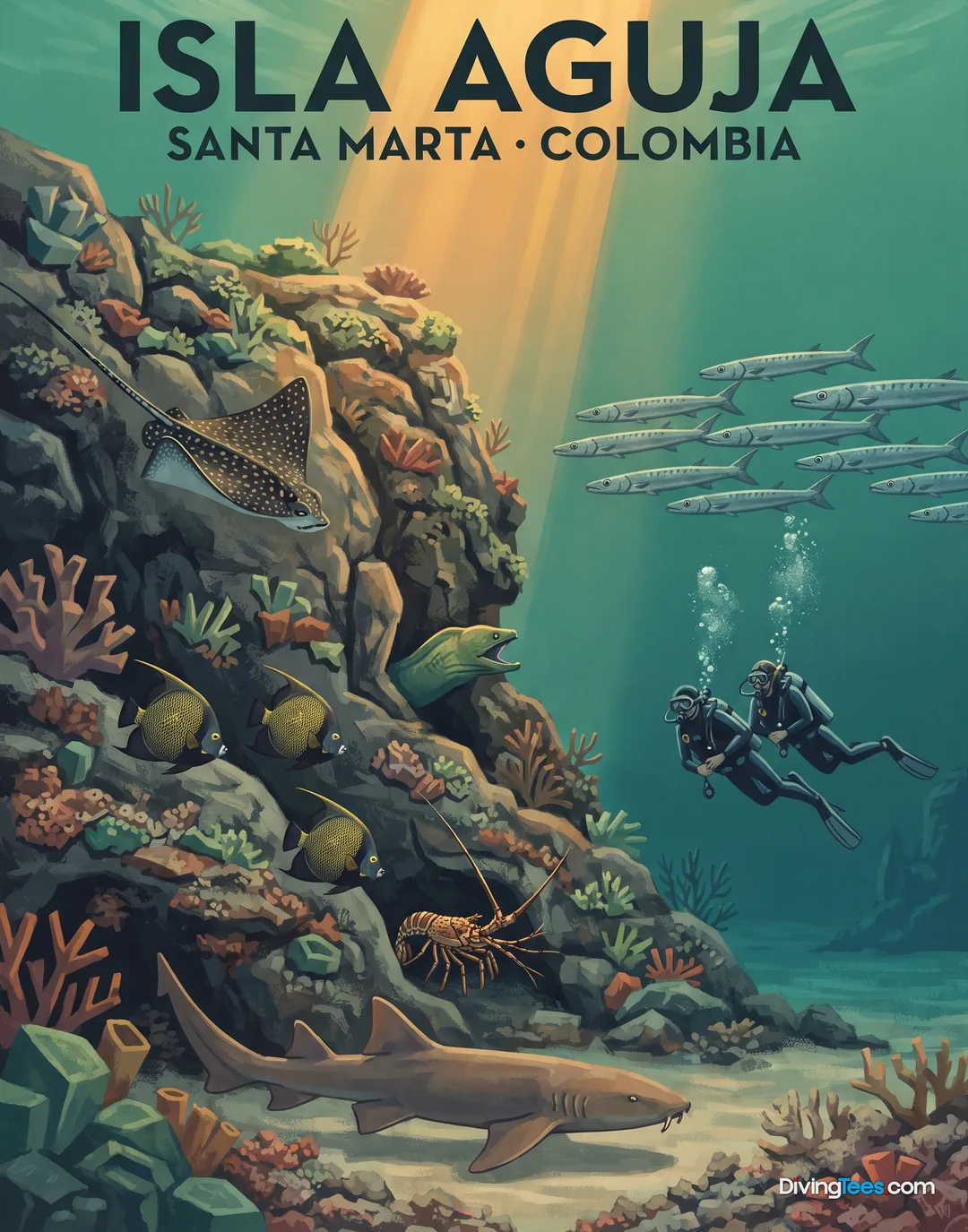
As you move along the reefs and walls, keep an eye out for the resident marine life. You’ll frequently encounter angelfish, pufferfish, and trumpetfish navigating the coral. Barracudas often patrol the open water just off the reef, while moray eels hide in crevices. Octopus might be seen camouflaged against the rocks, and rays can be spotted gliding over sandy patches. Seahorses are a common find for those with a keen eye, often clinging to gorgonians or small corals, particularly in the calmer areas.
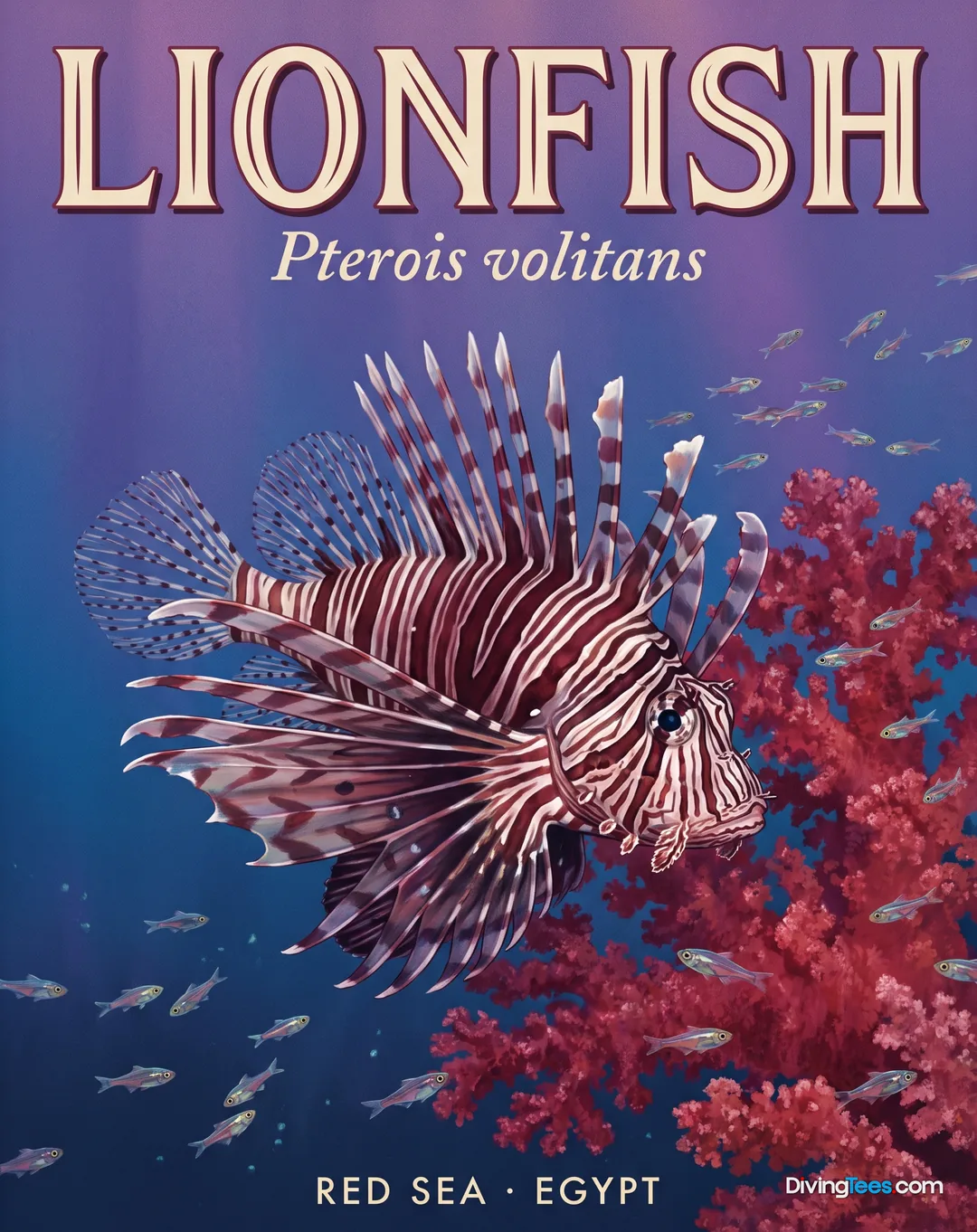
Deeper sections and more exposed areas also host larger species. You might see turtles cruising by, and lionfish, while invasive, are also present. The schooling fish are well represented by grunts, sergeant majors, and jacks, often gathering in significant numbers. Garden eels sway gently from sandy bottoms, reacting to your approach by retreating into their burrows, and lobsters can be found tucked away in rocky overhangs, particularly during night dives.
What sets Taganga apart is its diversity packed into a relatively small area. It offers a practical mix of beginner-friendly sites and more challenging options for experienced divers, all within a short boat ride. This allows for varied itineraries even on multi-day trips, ensuring that each dive provides a fresh experience without excessive travel time, making it a compelling destination for those looking to explore different Caribbean underwater landscapes in one location.
Dive depths around Taganga range from a minimum of 3 metres in shallow bays, extending down to a maximum of 40 metres on deeper reef walls. Most sites are accessible from Open Water Diver level, though some deeper locations with potential for moderate current are better suited for Advanced Open Water divers or those with at least 50 logged dives and comfort in variable conditions. Visibility typically ranges from 10 to 30 metres, occasionally exceeding 30 metres, with the clearest conditions usually found between December and April. While diving is possible year-round, calmer seas are generally reported outside the strongest windy periods.
You can dive Taganga year-round, with calmer seas generally reported outside the strongest windy periods. Visibility typically ranges from 10 to 30 metres and can occasionally exceed 30 metres. The clearest conditions are usually found between December and April, while windier or rainier periods may affect sea state and visibility.
You can explore most Taganga dive sites with Open Water Diver level experience, including shallow, sheltered bays. Some deeper locations, especially more exposed areas in Tayrona waters, are better suited to Advanced Open Water divers or divers with at least 50 logged dives who are comfortable in variable conditions.
Taganga dives range from 3 metres in shallow bays to 40 metres on deeper reef walls, allowing multilevel profiles. Currents vary by location: sheltered bays are generally mild, while deeper, exposed sites may have moderate currents and sometimes require a drift dive. Sea conditions also change with the seasons.
You can look for seahorses, octopus, angelfish, pufferfish, trumpetfish, moray eels, rays, barracudas, turtles, lionfish, grunts, sergeant majors, jacks, garden eels, and lobsters. Taganga also features coral formations, large sponges, rocky reefs, sandy patches, sloping walls, boulders, and small swim-throughs across its varied dive locations.