
Scuba Iguana
Google 4.7/5 (357 reviews)
64 km away as the crow flies
Santa Cruz Island · Ecuador · Americas
Max. depth · 30 mA compact volcanic islet offering a rare mix of terraced black coral ledges and open-water shark encounters.
For subtitles in English: start the video firstthen click the gearat the top right of the video, select “Subtitles/CC”, then “Auto-translate” and choose “English”.
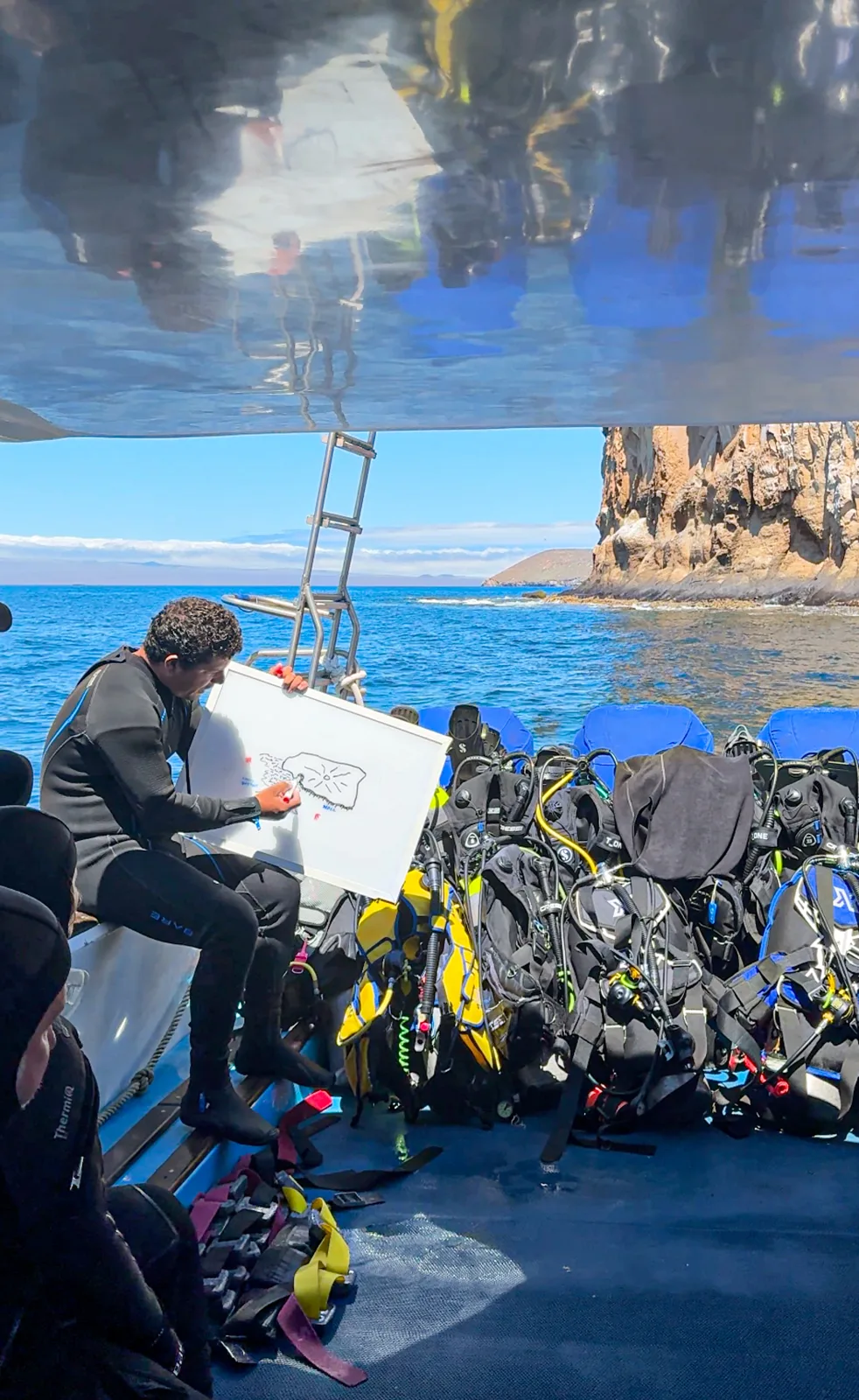
Cousins Rock is a distinct, triangular volcanic islet formed from an eroded tuff cone, sitting isolated off the northeastern coast of Santiago Island. Unlike the vast, sprawling reefs found elsewhere in the archipelago, this site is a compact, concentrated pinnacle that rises from the depths to create a complex underwater topography. The structure is defined by its ruggedness, presenting a series of stepped terraces, narrow ledges, and significant overhangs that break up the descent. Divers typically approach by boat and descend along the contours of the rock, moving from the shallower reef sections toward the steeper wall segments. The site’s volcanic origin provides a hard, irregular substrate that supports a dense concentration of life.
The dive profile follows the natural geometry of the rock, which transitions from shallow platforms to a maximum depth of approximately 30 metres. As you descend, the topography shifts from accessible ledges to more vertical wall sections and deep overhangs. Below the main structure of the pinnacle, the terrain gives way to a sandy bottom, providing a different ecological zone than the hard-rock sections. Navigating these terraces requires careful attention to depth and orientation to ensure you follow the natural contours of the rock. The layout allows you to move between different micro-habitats, shifting from the protection of the ledges to the exposed edges of the wall.
The vertical walls and overhangs are heavily populated with a variety of sessile organisms that thrive on the nutrient-rich currents. You will find extensive growth of black coral, sea fans, and various sponge species that coat the rock faces. These structures create a complex labyrinth of hiding spots and crevices, particularly within the stepped terraces. This biological richness provides the necessary habitat for smaller, more elusive species. The contrast between the dark, volcanic rock and the vibrant colors of the sea fans and corals defines the visual character of the descent.
A primary draw of Cousins Rock is its role as a cleaning station, specifically for large pelagic species. It is common to see spotted eagle rays hovering near the ledges, utilizing the current to intercept smaller organisms. This predictable behavior makes the site a reliable location for observing rays in a controlled, relatively compact area. The interaction between the reef structure and the passing pelagics creates a dynamic environment where the focus shifts frequently between the rock face and the open water. Watching these rays navigate the currents around the pinnacle is a central part of the site experience.
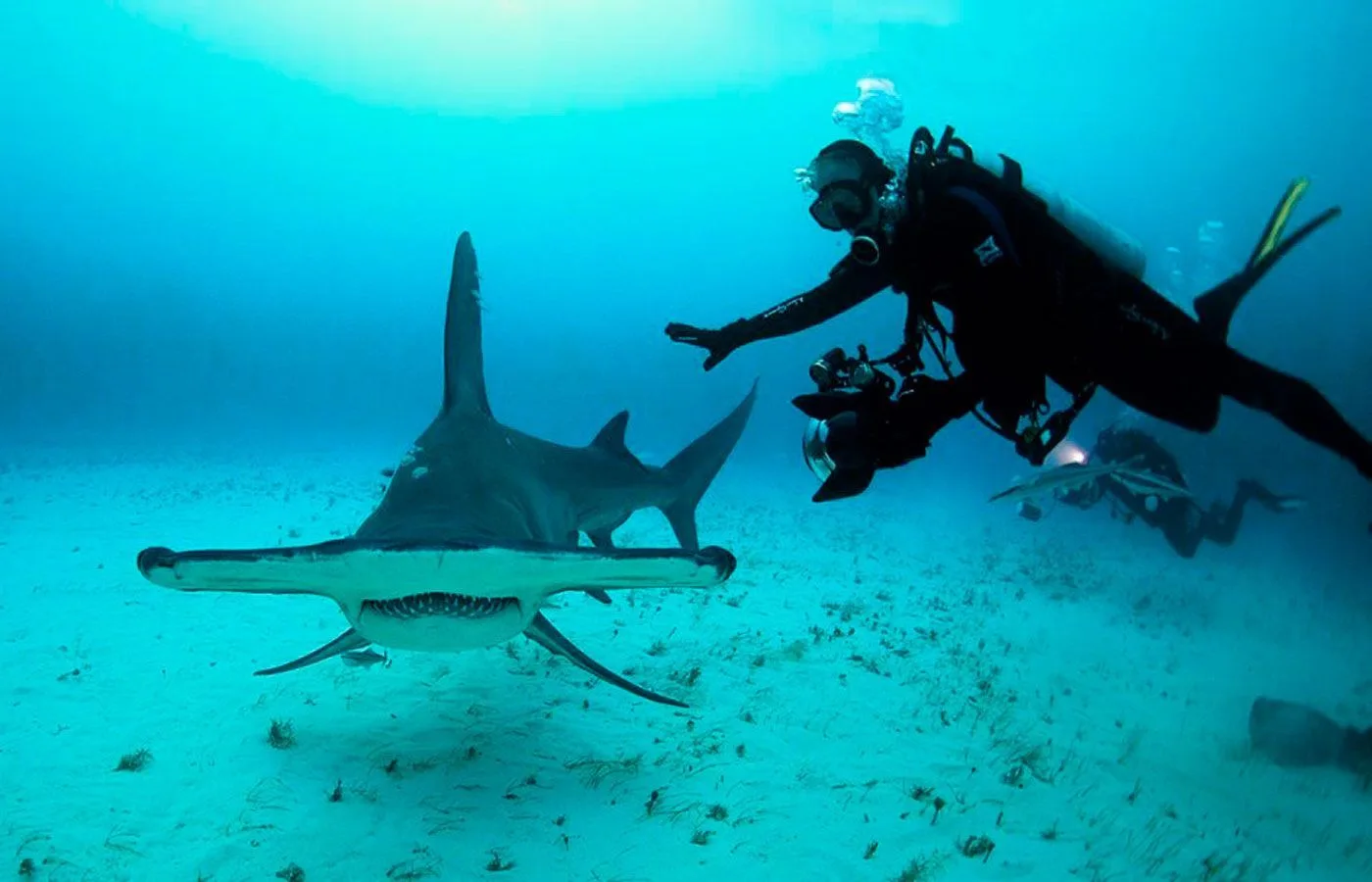
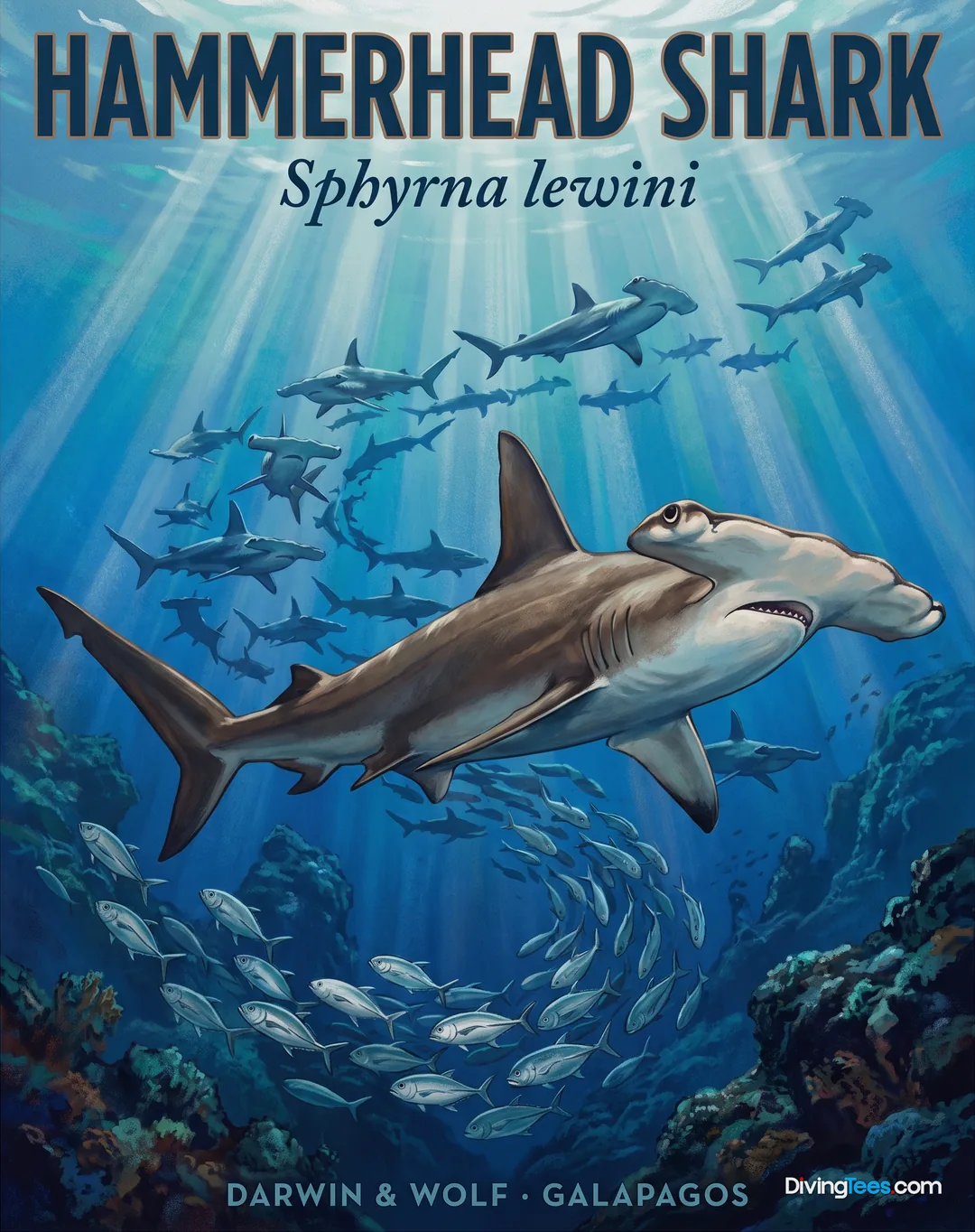
The blue-water component of the dive is equally significant, as the pinnacle's isolation attracts larger predators. Hammerhead sharks are frequently sighted in the vicinity, often circling the upper sections of the rock or passing through the deeper water. You may also encounter whitetip reef sharks patrolling the reef edges or resting near the deeper crevices. The presence of these sharks is often linked to the nutrient flow around the islet, which supports the entire local food chain. Being able to monitor both the reef detail and the open water simultaneously is a key aspect of diving this specific location.
Closer inspection of the reef's crevices and the undersides of the ledges reveals a different side of the site's ecology. The habitat is well-suited for macro life, including frogfish and seahorses that rely on the complex coral and sponge structures for camouflage. You can also find moray eels tucked into the volcanic cracks, often watching the passing divers from the safety of the overhangs. Green sea turtles are also frequently observed moving along the reef margins. This duality—having large sharks in the blue while spotting small, cryptic creatures in the ledges—is what distinguishes Cousins Rock from more uniform dive sites.
Visibility at the site is generally good, typically ranging between 9 and 18 metres, though it can fluctuate depending on local conditions. The light filtering down onto the volcanic tuff creates a high-contrast environment, especially when looking toward the deep blue surrounding the pinnacle. The interaction of the current with the rock's shape can create localized areas of calm or sudden surges, making buoyancy control essential for maintaining a steady position near the corals. Managing your position relative to the current allows you to hover effectively over the terraces for long periods while observing the passing fauna.
Because the site is an isolated pinnacle, it acts as a focal point for marine life within the regional ecosystem. The combination of the steep verticality and the sheltered ledges provides a variety of niches that support a high density of species in a relatively small area. Whether you are focused on the macro details of the sponges and sea fans or the large-scale movement of sharks and rays, the site offers a layered experience. The transition from the hard reef structure to the sandy bottom at depth completes the geological and biological profile of the islet.
The site has a depth range of 5 to 30 metres. It is an Advanced level site, and experienced divers with significant current or drift-diving experience are highly recommended due to the site's topography and variable currents. Currents can range from light to strong around the isolated pinnacle, necessitating precise buoyancy control. Expected visibility is between 9 and 18 metres.
Cousins Rock is an Advanced level site. You should have significant experience with current or drift diving because its isolated pinnacle has rugged topography, stepped terraces, narrow ledges, overhangs, and vertical wall sections. Precise buoyancy control is important while navigating the contours and maintaining position near the volcanic reef.
Cousins Rock ranges from five to thirty metres deep. The dive profile follows the volcanic pinnacle from shallow reef platforms and stepped ledges toward steeper walls, deep overhangs, and a sandy bottom below the main structure. You should monitor your depth and orientation as the terrain changes during the descent.
Currents at Cousins Rock can range from light to strong around the isolated pinnacle. The rock’s shape may create localized calm areas or sudden surges, so you need precise buoyancy control and careful positioning near corals and ledges. Significant current or drift-diving experience is highly recommended for managing the changing flow.
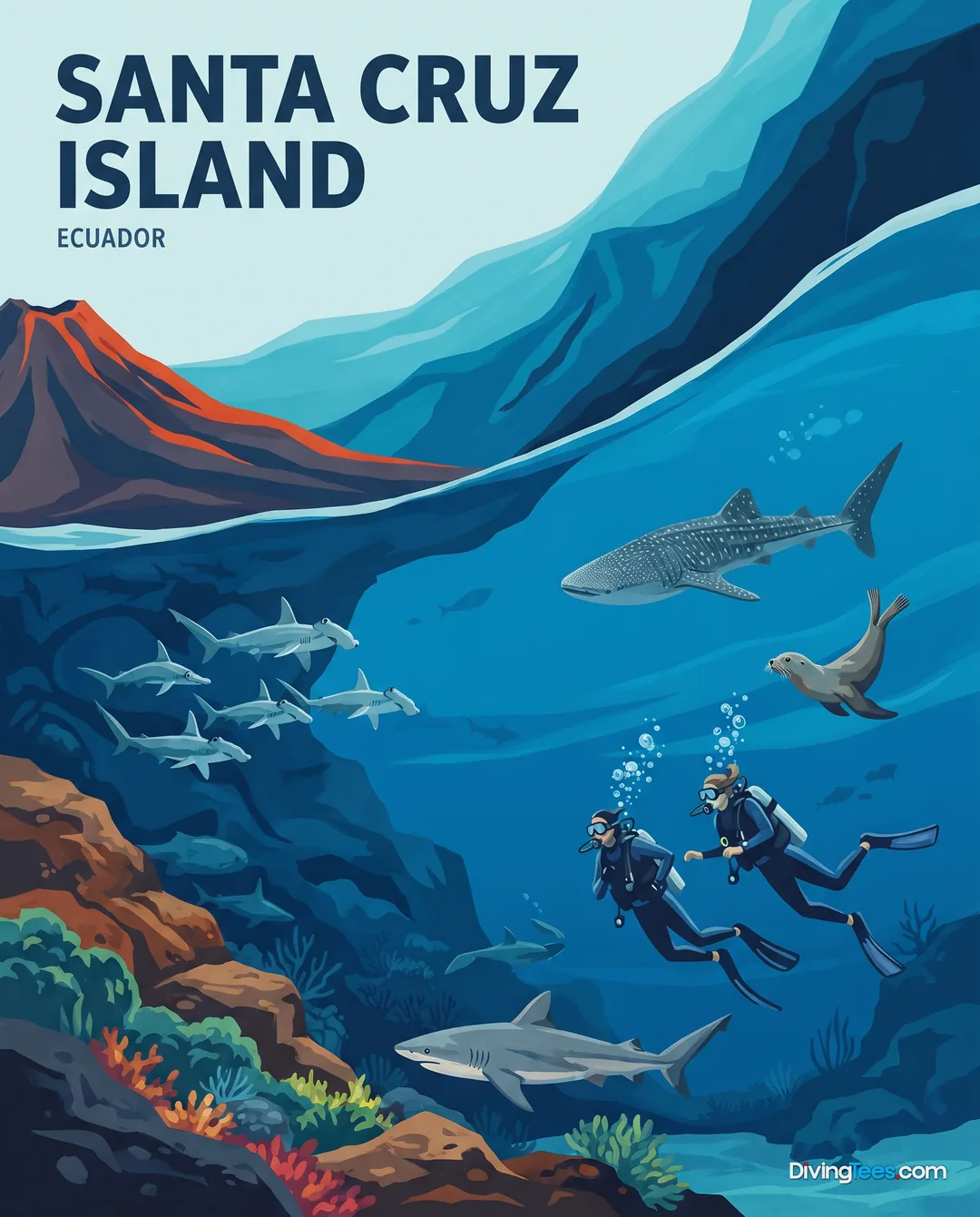
At Cousins Rock, you can see stepped volcanic terraces, black coral, sea fans, sponges, and diverse habitats from coral walls to sandy bottom. Spotted eagle rays, hammerhead sharks, whitetip reef sharks, frogfish, seahorses, moray eels, and green sea turtles may appear, while the cleaning station attracts large pelagic species.