

Scuba Iguana
Google 4.7/5 (357 reviews)
32 km away as the crow flies
Santa Cruz Island · Ecuador · Americas
Max. depth · 18 mExplore shallow basaltic formations and underwater arches in one of the most protected dive sites in the Galapagos.
For subtitles in English: start the video firstthen click the gearat the top right of the video, select “Subtitles/CC”, then “Auto-translate” and choose “English”.
Santa Fe is situated along the southeast and north/east coasts of Santa Cruz Island, providing a distinct topographic contrast to the more exposed sites in the Galapagos. The underwater landscape is defined by basaltic lava rock coastlines that transition into patches of coral reef and sandy banks. Unlike the sheer, vertical walls found elsewhere in the region, much of this site consists of shallow sloping reefs and complex rocky bottoms. This topography creates a variety of micro-habitats that support a dense population of resident marine life.
Approaching the site, you will encounter several distinct zones, including the sheltered anchoring areas of El Fondeadero. The seabed here is relatively accessible, with depths primarily concentrated between 9 and 18 metres. Divers can navigate through easy swim-throughs and cavern-like passages, particularly around the 16-metre mark. These formations provide excellent opportunities for buoyancy practice and exploration within a controlled environment. The basaltic structure provides plenty of crevices for smaller organisms and larger reef residents to inhabit.
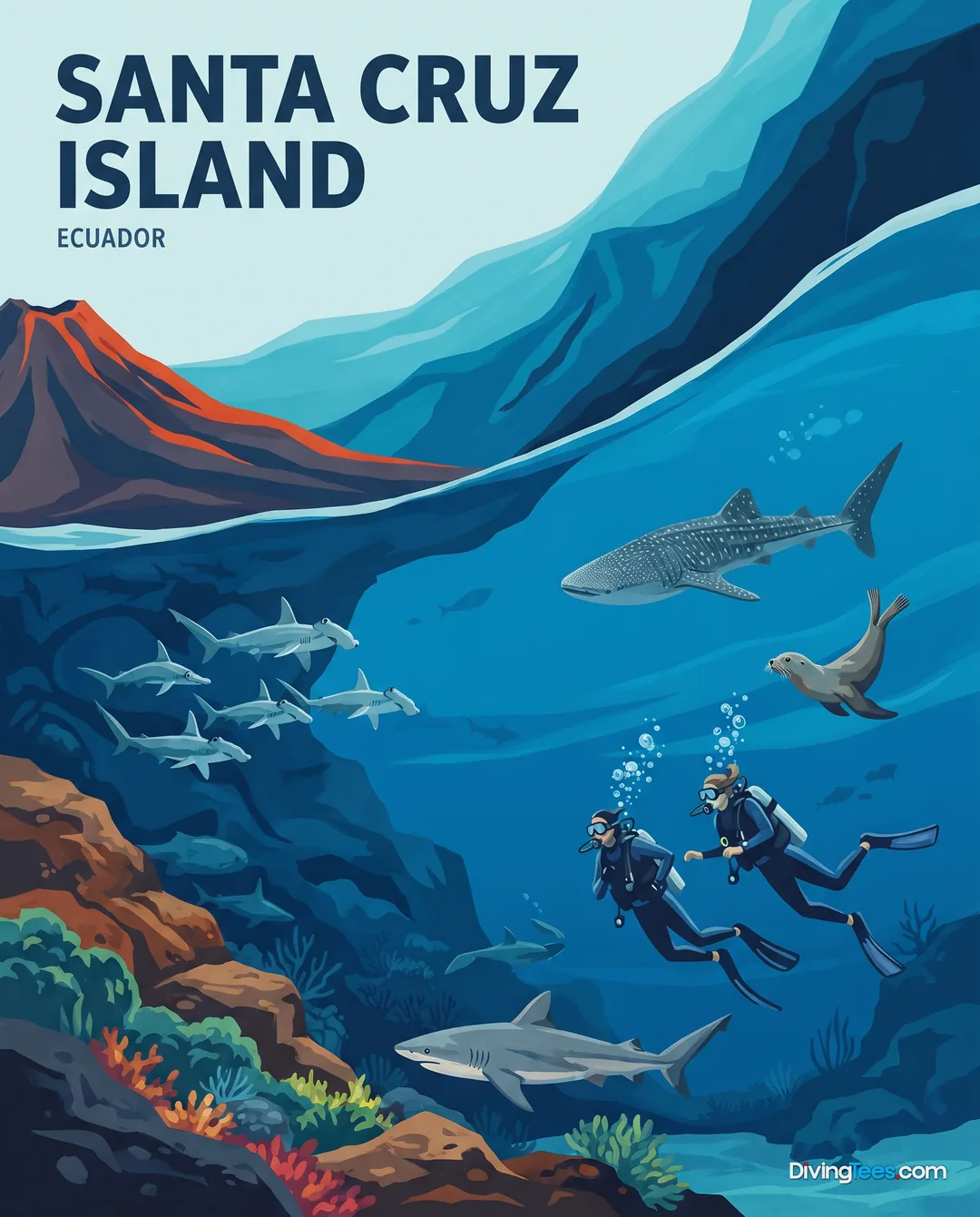
One of the most recognizable features of Santa Fe is its spectacular underwater arch. This formation serves as a focal point for many dives, offering a natural gateway through the reef structure. Moving through the arch or exploring the surrounding rocky outcrops allows for a close-up view of the local ecosystem. The presence of these arches and shallow caves makes the site interesting for both those perfecting their navigation and those looking for unique geological formations. The shallow depth ensures that light penetration remains high throughout the reef.
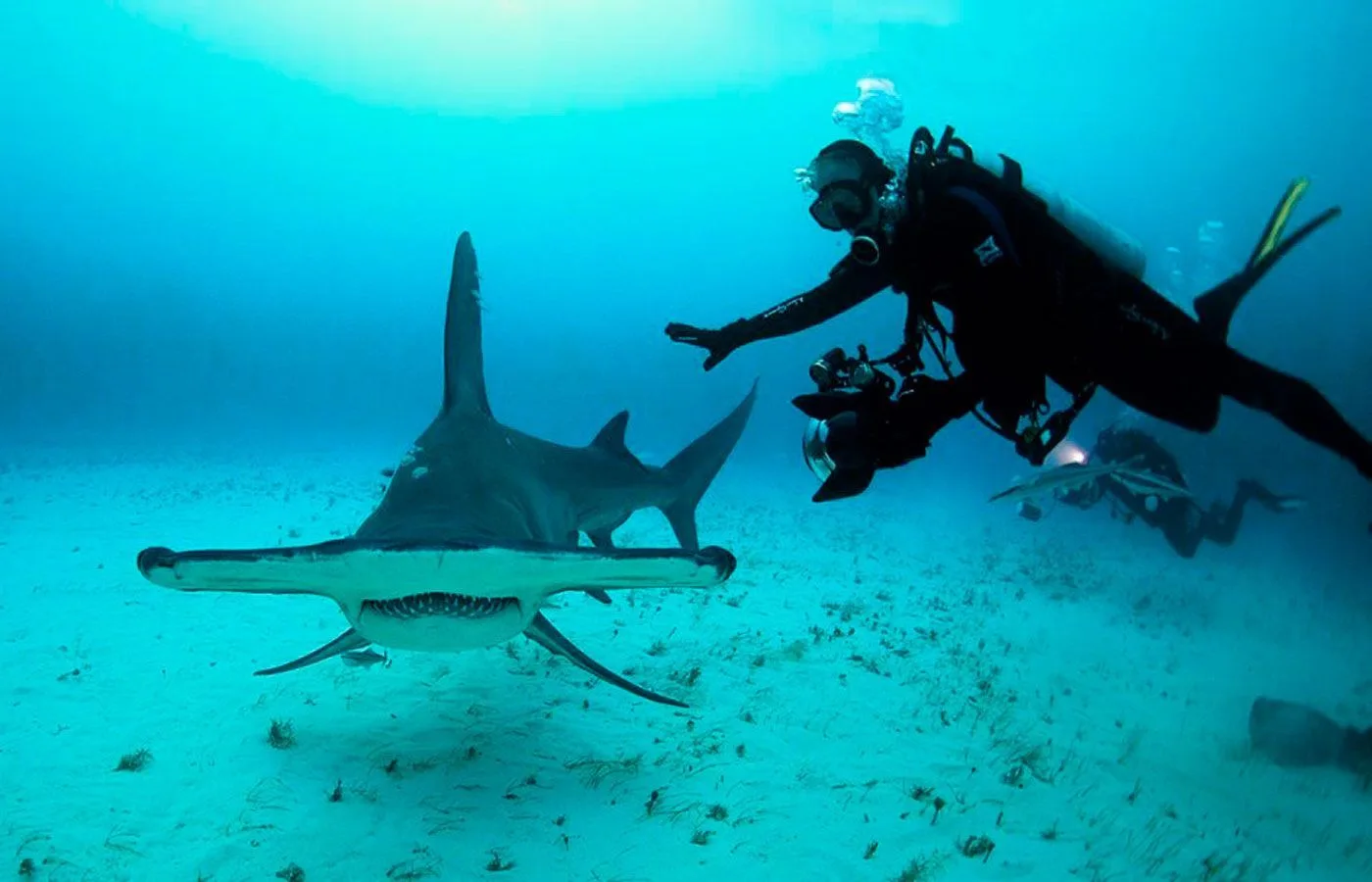
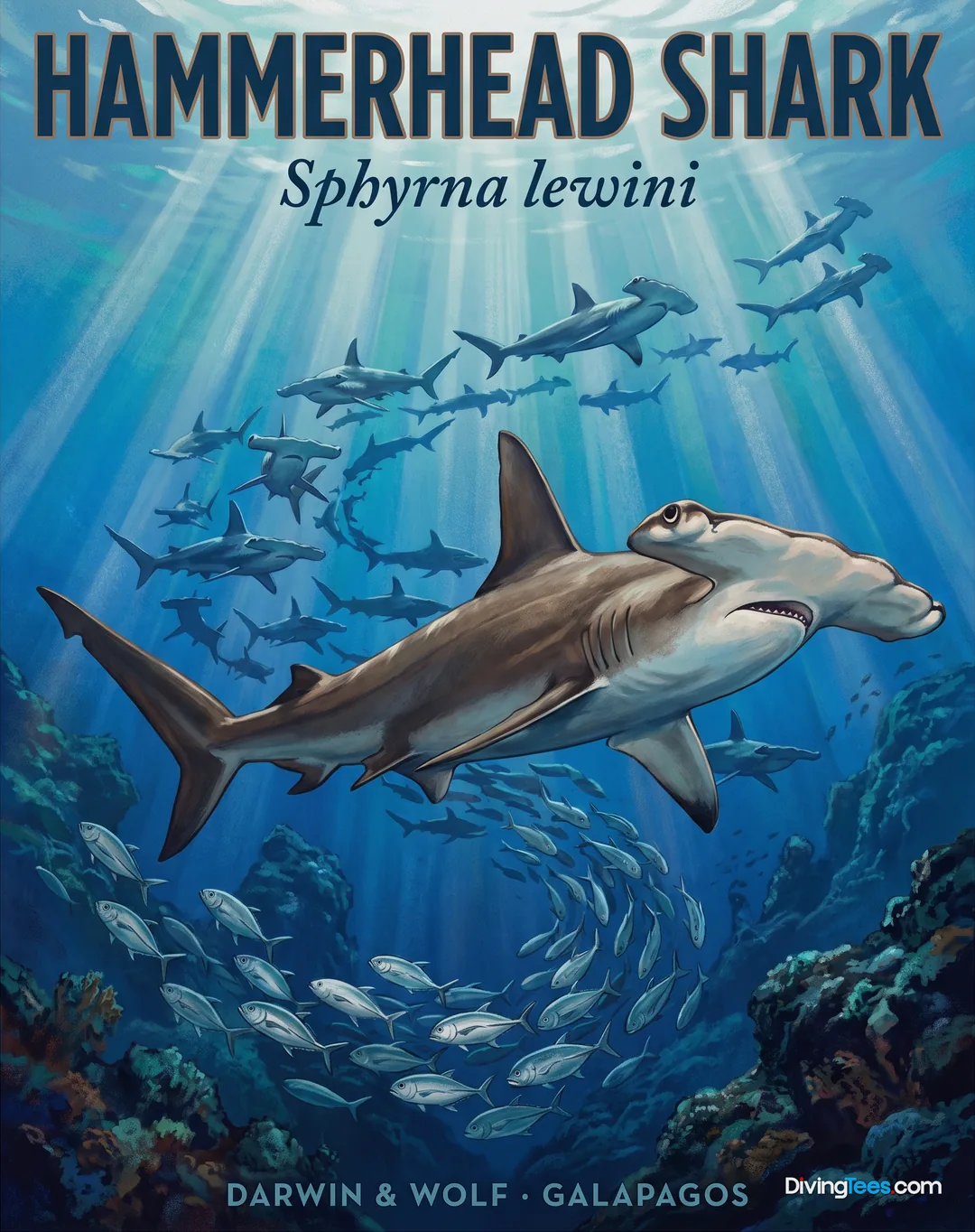
The pelagic presence at Santa Fe is notable, despite the site's relatively sheltered nature. You can often encounter hammerhead sharks (Sphyrna lewini) patrolling the edges of the reef or passing through the area. Whitetip reef sharks and blacktip reef sharks are also frequent visitors, often found cruising near the bottom or around the rocky edges. Larger species such as manta rays and eagle rays may pass through the upper water column, adding to the sense of scale during your descent. These encounters are typical of the region's high biological productivity.
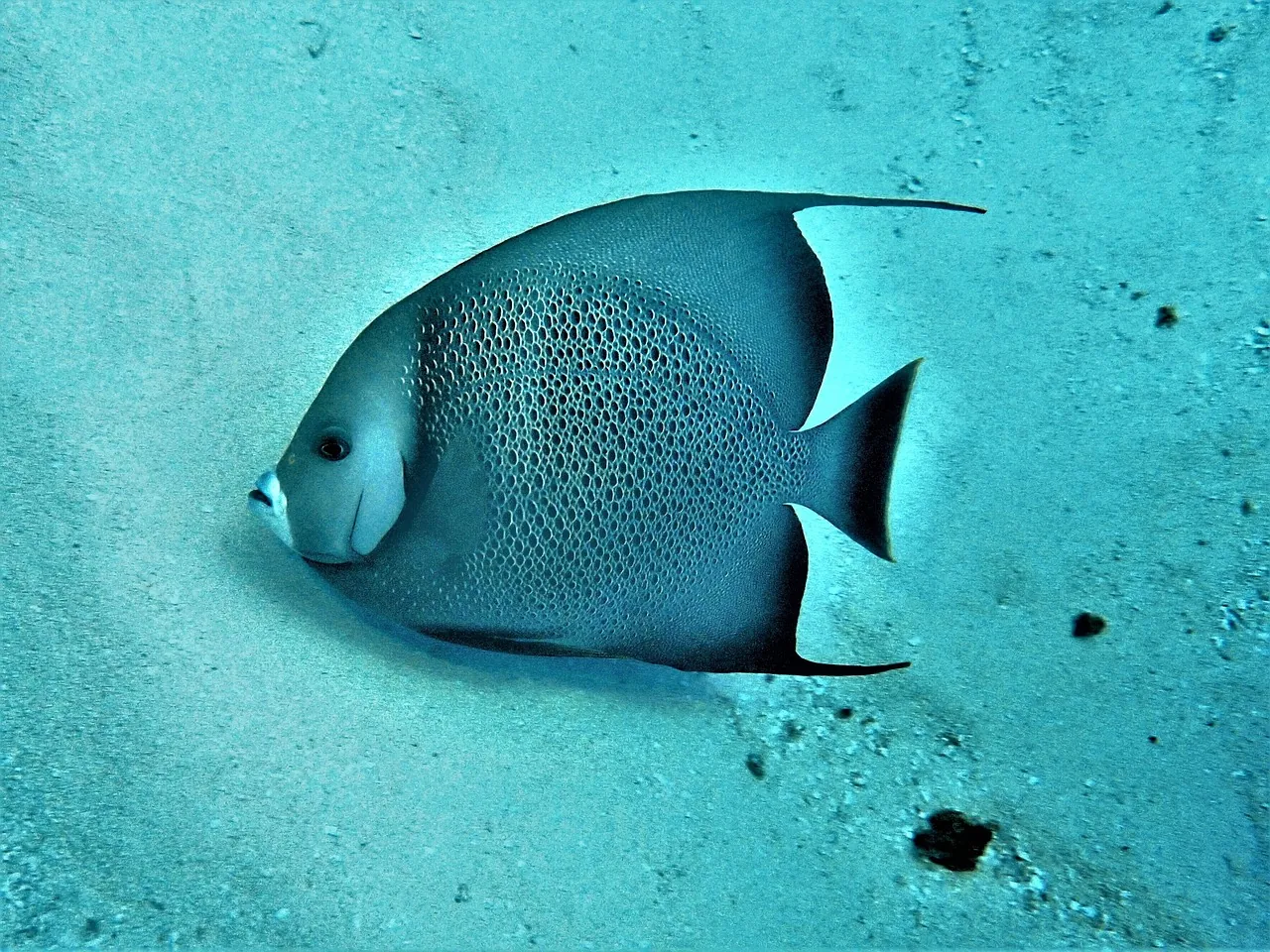
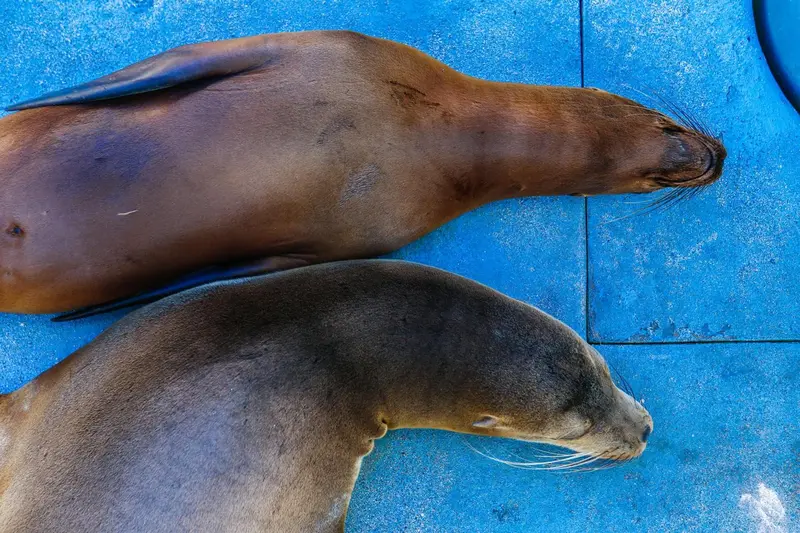
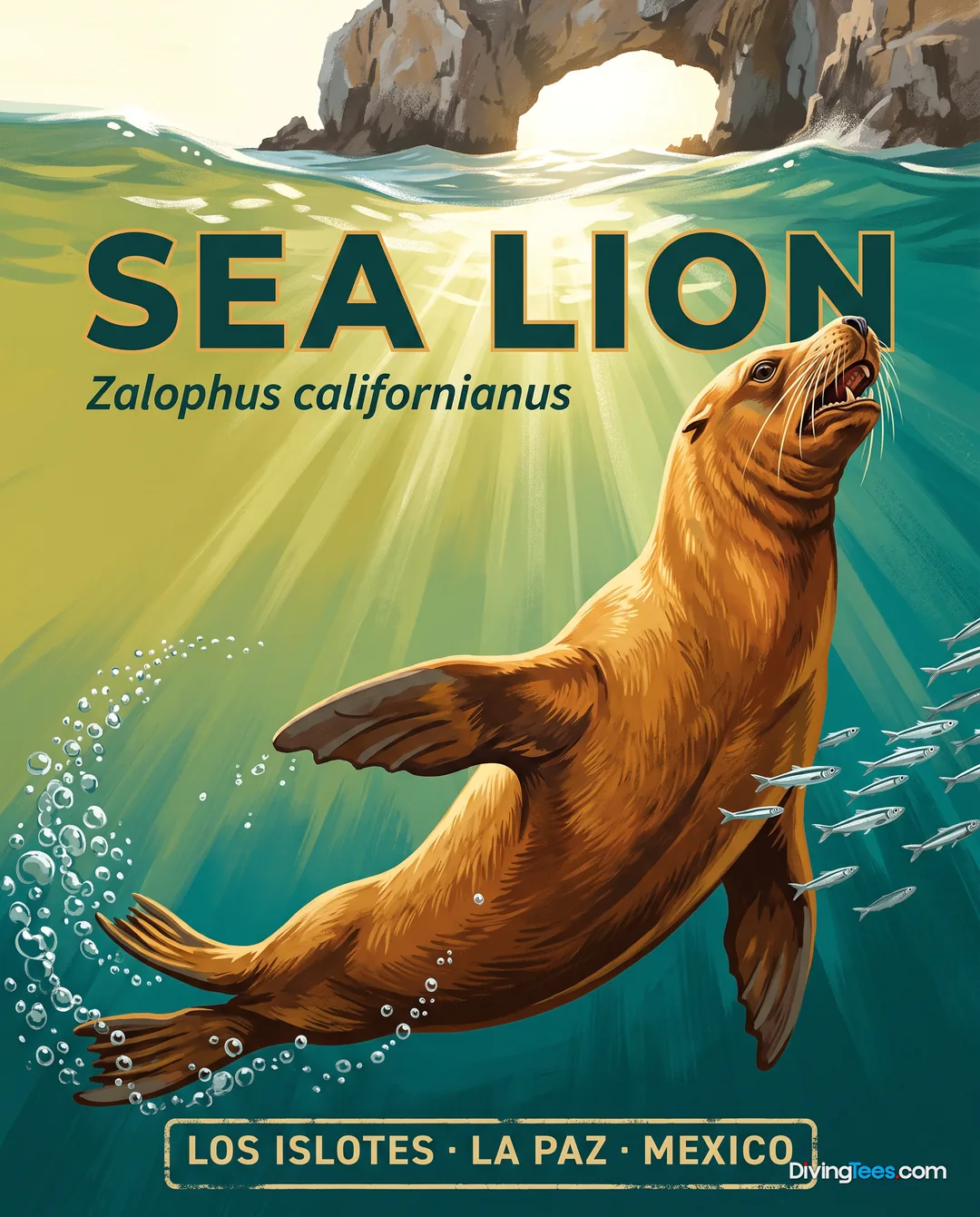
On the reef itself, the biodiversity is concentrated in the rocky cracks and sandy transitions. You will frequently see Galapagos sea lions interacting with the environment, often appearing curious about divers. Green sea turtles graze near the reef edges, while various rays and stingrays remain partially buried in the sandy patches. The fish life is abundant, ranging from large barracuda to smaller, colorful residents like the king angelfish and various parrotfish. Blue-eyed damselfish and sergeant major fish often school in the shallower, sunlit sections of the reef.
The resident fauna includes several specialized species that rely on the basaltic structure for protection. Moray eels are commonly found tucked into the crevices of the rocks, waiting for prey. You can also spot the Galapagos hawkfish and yellowtail surgeonfish navigating the currents around the reef. The presence of various species of reef sharks, including both blacktip and whitetip varieties, indicates a healthy and functioning food web. Observing these animals in their natural habitat is a core part of the experience at this site.
Visibility at Santa Fe is frequently excellent, often reaching between 10 and 25 metres, which enhances the sense of space during your dives. This clarity allows you to spot approaching pelagics from a significant distance and provides a clear view of the intricate details within the underwater arches. Because the site is more protected than the more oceanic locations, the water column tends to be more stable. This makes it an ideal location for long, relaxed dives where you can focus on fine details of the reef architecture.
The site's reputation as a calmer alternative is earned through its specific geographic positioning. While other areas in the Galapagos are defined by heavy surge and relentless current, Santa Fe offers much more manageable conditions. This makes it a critical site for training and for divers who want to experience the archipelago's wildlife without the constant physical demand of heavy currents. Even when the surface chop increases, the underwater topography of the bay and the various reef sections provides significant shelter.
Depths range from 9 to 18 metres. The site is accessible from Open Water Diver level, provided you are comfortable with basic buoyancy and reef diving. Currents are generally light and sheltered, though they can increase seasonally from June to November or during heavy swell. Visibility is typically between 10 and 25 metres. The best time to dive is during the cooler season from June to November.
The best time to dive Santa Fe is during the cooler season from June to November. Visibility is typically between 10 and 25 metres during dives, giving you clear views of the basaltic arch, rocky reef, cavern passages, resident fish, and marine life moving through the sheltered areas.
You can dive Santa Fe from Open Water Diver level if you are comfortable with basic buoyancy and reef diving. The sheltered conditions, shallow sloping reefs, easy swim-throughs, and cavern-like passages provide a controlled setting for practising buoyancy, navigation, and exploration around basaltic formations.
Santa Fe ranges from 9 to 18 metres deep, with easy swim-throughs and cavern-like passages particularly around 16 metres. You can explore a spectacular underwater basaltic arch, rocky outcrops, coral reef patches, sandy banks, and crevices filled with smaller organisms and larger reef residents.
Currents at Santa Fe are generally light and sheltered, although they can increase seasonally from June to November or during heavy swell. While exploring, you might encounter hammerhead sharks, whitetip and blacktip reef sharks, sea lions, green sea turtles, rays, barracuda, moray eels, and diverse reef fish.